

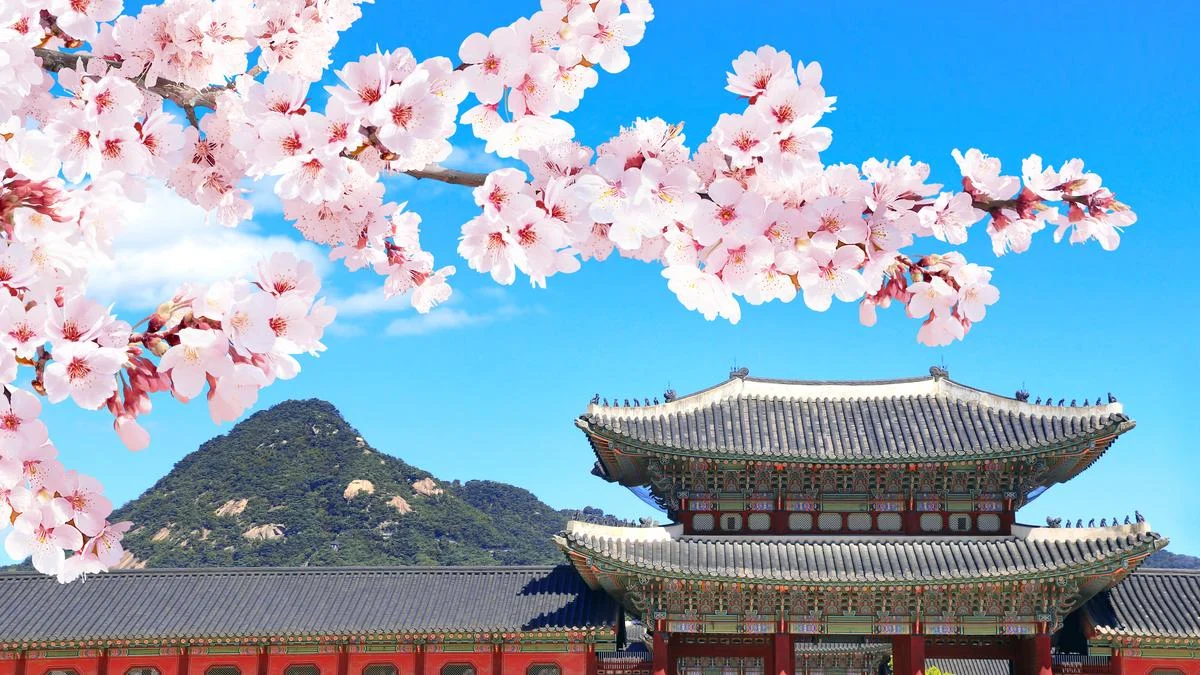
GOYANG/SEOUL – As the delicate pink and white petals of cherry blossoms reach their zenith across the Korean Peninsula, a different kind of fever has gripped the nation. Today, the global K-pop phenomenon BTS officially commenced their highly anticipated "Arirang" concert tour in Goyang, a vibrant satellite city of Seoul. The event marks not only a significant homecoming for the septet but also a pivotal moment for South Korean tourism, which is currently experiencing a massive influx of international visitors timed to coincide with both the musical event and the peak of the spring season.
The "Arirang" tour—named after Korea’s most iconic folk song, often considered the unofficial national anthem—is set to perform a three-day residency at the Goyang Stadium on April 9, 11, and 12. For the thousands of fans, known collectively as "ARMY," who have descended upon the Seoul Capital Area, the concerts represent the centerpiece of a larger cultural pilgrimage.
Main Facts: A Convergence of Culture and Commerce
The kickoff of the "Arirang" tour is a multi-layered event. Strategically scheduled during the cherry blossom peak, which meteorologists predict will hit its maximum vibrance in Seoul around April 10, the tour serves as a powerful catalyst for the "Hallyu" (Korean Wave) economy.
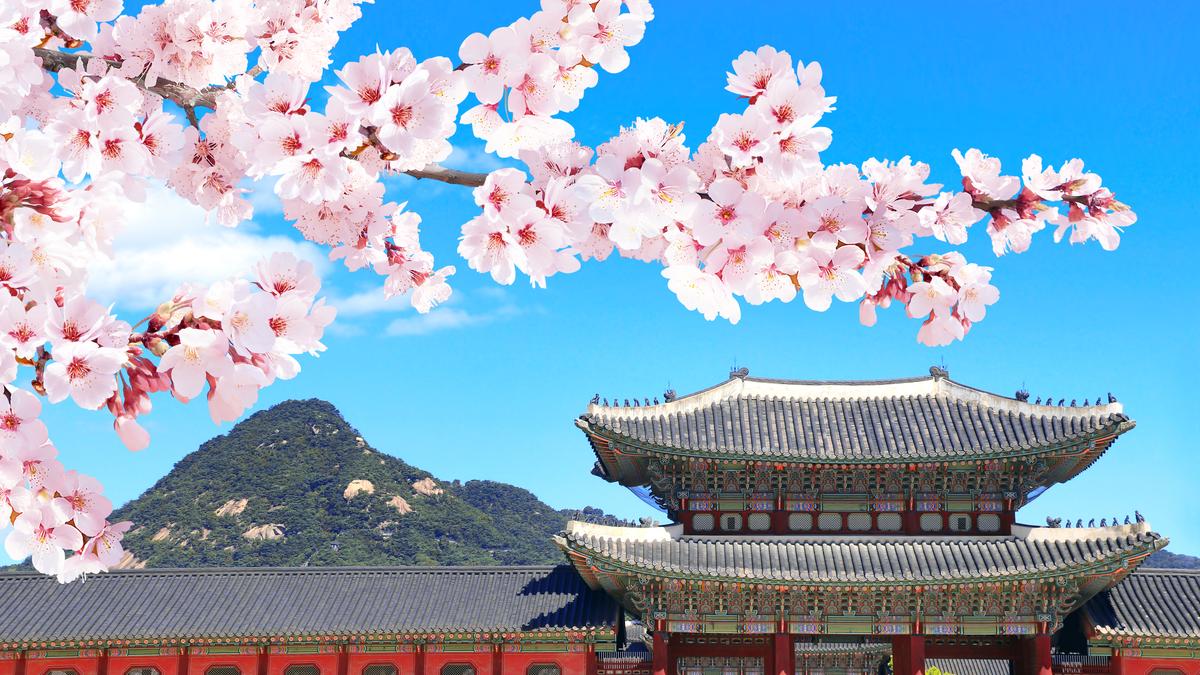
The Goyang performances are expected to draw over 150,000 attendees across three nights, with a significant percentage traveling from North America, Europe, and Southeast Asia. According to early data from the Korea Tourism Organization (KTO), hotel occupancy rates in Goyang and the surrounding Seoul districts of Mapo and Eunpyeong have surged to 95%, the highest since the pre-pandemic era.
Beyond the music, the "Arirang" theme signifies BTS’s continued commitment to blending contemporary pop with traditional Korean heritage. The tour follows the group’s recent "Comeback Live" event at Gwanghwamun—the southern gate of Gyeongbokgung Palace—which was streamed globally on Netflix, further cementing the link between Korea’s royal history and its modern cultural exports.
Chronology: The Road to ‘Arirang’
The path to today’s opening night has been one of strategic buildup and meticulous planning by BIGHIT MUSIC and the South Korean government.

- Early March: BTS performed a teaser set at Gwanghwamun Square. The visual of the world’s biggest boy band performing against the backdrop of a 14th-century palace gate went viral, setting the stage for the "Arirang" concept.
- Late March: The Korea Tourism Organization launched a series of "K-Pop Roadmaps," highlighting locations frequented by BTS members, specifically tailored for fans visiting during the April concert window.
- April 1-5: International arrivals at Incheon International Airport saw a 40% week-on-week increase. Travelers reported that the primary motivation for their visit was the combination of the BTS concerts and the seasonal flora.
- April 9 (Today): The tour officially opens in Goyang. The city has transformed into a "Purple Zone," with local businesses offering discounts to concert-ticket holders and the Goyang city government deploying extra public transport to handle the surge.
Supporting Data: The Anatomy of a Fan Pilgrimage
To understand the scale of this event, one must look at the specific travel patterns emerging in Seoul. The modern K-pop tourist is no longer satisfied with just attending a concert; they seek an immersive "lifestyle" experience.
The ‘Idol-Spotting’ Economy
In the heart of Seongsu-dong—a neighborhood often dubbed the "Brooklyn of Seoul" for its industrial-chic aesthetic—Seoul Forest Park has become a primary destination. The park features numerous benches and installations dedicated to BTS members. Specifically, Suga’s bench, engraved with the comforting message, "Please lean on me and rest sometimes," and the "J-Hope Forest," featuring a bright yellow J-shaped bench, have become sites of secular pilgrimage. Data from local social media monitoring suggests that "check-ins" at these specific park coordinates have increased fivefold since the tour was announced.
Gastronomy and the ‘RM Effect’
Culinary tourism is also pivoting toward fan-favorite spots. Samcheongdong Hotteok, a humble stall tucked away in a Jongno alleyway, has seen lines stretching around the block. The stall’s popularity is attributed to BTS leader RM, who previously shared images of himself enjoying their sweet and savory stuffed pancakes (bulgogi, honey, and nuts).

Furthermore, the 24-hour "Ramen Convenience Store" in Jongno—a staff-less establishment where visitors cook their own noodles using induction machines—has become a viral sensation. The walls are currently plastered with thousands of post-it notes from international travelers, many of which are messages of support for BTS, creating a living archive of global fan culture.
Technological Integration
Logistics in South Korea remain a unique challenge for foreigners due to national security restrictions on Google Maps. Consequently, there has been a record number of downloads for Naver Maps and KakaoMap, the local alternatives. The T-Money card system, used for Seoul’s world-class public transport, has also seen record-breaking recharges this week, as fans navigate between the Goyang concert venue and Seoul’s cultural hotspots.
Official Responses: Leveraging the ‘BTS Effect’
The South Korean government and tourism boards are fully leaning into the momentum. A representative from the Korea Tourism Organization (KTO) noted that the synergy between BTS and the cherry blossom season provides a "perfect window" to showcase the country’s diverse appeals.

"We are seeing a shift from ‘sightseeing’ to ‘living like a local,’" the KTO official stated. "Fans are not just visiting palaces; they are enrolling in 90-minute K-pop dance classes taught by backup dancers, visiting ‘Wes Anderson-esque’ laundromats at HiKR Ground, and participating in the Seoul Outdoor Library initiative at Cheonggyecheon stream."
The HiKR Ground center, a state-of-the-art tourism publicity hub, has reported record footfall. The facility allows fans to record their own K-pop music videos using XR (Extended Reality) Live Studios for free. By providing these high-tech, interactive experiences, officials hope to convert one-time concertgoers into repeat visitors who appreciate the broader scope of Korean technology and art.
Local business owners in Goyang have also expressed optimism. "The ‘BTS Effect’ is real," says a cafe owner near the Goyang Stadium. "We’ve introduced a ‘Sweet Potato Latte’—a local favorite—and it has become our best-seller among American and European fans who want to try what the idols drink."

Implications: Cultural Soft Power and the Future of Tourism
The "Arirang" tour serves as a case study in the power of cultural soft power. By intertwining a modern pop concert with the traditional "Arirang" theme and the natural beauty of the cherry blossoms, South Korea is successfully rebranding itself as a premier global destination that offers both futuristic technology and deep-rooted tradition.
1. Sustainable Tourism Models
The distribution of fans across various neighborhoods—from the high-end designer boutiques of Seongsu (home to the Dior flagship and Tamburins) to the traditional art studios of Insa-dong—helps prevent the "over-tourism" of a single site. By spreading the "BTS trail" across the city, Seoul manages to sustain local businesses in diverse sectors, from stationery shops like Art Box and Daiso to high-end fashion.
2. The Evolution of the Fan Experience
The "tourist experience" dance classes, priced at upwards of ₩35,000 (approximately ₹2,000 or $25) for a 90-minute session, indicate a growing market for "educational tourism." Visitors are no longer passive observers; they want to acquire the skills of their idols, leaving with certificates and professional-grade videos of their own performances.

3. Economic Resilience
As South Korea continues to navigate the post-pandemic landscape, events like the "Arirang" tour provide a vital economic cushion. The massive sales of K-beauty products at Olive Young stores and the high demand for K-pop albums at the Kyobo Book Centre in Gwanghwamun suggest that the retail sector is a major beneficiary of the Hallyu wave. Even the underground shops at Myeong-dong subway stations are seeing a resurgence, selling everything from K-drama posters to puffed rice crackers.
Conclusion
As BTS takes the stage tonight in Goyang, the "Arirang" tour is more than just a series of concerts; it is a celebration of a nation in full bloom. For the thousands of visitors currently navigating the steep, walkable streets of Hongdae or sitting on beanbags at the Seoul Outdoor Library, the experience is a blend of the ancient and the avant-garde.
While the cherry blossoms will eventually fall, the economic and cultural impact of this week’s events will likely resonate throughout the year. South Korea has successfully transformed a musical comeback into a national festival, proving once again that in the world of global tourism, culture is the most potent currency.

The writer was in Seoul on invitation from the Korea Tourism Organization.
