

For the modern consumer, purchasing a home is rarely a purely clinical financial transaction. It is the inauguration of a new life chapter, an emotional milestone that represents stability, status, and personal taste. However, the intersection of aspiration and affordability often creates a complex paradox for buyers. As the real estate market evolves, the distinction between essential "must-have" features and aspirational "nice-to-have" amenities has become the primary factor in determining long-term satisfaction and financial health.
Main Facts: The Psychology of the Modern Purchase
In the current real estate landscape, the "wish list" has expanded significantly. What were once considered luxuries—modular kitchens, dedicated home offices, and private gymnasiums—are now frequently viewed as standard requirements. This shift is driven by a changing lifestyle where the home serves as a sanctuary, a workplace, and a social hub.
The core challenge for any homebuyer lies in the "personal touch." Every buyer enters the market with a vision of their dream property, yet budget constraints and market availability often necessitate compromise. Professional real estate consultants argue that the failure to distinguish between functional necessities and aesthetic desires is the leading cause of "buyer’s remorse."
The Essential Distinction
- Must-Haves: These are non-negotiable elements that directly impact the quality of life, safety, and the long-term value of the asset. If a property lacks these, no amount of cosmetic renovation can fix the underlying deficiency. Examples include location, structural integrity, and carpet area.
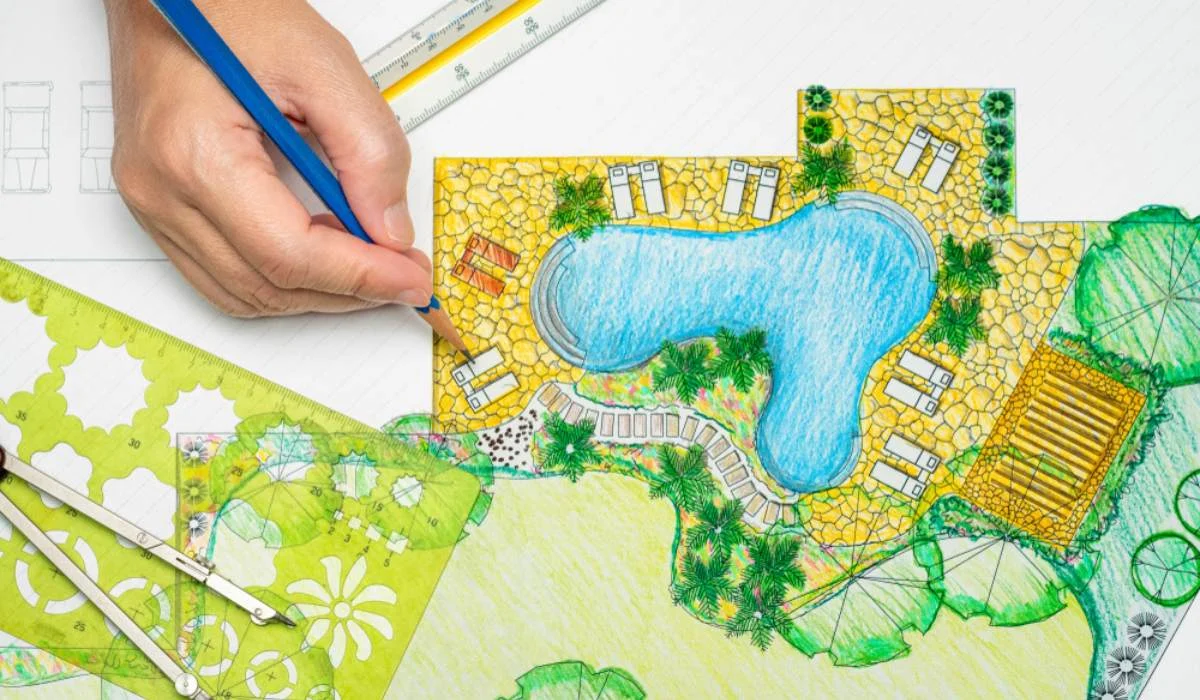
- Nice-to-Haves: These are features that enhance the living experience but are not critical for daily functioning. While they add "wow factor," their absence does not render the home unlivable or a poor investment. Examples include swimming pools, Italian marble flooring, or high-end smart home automation.
Chronology: The Evolution of Homebuying Priorities
To understand the current market, one must look at how the definition of "essential" has shifted over the last two decades.
The Pre-2010 Era: The Basic Shelter Model
During this period, homebuying was largely focused on four walls and a roof. The primary concerns were proximity to public transport and basic utilities like water and electricity. Amenities were a rarity, reserved only for the ultra-luxury segment.
2010–2019: The Rise of the Gated Community
As the middle class expanded, developers began offering "lifestyle" projects. The focus shifted toward community living. Features like clubhouses and landscaped gardens moved from "nice-to-have" to "expected," though they were still secondary to the location.
2020–Present: The Post-Pandemic Paradigm Shift
The COVID-19 pandemic fundamentally altered the chronology of buyer preferences. The "home office" transitioned from a luxury to a mandatory requirement. Spacious balconies, which were once overlooked to save on cost, became essential for mental well-being. This era also saw a heightened focus on health-centric features, such as air purification systems and touchless entry points.
Supporting Data: Market Trends and Economic Realities
Recent market data from leading real estate portals indicates a significant trend toward "utility-driven" luxury. According to industry reports, nearly 65% of urban homebuyers in 2023 prioritized an extra half-bedroom (the "0.5" in 2.5 BHK) over premium clubhouse facilities.
The Carpet Area Equation
One of the most critical data points in modern real estate is the "Carpet Area." Historically, builders marketed properties based on "Super Built-up Area," a figure that includes common spaces like lobbies and elevator shafts. However, since the implementation of the Real Estate (Regulation and Development) Act (RERA), there has been a 40% increase in buyer inquiries specifically regarding the actual usable space.
Location and Resale Value
Data suggests that properties located within a 2-kilometer radius of major transit hubs or upcoming infrastructure projects (like metro lines or expressways) appreciate at a rate 15-20% higher than those in isolated luxury pockets. This reinforces the "Location" pillar as the ultimate must-have.
Detailed Breakdown: The Must-Have Features
When finalising a property, professional journalists and industry experts suggest focusing on the following "non-negotiables":
1. Strategic Location and Connectivity
A home with gold-plated faucets is of little value if it requires a two-hour commute to reach basic medical facilities or schools. Buyers must assess the "micro-market." This involves evaluating not just the current state of the neighborhood, but its future growth potential. Is there a planned commercial hub nearby? Is the area prone to flooding? These are the questions that define a "must-have" location.
2. The RERA-Approved Carpet Area
The layout of a house determines its daily functionality. A poorly designed 1,500 sq. ft. apartment can feel more cramped than a well-designed 1,200 sq. ft. unit. Buyers should demand the RERA carpet area breakdown to ensure they are paying for space they can actually inhabit.
3. Core Infrastructure and Safety
Safety is often an invisible must-have until it is missing. This includes:
- Construction Quality: Assessing the grade of materials and the reputation of the developer.
- Security Systems: CCTV, 24/7 manned security, and fire safety protocols are essential in high-density urban living.
- Utilities: Consistent power back-up and water supply are fundamental rights in a modern home, not luxuries.
4. Future-Proofing (The Extra Room)
With the rise of hybrid work models, a property that can accommodate a home office is no longer a luxury. Having a "flex space" ensures the buyer does not have to relocate or upgrade within 3-5 years, saving significant transaction costs and taxes.
Official Responses: Expert Perspectives and Regulatory Insights
Real estate regulators and industry veterans have weighed in on the importance of disciplined homebuying.
The RERA Perspective:
Officials from various state RERA authorities emphasize that transparency is the buyer’s greatest tool. "The Act was designed to ensure that what you see is what you get," says a senior regulatory consultant. "We encourage buyers to look past the ‘sample flat’—which is often loaded with nice-to-haves—and focus on the registered specifications of the actual unit."
Developer Insights:
Leading developers acknowledge the marketing pressure to highlight luxury. "Fancy advertising sells a dream," admits a marketing head of a Tier-1 construction firm. "But a sustainable business model relies on satisfied residents. We are seeing a trend where buyers are willing to trade a smaller swimming pool for better structural warranty and more parking space."
Financial Advisors:
Wealth managers caution against the "Luxury Tax." Nice-to-haves often come with higher Monthly Maintenance Charges (MMC). "A buyer might afford the EMI for a penthouse with a private pool, but the recurring cost of maintaining that pool can drain their long-term savings," warns a financial planner.
Implications: The Future of Urban Living
The distinction between must-haves and nice-to-haves will continue to sharpen as urban spaces become more congested and expensive. There are several long-term implications for the market:
1. The Rise of "Efficiency Housing"
Developers are likely to focus on "smart sizing"—creating smaller units that maximize every square inch of carpet area. In this scenario, modularity becomes a must-have, allowing residents to transform living rooms into workspaces seamlessly.
2. Sustainability as a New Essential
As energy costs rise and climate change impacts urban centers, "green" features like rainwater harvesting and solar-powered common areas are moving from the "nice-to-have" category to the "must-have" category. Buyers are beginning to realize that an eco-friendly home is a more affordable home in the long run.
3. The Impact of Trade-offs
The reality of real estate is that no property is perfect. The implication for future buyers is a shift toward "prioritized compromise." For example, a young couple may choose a "must-have" location near a metro station while sacrificing the "nice-to-have" of a quiet, low-traffic street.
Conclusion: Organizing the Search
To navigate this complex journey, new homebuyers should categorize their requirements into a three-tier hierarchy:
- Non-Negotiables (Must-Haves): Location, Budget, Safety, Minimum Square Footage.
- Secondary Priorities: High-quality fittings, Balcony space, Specific floor level.
- Bonuses (Nice-to-Haves): Rooftop gardens, smart mirrors, clubhouse memberships.
By adhering to this structure, buyers can avoid the "marketing trap" where developers showcase luxury features to distract from fundamental flaws. In the end, a dream home is not defined by its grandeur, but by its ability to provide a secure, functional, and financially viable foundation for the life lived within its walls.
Frequently Asked Questions (FAQs)
How should I decide which features are truly "must-haves" for my family?
Start by analyzing your daily routine. If you work from home, a quiet corner or extra room is a must-have. If you have elderly parents, proximity to a hospital and a ground-floor or elevator-accessible unit is a must-have. Your lifestyle dictates the list, not the brochure.
Is it wise to compromise on the neighborhood to get a bigger house?
Generally, no. You can renovate a house, but you cannot move it. A larger house in a poorly connected or unsafe neighborhood will likely have lower resale value and a higher "frustration factor" due to commuting and lack of amenities.
Should I pay extra for "Smart Home" features?
Smart home features are often "nice-to-haves" because technology evolves rapidly. It is often cheaper and more effective to buy a standard home and install the latest smart devices yourself rather than paying a developer’s premium for technology that might be outdated by the time you move in.
