

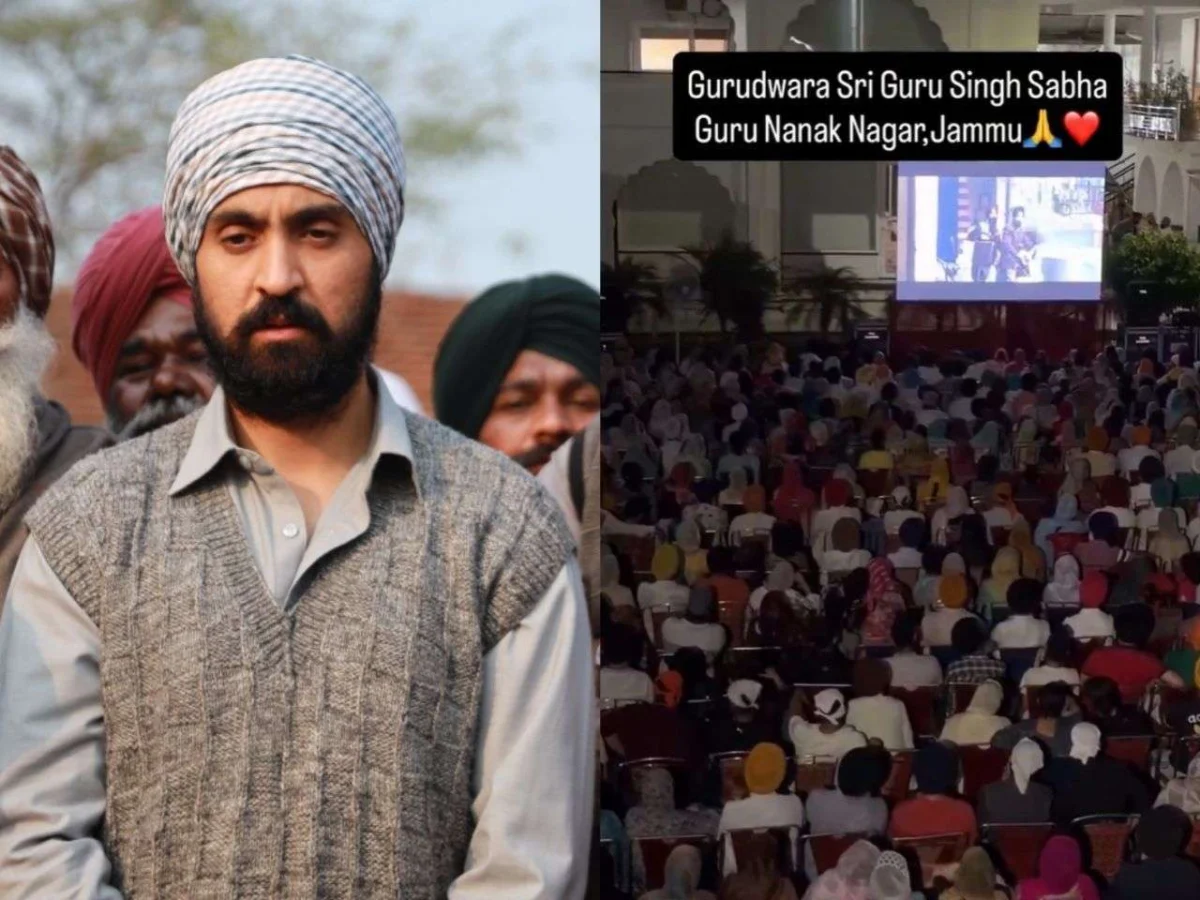
New Delhi, India – July 12, 2026 – The controversial film "Satluj," a biopic on human rights activist Jaswant Singh Khalra, continues to defy its global ban, igniting fervent discussions and drawing unexpected audiences. Despite being quietly removed from ZEE5 worldwide and facing stringent government opposition, screenings of the Honey Trehan-directed drama have been reported across India, with a recent event at a Gurudwara in Jammu attracting a notably large and engaged crowd. This defiance has left many netizens puzzled, some outraged, and others expressing solidarity with the film’s perceived message.
The film, formerly known as "Punjab ’95," has been a subject of intense scrutiny and debate since its inception. Accused by the Indian government of presenting a "heavily unbalanced narrative" that allegedly glorifies militants and casts a negative light on security forces during the Punjab insurgency, "Satluj" was banned under Section 69A of the IT Act. The Ministry of Information and Broadcasting cited threats to India’s sovereignty and security as the primary reasons for its prohibition. However, the recent screenings suggest that these measures have not entirely stemmed the film’s reach.
The Unfolding Controversy: A Timeline of "Satluj’s" Struggle
The journey of "Satluj" has been fraught with challenges, marked by delays and eventual bans. Initially slated for release, the film encountered significant hurdles, leading to a three-year delay. The government’s decision to ban it from Over-The-Top (OTT) platforms, including ZEE5, was a decisive move aimed at curtailing its dissemination. The official statement highlighted concerns that the film’s portrayal could promote pro-Khalistani sentiments and undermine national integrity.
Key Milestones:
- Pre-production and Production: The film, starring Diljit Dosanjh as Jaswant Singh Khalra, garnered attention for its subject matter and star power. However, whispers of potential controversy began to surface even before its completion, fueled by the sensitive nature of the Punjab insurgency era.
- Delayed Release: "Satluj" faced an extended period of uncertainty regarding its release, with producers navigating regulatory approvals and industry pressures. This delay itself fueled speculation and public interest.
- OTT Ban: In a significant development, ZEE5, the platform slated to host the film, eventually pulled it down globally. This move, confirmed to have happened after its initial availability in India, underscored the pervasive nature of the ban.
- Emergence of Unauthorized Screenings: Following the official ban, reports of clandestine screenings began to emerge from various locations across India. These screenings, often organized in community spaces or private gatherings, indicated a persistent demand for the film.
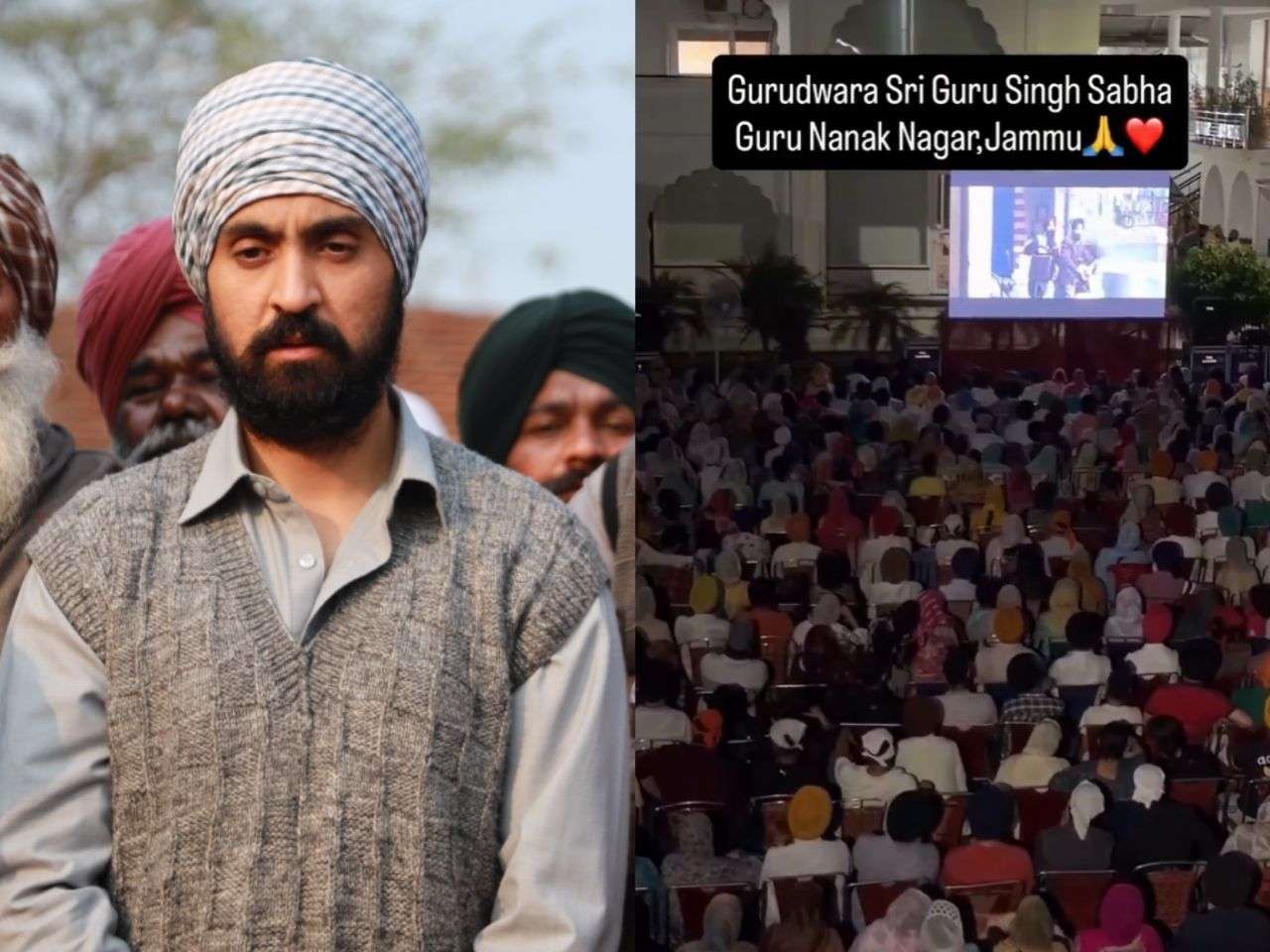
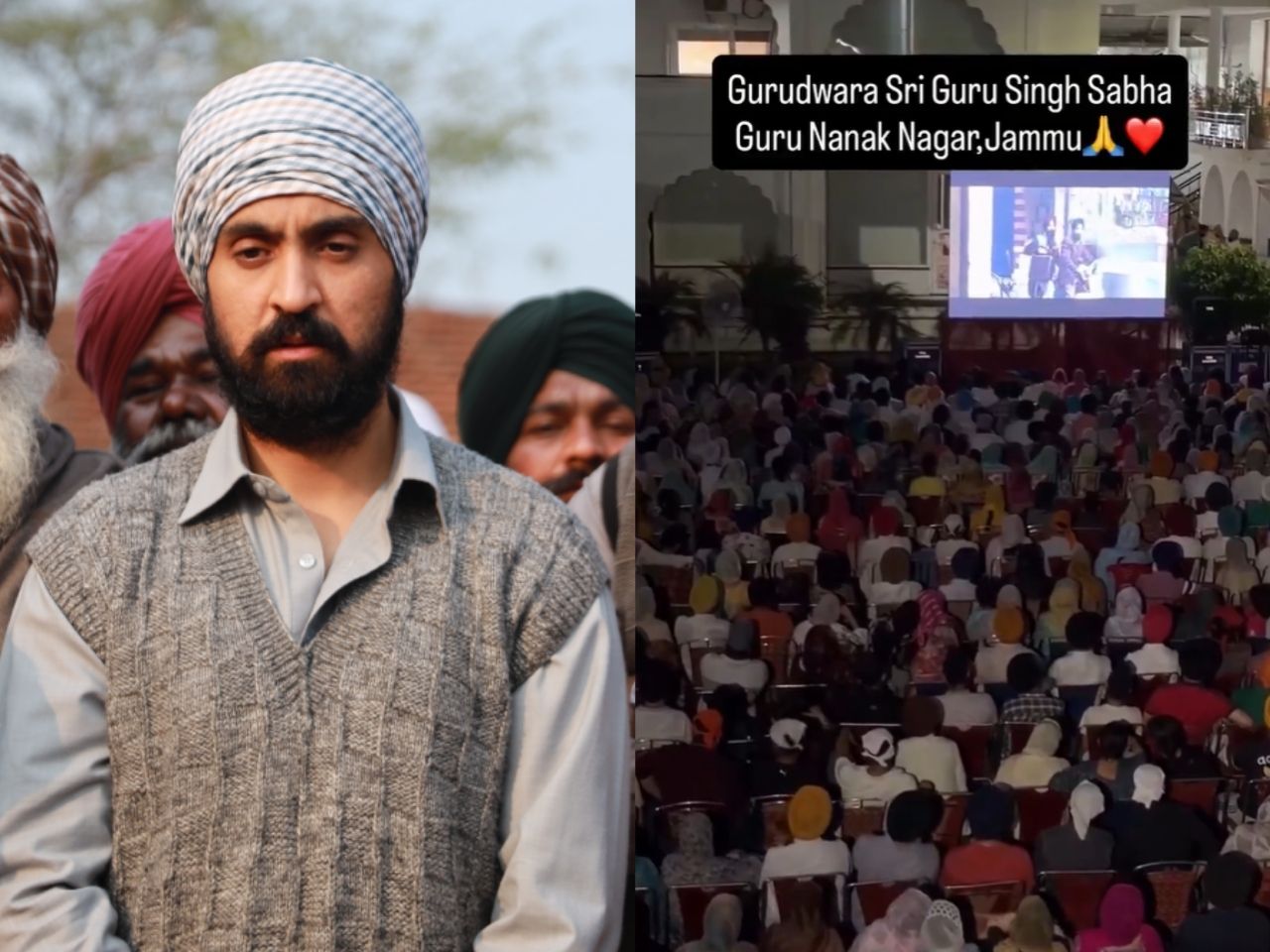
- Jammu Gurudwara Screening: The recent screening at Gurudwara Sri Guru Singh Sabha in Jammu, captured in a viral video, represents a particularly notable instance of this defiance. The packed audience at the Gurudwara has become a focal point for public discussion and media attention.
The Jammu Incident: A Packed House Defies the Ban
The viral video from Jammu showcases a Gurudwara filled to capacity, with attendees intently watching "Satluj." This scene has provoked a strong reaction online. Critics have questioned the authorities’ efficacy in enforcing the ban, with some suggesting a lack of genuine intent to suppress the film.
One X (formerly Twitter) user, Sarpanch Mika Gill, expressed their astonishment and frustration: "If I had the money to pay a lawyer, I would have gone to the Punjab and Haryana High Courts and the Supreme Court of India to stop this movie #Satluj from being shown so openly. I am surprised at the governments; they had so many sources to stop it from being shown like this. It was the Supreme Court; there were senior advocates, so why hasn’t it been stopped till now… Perhaps what I think is largely correct is that the governments don’t want to stop this film." This sentiment reflects a broader disillusionment with the perceived inability or unwillingness of the state to curb the film’s circulation.
The user’s implication that governmental inaction might be deliberate has fueled conspiracy theories and intensified the debate surrounding the film’s narrative and its potential impact. The fact that a religious institution, a Gurudwara, became the venue for such a screening adds another layer of complexity, raising questions about community support and the interpretation of religious spaces as platforms for socio-political discourse.
Netizens Divided: Outrage, Support, and Accusations
The online response to the viral video of the Jammu screening has been sharply divided, highlighting the polarized opinions surrounding "Satluj."
Arguments Against the Film and its Screenings:
Many netizens voiced strong disapproval, condemning the screenings as an affront to national sovereignty and integrity. They reiterated the government’s stance that the film promotes a dangerous narrative. The use of expletives in some comments reflects the intensity of this opposition.
)
- One user questioned the motivations of those attending: "Kyu bhai teri kyu g**nd machdi. Sach vekhya ni janda?" (Why are you so bothered? Can’t you see the truth?). This comment, while aggressive, hints at a belief that the film’s content is factual and being suppressed.
- Another commenter expressed concern about the potential for unrest: "This movie is all about fucked up law and order basically, India is Jungle Raj powerful eating others so good luck for you to enforce in rural Punjab just before election." This perspective links the film’s narrative to potential societal breakdown and political manipulation.
Support for the Film and its Message:
Conversely, a significant segment of online users expressed support for the film and its continued exhibition, often framing it as a fight for truth and a challenge to censorship. Some users even drew parallels to other films that have faced criticism or bans.
- A particularly fiery response directly challenged the critics: "Keep crying b*tch. The film is out. The Indian Govt prevented it from coming out long enough, but now the film and truth are out for all the world to see. Did you cry this much when that shit film propaganda film ‘Emergency’ was released?" This comment not only dismisses the opposition but also accuses the government of hypocrisy and attempts to discredit opposing viewpoints by labeling them as emotional or biased. The comparison to "Emergency," another film that faced controversy, suggests a broader pattern of perceived government overreach in cultural censorship.
- The sentiment of "truth out for all the world to see" indicates a belief that "Satluj" is exposing hidden realities, and that attempts to suppress it are futile. This perspective aligns with a desire for open discourse and historical reckoning, even if it challenges established narratives.
The use of Hindi and Punjabi in some of the online exchanges underscores the regional and linguistic dimensions of the debate, suggesting that the film’s impact and reception are deeply tied to the socio-political context of Punjab and its diaspora.
The Government’s Stance: Protecting Sovereignty and Security
The Indian government’s decision to ban "Satluj" was not taken lightly. The Ministry of Information and Broadcasting, in its official pronouncement, cited specific concerns:
- Threats to Sovereignty and Security: The primary justification for the ban was the perceived risk to India’s territorial integrity and national security. The government believes that films portraying the Punjab insurgency in a particular light can incite secessionist sentiments and destabilize the region.
- Unbalanced Narrative: The government has explicitly stated that the film presents a "heavily unbalanced narrative." This implies that it selectively highlights certain aspects of the conflict while downplaying or distorting others, leading to a skewed historical interpretation.
- Whitewashing Militants and Highlighting Security Force Excesses: The specific accusation is that "Satluj" attempts to sanitize the image of militants involved in the insurgency and, conversely, exaggerates or falsely depicts alleged excesses by Indian security forces. This portrayal, the government argues, is not only factually inaccurate but also deeply damaging to the reputation of the armed forces and the state.
The ban was implemented under Section 69A of the Information Technology Act, 2000, which grants the government the power to issue directions for blocking access to information on the internet in the interest of national security, defense, sovereignty, integrity, or public order. The government’s backing of the ban, including its involvement with senior advocates in legal proceedings, signals a firm stance against the film’s dissemination through official channels.
)
Implications and Future Outlook
The continued unauthorized screenings of "Satluj" raise several critical questions and have significant implications:
- Efficacy of Censorship: The inability to completely halt the film’s exhibition, even after a global ban and government intervention, calls into question the effectiveness of current censorship mechanisms in the digital age. The proliferation of illegal downloads and private screenings demonstrates the challenges of controlling content in an interconnected world.
- The Power of Narrative: The film’s enduring appeal, despite its banned status, highlights the potent influence of narratives, particularly those that tap into historical grievances or offer alternative perspectives on sensitive events. The debate surrounding "Satluj" is not just about a film; it’s about competing historical interpretations and the control of public memory.
- Freedom of Expression vs. National Security: The situation brings to the fore the perennial tension between freedom of expression and the imperatives of national security. While proponents of the ban argue for the necessity of protecting the nation, critics often point to the dangers of stifling artistic expression and historical inquiry.
- Community Spaces as Platforms: The use of a Gurudwara for screening the film suggests a growing trend of community spaces being utilized for politically or socially charged content, bypassing official channels. This can empower communities to engage with narratives that resonate with them but also raises concerns about the appropriate use of such institutions.
- Potential for Escalation: The heated online reactions and the defiant screenings could potentially exacerbate existing societal divisions and fuel further polarization. The government’s response to these ongoing violations of the ban will be closely watched, as will the actions of groups advocating for or against the film.
As "Satluj" continues to find its way to audiences through unconventional means, the controversy surrounding it is likely to persist. The film has become a symbol of a larger debate about historical narratives, censorship, and the complex relationship between art, politics, and national identity in contemporary India. The defiance seen in Jammu is not just about a movie; it’s a manifestation of underlying sentiments that the government’s ban, while legally binding, has evidently failed to fully address. The coming weeks and months will likely see further developments as authorities grapple with the film’s persistent presence and the public’s divided response.
