

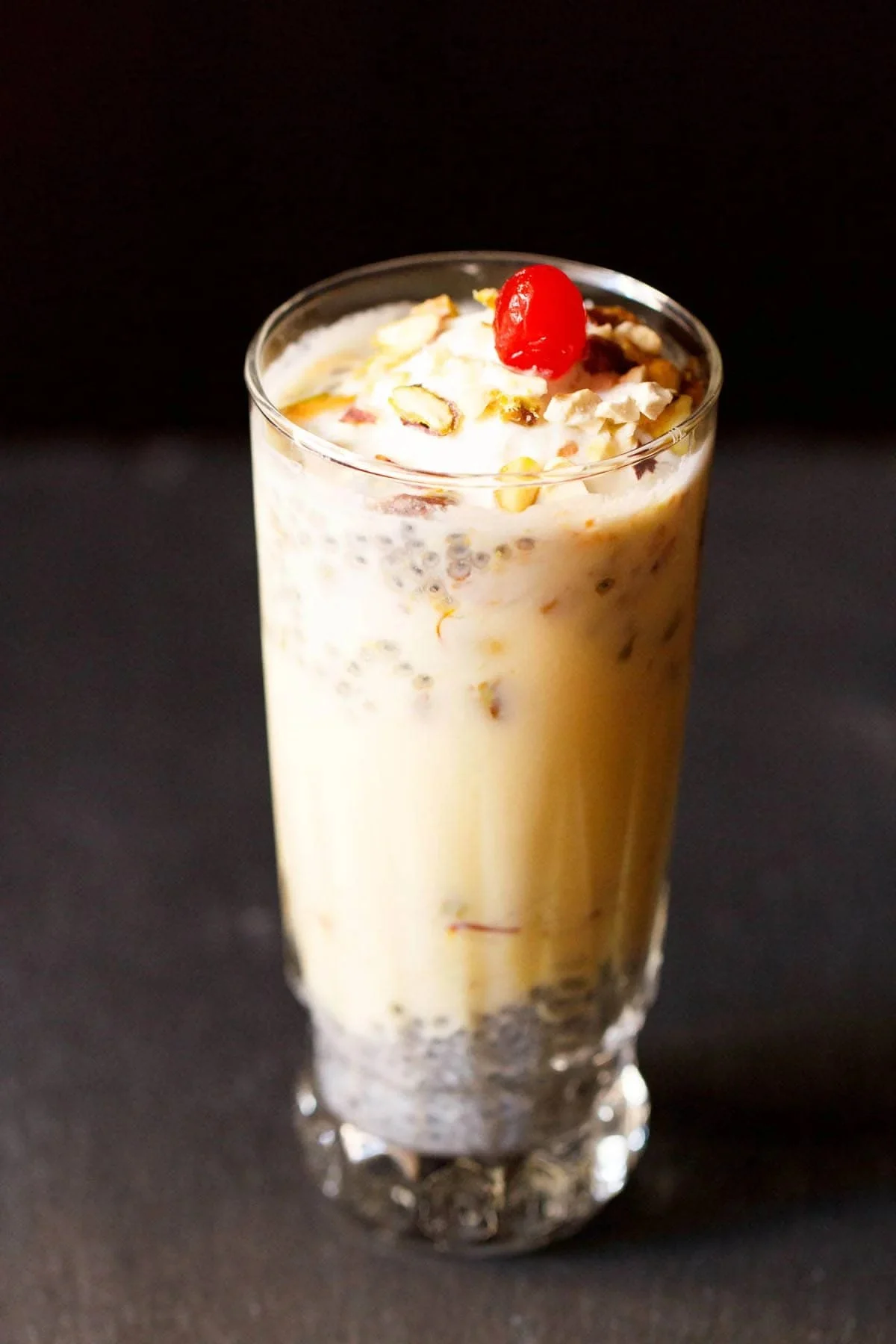
The Indian culinary landscape is a vast tapestry of flavors, but few items manage to bridge the gap between a refreshing beverage and an indulgent dessert as seamlessly as the Kesar Falooda. A sophisticated assembly of saffron-infused milk, translucent vermicelli, gelatinous basil seeds, and velvety ice cream, Kesar Falooda represents the pinnacle of Mughal-influenced dessert engineering. As summer temperatures soar across the Indian subcontinent and the Middle East, this chilled delicacy serves not only as a reprieve from the heat but as a celebratory staple of festive occasions.
Main Facts: The Anatomy of a Classic
Kesar Falooda is defined by its complexity of textures and its distinct olfactory profile. At its core, the dish is a layered "dessert-drink" that relies on the synergy of five primary components:

- Saffron (Kesar) Milk: The soul of the dish. Saffron, the world’s most expensive spice, provides a floral aroma and a regal golden hue.
- Falooda Sev: Specialized thin noodles made from cornstarch or arrowroot, though wheat and rice variants are common. These provide a soft, slippery contrast to the liquid base.
- Sabja Seeds (Sweet Basil Seeds): Often confused with chia seeds, these are prized in Ayurvedic medicine for their natural cooling properties. Once soaked, they develop a gelatinous outer layer.
- Ice Cream: Typically a scoop of vanilla or saffron-pistachio (Kesar Pista) ice cream is added to provide creaminess and maintain the drink’s frigid temperature.
- Garnishments: Coarsely crushed pistachios, almonds, and often a glazed cherry provide the final "crunch" and visual appeal.
Unlike many Western desserts that prioritize a uniform texture, Kesar Falooda thrives on "mouthfeel" diversity—the chewiness of the sev, the pop of the sabja seeds, and the silkiness of the melting ice cream.
Chronology: From Persian Roots to Modern Assembly
The Historical Evolution
The lineage of Falooda can be traced back to the Persian Faloodeh, a traditional cold dessert consisting of thin cornstarch noodles in a semi-frozen syrup of sugar and rose water. This concept traveled to India during the Mughal era (16th–19th centuries). Over centuries, the Indian palate adapted the recipe, transitioning it from a frozen noodle dish to a liquid-based beverage. The introduction of milk and local spices like saffron and cardamom transformed it into the "Falooda" recognized globally today.

The Preparation Process
The creation of an authentic Kesar Falooda is a time-sensitive sequence that requires precision in temperature management and hydration.
- Hydration Phase: The process begins with the preparation of the sabja seeds. These seeds require approximately 20 to 30 minutes of soaking in water to reach their full gelatinous potential. Simultaneously, the falooda sev is cooked. Depending on the starch base, this involves boiling until the noodles are al dente, followed by an immediate cold-water shock to prevent overcooking and clumping.
- Infusion Phase: The milk preparation is a delicate operation. Unlike a standard milkshake, the milk for Kesar Falooda is gently warmed—not boiled—with sugar and crushed saffron strands. This low-heat method allows the crocin (the pigment in saffron) to bleed out slowly, ensuring a deep golden color without scorching the dairy proteins. Cardamom powder and crushed pistachios are often introduced at this stage to build a multi-layered flavor profile.
- Assembly Phase: Culinary experts emphasize that the order of layering is paramount. The sabja seeds and sev are placed at the bottom of a tall glass, followed by ice cubes. The chilled saffron milk is then poured over the base. A second layer of seeds and sev is often added before the crowning scoop of ice cream is placed on top.
Supporting Data: The Science of Ingredients
The popularity of Kesar Falooda is supported by the functional properties of its ingredients, particularly in the context of tropical climates.

The Cooling Power of Sabja
Botanically known as Ocimum basilicum, sabja seeds are more than a textural additive. Data from traditional medicine suggests these seeds act as a natural coolant for the body. When they absorb water, they increase in volume and fiber content, which helps in digestion and provides a sensation of fullness. This makes the dessert surprisingly light despite its caloric density.
Saffron: The Gastronomic Gold
The inclusion of "Kesar" (saffron) elevates the dish from a common street food to a premium delicacy. It takes roughly 75,000 saffron blossoms to produce a single pound of the spice. Chemically, saffron contains safranal and crocin; the former provides the aroma, while the latter provides the color. In Kesar Falooda, the concentration of 25 to 30 strands per three servings is considered the "gold standard" for achieving a balanced flavor that does not become medicinal.

Texture and Viscosity
The use of cornstarch-based sev is a deliberate choice. Cornstarch noodles have a higher transparency and a smoother surface than wheat-based pasta, allowing them to carry the saffron milk in their crevices without absorbing too much liquid and becoming soggy.
Official Responses: Culinary Expert Perspectives
Leading pastry chefs and experts in Indian cuisine highlight the importance of "structural integrity" in a Falooda.

Chef Ananya Sen, a specialist in fusion desserts, notes: "The biggest mistake home cooks make is using hot milk. If the milk isn’t completely chilled before assembly, it melts the ice cream instantly and causes the falooda sev to lose its bite. A Kesar Falooda should be a slow experience; you eat the top with a spoon and sip the bottom with a wide-diameter straw."
Furthermore, nutritionists point out that while the dish is high in sugar, the inclusion of nuts and seeds provides a protein and fiber buffer. "It is a high-energy dessert," says nutritionist Dr. Rohan Mehta. "The combination of dairy fats and the fiber from basil seeds makes it a more sustainable energy source than a simple soda or syrup-based shaved ice."

In the commercial sector, major dairy brands in India, such as Amul and Mother Dairy, have responded to the dish’s popularity by launching "Kesar Falooda" flavored bottled drinks and ice creams. However, industry spokespeople admit that these processed versions rarely capture the "suspended" texture of the hand-assembled glass.
Implications: The Global Rise of Fusion Desserts
The enduring popularity of Kesar Falooda has significant implications for the global food and beverage market. As South Asian diasporas expand, Falooda is appearing on menus in London, New York, and Dubai, often rebranded as an "Exotic Saffron Parfait" or a "Botanical Milkshake."

Market Trends
The "Instagrammability" of the dish—with its vibrant yellow milk, dark seeds, and white ice cream—has made it a viral sensation on social media platforms. This visual appeal is driving a trend toward "layered beverages" in the Quick Service Restaurant (QSR) industry. We are seeing a convergence where the Persian origins, the Indian refinements, and Western presentation styles meet.
Health-Conscious Variations
The modern market is also seeing a shift toward healthier iterations of the Kesar Falooda. The "Implications" for the future include:

- Vegan Alternatives: The use of almond or oat milk infused with saffron to cater to the growing plant-based demographic.
- Natural Sweeteners: Replacing refined sugar with stevia or monk fruit to reduce the glycemic index of the dessert.
- Superfood Status: Rebranding sabja seeds as a "superfood" similar to chia, potentially increasing the dish’s appeal to the wellness community.
Conclusion
Kesar Falooda is more than just a sweet treat; it is a culinary monument to history and sensory science. By balancing the cooling properties of basil seeds with the warmth of saffron and the indulgence of dairy, it remains a masterclass in flavor engineering. As it continues to evolve from the royal courts of the Mughals to the digital screens of global foodies, the Kesar Falooda stands as a testament to the timeless appeal of well-crafted, traditional gastronomy. Whether enjoyed at a roadside stall in Mumbai or a high-end eatery in Manhattan, its golden glow remains a universal symbol of refreshment and luxury.
