

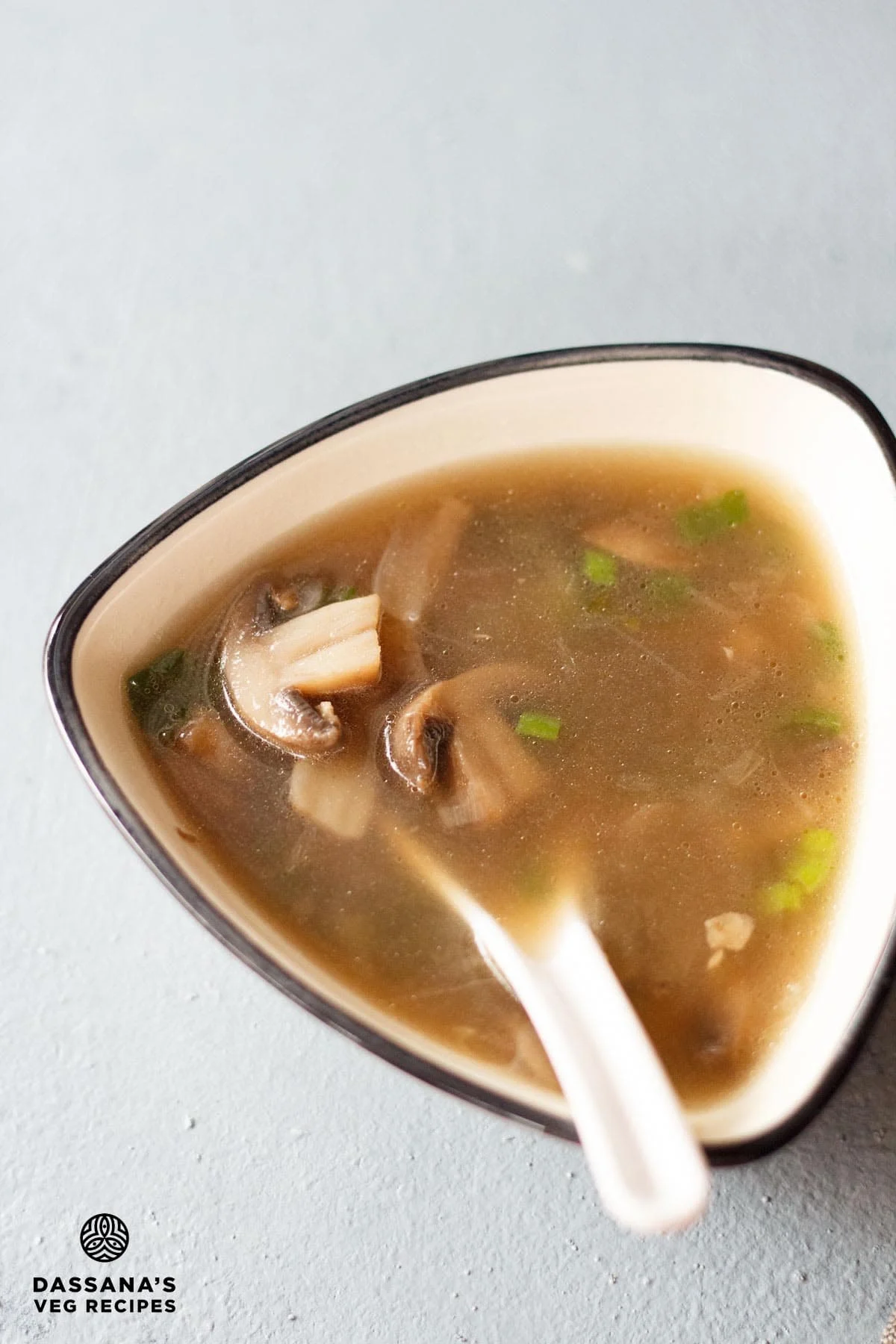
In an era characterized by the rapid acceleration of urban lifestyles and an increasing awareness of dietary health, the culinary world is witnessing a significant shift toward "functional minimalism." This movement, which prioritizes nutrient density, ease of preparation, and plant-based foundations, has found a quintessential representative in the Chinese Clear Mushroom Soup. Far from being a mere appetizer, this dish has emerged as a cornerstone for home cooks seeking a balance between the complex flavors of East Asian cuisine and the practical constraints of modern life.
This article explores the architectural makeup of this 30-minute vegan staple, its nutritional implications, and its broader significance within the global shift toward mindful eating.

Main Facts: The Anatomy of a Modern Classic
The Chinese Clear Mushroom Soup is defined by its transparency—both in its physical appearance and its ingredient list. Unlike the heavy, starch-laden soups often found in Westernized takeout menus, this preparation relies on a delicate infusion of aromatics and the "umami" profile of fungi.
Core Ingredients and Versatility
The recipe’s foundation rests on five pillars: fresh mushrooms, garlic, ginger, spring onions, and celery. While white button mushrooms are the standard due to their accessibility and mild flavor, culinary experts suggest that the dish serves as a canvas for a variety of edible fungi, including cremini, shiitake, and oyster mushrooms.

Dietary Accessibility
One of the most compelling facts about this dish is its inherent inclusivity. It is naturally vegan, catering to the growing global population reducing animal product consumption. Furthermore, by utilizing naturally fermented gluten-free soy sauce (tamari), the recipe is easily adapted for those with celiac disease or gluten sensitivities.
Efficiency in Execution
In a fast-paced economy, time is a premium commodity. The Chinese Clear Mushroom Soup addresses this by requiring only 30 minutes from preparation to service. This efficiency does not come at the cost of depth; the strategic layering of ingredients ensures a robust flavor profile that belies its short simmering time.

Chronology: The 30-Minute Culinary Lifecycle
The development of the soup follows a precise chronological sequence designed to maximize the extraction of volatile oils from aromatics and the savory juices from the vegetables.
Phase I: The Aromatic Foundation (Minutes 1–5)
The process begins with the heating of sesame oil over medium heat. This choice of fat is critical; sesame oil provides a toasted, nutty base that characterizes many East Asian broths. The introduction of finely chopped garlic and ginger serves as the "aromatic start." Sautéing these for a few seconds allows the heat to break down their cellular structures, releasing allicin and gingerol—compounds responsible for the soup’s medicinal undertones and pungent fragrance.

Phase II: Vegetable Integration (Minutes 6–10)
Following the aromatics, the whites of spring onions are introduced to the pan. By separating the whites from the greens, the cook ensures that the more fibrous part of the onion is softened and sweetened through sautéing, while the delicate greens are preserved for a fresh garnish at the end. The addition of sliced mushrooms and chopped celery marks the transition into the "body" of the soup. During these two minutes of sautéing, the mushrooms begin to release their moisture, concentrating their earthy flavor.
Phase III: The Infusion and Simmer (Minutes 11–25)
The introduction of three cups of water (or vegetable stock) transforms the sautéed base into a broth. For the first five minutes of simmering uncovered, the flavors begin to meld. It is during this stage that seasoning occurs: a teaspoon of soy sauce for salt and color, and half a teaspoon of black pepper for a lingering heat. The pan is then covered, allowing the soup to simmer for an additional 15 minutes. This "closed-environment" simmering is essential for tenderizing the mushrooms and ensuring the celery’s subtle freshness permeates the liquid.

Phase IV: Final Calibration and Service (Minutes 26–30)
The final stage involves the "adjustment of seasoning." The heat is extinguished, and a generous portion of chopped spring onion greens is stirred in. For those seeking a brighter profile, a splash of rice vinegar may be added. The soup is then served hot, either as a standalone light meal or paired with staples such as jasmine rice or Hakka noodles.
Supporting Data: Nutritional and Economic Analysis
To understand the soup’s popularity, one must look at the empirical data regarding its nutritional density and cost-effectiveness.

Nutritional Breakdown
Based on a standard two-serving preparation, the Chinese Clear Mushroom Soup is an exceptionally low-calorie option, providing approximately 69 kcal per serving. However, the value lies in its micronutrient profile:
- Potassium: 437 mg, essential for heart health and fluid balance.
- Vitamins: It is particularly rich in Vitamin K (60 µg) and Vitamin A (299 IU), alongside significant amounts of B-vitamins (Niacin, Riboflavin, and B6).
- Sodium Management: While the soup contains 781 mg of sodium (largely from soy sauce), the recipe allows for customization, enabling health-conscious individuals to use low-sodium alternatives.
- Fiber and Protein: Despite its light texture, it provides 4g of protein and 2g of fiber, contributing to a sense of satiety.
The "Water vs. Stock" Economic Advantage
A unique aspect of this specific recipe is its reliance on water rather than pre-packaged vegetable stock. From an economic and sustainability perspective, this reduces reliance on processed goods and lowers the cost per serving significantly. By leveraging the natural juices of the mushrooms and celery, the recipe proves that high-quality broth can be "home-built" using basic pantry staples.

Official Responses: Culinary and Health Perspectives
The trend toward clear, brothy soups has garnered praise from various sectors of the health and wellness industry.
The Dietitian’s View
"Clear soups like this Chinese mushroom broth are an excellent tool for weight management and hydration," says Dr. Elena Vance, a clinical nutritionist. "By focusing on ginger and garlic, you’re not just getting flavor; you’re getting anti-inflammatory benefits. The low caloric density allows for high volume consumption, which helps in appetite regulation without the heavy saturated fats found in cream-based soups."

The Chef’s Perspective
Executive Chef Marcus Thorne, a specialist in Asian-Fusion cuisine, emphasizes the technique: "The beauty of this dish is in the ‘sauté-then-simmer’ method. Many people make the mistake of just boiling vegetables in water. By sautéing the mushrooms and aromatics first, you develop the Maillard reaction—even if slightly—which adds a depth of flavor that defines professional-grade broth."
Environmental Advocacy
Environmental groups have also noted the benefits of such recipes. "The shift toward mushroom-based ‘umami’ is a win for the planet," notes a representative from the Global Plant-Based Alliance. "Mushrooms have a remarkably low environmental footprint compared to animal proteins, requiring minimal water and land to produce."

Implications: The Future of Home Cooking
The enduring appeal of the 30-minute Chinese Clear Mushroom Soup points toward several significant implications for the future of global food culture.
1. The De-mystification of "Authentic" Flavors
For decades, many home cooks felt that "authentic" Chinese soups required hours of simmering and rare ingredients. This recipe democratizes the process, proving that the spirit of the cuisine—balance, freshness, and aromatic intensity—can be achieved with common supermarket items.

2. The "Wellness as a Shortcut" Trend
As the "wellness" industry moves away from expensive supplements and toward whole foods, simple recipes are becoming the new luxury. The ability to create a restorative, vitamin-rich meal in half an hour is a powerful counter-narrative to the idea that healthy eating is time-consuming or expensive.
3. Adaptability in a Changing Climate
The recipe’s recommendation for consumption during "cold weather and the monsoon season" highlights the psychological comfort of warm liquids. As global weather patterns become more volatile, the demand for "comfort food" that doesn’t compromise health is expected to rise.

4. Integration into the "Meal Prep" Economy
Because the broth stores well and its flavors often deepen overnight, it fits perfectly into the modern "meal prep" culture. It serves as a base that can be transformed—one day it is a light starter, the next it is a hearty ramen-style bowl with the addition of noodles and tofu.
In conclusion, the Chinese Clear Mushroom Soup is more than a culinary instruction; it is a testament to the power of simplicity. By focusing on high-quality aromatics and the versatile mushroom, it offers a blueprint for the future of sustainable, healthy, and efficient home cooking. Whether served in a ceramic bowl on a rainy afternoon or as a quick weeknight dinner, it remains a masterclass in the art of the clear broth.
