

MADURAI – In a city where the culinary landscape is traditionally dominated by the rhythmic thumping of parotta makers and the pungent, spicy aroma of kari dosa, a new olfactory signature is beginning to emerge. Nestled in the bustling neighborhood of KK Nagar, Phil’s Bistro has embarked on an ambitious journey to diversify the Temple City’s palate. With the launch of its dedicated Thai Food Festival, the bistro is not merely serving meals; it is attempting a cultural transplant, bringing the intricate balance of Southeast Asian flavors to a population long accustomed to the robust, pepper-heavy traditions of Pandyan cuisine.
Main Facts: A New Gastronomic Horizon
The Thai Food Festival at Phil’s Bistro, located at 444, 9th Main Road, Managiri, marks a significant departure from the city’s standard dining fare. While Madurai has seen a proliferation of multi-cuisine restaurants in recent years, few have ventured into the specialized territory of authentic Thai gastronomy. The festival features a curated menu designed to introduce locals to the foundational pillars of Thai cooking: the harmonious interplay of sweet, sour, salty, and spicy.
Under the leadership of founder Philip Abraham, the bistro has curated a selection of dishes that range from the world-renowned Tom Yum soup to the complex, spice-laden Massaman Curry. The festival is priced competitively for the premium segment in Madurai, with a meal for two averaging approximately ₹1,500. This positioning targets the city’s burgeoning middle class and well-traveled professionals who are increasingly seeking global experiences within their home zip codes.
Key highlights of the festival include:
- Authentic Ingredient Sourcing: A commitment to using imported Thai pastes, sauces, and herbs to maintain flavor integrity.
- A Balanced Menu: A selection that caters to both vegetarians (Shiitake mushroom and tofu stir-fries) and non-vegetarians (shrimp and seafood-based dishes).
- Traditional Desserts: The inclusion of "Red Ruby" (Tub Tim Krob), a classic Thai dessert that challenges the local preference for heavy, milk-based sweets.
Chronology: From Concept to Culinary Execution
The journey to bring a Thai festival to Madurai was not an overnight decision. It followed a period of market observation by Philip Abraham and his team, who noted a growing fatigue with the "standard" Indo-Chinese and Continental menus prevalent in the city’s upscale eateries.
Phase 1: Market Research and Identification (Late 2025)
The management at Phil’s Bistro identified a gap in the market. While Madurai residents are adventurous with spice, their exposure to the "aromatic" spice profiles of Southeast Asia—lemongrass, galangal, and kaffir lime—was limited. The team spent months analyzing the feasibility of sourcing these perishable and specialized ingredients in a Tier-2 city.
Phase 2: Supply Chain Establishment (Early 2026)
Recognizing that local substitutes would dilute the authenticity of the cuisine, Abraham established a supply chain to import core ingredients. This involved securing reliable channels for authentic Thai fish sauce, shrimp paste, and specific varieties of bird’s eye chilies that provide the distinctive heat characteristic of Thai street food.
Phase 3: Menu Development and Staff Training (March 2026)
The kitchen staff underwent rigorous training to master the delicate techniques of Thai cooking, such as the rapid stir-frying required for Pad Thai and the slow-simmering process necessary for a rich Massaman base. Unlike Indian curries, which often rely on long-cooked onion and tomato bases, Thai curries require the careful emulsification of coconut milk with fresh spice pastes.
Phase 4: The Launch (April 2026)
The festival officially opened its doors to the public in mid-April, timed to coincide with the summer dining season. The response was immediate, drawing a mix of curious locals and expatriates living in the region.
Supporting Data: The Logistics of Flavor
The success of such a festival in a city like Madurai relies heavily on the "authenticity index." According to culinary industry data, the Thai food market in India is growing at a CAGR of approximately 12%, but this growth is largely concentrated in Tier-1 metros like Bengaluru, Mumbai, and Delhi. Bringing this to a Tier-2 city involves significant overhead.
The Import Factor
Approximately 60% of the dry ingredients and 40% of the specialty sauces used in the festival are imported. This is a crucial data point, as it explains the price point of ₹1,500 for two—a premium in the Madurai market. The use of imported Galangal (Thai ginger) and Kaffir lime leaves is essential because the domestic varieties grown in India often lack the high essential oil content required for the "zing" found in a traditional Tom Yum soup.
Flavor Profiles and Local Palates
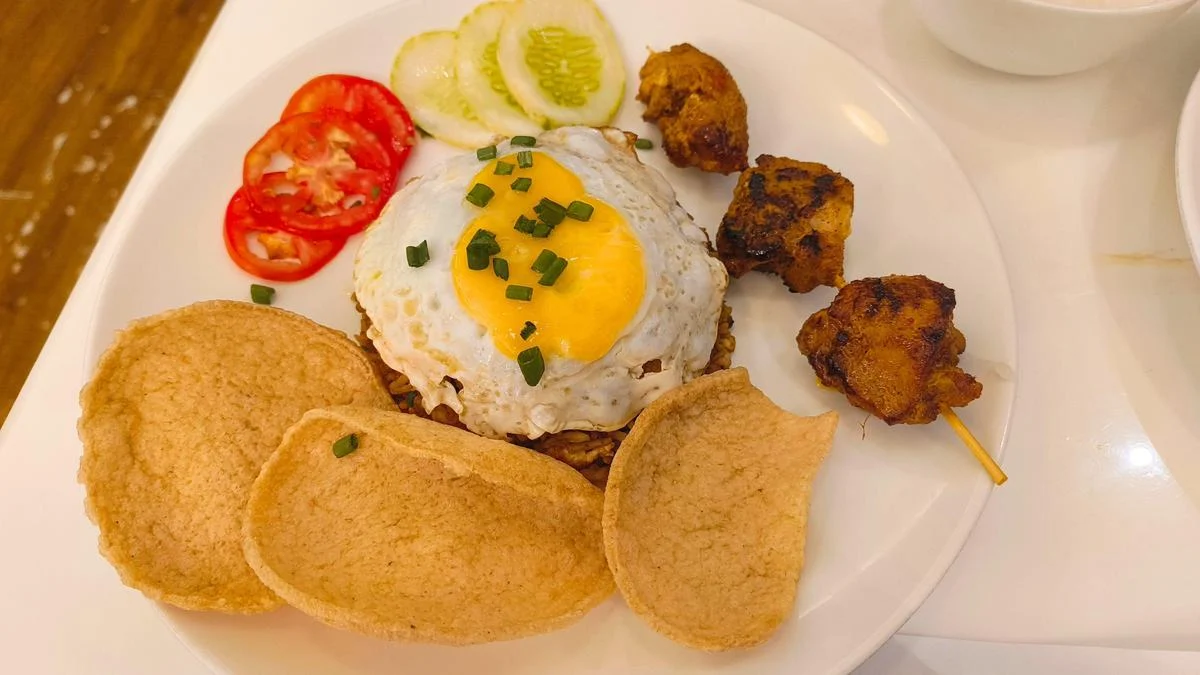
Phil’s Bistro has strategically chosen dishes that bridge the gap between Thai and Tamil flavors. The Nasi Goreng, while technically Indonesian, is a staple in Thai-adjacent dining and resonates with the local love for fried rice. However, the bistro adds a Thai twist by serving it with keropok (shrimp crackers) and a perfectly fried half-boiled egg, introducing a texture profile—crunchy, runny, and fluffy—that is relatively new to the local biryani-centric rice culture.
Nutritional Trends
The festival also taps into the "health-conscious" dining trend. Thai cuisine is inherently high in anti-inflammatory ingredients like turmeric, ginger, and lemongrass. By offering dishes like the Tofu and Shiitake mushroom stir-fry, Phil’s Bistro is catering to a demographic that is increasingly looking for "light" yet "flavorful" alternatives to the heavy, oil-rich traditional festive foods of the region.
Official Responses: The Founder’s Vision
Philip Abraham, the visionary behind Phil’s Bistro, remains realistic yet optimistic about the challenge of introducing a foreign cuisine to a traditional stronghold.
"Madurai is a city with a very deep-rooted food culture," Abraham noted during the festival’s launch. "People here know their flavors. However, that also means they are very discerning. We introduced this idea because we felt the city was ready to move beyond the usual. Most of the ingredients needed for authentic Thai flavors, including sauces and pastes, are imported because we didn’t want to offer a ‘fusion’ version. We wanted to offer the real thing."
Abraham emphasized that the bistro’s goal is education as much as it is service. "When we serve the Tom Kha soup, we have to explain the creaminess of the coconut milk and how it balances the spice. It’s a conversation with the customer. We are not just serving a bowl of soup; we are introducing a different way of thinking about heat and acidity."

The kitchen team also highlighted the technical challenges. "The heat management in Thai cooking is different," said a lead chef at the bistro. "In Madurai, we are used to the ‘slow burn’ of dried red chilies. In Thai cooking, we use fresh green and red bird’s eye chilies. It’s a sharp, immediate heat that clears the palate. Learning to balance that with the sweetness of palm sugar was a major part of our preparation."
Implications: Changing the Culinary Map of South India
The introduction of the Thai Food Festival at Phil’s Bistro has implications that extend far beyond a single menu.
1. The "Glocalization" of Tier-2 Cities
This event signifies the "Glocalization" of Madurai. As digital connectivity and travel increase, the expectations of residents in cities like Madurai are evolving. They no longer want to wait for a trip to Chennai or Bengaluru to experience international cuisines. The success of this festival could pave the way for other specialized international cuisines—such as Japanese or authentic Mediterranean—to find a home in the city.
2. Economic Diversification
By importing ingredients and focusing on niche markets, Phil’s Bistro is contributing to a more diverse local economy. It encourages a supply chain that can support high-end hospitality, potentially attracting more culinary talent to the region. If the demand for these ingredients remains steady, it could even encourage local farmers in the nearby Western Ghats to experiment with growing Southeast Asian herbs, creating a new agricultural niche.
3. Challenging the Monoculture of Spice
Madurai has long been a "monoculture" of spice, where the flavor profile is dominated by black pepper, cumin, and coriander. The Thai festival introduces the concept of "aromatic heat." This diversification of the palate has long-term health benefits and cultural implications, as it fosters a more cosmopolitan and inclusive food culture.
4. A Benchmark for Quality
By refusing to compromise on ingredients, Phil’s Bistro sets a new benchmark for quality in the local restaurant industry. It challenges the "budget-first" mentality that often limits the quality of international food in smaller cities. When customers pay ₹1,500 and receive a meal that features genuine imported water chestnuts in their Tub Tim Krob, it raises the bar for what is expected from other establishments in the area.
Conclusion: A Bold Step Forward
As the sun sets over the Meenakshi Amman Temple, just a few kilometers away from KK Nagar, the tables at Phil’s Bistro are filling up. The clinking of glasses and the vibrant colors of Nasi Goreng and Red Ruby desserts offer a glimpse into the future of Madurai’s dining scene. While the city will always be the home of the parotta, there is now, clearly, a seat at the table for the lemongrass-scented wonders of Thailand. Philip Abraham’s gamble on authenticity over adaptation appears to be paying off, proving that even in the most traditional of cities, there is always an appetite for something new, provided it is served with integrity and passion.
Fact Box: If You Go
- Location: Phil’s Bistro, 444, 9th Main Rd, Managiri, Madurai.
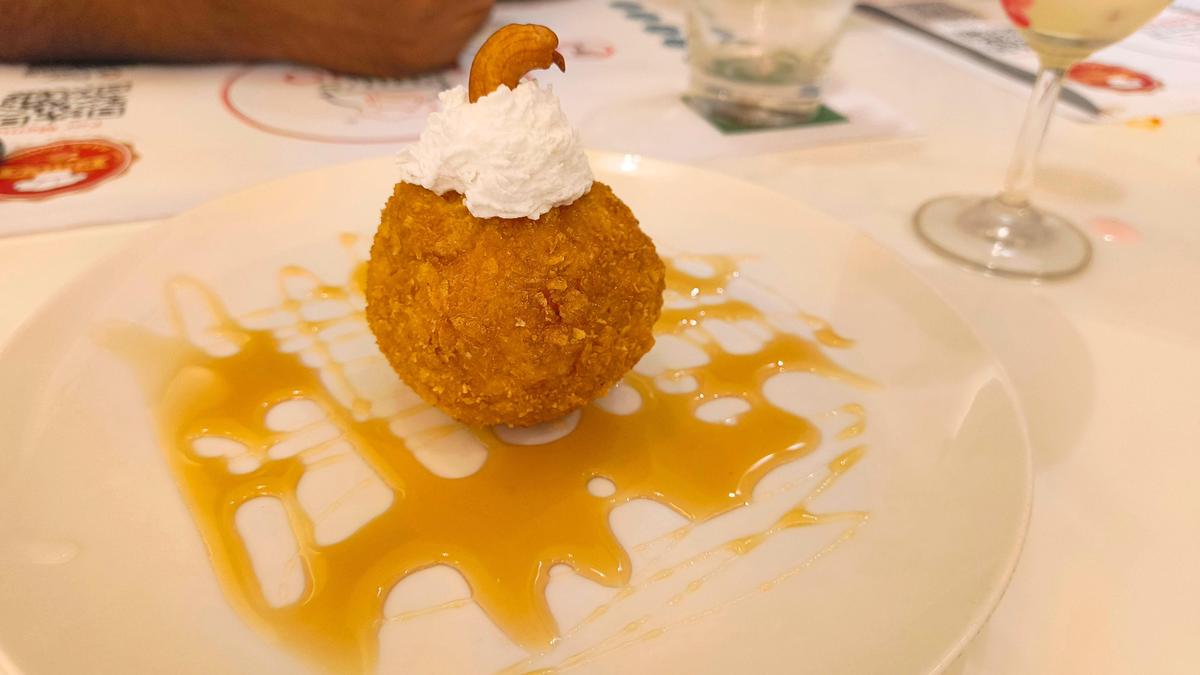
- Must-Try: Massaman Curry and the Crispy Fried Ice Cream.
- Average Cost: ₹1,500 for two people.
- Best For: Adventurous diners and those looking for a break from traditional South Indian fare.
