

Main Facts: A City Preparing for the Global Stage
As Boston prepares to step onto the world stage as a host city for the FIFA World Cup 2026, the city’s culinary identity is undergoing a rigorous self-examination. Known historically as the "Cradle of Liberty," Boston is increasingly being recognized as a premier global food destination. With seven matches scheduled to take place at the Boston Stadium (Gillette Stadium), including a high-stakes quarter-final, the city is bracing for an influx of international visitors who will seek more than just the standard stadium fare of hot dogs and soft pretzels.
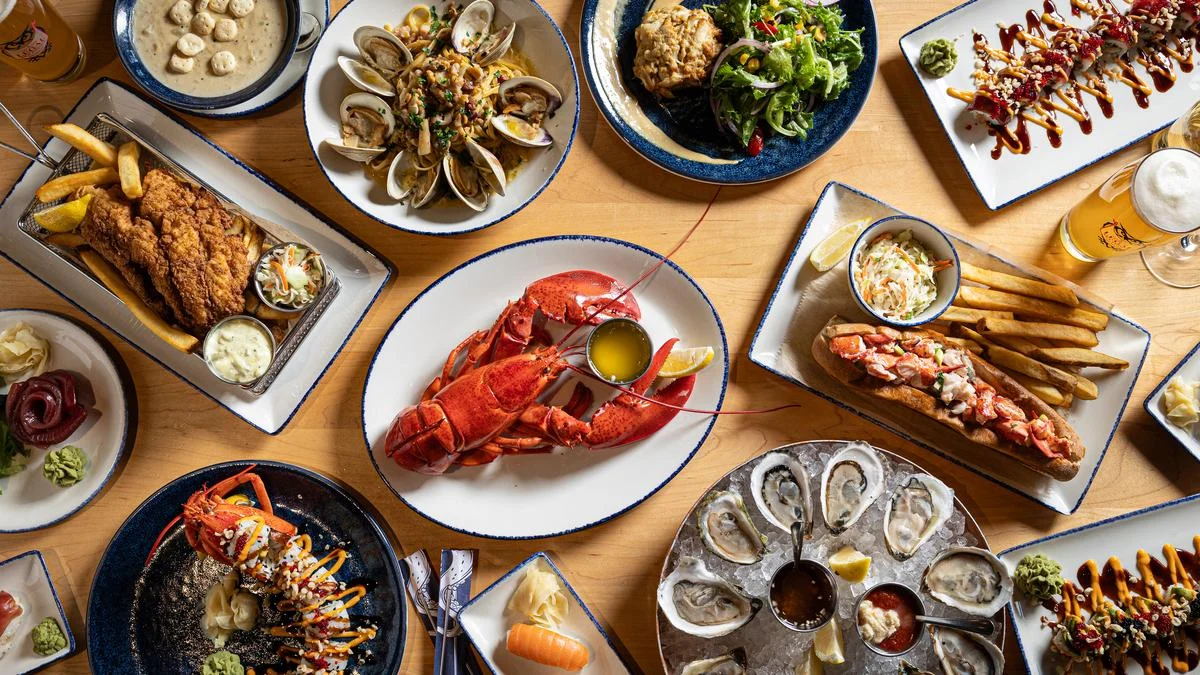
The core of Boston’s appeal lies in its duality: the seamless blending of centuries-old maritime traditions with a cutting-edge, innovative dining scene. From the buttery, decadent lobster rolls of the waterfront to the sophisticated, Michelin-recommended pastas of the Back Bay, Boston’s food landscape is a reflection of its history and its future. The upcoming World Cup serves as a catalyst for the city to showcase its regional staples—clam chowder, oysters, and locally sourced seafood—while highlighting the diverse, immigrant-driven flavors that define its modern neighborhoods.
Chronology: From 1826 to the Modern Skyline
To understand the Boston palate is to trace the city’s history through its kitchens. The chronological journey of the city’s food scene begins in the early 19th century and culminates in the rooftop glamour of the 21st century.

The Foundation of Tradition (1826–1897)
The timeline of American dining is incomplete without the Union Oyster House. Established in 1826 in a pre-revolutionary building on Union Street, it holds the distinction of being the oldest continually operating restaurant and oyster bar in the United States. In 1897, it introduced its iconic semi-circular Oyster Bar, where "bench opened" oysters became a staple for locals and travelers alike. This era established the "New England style"—uncomplicated, fresh, and focused on the bounty of the North Atlantic.
The Rise of the Seafood Institution (Mid-20th Century)
As the city expanded, so did its commitment to quality control and seafood logistics. Legal Sea Foods, which began as a fish market in Cambridge in 1950, eventually evolved into a flagship institution. By the late 20th century, its Harborside location became a symbol of Boston’s maritime pride, offering a standardized yet high-quality experience that introduced millions of visitors to the nuances of the lobster roll.
The Modern Renaissance (2010–Present)
In the last decade, the city has seen a shift toward "elevated comfort." Restaurants like Harvest in Harvard Square have redefined New England cuisine by focusing on hyper-local purveyors and farmers. This period also saw the rise of chef-driven concepts like Mooncusser and Contessa, where global techniques—from Italian pasta-making to Trinidadian spice profiles—are applied to local ingredients. This evolution has caught the attention of the Michelin Guide and the James Beard Foundation, signaling Boston’s transition from a regional hub to a world-class gastronomic center.

Supporting Data: The Anatomy of the Boston Menu
The data supporting Boston’s culinary reputation is found in its meticulous preparation of regional ingredients. The city’s "food icons" are not merely dishes; they are technical achievements in texture and flavor.
The Clam Chowder Standard
At Harvest, the New England Clam Chowder serves as a benchmark for the region. Unlike thinner, broth-based versions found elsewhere, the Boston standard is rich with heavy cream and fortified with potatoes and bacon. Data from local purveyors suggests that the inclusion of aromatics like leeks and celery is what separates a "tourist" chowder from a "chef’s" chowder, providing a necessary brightness to counteract the heavy fats.
The Lobster Roll Dichotomy
Boston serves as the primary battleground for the two competing styles of lobster rolls:

- The Maine Style: Served chilled, the lobster meat is lightly tossed in mayonnaise and served on a cold bun. This style emphasizes the sweetness of the cold-water meat.
- The Connecticut Style: Served warm, the lobster is poached in butter and served on a toasted, golden-brown roll.
At Legal Sea Foods, the Connecticut style remains a top seller, utilizing locally sourced lobster that is "glossy with butter." This dish represents a significant portion of the city’s seafood revenue during the summer months.
The Union Oyster House Volume
The scale of operations at historic venues is staggering. According to John Paul, the manager at Union Oyster House, the restaurant can accommodate 500 diners at once. The establishment goes through "hundreds and hundreds of pounds" of fresh-baked cornbread daily. The "Kennedy Booth" (Booth 18), where John F. Kennedy dined every Sunday, remains the most requested seat in the city, blending political history with culinary consumption.
Official Responses and Expert Insights
To gain a deeper understanding of where the city is headed, we look to the figures currently shaping the industry.
The Manager’s Perspective: John Paul
John Paul, who rose from a busboy to manager over an 11-year career at the Union Oyster House, describes the restaurant as a "living museum." He emphasizes that while the history draws people in, the consistency of the product—specifically the freshly shucked oysters and the Sam Adams Colonial Ale (curated specifically for the house)—is what maintains their status. Paul notes that the restaurant remains "always packed," suggesting that even in an era of TikTok-driven food trends, there is an insatiable appetite for authentic heritage.

The Chef’s Perspective: Carl Dooley
Chef Carl Dooley of Mooncusser, a Michelin-recommended establishment, provides a more nuanced "insider" view. A James Beard nominee and Top Chef finalist, Dooley argues that visitors often miss the true innovation happening in the city’s outskirts.
"Maybe visitors come here for history, but then hopefully they realize the innovation, the arts, and definitely the food scene while here," Dooley states. He points toward the Salvadoran influence in East Boston—specifically the pupusas at La Reina—and the Trinidadian flavors at Singh’s Roti Shop in Dorchester as the "real" Boston comfort food. Dooley’s insights suggest that the city’s culinary future is increasingly multicultural, moving beyond the traditional Anglo-centric seafood narrative.
Implications: Tourism and the 2026 World Cup
The implications of Boston’s culinary readiness are significant for the 2026 FIFA World Cup. While the games will be played at the Gillette Stadium in Foxborough, the economic impact will be felt most acutely in Boston’s downtown and waterfront districts.

The "World Cup Effect" on Hospitality
The city’s ability to secure "tough reservations" like Contessa will be a major talking point for international visitors. Contessa, located atop the Newbury Hotel, represents the "new" Boston—an Art Deco-inspired rooftop trattoria that offers views of the Public Garden alongside high-end dishes like Spicy Lobster Capellini and Wild Boar Ragu. The demand for these experiences is expected to triple during the World Cup window.
Infrastructure and Accessibility
Chef Dooley’s recommendation for visitors to use "Blue Bikes" to traverse the Charles River into Cambridge highlights a growing trend in urban tourism: the desire for an active, decentralized experience. As the city prepares for millions of fans, the integration of transportation and dining—moving from the historic North End to the "Brooklyn-vibe" of Allston—will be crucial for the city’s success.
Conclusion: A Legacy Beyond the Pitch
The 2026 World Cup is more than a sporting event for Boston; it is a rebranding opportunity. By leveraging its historical landmarks like the Union Oyster House and its modern icons like Contessa, Boston is positioning itself as a city that can feed the world.

As football fans descend upon the city, they will find that Boston’s true "luck" doesn’t come from rubbing the boot of the John Harvard statue. Instead, it is found in the kitchens of chefs who are honoring the Atlantic’s bounty while embracing the global flavors of the 21st century. Whether it is a 44-pound stuffed lobster on a wall or a delicate bowl of angel hair pasta tangled with Calabrian chili, Boston’s menu is ready for its close-up. The "Cradle of Liberty" is now, undeniably, a cradle of flavor.
