

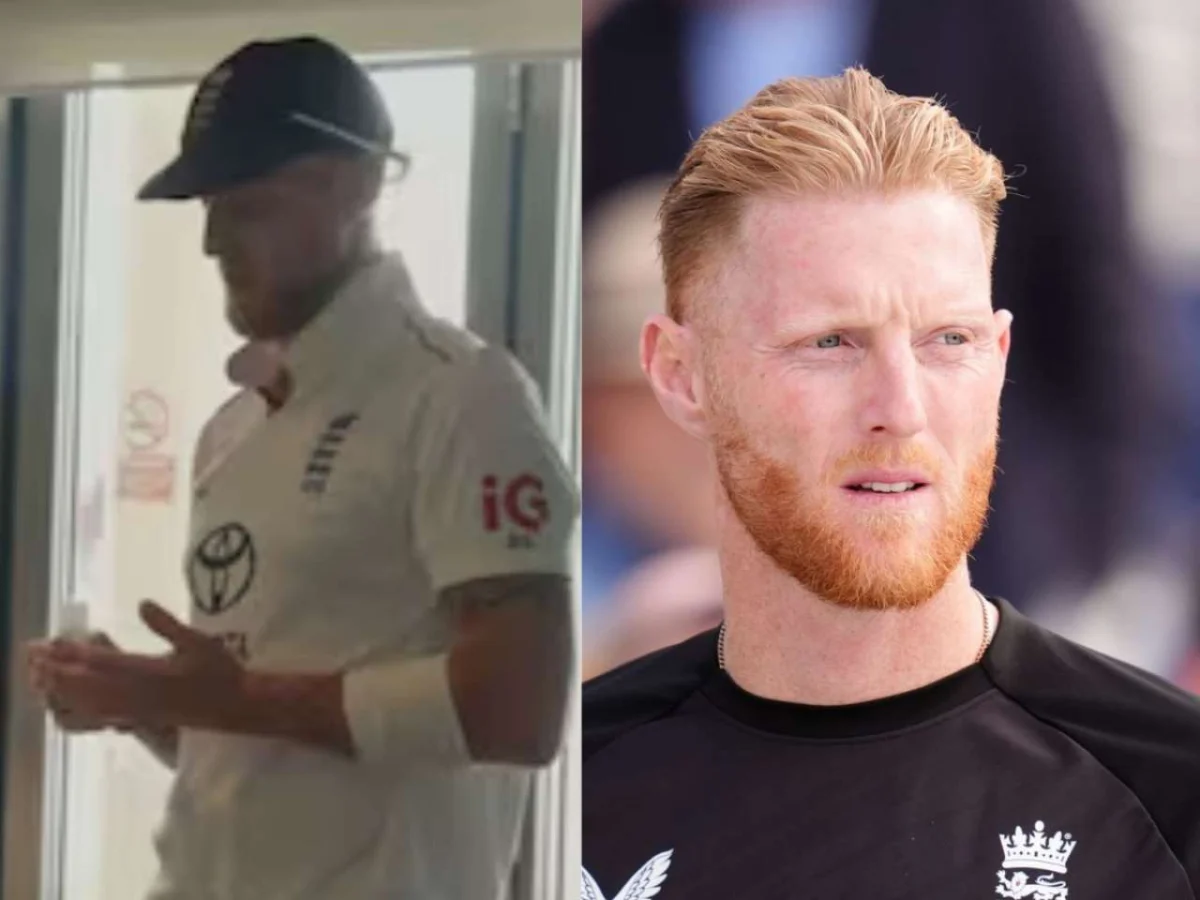
London, UK – A single, cryptic two-word social media post from former England captain Ben Stokes has plunged English cricket into a fresh maelstrom of debate and speculation. "Sack him…", tweeted by Stokes, accompanied a report detailing an alleged investigation by the International Cricket Council (ICC) into the England and Wales Cricket Board (ECB) over its decision to release sensitive dressing-room footage of Stokes’ retirement announcement. This unfolding saga raises significant questions about player privacy, media protocols, and the delicate balance between commercial imperatives and the sport’s regulatory framework.
The incident, stemming from Stokes’ emotional farewell during the Trent Bridge Test against New Zealand, has quickly escalated from a poignant moment into a potential governance crisis, casting a long shadow over the ECB as it navigates a period of significant transition, including the search for a new Test captain.
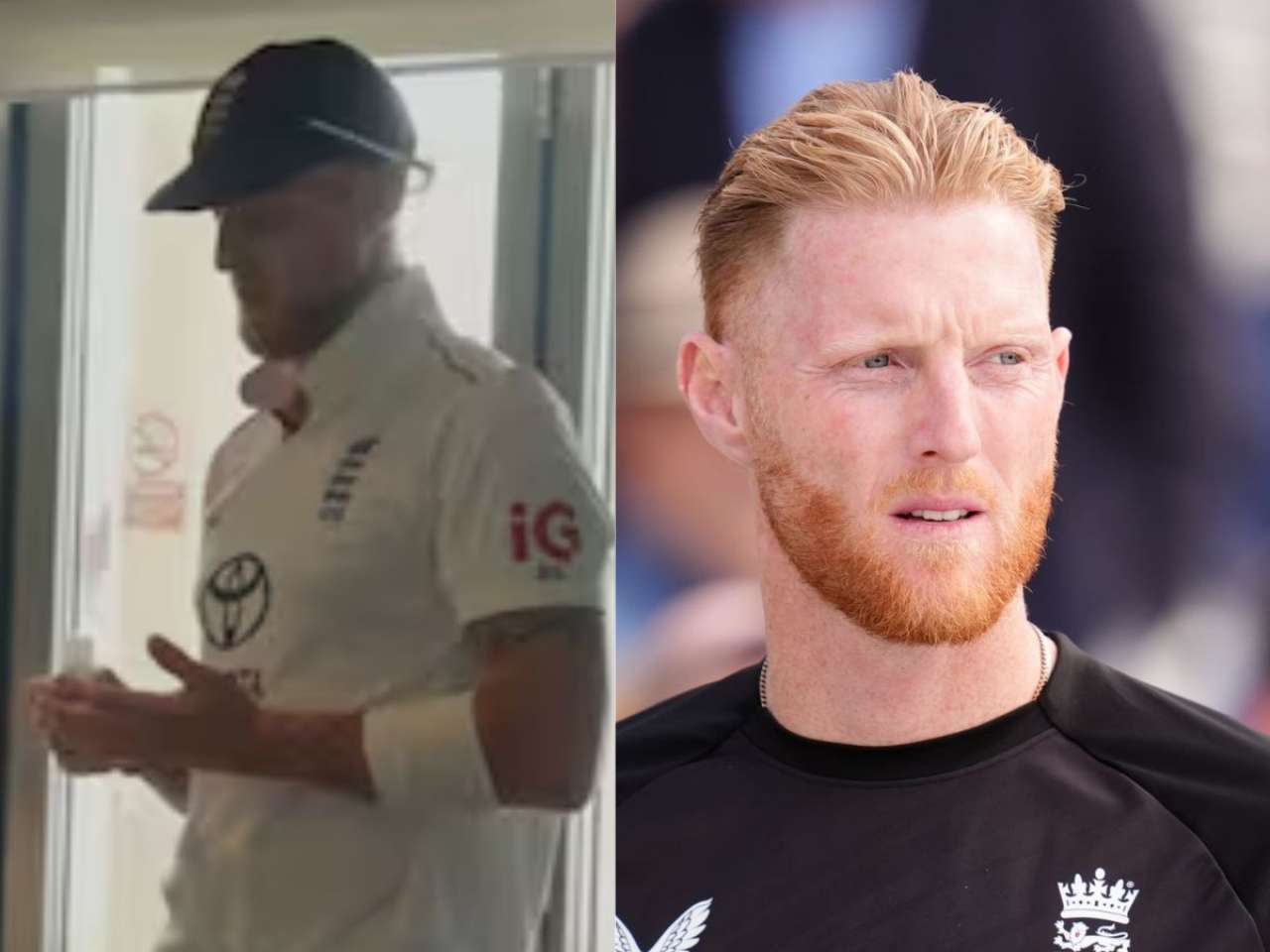
Main Facts: A Cryptic Post and an ICC Probe
The heart of the current controversy lies in two interconnected developments. Firstly, Ben Stokes, one of England’s most influential cricketers of recent times, made a succinct yet highly provocative statement on social media. His post, "Sack him…", was shared alongside a BBC report alleging that the ICC was investigating the ECB. This instantly ignited a firestorm of speculation among fans and pundits alike, with many interpreting it as a direct expression of frustration or a hint at deeper tensions surrounding his retirement.
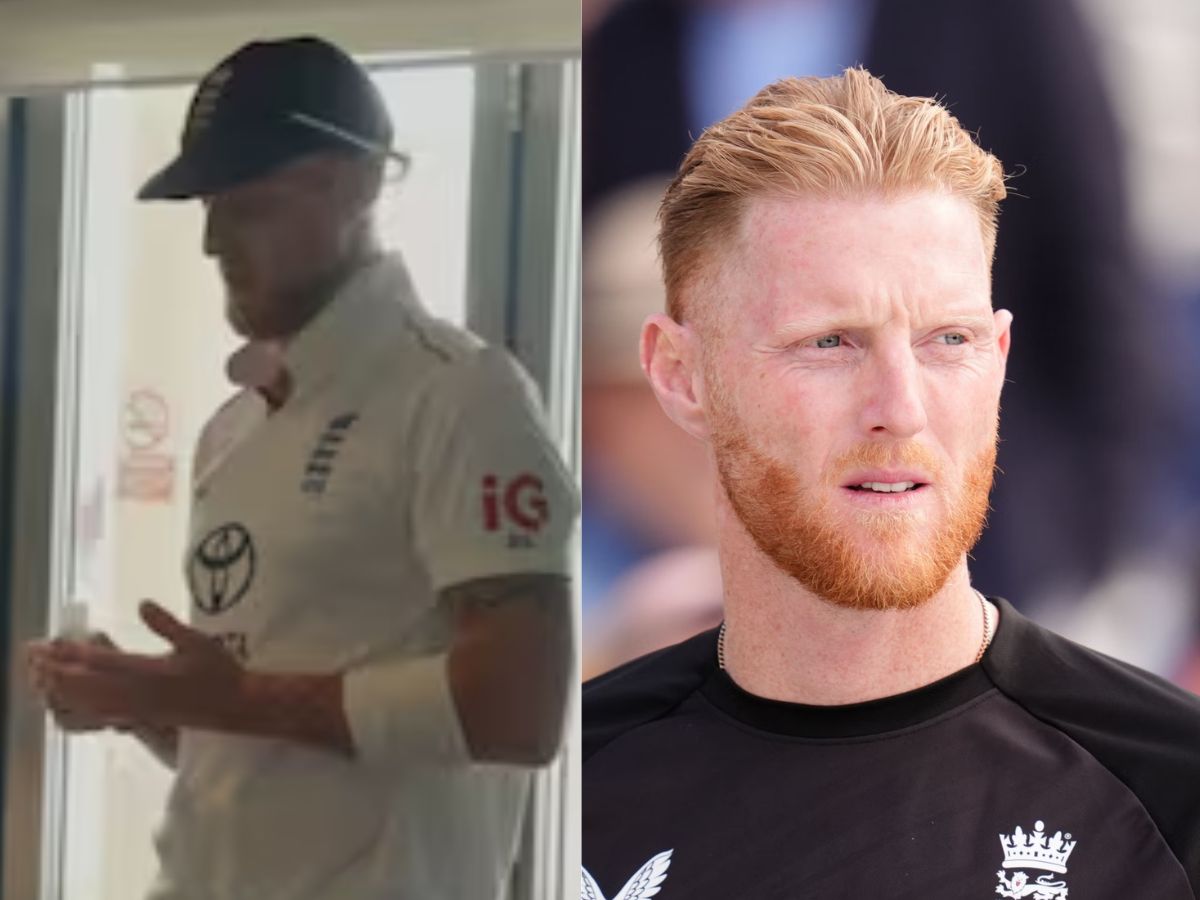
Secondly, and more consequentially for the ECB, the ICC is reportedly scrutinizing the board’s decision to disseminate footage from the England dressing room during Stokes’ retirement announcement. The core allegation revolves around a potential breach of the ICC’s stringent Players’ and Match Officials’ Areas (PMOA) minimum standards. These regulations are designed to protect the integrity and sanctity of the players’ inner sanctum, specifically prohibiting certain types of recording and broadcast activity within these sensitive zones. The timing and nature of the ECB’s release of the footage – which included audio and was made public while the Trent Bridge Test match was still in progress – are central to the ICC’s reported inquiry.
)
This dual development places the ECB in a precarious position, facing both public scrutiny fueled by a beloved player’s enigmatic comment and a formal inquiry from the sport’s global governing body. The confluence of these events has reignited dormant debates about the pressures faced by modern cricketers, the commercialization of sports content, and the ethical boundaries of media dissemination within professional sports.
Chronology of Events: From Farewell to Firestorm
The chain of events leading to the current situation unfolded rapidly, transforming a heartfelt moment of farewell into a matter of international sporting governance.

June 2026: Ben Stokes’ Retirement Announcement
The catalyst for the entire controversy was Ben Stokes’ unexpected decision to retire from international cricket during the Trent Bridge Test match against New Zealand. As one of the most dynamic and impactful all-rounders of his generation, his departure sent shockwaves through the cricketing world.
Day Four, Trent Bridge Test: The Dressing Room Revelation
On the fourth morning of the Trent Bridge Test, Stokes gathered his teammates in the sanctity of the England dressing room. In an undoubtedly emotional and private moment, he conveyed his decision to step away from the international arena. This intimate address, intended for his peers and support staff, marked the culmination of a significant chapter in his career.
)
ECB’s Swift Media Release (During Match Play)
Crucially, shortly after Stokes’ address to his teammates, and critically, before the Trent Bridge Test match had concluded, the England and Wales Cricket Board released video footage of this dressing-room announcement. The footage, which included audible remarks from Stokes and his teammates, was distributed across social media platforms and provided to broadcasters. This immediate dissemination of such a deeply personal and private moment, while the match was still underway, would later become the focal point of the ICC’s reported investigation.
Stokes’ Final International Bow
Following his emotional announcement, Stokes played out the remainder of his international career in the Trent Bridge Test. He notably dismissed New Zealand’s Zak Foulkes with his very next ball after informing his teammates of his decision, delivering a poignant final act before bowing out of the international game the following day.
)
July 9, 2026: The "Sack Him…" Post
Weeks after his retirement, the BBC published a report detailing the ICC’s alleged investigation into the ECB regarding the aforementioned dressing-room footage. On the same day, Ben Stokes shared this report on his personal social media account (specifically, X, formerly Twitter), adding only the two stark words: "Sack him…" This post instantly went viral, triggering a wave of speculation and drawing renewed attention to the circumstances surrounding his retirement and the ECB’s actions.
Reported ICC Contact with ECB
According to the BBC report cited by Stokes, the International Cricket Council formally contacted the ECB, alleging a breach of its Players’ and Match Officials’ Areas (PMOA) minimum standards. This contact initiated the formal process of inquiry into the matter, elevating it from public discussion to a regulatory concern.
)
The rapid succession of these events underscores the sensitivity of media handling in elite sport and how seemingly minor decisions can quickly escalate into major controversies, particularly when they involve high-profile athletes and the governing bodies responsible for their welfare and the sport’s integrity.
Supporting Data and Context: Unpacking the Regulations and Ramifications
The reported ICC investigation is rooted in specific regulations designed to uphold the integrity and professional standards of international cricket. Understanding these rules and the broader context is crucial to grasping the gravity of the situation.
)
The PMOA Rules Explained: Sanctuaries and Safeguards
The Players’ and Match Officials’ Areas (PMOA) are designated zones within a cricket venue, encompassing dressing rooms, team lounges, and other private spaces accessible only to players, support staff, and accredited officials. The ICC’s PMOA minimum standards are a comprehensive set of guidelines governing activity within these areas, particularly concerning media and broadcasting.
Key tenets of these rules, as reportedly breached by the ECB, include:
)
- Prohibition of Fixed or Temporary Recording Equipment for Broadcast Purposes: The rules explicitly state that recording equipment intended for broadcast or public dissemination is not permitted within dressing rooms. This is to ensure a private and secure environment for players.
- No Audio Recording: Footage captured in players’ areas should generally not include audio. This protects sensitive conversations, tactical discussions, and personal moments from being inadvertently or intentionally broadcast, preserving confidentiality.
- No Pre-Match-End Release: Crucially, the regulations stipulate that any footage taken in players’ areas, even if compliant with other rules, should not be released before the conclusion of the match. This prevents distractions, maintains focus on the ongoing game, and preserves the integrity of the competitive environment.
The ECB’s alleged actions—releasing video footage with audio from the dressing room, for broadcast purposes, and doing so while the Trent Bridge Test match was still actively being played—appear to contravene multiple aspects of these fundamental PMOA guidelines.
The Anti-Corruption Framework: Why Privacy Matters
The PMOA rules are not merely about privacy or aesthetics; they are an integral component of the ICC’s broader anti-corruption framework. The rationale behind these strict guidelines is multifaceted:
)
- Preventing Undue Influence: Maintaining the sanctity of the dressing room as a private space helps to prevent external influences, including potential corruptors, from gaining access or insight into team dynamics, player moods, or confidential information that could be exploited for illicit purposes.
- Safeguarding Player Welfare: Players are under immense pressure, and the dressing room serves as a sanctuary where they can be themselves, express emotions, and discuss tactics without fear of public scrutiny or commercial exploitation. Breaching this privacy can undermine trust and create an environment of unease.
- Maintaining Sporting Integrity: The flow of information, particularly during an ongoing match, must be tightly controlled to prevent any party from gaining an unfair advantage or influencing betting markets. Premature release of footage, especially with audio, could inadvertently provide information that could be misused.
- Confidentiality of Tactical Discussions: Team strategies, player fitness updates, and internal discussions are confidential. Unauthorized recording and release risk exposing this sensitive information, potentially compromising team performance and competitive fairness.
By reportedly broadcasting Stokes’ emotional address before the Trent Bridge Test finished, the ECB is alleged to have contravened standards specifically designed to support the sport’s integrity, highlighting the seriousness of the ICC’s potential findings.
Stokes’ Retirement Statement: A New Perspective
When Ben Stokes initially announced his retirement, his public statements emphasized that the timing and decision were "planned jointly by his management team and the ECB." This conveyed an image of amicable and well-coordinated departure. However, his recent "Sack him…" post, coming amidst reports of the ICC investigation, casts a new light on that initial narrative. It introduces the possibility that while the decision to retire itself might have been jointly planned, the subsequent handling of the announcement, particularly the media strategy employed by the ECB, may have caused considerable friction or dissatisfaction behind the scenes. The cryptic nature of his post allows for broad interpretation, fueling speculation that his farewell was perhaps not as entirely harmonious as initially presented.
)
Public Reaction & Speculation: Divided Interpretations
Stokes’ two-word post immediately went viral, sparking a vigorous debate across social media and cricketing forums. Fan reactions have been sharply divided:
- "Just a Joke" Camp: Some fans and commentators interpret "Sack him…" as typical Ben Stokes banter – a playful, perhaps sarcastic, jab that shouldn’t be taken too seriously. They view it as a lighthearted comment amidst a serious situation, perhaps reflecting his personality.
- "Hint of Frustration" Camp: A significant portion, however, sees the post as a clear indicator of deep-seated frustration or anger. They speculate that "him" refers to a specific individual within the ECB responsible for the media decision, or perhaps even a broader critique of the board’s approach to player welfare and media management. This interpretation suggests that Stokes felt genuinely aggrieved by the release of his private moment.
The ambiguity allows for both interpretations, but the sheer volume of discussion underscores the power of a high-profile athlete’s public statement and the immediate impact it can have on public perception of governing bodies. The incident has undoubtedly fueled questions about whether Stokes’ retirement was entirely his own call, free from external pressures or frustrations with the administrative side of English cricket.
)
Commercial Pressures and the Content Conundrum
Beyond the regulatory breaches, this incident also highlights the intense commercial pressures faced by modern sports organizations. In an era of increasing demand for exclusive, behind-the-scenes content, sports boards like the ECB are constantly seeking ways to engage fans, enhance viewership, and generate revenue. The retirement of a player of Stokes’ stature is a major media event, and the impulse to capture and immediately share such a poignant moment is understandable from a commercial standpoint.
However, the ICC’s reported investigation serves as a stark reminder that these commercial imperatives must always be balanced against the foundational principles of sporting integrity, player welfare, and regulatory compliance. The desire for compelling content cannot supersede the rules designed to protect the sport itself and the individuals who play it. This incident could set a precedent for how governing bodies approach content creation and dissemination in the future, particularly regarding private moments involving athletes.
)
Official Responses and the Weight of Silence
In the wake of the unfolding controversy, a notable and somewhat conspicuous silence has emanated from both the primary parties involved. Neither the England and Wales Cricket Board (ECB) nor the International Cricket Council (ICC) has issued any public statement or comment regarding the alleged investigation or Ben Stokes’ cryptic social media post.
This official silence, while perhaps strategically prudent for the organizations involved, carries its own weight and significance.
)
For the ECB: A lack of public comment is often indicative of an ongoing internal review or an active external investigation. Any premature statement could prejudice the inquiry, reveal sensitive information, or be misconstrued. However, remaining silent also means allowing speculation to fester and public perception to be shaped by external reports and a player’s ambiguous tweet. It suggests the ECB is either carefully formulating its response, deeply entrenched in addressing the ICC’s queries, or awaiting the formal outcome of the investigation before making a public declaration. The challenge for the ECB is to manage its public image amidst these allegations, particularly when a national hero like Stokes appears to be expressing dissatisfaction.
For the ICC: The global governing body’s silence is equally telling. It suggests that the investigation is indeed active and being handled with the utmost discretion and seriousness. The ICC, as the custodian of the sport’s rules and integrity, must be seen to act impartially and thoroughly. Public comment from the ICC would likely only occur once an investigation is concluded, findings have been formally presented to the ECB, and any potential sanctions have been decided. Their silence reinforces the notion that this is a formal process, not merely a media-driven discussion. It also underscores the importance of the PMOA rules and the ICC’s commitment to enforcing them rigorously.
)
The absence of official commentary, therefore, serves to intensify the focus on the reported facts and Ben Stokes’ reaction. It creates a vacuum that is readily filled by media analysis, fan speculation, and a heightened sense of anticipation regarding the eventual outcome of the ICC’s probe. The cricket world awaits clarity, and the longer the silence persists, the more significant any eventual official statements are likely to be.
Implications and Future Outlook: A Sporting Crossroads
The reported ICC investigation into the ECB, coupled with Ben Stokes’ provocative social media intervention, places English cricket at a significant crossroads, with wide-ranging implications for governance, player relations, and media strategy.
)
Impact on the ECB: Sanctions and Reputational Damage
Should the ICC’s investigation confirm a breach of PMOA regulations, the ECB could face a range of potential sanctions. These might include:
- Fines: Financial penalties are a common form of sanction for regulatory breaches.
- Formal Warnings or Reprimands: A formal censure that serves as a deterrent against future non-compliance.
- Restrictions on Future Media Activities: The ICC could impose specific limitations on how the ECB handles media access or content dissemination in sensitive areas.
- Reputational Damage: Beyond formal sanctions, the incident undoubtedly inflicts reputational harm on the ECB. Being found in breach of rules designed to protect players and the sport’s integrity is a serious blow to public trust and its standing within the global cricketing community. It could lead to increased scrutiny from stakeholders, including sponsors and government bodies.
- Internal Review of Media Protocols: Regardless of external sanctions, the ECB will almost certainly be compelled to conduct a thorough internal review of its media and communications protocols, particularly concerning player welfare, privacy, and the handling of sensitive moments.
Impact on the ICC: Upholding Authority
For the ICC, this investigation is an opportunity to reinforce its authority as the sport’s global governing body. By rigorously enforcing its PMOA rules, the ICC sends a clear message that integrity and regulatory compliance are paramount, even for prominent member boards. A decisive and transparent handling of this case would strengthen the ICC’s position and set a precedent for how similar situations are addressed in the future, demonstrating its commitment to protecting the sport’s anti-corruption framework.
)
Impact on Player-Board Relations: A Test of Trust
The incident poses a significant challenge to the relationship between players and governing bodies, not just in England but potentially globally. Moments of retirement, injury, or personal reflection are deeply sensitive. If players perceive that their privacy is being compromised for commercial gain or without their full consent, it can erode trust. Ben Stokes’ "Sack him…" post, regardless of its ultimate interpretation, highlights a potential disconnect between player expectations of privacy and a board’s media strategy. This could lead to:
- Tighter Player Contracts: Future player contracts might include more explicit clauses regarding media rights, privacy, and content usage, particularly for personal moments.
- Increased Player Advocacy: Player associations may become more vocal in advocating for stricter adherence to privacy protocols and greater player input on how their personal moments are used for public consumption.
- Erosion of Trust: A sustained lack of clarity or a perception of mishandling could damage the crucial trust dynamic between players and the board, impacting team morale and overall professional relationships.
Future of Dressing Room Access and Media Ethics
This controversy is likely to prompt a wider re-evaluation of media access to dressing rooms and player areas across various sports. While "behind-the-scenes" content is highly valued by fans and broadcasters, this incident underscores the ethical boundaries that must be observed. There may be a move towards:
)
- Stricter Enforcement: Existing rules may be more rigorously enforced, with harsher penalties for breaches.
- Revised Guidelines: The ICC and other sports bodies might review and potentially revise PMOA guidelines to address ambiguities or new challenges posed by evolving media landscapes.
- Increased Player Consent: Greater emphasis might be placed on explicit player consent for the recording and dissemination of any footage from private areas, especially during sensitive personal moments.
Search for New Test Captain: An Added Layer of Complexity
The timing of this controversy is particularly challenging for the ECB. With Ben Stokes’ retirement, the board is actively searching for a new Test captain ahead of the upcoming series against Pakistan. This leadership vacuum, combined with the current governance imbroglio, creates an atmosphere of instability. The new captain will inherit not only the on-field responsibilities but also the task of leading a team potentially navigating internal tensions or external scrutiny, making the leadership transition even more critical.
Stokes’ Legacy and Future Role: A Lingering Question Mark
While Ben Stokes has retired from international cricket, his influence remains immense. His cryptic post ensures that the circumstances of his departure will continue to be a subject of discussion. This incident could shape public perception of his relationship with English cricket moving forward and potentially influence any future roles he might take within the sport. The question of whether his "Sack him…" was a fleeting jest or a genuine expression of a deeper rift will likely linger for some time.
)
In conclusion, the Ben Stokes ‘Sack him…’ controversy is more than just a social media stir. It is a multifaceted issue touching upon regulatory compliance, player welfare, media ethics, and governance within international cricket. Its resolution will undoubtedly shape future policies and relationships within the sport, setting a precedent for how emotional moments are handled and how the commercial appetite for content is balanced against the fundamental principles of integrity and privacy. The cricket world watches keenly for the ICC’s findings and the ECB’s eventual response to a situation that has transformed a hero’s farewell into a complex sporting crisis.
