

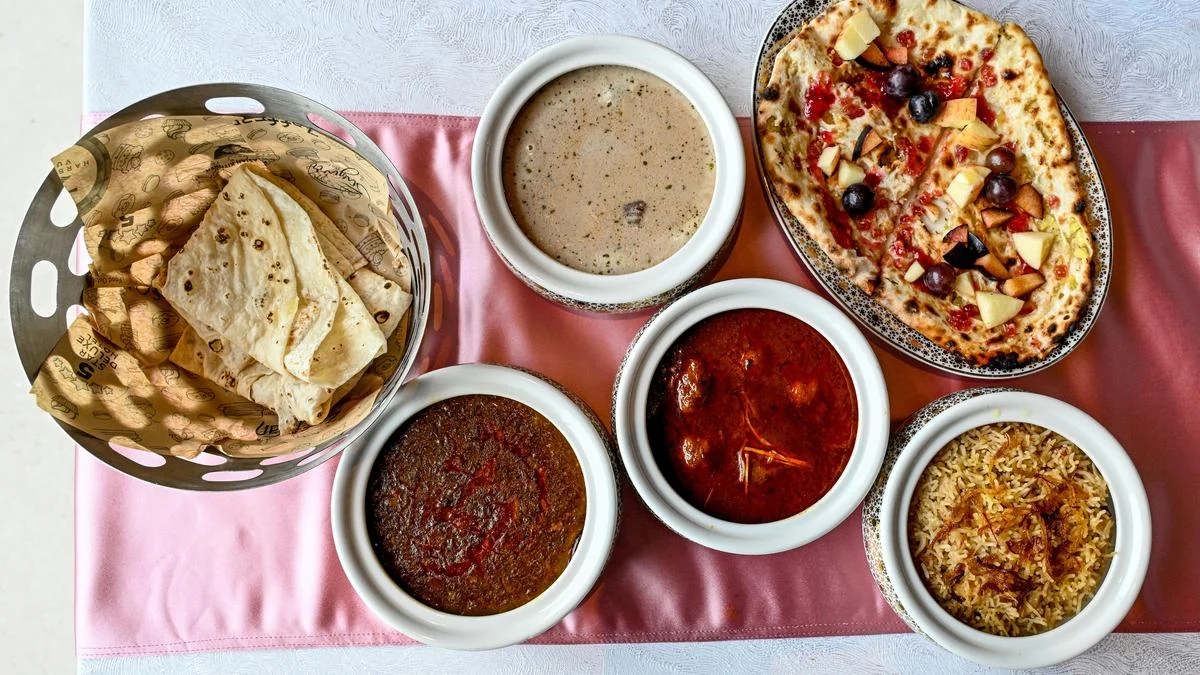
VISAKHAPATNAM — In the coastal city of Visakhapatnam, where the salty breeze of the Bay of Bengal usually dictates the local palate, a different kind of aroma is currently wafting through the air. At Zaffran, the signature restaurant of Novotel Visakhapatnam Varun Beach, the mist-covered mountains of the Himalayas have seemingly met the shores of Andhra Pradesh. The occasion is "Dawat-E-Wazwan," a meticulously curated Kashmiri food festival that aims to transport diners nearly 3,000 kilometers north to the heart of the Kashmir Valley.
Curated by the seasoned expertise of Chef Rehman and Chef Abdul, the festival is more than just a seasonal menu; it is a cultural immersion into the "Wazwan"—the legendary multi-course meal that serves as the pride of Kashmiri identity. While many Indian cuisines are celebrated for their fiery heat and complex spice blends, the Kashmiri Wazwan is a masterclass in subtlety, fragrance, and the art of slow cooking.
Main Facts: The Essence of the Wazwan Tradition
The Dawat-E-Wazwan festival, currently underway at Zaffran, serves as a definitive guide for those looking to explore the sophisticated flavors of Northern India. The festival highlights the unique philosophy of Kashmiri cooking: the reliance on "aroma over fire." Unlike the pungent heat found in many regional Indian dishes, Kashmiri cuisine utilizes a specific bouquet of ingredients—saffron, fennel, dry ginger, and yogurt—to create layers of flavor that are deep yet gentle on the palate.
The festival is led by Chef Rehman, a culinary artist who views the Wazwan not merely as a meal but as a heritage. "Wazwan is about patience and balance," Chef Rehman explains. "We don’t rely on heavy spices to create impact. Instead, the flavors emerge from the slow-cooking process and the quality of ingredients like hand-picked saffron and the distinct Kashmiri chilies, which provide a vibrant red color without the searing heat."
The menu at Zaffran offers a balanced portfolio of vegetarian and non-vegetarian options, ensuring that the diversity of the Valley’s produce—from the lotus stems of Dal Lake to the tender lamb of the highlands—is represented.
Chronology: A Culinary Journey Through the Valley
The experience at Dawat-E-Wazwan is structured to mirror the progression of a traditional Kashmiri feast, beginning with light, warming liquids and moving toward rich, labor-intensive main courses.
The Prelude: Soups and Starters
The journey begins with the Kashish Paya Shorba. In a region known for its harsh winters, the shorba (soup) is a staple. This particular mutton trotter broth is rendered down until it is rich in gelatin and nutrients, yet remains remarkably light. It serves as a palate cleanser and a digestive aid, preparing the stomach for the proteins to follow.
Following the soup, the appetizers showcase the chef’s mastery over meat textures. The Maaz Seekh Kebab has emerged as the early favorite of the festival. Unlike the coarser kebabs found in North Indian street food, these are exceptionally tender, emphasizing the natural sweetness of the lamb. The Badami Kukar Tikka—chicken marinated with almond paste—offers a creamy contrast, though some diners have noted that a more pronounced almond profile would further elevate the dish. For vegetarians, the saffron-infused paneer kebabs provide a delicate alternative, though the spice blend occasionally leans toward the robust side.

The Heart of the Meal: The Mains
The centerpiece of any Wazwan is the Rista. This dish consists of hand-pounded mutton meatballs simmered in a saffron-red gravy. The process of making Rista is physically demanding; the meat must be pounded on a stone slab with wooden mallets until it reaches a paste-like consistency, ensuring the meatballs are elastic yet melt-in-the-mouth. At Zaffran, the Rista stays true to its roots, featuring a gravy that is visually striking due to the Kashmiri chilies but mild and fragrant in taste.
Another essential inclusion is the Nadur Yakhni. The lotus stem (Nadur) is a quintessential Kashmiri ingredient, and here it is prepared in a yogurt-based gravy flavored with dried mint and fennel. This dish highlights the vegetarian sophistication of the Valley, offering a tangy, silky texture that pairs perfectly with the Kokur Pulao—a fragrant chicken pilaf—and soft, paper-thin Rumali Rotis.
The Sweet Conclusion
No Kashmiri meal is complete without a formal conclusion of desserts. The Kong Phirni (saffron ground-rice pudding) and Malai Gilori serve as the final notes. While the phirni is praised for its creamy consistency, the Malai Gilori—a rich, nut-filled milk skin wrap—stands out as a decadent testament to the royal influences on Kashmiri sweets.
Supporting Data: The Craftsmanship of the Waza
To understand the significance of this festival, one must look at the data and history behind the Wazwan. Traditionally, a Wazwan consists of 36 courses, prepared by a master chef known as a Wasta Waza.
- The Spice Profile: Kashmiri cuisine is one of the few in India that avoids the use of onions and garlic in many of its authentic iterations, particularly in the Pandit style, though the Muslim Wazwan tradition (which this festival follows) utilizes "Praan" (a local shallot) to provide a base flavor.
- The Color Palette: The deep red hue seen in dishes like Rista or Rogan Josh comes from the Ratan Jot (Alkanet root) or high-quality Kashmiri chilies, which have a high oil content and color concentration but a low Scoville (heat) rating.
- The Meat Factor: In a traditional Wazwan, the meat is used almost entirely, from the trotters for soup to the fat for flavoring. The precision of the "hand-pounding" technique for meatballs is what separates a commercial Kashmiri dish from an authentic one.
At Novotel, the chefs have adapted this 36-course marathon into a curated "Best-Of" selection that fits the contemporary dining format of Visakhapatnam while maintaining the integrity of the cooking techniques.
Official Responses: The Chef’s Vision
Chef Rehman, speaking on the sidelines of the festival, emphasized the educational aspect of the event. "In many parts of India, ‘Kashmiri’ food has become synonymous with adding fruits and nuts to a gravy. That is a misconception we want to correct," he stated. "Authentic Kashmiri food is about the ‘Waz’ (the cook) and the ‘Wan’ (the shop). It is about the chemistry between the yogurt and the spices."
The management at Novotel Visakhapatnam Varun Beach expressed that such festivals are part of a broader strategy to position Visakhapatnam as a culinary hub. By bringing in specialty chefs like Rehman and Abdul, the hotel aims to provide local residents with "destination dining" experiences that would otherwise require a trip to a metropolitan city or the Valley itself.
Implications: Culinary Tourism in Visakhapatnam
The success of "Dawat-E-Wazwan" carries several implications for the local hospitality industry:

1. Diversification of the Local Palate:
Visakhapatnam has traditionally been a market dominated by spicy South Indian cuisines and Indo-Chinese staples. The high turnout for a subtle, aromatic festival like this suggests a growing sophistication and a willingness among Vizagites to explore diverse flavor profiles.
2. The Rise of "Heritage Dining":
There is a clear trend toward authenticity. Diners are no longer satisfied with "generic North Indian" food; they want specific regional identities—be it Malabari, Naga, or, in this case, Kashmiri. This puts pressure on hotels to move away from standardized menus and toward chef-led, story-driven culinary events.
3. Economic and Cultural Exchange:
Food festivals serve as a bridge. By hosting chefs from different regions, hotels facilitate a cultural exchange that benefits the local staff, who learn new techniques, and the patrons, who gain a deeper understanding of Indian heritage.
4. Tourism Impact:
For a city like Visakhapatnam, which is striving to boost its tourism profile, hosting high-end, authentic cultural festivals enhances its reputation as a cosmopolitan destination. It positions the city’s hotels not just as places of stay, but as centers of cultural activity.
Conclusion
The Dawat-E-Wazwan festival at Zaffran is more than a meal; it is a meticulously crafted homage to one of the world’s most unique culinary traditions. While there are minor points of adjustment—such as the sweetness levels of the desserts or the spice balance in the paneer—the overall execution remains a rare treat for the senses.
As the festival concludes on June 28, it leaves behind a lingering scent of saffron and fennel, and a renewed appreciation for the "patience and balance" that defines the soul of Kashmir. For the residents of Visakhapatnam, it is a reminder that while the ocean is at their doorstep, the flavors of the mountains are only a dinner reservation away.
Festival Details
- Event: Dawat-E-Wazwan
- Venue: Zaffran, Novotel Visakhapatnam Varun Beach
- Dates: Running until June 28
- Timings: Available for Lunch and Dinner
- Estimated Cost: ₹3,000 to ₹3,500 for two people (excluding taxes)
