
New Delhi, India – May 27, 2026 – A groundbreaking study has illuminated a stark reality for millions of Indian women, revealing that over half of mothers experience severe sleep loss, a significant factor contributing to persistent and often long-term hair thinning and postpartum hair fall. The comprehensive research, conducted by Traya Health, India’s leading science-led hair platform, analyzed data from over 76,000 Indian mothers, exposing a silent health crisis deeply intertwined with the relentless demands of early motherhood.
The findings underscore a critical issue that extends far beyond mere aesthetics, pointing to a profound impact of chronic stress and sleep deprivation on maternal well-being and physical health. For many Indian women, the journey into motherhood – encompassing pregnancy, the postpartum recovery period, and the crucial first year of an infant’s life – represents one of the most physically, mentally, and emotionally taxing phases they will ever navigate. During this vulnerable period, a woman’s own needs often recede into the background as she dedicates every ounce of her energy to nurturing a new life.
While the multifaceted role of motherhood evolves over the years, the relentless juggling act rarely diminishes. The fragmented sleep, the pervasive daily anxieties, and the distressing discovery of alarming hair clumps in shower drains do not simply vanish once a child reaches their first birthday. Instead, these challenges often persist, morphing into the demands of toddlerhood, the pressures of school admissions, the complexities of corporate careers, and a gradual, systemic erosion of self-care.
The Stark Reality: Alarming Numbers Behind Maternal Burnout
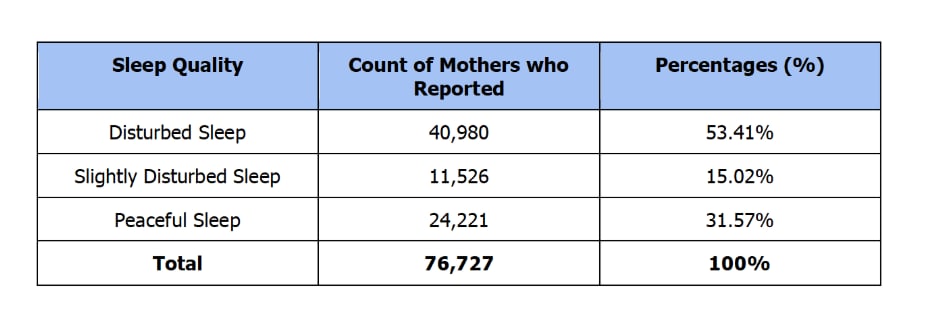
Traya Health’s landmark study, encompassing a significant cohort of 76,727 Indian mothers – including pregnant women, breastfeeding mothers, and those with infants under one year old – has quantified this lived experience with unsettling precision. The data reveals a pervasive health crisis: more than 53% of Indian mothers report severely disturbed sleep patterns, and a staggering 48% describe themselves as "very stressed." These are precisely the physiological conditions scientifically recognized as accelerators of hair loss and premature thinning. For Indian mothers, the damage appears to be initiated precisely at the inception of their parenting journey.
The study meticulously details the extent of this maternal burnout that is sweeping across Indian households. When it comes to essential rest, the vast majority of mothers are operating on critically low reserves. The statistics pertaining to maternal stress levels are equally alarming. Nearly half of the respondents find themselves ensnared in a state of high-functioning anxiety that demonstrably disrupts their daily cognitive focus and vital biological rhythms.
The "Delivery Ke Baad" Phenomenon: A Lifelong Impact
While the mothers in this study were primarily assessed during the early stages of infancy and pregnancy, the chronic stress cycles they describe do not simply dissipate. They transform and endure. The sleepless nights spent tending to a newborn gradually give way to the early morning rush of packing school tiffins, navigating homework battles, staying up late awaiting the return of teenagers, managing demanding corporate careers, and, in many cases, eventually transitioning into caretaking roles for aging parents.

This enduring lifestyle pattern offers a compelling explanation for a uniquely Indian medical phenomenon: women in their late thirties, forties, and even fifties continue to attribute their persistent hair thinning to "delivery ke baad" (post-delivery changes). Clinically, their self-diagnosis is not entirely inaccurate. The initial biological trigger indeed originated during the precise postpartum window captured by this study. However, the underlying conditions that allowed this initial hair loss to become a chronic and permanent issue – namely, prolonged sleep deprivation, elevated cortisol levels, and a deeply ingrained cultural tendency to prioritize the needs of others above their own – have merely evolved in their manifestation over decades.
Saloni Anand, Co-Founder of Traya Health, highlighted the consistent pattern observed at their platform. "At Traya, we hear from thousands of Indian mothers every month, and the narrative is invariably the same. Hair fall that began after delivery never truly resolved," she stated. "What this study meticulously elucidates is the underlying cause. It’s not merely about their hair; it’s a tangible manifestation of the sleep they have lost, the stress they have continuously carried, and the years they have dedicated to caring for everyone else but themselves."
The Physiological Cascade: Why Hair Suffers
The sustained health and active growth cycle of human hair are critically dependent on three non-negotiable physiological pillars: cellular rest, physiological equilibrium, and robust micronutrient reserves. The systemic and pervasive demands of raising families in India, however, lead women to be critically deficient in all three.
During pregnancy, elevated estrogen levels provide a natural protective shield for the hair. This hormonal surge extends the anagen (growth) phase of the hair cycle, effectively inhibiting normal shedding and bestowing upon women a thicker, more lustrous mane. This hormonal peak, however, is inherently temporary. Following delivery, estrogen levels experience an abrupt and significant decline. This sudden hormonal shock to the system compels the "extra" hair that the body had retained during pregnancy to enter a synchronized shedding cycle. This phenomenon is medically termed Postpartum Telogen Effluvium, and it typically reaches its peak approximately three to four months after childbirth.
Under optimal conditions of rest and physiological balance, the body naturally regulates this shedding phase, and hair regrows. However, the compounded realities of modern Indian motherhood significantly disrupt this crucial recovery process, leading to a cascade of negative effects on hair health:
Interrupted Cellular Repair: The Stolen Rest
Adequate, deep, and continuous sleep serves as the primary window for cellular regeneration and repair. When a mother’s sleep is persistently fragmented and insufficient, the highly metabolically active cells at the root of the hair follicle are deprived of the necessary time for essential repair and rejuvenation. This prolonged lack of restorative sleep directly impedes the hair growth cycle.
The Cortisol Trap: The Stress Hormone’s Toll
Chronic stress triggers a continuous surge of cortisol, the body’s primary stress hormone, into the bloodstream. Elevated cortisol levels act as a potent chemical disruptor, prematurely forcing healthy hair follicles to transition out of their active growth (anagen) phase and into a prolonged resting (telogen) phase. This hormonal imbalance leads to hair shedding at a rate that significantly outpaces the body’s ability to regenerate new hair, exacerbating thinning.
Nutritional Depletion: The Body’s Prioritization
The physiological toll of postpartum healing, coupled with the extreme nutritional demands of breastfeeding, rapidly depletes a mother’s vital reserves of essential nutrients, including iron (ferritin), calcium, and B-vitamins. The human body, in its wisdom, prioritizes the survival of vital organs over non-essential tissues. Consequently, any remaining essential nutrients are strategically diverted away from the scalp and hair follicles to support the functioning of critical internal organs, further compromising hair health.
Implications and the Path Forward
This study serves as an urgent and critical wake-up call for both public health initiatives and domestic support systems. It unequivocally demonstrates that maternal hair loss is rarely a superficial cosmetic concern. Instead, it stands as a highly visible, biological indicator of a much deeper, often unaddressed, crisis of maternal burnout, pervasive exhaustion, and systemic self-neglect that is endemic among Indian mothers.
The findings necessitate a broader societal conversation about the unsustainable expectations placed upon new mothers and the critical need for adequate support systems, both within the family and at a governmental level. Addressing the root causes of sleep deprivation and chronic stress is paramount not only for the physical and mental well-being of mothers but also for the long-term health and vitality of their hair.
Traya Health advocates for a multi-pronged approach that integrates scientific, Ayurvedic, and nutritional strategies to address the complex factors contributing to maternal hair loss. This includes promoting awareness about the importance of sleep hygiene, stress management techniques, and the critical role of targeted nutritional supplementation to replenish depleted nutrient stores.
The study’s implications extend beyond individual mothers, calling for a re-evaluation of societal norms and expectations that often inadvertently contribute to the prolonged neglect of maternal self-care. By recognizing hair loss as a visible symptom of a deeper systemic issue, India can begin to foster a more supportive and sustainable environment for its mothers, ensuring that the journey of motherhood is not at the permanent cost of their own well-being and vitality. The time has come to acknowledge and address the silent epidemic that is leaving millions of Indian mothers feeling drained, stressed, and seeing their hair pay the price for their unwavering dedication.