

The Cannes Film Festival, a global beacon of cinematic excellence, has long mastered the delicate art of integrating political discourse into its glamorous proceedings. While the echoes of the 1968 student protests, which famously saw Nouvelle Vague directors like Jean-Luc Godard bring the festival to a standstill, serve as a potent historical reminder, today’s Cannes has refined its approach. It has learned to judiciously incorporate political commentary without allowing it to derail the event, a strategic balancing act that played out with subtle yet significant resonance at its recent edition.
The Echoes of 1968 and Cannes’ Evolving Political Persona
The year 1968 marked a pivotal moment in the history of the Cannes Film Festival. Inspired by the widespread leftist student uprisings and worker strikes gripping France, a cohort of influential French New Wave filmmakers, spearheaded by Jean-Luc Godard, disrupted the festival’s ninth day, demanding a more socially conscious and politically engaged cinema. This radical intervention brought the prestigious event to an abrupt halt, exposing the simmering tensions between artistic expression and societal upheaval.
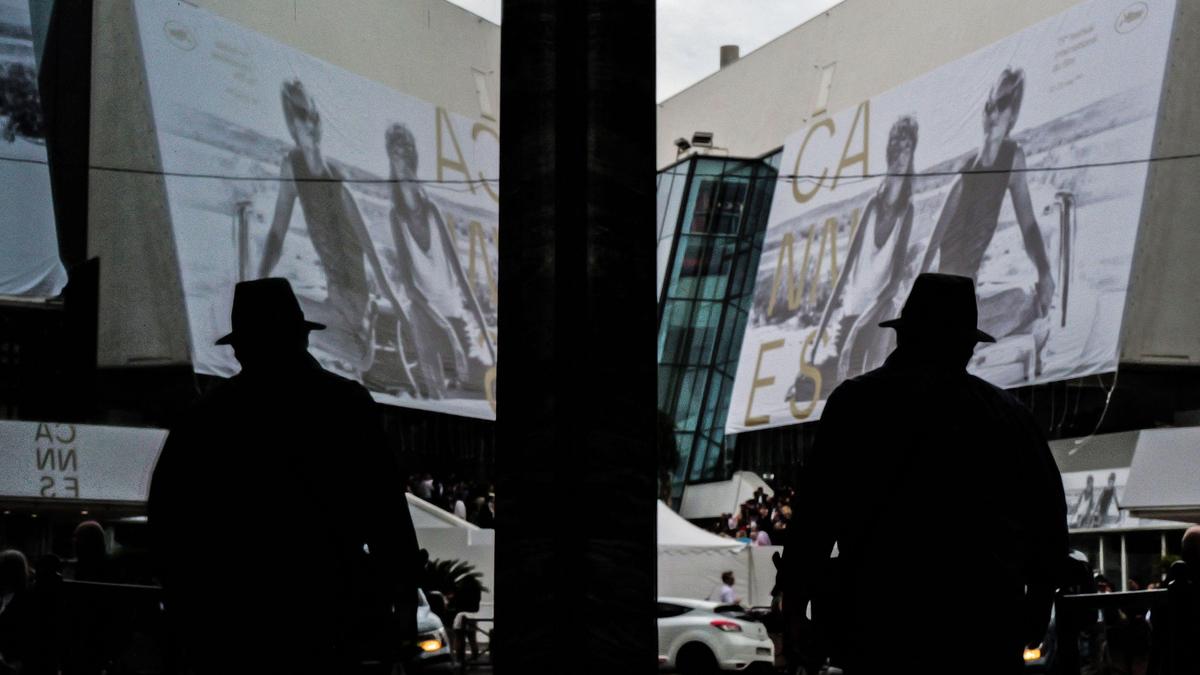
In the decades since, the festival has evolved, not by shying away from politics, but by integrating it into its fabric with a calculated finesse. This year’s edition showcased this evolution, demonstrating how Cannes navigates the complex terrain of global issues, allowing for impassioned statements while ensuring the cinematic showcase continues.
A Subtle Sublimation: Political Undercurrents at the 79th Cannes
While the overt disruptions of 1968 are a distant memory, the 79th Cannes Film Festival witnessed a more nuanced, yet equally potent, manifestation of political engagement. The subtle undercurrents of global concerns began to surface early in the festival.
The Opening Salvo: Paul Laverty’s Scathing Critique
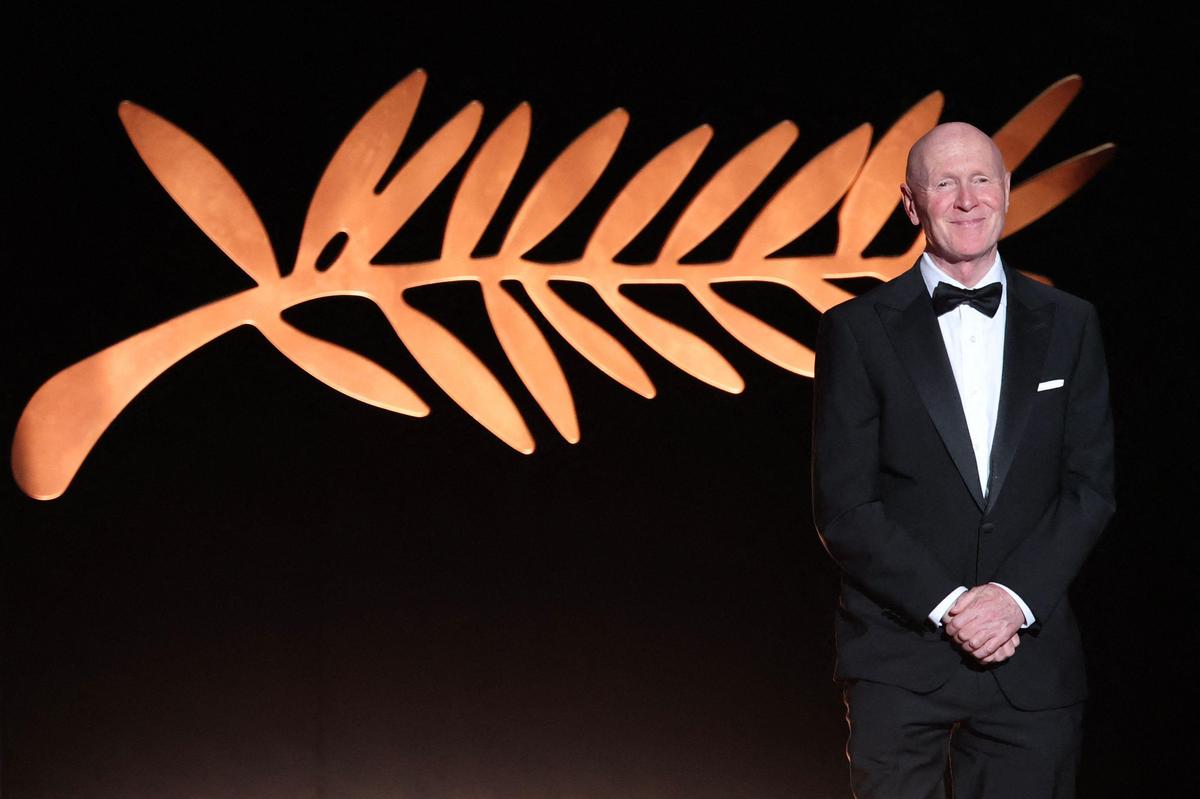
The tone was set on the opening day of the main Competition jury press conference. Paul Laverty, the acclaimed Scottish screenwriter renowned for his collaborations with Ken Loach, did not mince words when addressing the perceived boycott of Hollywood actors such as Susan Sarandon, Javier Bardem, and Mark Ruffalo. These artists, he asserted, faced professional repercussions for their vocal stances on Israel’s ongoing hostilities in Gaza. Laverty, a member of the jury led by Korean filmmaker Park Chan-wook, used his platform to highlight what he viewed as a silencing of dissenting voices within the industry.

Award Ceremony Addresses: Indirect Condemnations and Ruffled Feathers
As the festival progressed towards its conclusion, the awards ceremony became another arena for political expression. Several acceptance speeches carried potent political messages, subtly directed at figures like Israeli Prime Minister Benjamin Netanyahu and Russian President Vladimir Putin, without explicitly naming them. These critiques were delivered with an artful obliqueness, making unequivocal points while ensuring that no "major wounds" were inflicted, a hallmark of the "quintessential Cannes" approach. This strategy allows for the acknowledgment of pressing global issues without devolving into partisan pronouncements that could alienate a broader audience or disrupt the festival’s operational flow.
Filmmakers as Conscience: Rejecting Apolitical Stances
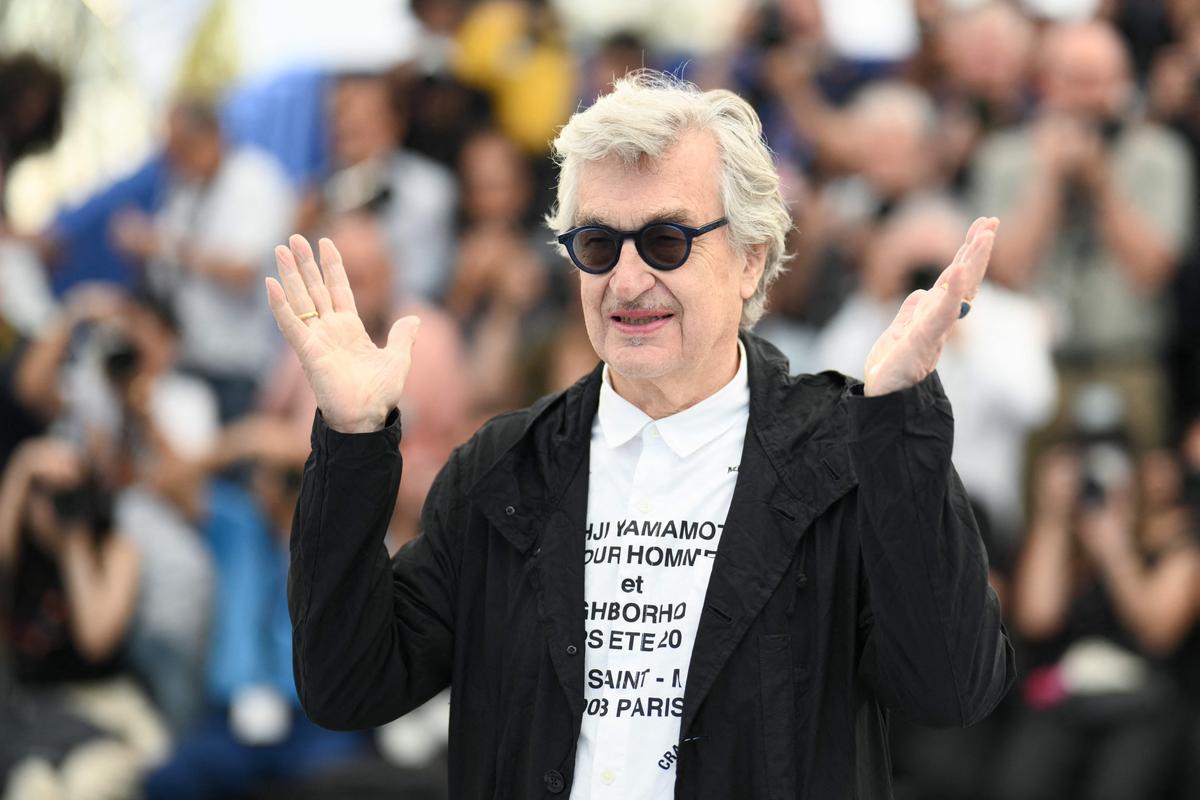
In stark contrast to the sentiments expressed by German maestro Wim Wenders at the Berlin Film Festival earlier in the year, where he advocated for filmmakers to "stay out of politics," award-winners at Cannes asserted a fundamentally different philosophy. The filmmakers gathered at the Palais des Festivals largely agreed that in an increasingly interconnected and turbulent world, artists cannot afford to remain detached from reality.
Prasanna Vithanage: The Filmmaker’s Duty to Witness
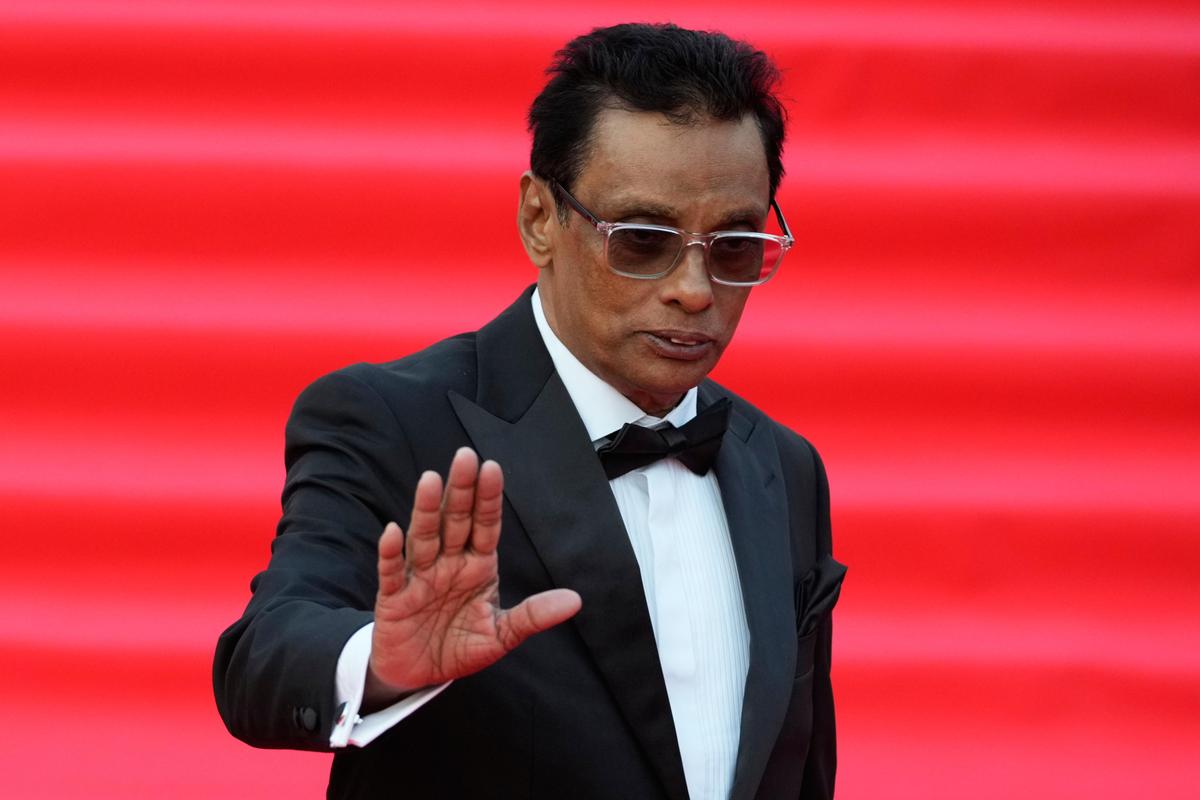
Sri Lankan director Prasanna Vithanage, a filmmaker who has frequently encountered censorship in his homeland, articulated this sentiment with conviction. "When you turn a blind eye to what is happening around you, you die as a filmmaker," he stated, underscoring the belief that artistic integrity is intrinsically linked to a filmmaker’s engagement with the socio-political landscape. For Vithanage, ignoring the realities of one’s surroundings is not an option; it is a form of artistic self-annihilation.
Pawel Pawlikowski: Courage in Reflection
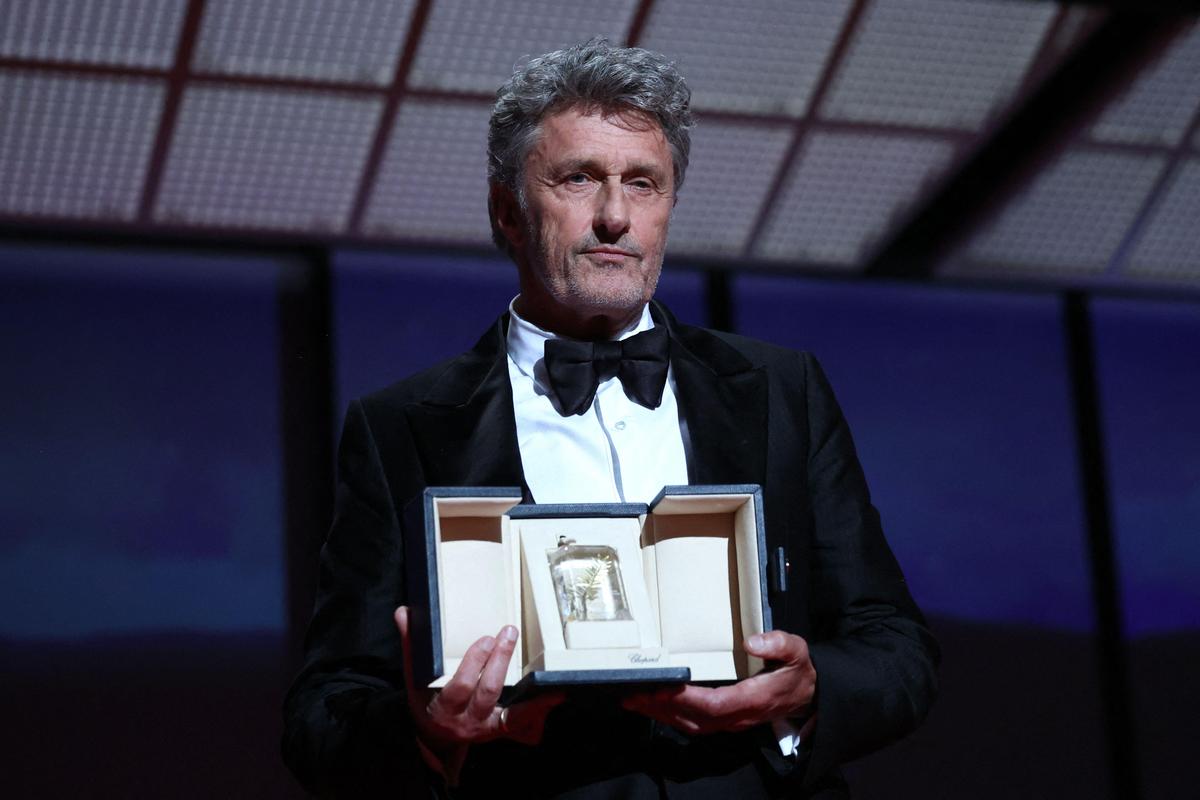
Polish filmmaker Pawel Pawlikowski, a joint winner of the Best Director award for his period drama Fatherland, further emphasized this perspective. His film, a narrative exploring the life of anti-Nazi German writer Thomas Mann, naturally delves into politically charged territory. In his acceptance speech, Pawlikowski declared, "Cinema needs to reflect the political situation but not under pre-dictated conditions. It takes courage to talk about what people really see." This statement champions a form of political filmmaking that is authentic and observational, rather than propagandistic or imposed.
The Unseen Narratives: Gaza’s Absence and the Funding Conundrum
Despite the pervasive political undercurrents, a significant omission was noted: the relative silence surrounding the ongoing conflict in Gaza. While the Ukraine war and other geopolitical issues were tangentially alluded to in film selections and speeches, direct and sustained discussions about Gaza were notably scarce.
Tareq Khalaf: The Wariness of the Funding System
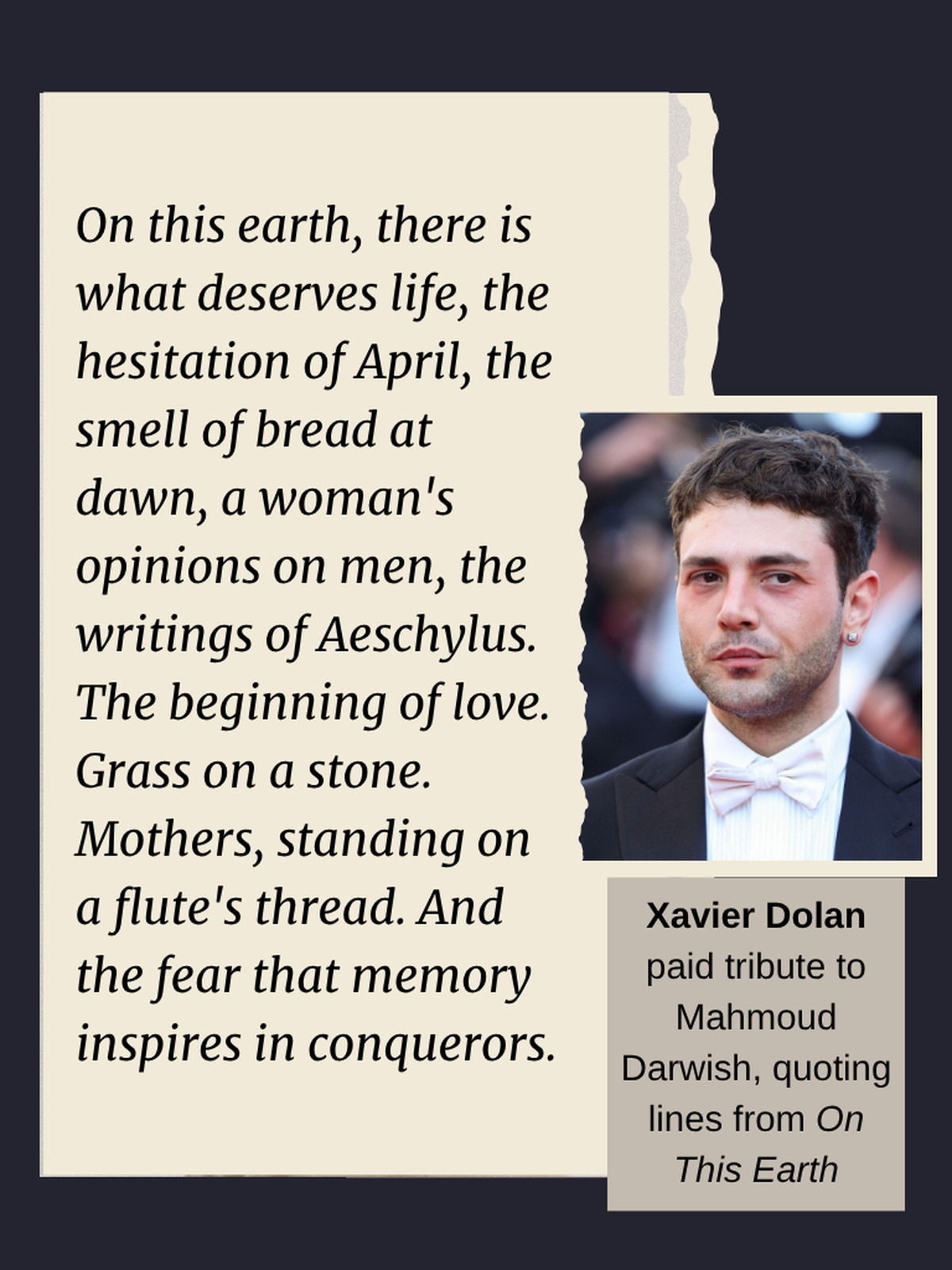
Ramallah-based filmmaker, architect, and cultural activist Tareq Khalaf offered a poignant explanation for this conspicuous absence. "Gaza isn’t mentioned [as often as Iran or Ukraine] in contemporary world cinema because everybody is wary of falling foul of the funding system," he explained. Khalaf, who was at Cannes to pitch his first feature, Azziza: In a Cherished Land, highlighted the financial pressures that can influence artistic choices. He further emphasized the importance of the Palestine Pavilion at Cannes as a crucial "safe space for those of us who want to tell our stories, resist the erasure of memory and look for support for our projects."
The Palestine Pavilion: A Haven for Palestinian Voices
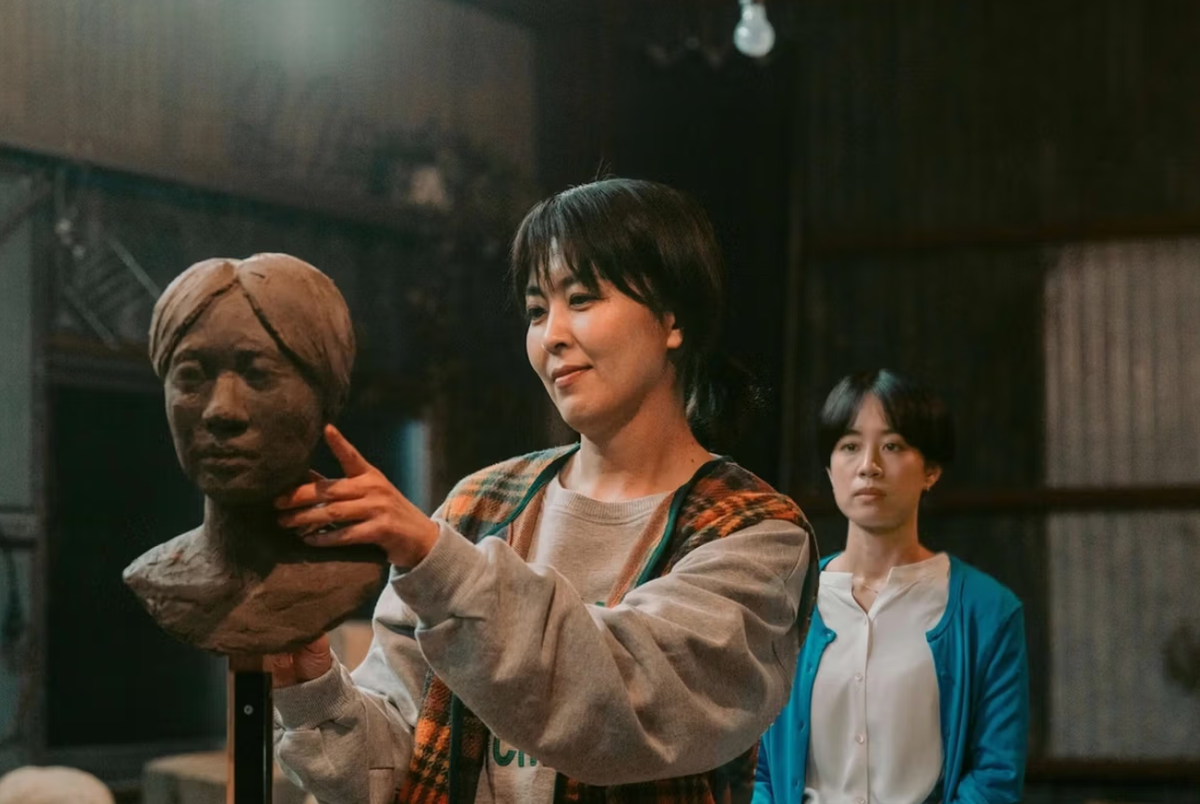
Organized by the Palestine Film Institute, the Palestine Pavilion served as a vital hub for approximately 40 Palestinian filmmakers and producers. It provided a platform for them to connect, collaborate, and champion their cinematic visions amidst a global landscape often fraught with political complexities.
Abdallah Al-Khatib: Unflinching Advocacy
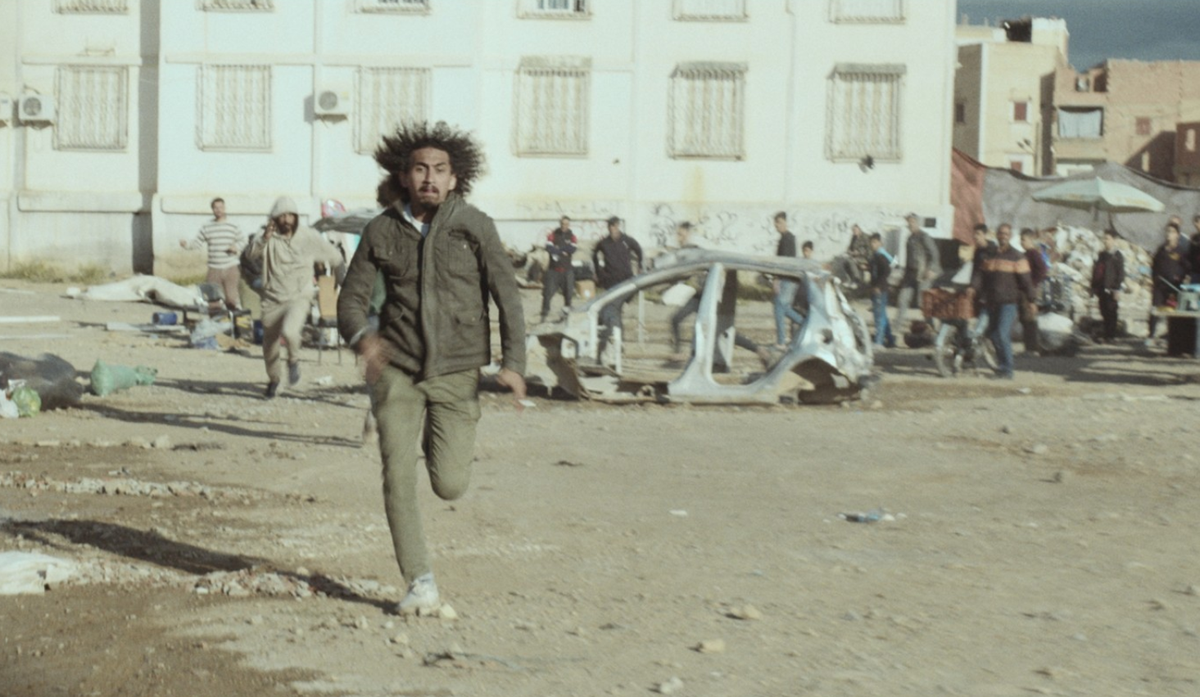
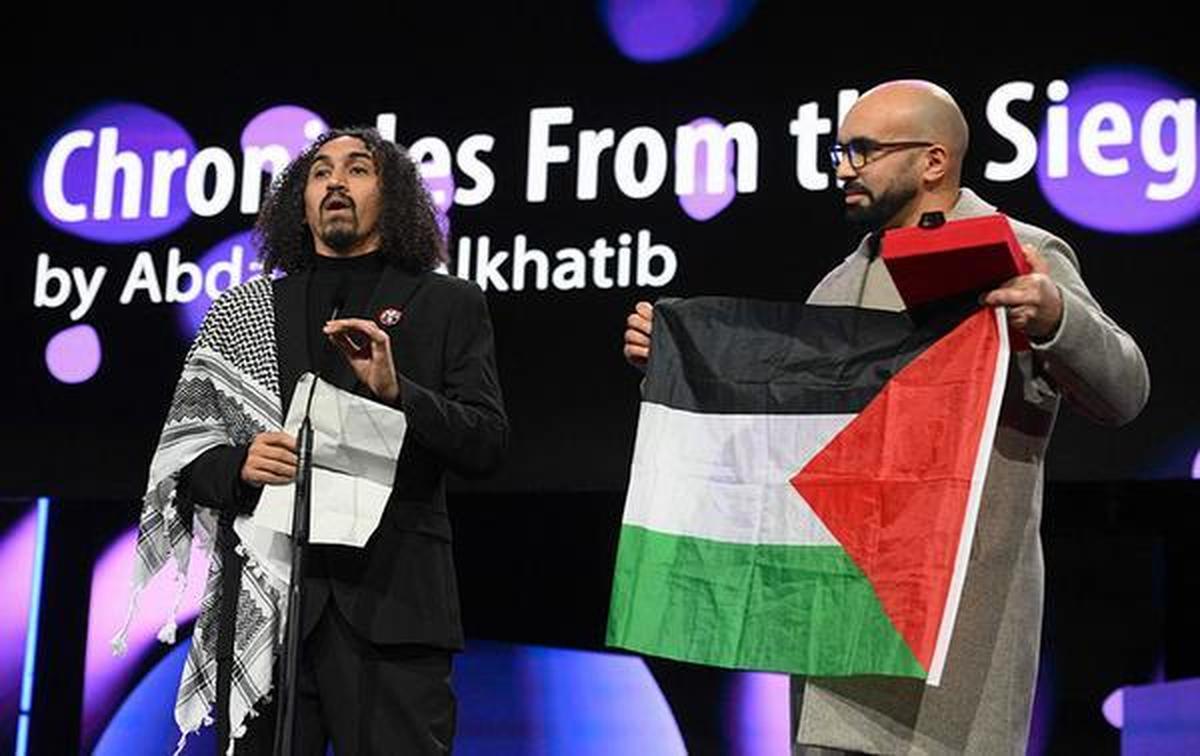
Among the attendees was Germany-based Palestinian-Syrian filmmaker Abdallah Al-Khatib. His film, Chronicles from the Siege, had garnered critical acclaim earlier in the year, winning the Best First Feature award at the Berlinale. At that festival, Al-Khatib had audaciously used his platform to launch a strong condemnation of Israel’s actions in Gaza and the German government’s perceived complicity. Reflecting on his bold stance, he stated, "I said what I had to. I gave it to them." Al-Khatib’s unwavering commitment exemplifies the spirit of filmmakers who refuse to be silenced, even when facing potential professional repercussions.
Hollywood’s Calculated Retreat: Commerce Over Controversy
The absence of major Hollywood blockbusters from this year’s Cannes lineup was largely attributed to commercial considerations rather than political boycotts. The exorbitant costs associated with mounting a premiere on the French Riviera, coupled with a growing wariness of potentially damaging reviews from the international press corps – which can significantly impact global box-office performance – led studios to hold back. Premieres of anticipated films like Steven Spielberg’s Disclosure Day and Christopher Nolan’s The Odyssey, both slated for release shortly after the festival, were conspicuously absent.
Cannes’ Controlled Environment: The Strategic Exclusion of Israeli Films
Cannes distinguishes itself from other film festivals through its meticulously controlled programming. Significantly, in the wake of the events of October 7, 2023, and the subsequent escalation of the Israel-Hamas conflict, the festival conspicuously did not program a single Israeli film within its prestigious Competition or Un Certain Regard sections. This decision reflects a broader trend of international cultural institutions reassessing their engagement with Israeli cinema in the current geopolitical climate.
Nadav Lapid’s Yes! and the Palme d’Or’s Political Nuance
Last year, Israeli director Nadav Lapid’s incisive political satire, Yes!, which critiqued the nationalistic fervor in Israel post-October 7, was relegated to the independent sidebar, Directors’ Fortnight. Concurrently, the festival’s jury, led by actress Juliette Binoche, awarded the Palme d’Or to Iranian dissident filmmaker Jafar Panahi’s It was Just an Accident, a film that offered a pointed critique of authoritarian regimes worldwide. This juxtaposition highlighted Cannes’ capacity to honor politically charged cinema while maintaining its curated approach to programming.

Andrey Zvyagintsev’s Minotaur and the Surprise Victory of Fjord
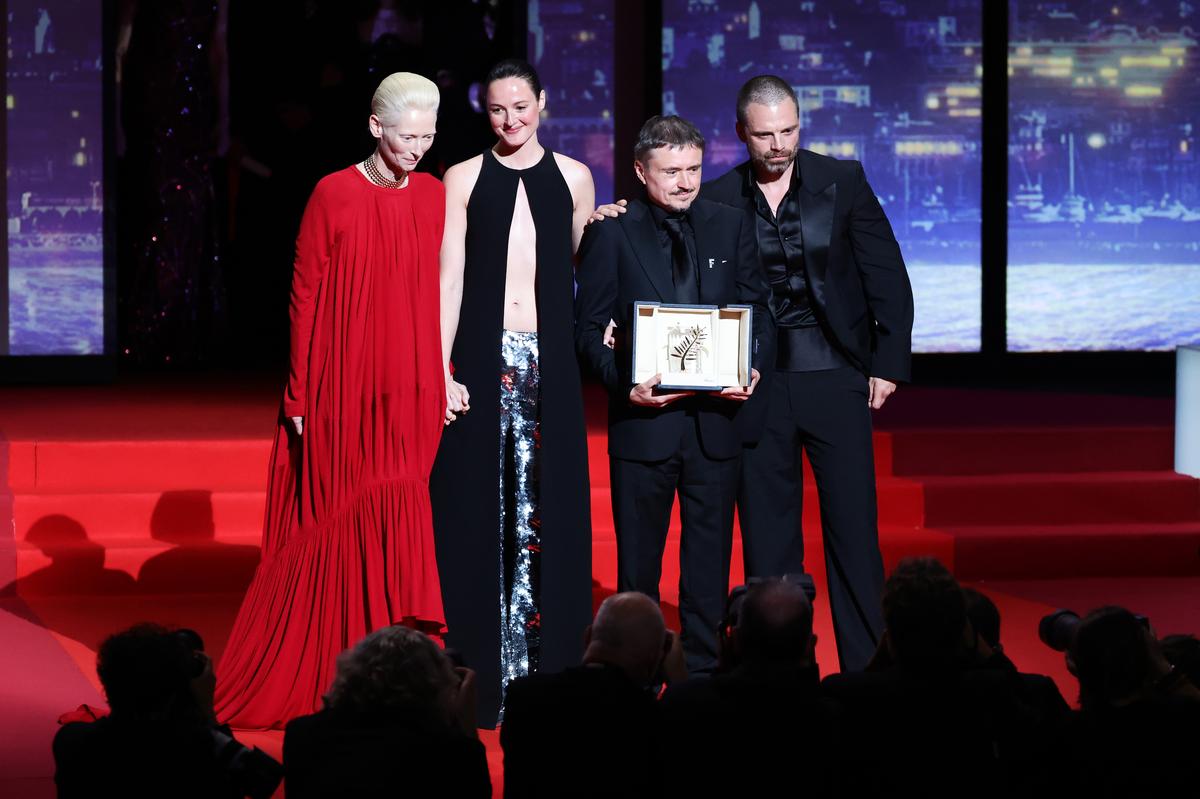
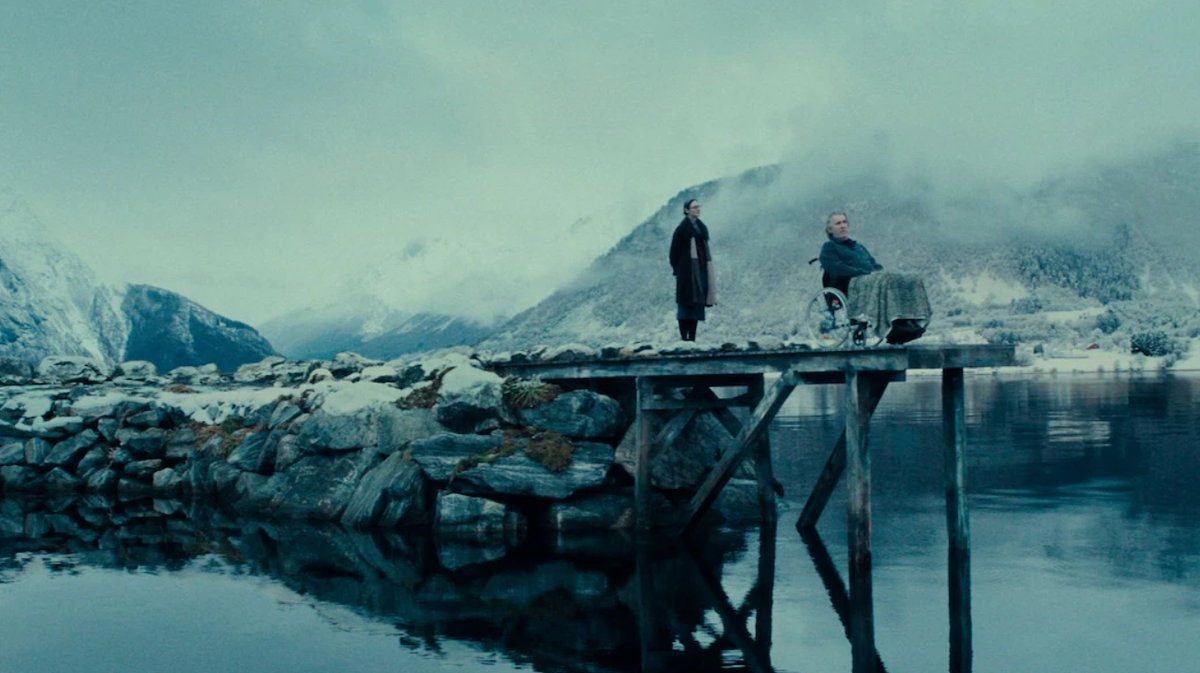
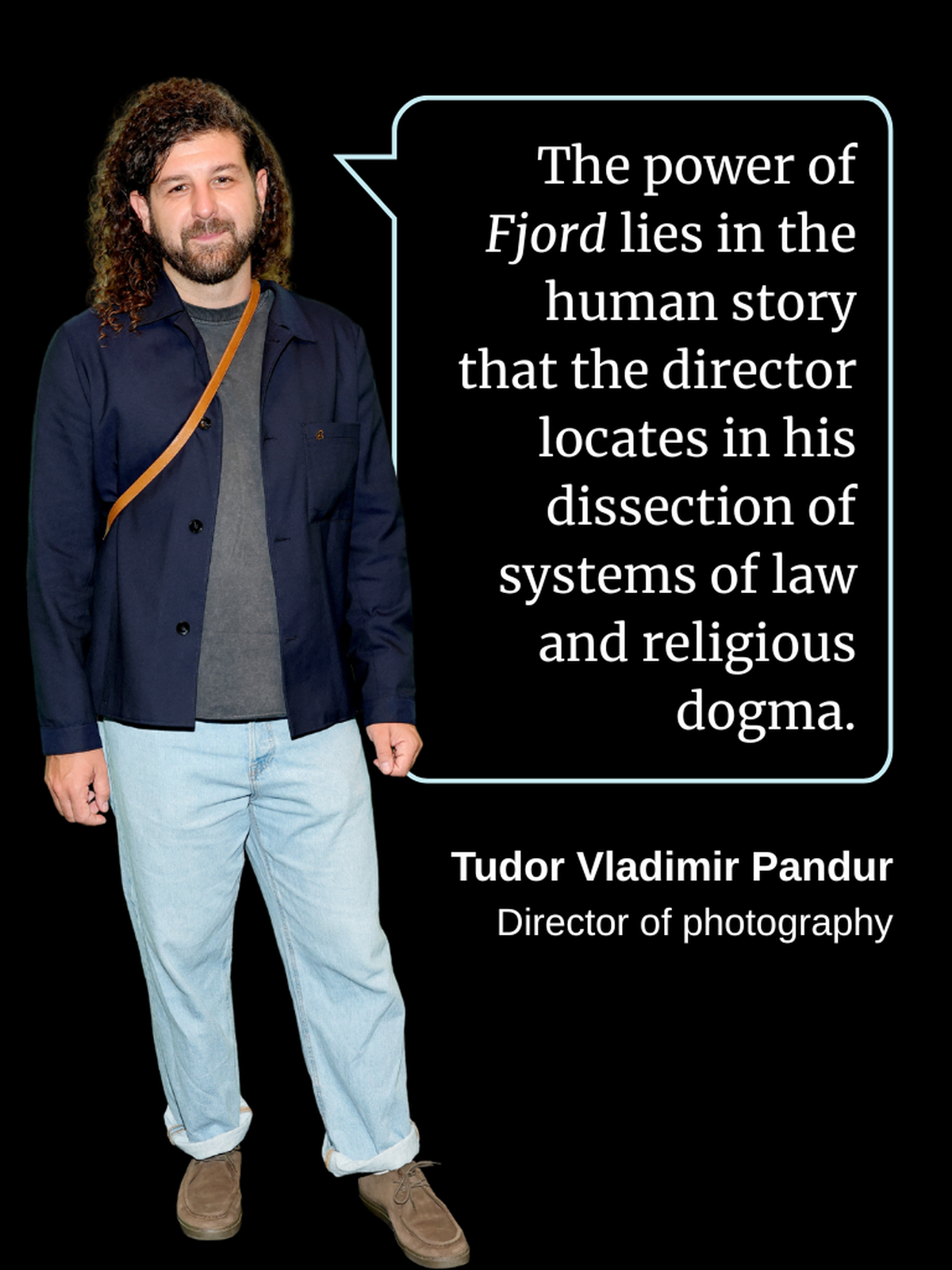
This year, Russian director Andrey Zvyagintsev’s Minotaur, a crime drama widely seen as a searing indictment of Vladimir Putin’s Russia, was a strong contender, anticipated to win for both its artistic merit and its political resonance. However, in a surprising turn of events, the jury awarded the top prize to Fjord, Romanian filmmaker Cristian Mungiu’s film shot entirely outside his home country. Mungiu described his film as "a commitment against all forms of fundamentalism," suggesting that the jury’s decision prioritized a broader theme of resistance against extremist ideologies. The film’s cinematographer, Tudor Vladimir Panduru, further elaborated on its power, stating, "The power of Fjord lies in the human story that the director locates in his dissection of systems of law and religious dogma."
A Legacy of Solidarity: Standing Up for the Oppressed
Cannes, while not typically a catalyst for radical, disruptive change, has consistently demonstrated its commitment to supporting artists facing oppression and advocating for the marginalized. This commitment manifests through subtle yet significant gestures and programming choices.
Palestinian Cinema’s Growing Presence
In recent years, Cannes has made efforts to include Palestinian cinema in its official selection. Last year, the directors Tarzan and Arab Nasser’s Once Upon a Time in Gaza received the Un Certain Regard Prize, a testament to the festival’s recognition of Palestinian narratives. Furthermore, in the ACID sidebar, Iranian filmmaker Sepideh Farsi’s documentary Put Your Soul on Your Hands and Walk prompted a moving tribute from Juliette Binoche to slain Gazan photojournalist Fatima Hassouna, underscoring the festival’s solidarity with those affected by conflict.
Jafar Panahi and the Empty Chair: A Symbol of Protest
The festival’s enduring commitment to artists facing persecution was powerfully illustrated in 2010. When Iranian filmmaker Jafar Panahi, selected as a jury member, was barred from traveling by Tehran, Cannes responded by prominently displaying an empty chair at every jury meeting and event. This symbolic act served as a stark visual protest against the Iranian regime’s suppression of artistic freedom. Binoche, a jury member that year, further amplified the message by holding up a banner with Panahi’s name at the closing ceremony, acknowledging his forced absence.
Mohammad Rasoulof’s Escape and Premiere
More recently, Iranian filmmaker Mohammad Rasoulof faced a similar predicament. His film, The Seed of the Sacred Fig, was selected for Competition in 2024. However, this selection led to Rasoulof being sentenced to eight years in prison for "propaganda against the regime." Miraculously, he and several crew members managed to flee Iran, enabling them to attend the film’s premiere on the festival’s penultimate day. This harrowing escape and subsequent attendance underscore the risks faced by filmmakers challenging authoritarian powers and Cannes’ role in providing a global platform for their work.
The Unwavering Spirit of Cannes

Despite the political complexities and the inherent challenges of navigating global conflicts, the Cannes Film Festival, as exemplified by its history and recent editions, has demonstrated an enduring capacity to persevere. The year of Godard’s disruptive influence remains an anomaly, a potent historical footnote in a festival that has otherwise learned to harmonize the worlds of cinema, politics, and global discourse, proving that "the show goes on no matter what."
