

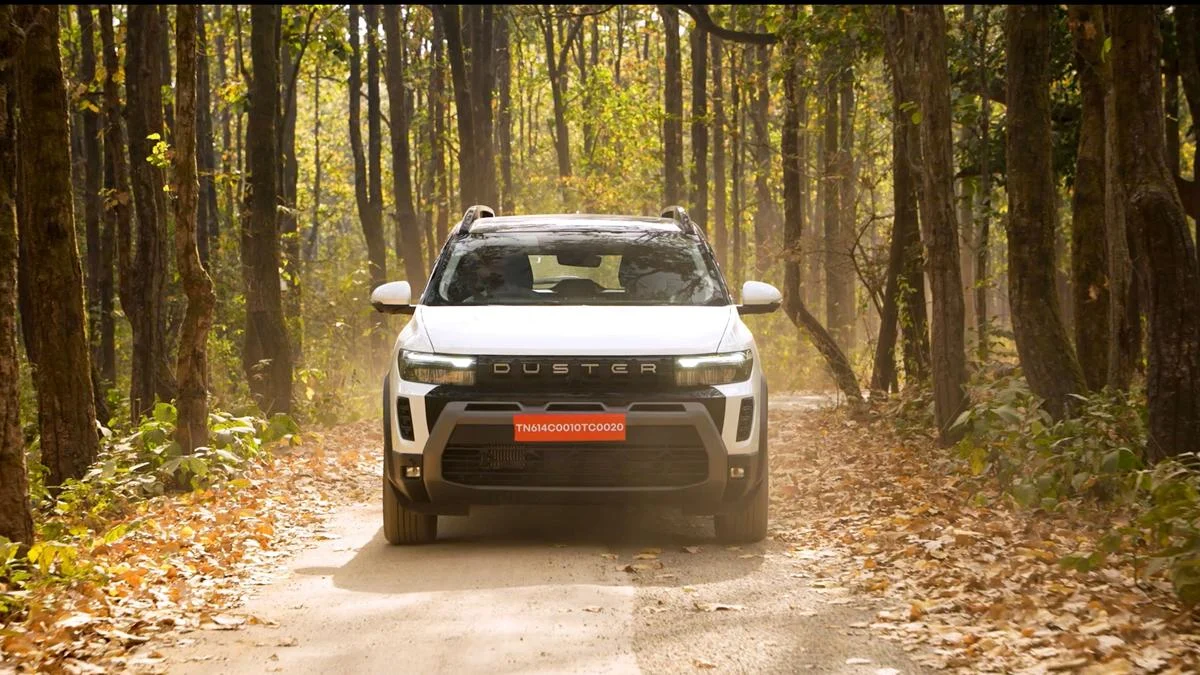
The automotive landscape in India is littered with nameplates that arrived, saw, and eventually faded. However, few have left a footprint as indelible as the Renault Duster. When it first graced Indian tarmac over a decade ago, it didn’t just enter a segment; it created one. It introduced the Indian consumer to the concept of the rugged, monocoque SUV—a vehicle that offered the comfort of a sedan with the go-anywhere capability of a traditional off-roader.
After a significant hiatus, the Duster is making a high-stakes comeback. It returns to a market that has matured, one now dominated by feature-heavy Korean rivals and tech-laden mid-size SUVs. The central question surrounding its revival is no longer just about its capability, but its relevance in a digital-first era. The new Renault Duster arrives not merely as a successor, but as a statement of intent from the French automaker.
1. Main Facts: The New Duster at a Glance
The 2024-2025 Renault Duster is built on the CMF-B platform, representing a total departure from the aging B0 platform of its predecessor. This new foundation allows for greater structural rigidity, better safety integration, and the inclusion of modern powertrains.
Pricing and Variants
Renault has positioned the Duster competitively to reclaim its territory in the C-SUV segment.
- Price Range: INR 10.29 lakh to INR 18.49 lakh (Ex-showroom).
- Key Variant: The 1.3 Turbo ICONIC serves as the flagship, showcasing the best of Renault’s performance and luxury offerings.
Aesthetic Evolution
The design of the new Duster is an exercise in "rugged maturity." It retains the classic upright stance and muscular haunches that made the original a favorite among enthusiasts. However, it now features:
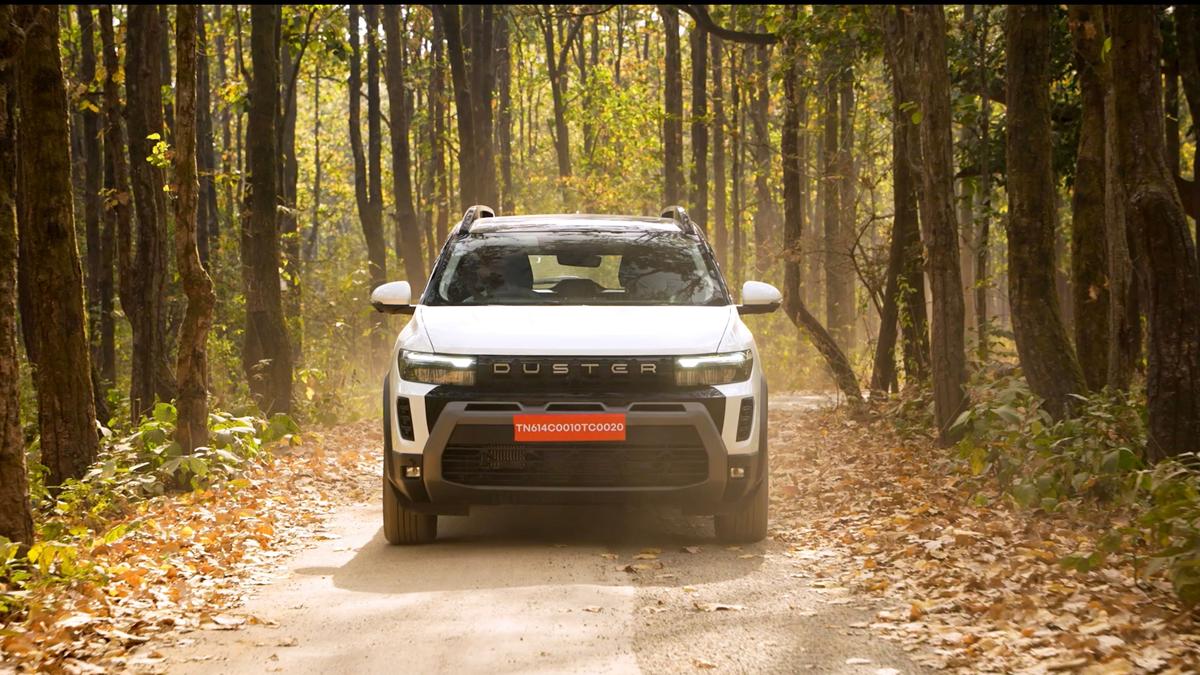
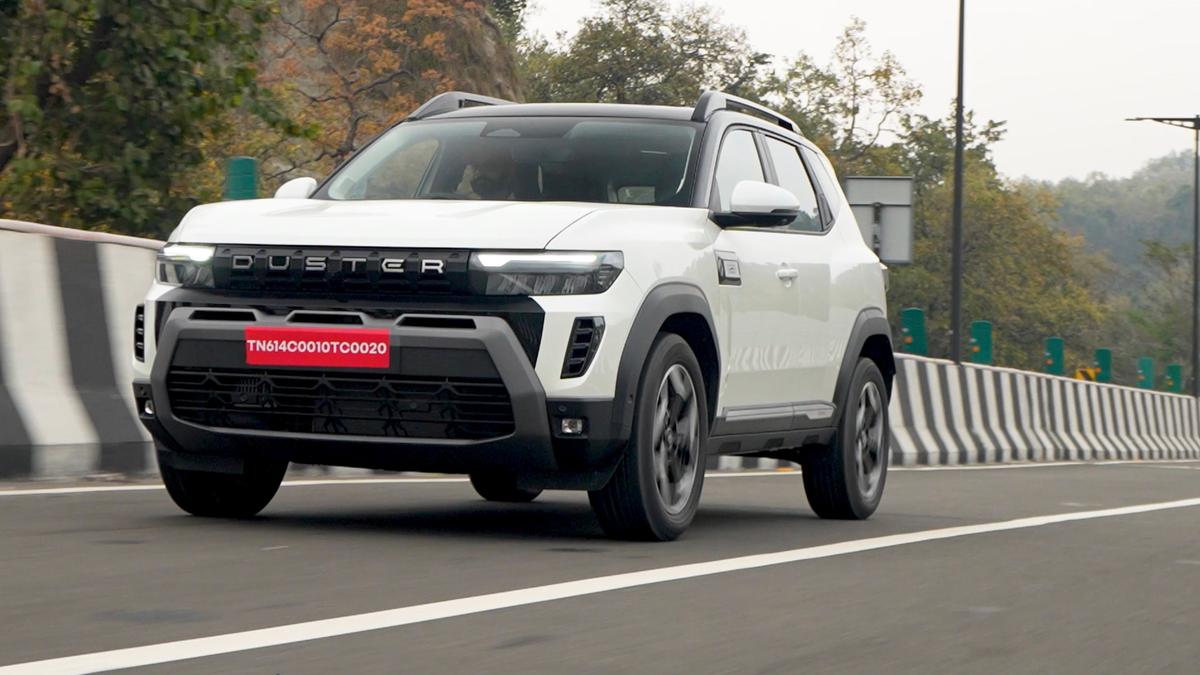
- LED Signature: A distinctive Y-shaped LED lighting signature that integrates seamlessly with a bold front grille.
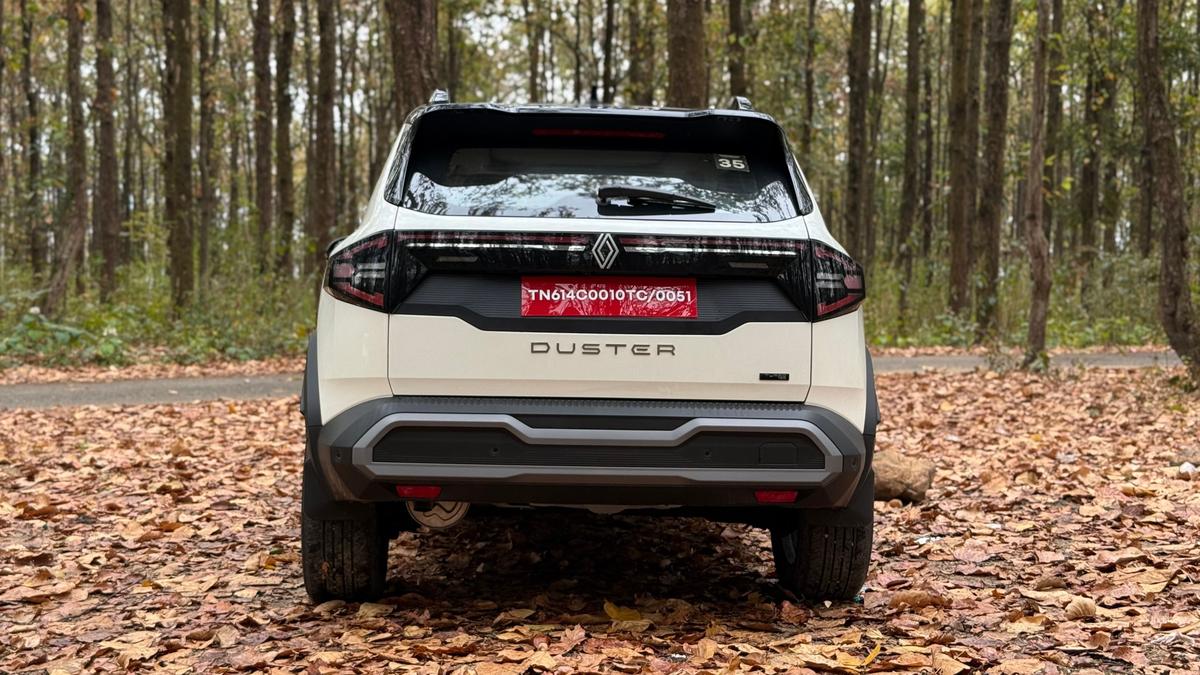
- Bodywork: A sculpted bonnet and pronounced silver skid plates that emphasize its "built for broken roads" ethos.
- Modern Touches: 18-inch diamond-cut alloy wheels and rear door handles integrated into the C-pillar, giving the profile a cleaner, more contemporary look.
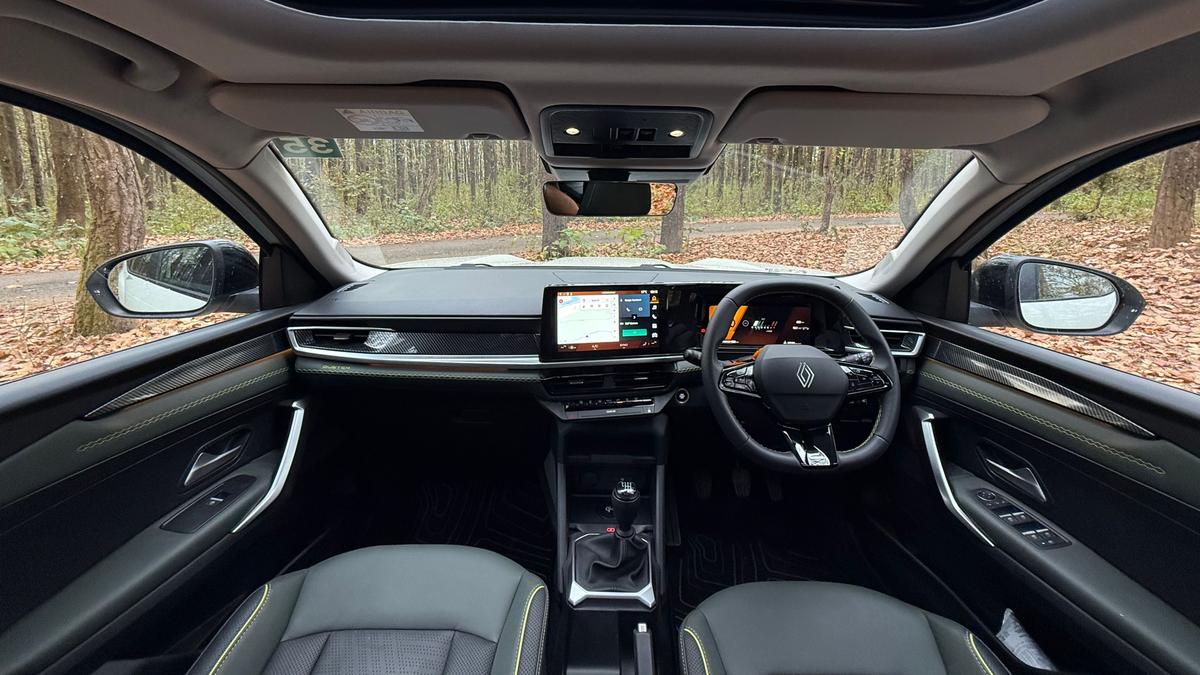
The Digital Cabin
The interior has undergone a radical transformation. Moving away from the utilitarian (and often criticized) plastics of the first generation, the new Duster features:
- Infotainment: A 10.1-inch floating touchscreen with Google-based services.
- Instrumentation: A 10.25-inch digital driver’s display.
- Comfort: Powered and ventilated front seats, a panoramic sunroof, and dual-zone climate control.
- Utility: A massive 518-litre boot, which remains a class-leading figure for long-distance touring.
2. Chronology: The Journey from Rule-Breaker to Returnee
To understand why the Duster’s return is significant, one must look at the timeline of its influence on the Indian market.
- 2012: The Disruptor Arrives: Renault launches the first-generation Duster. At the time, SUVs were mostly ladder-frame behemoths like the Scorpio or Safari. The Duster proved that a monocoque SUV could handle the Leh-Manali highway while being easy to park in a Mumbai mall.
- 2014-2016: The Golden Era: The Duster becomes a household name. Renault introduces the AWD (All-Wheel Drive) variant, cementing its status among off-road enthusiasts. However, the launch of the Hyundai Creta in 2015 begins to shift consumer focus toward "premiumness" and features.
- 2019-2021: The Transition: While the Duster receives facelifts and a powerful 1.3L turbo engine, the platform begins to show its age. Global markets move to the second and third generations, while India waits.
- 2022: The Hiatus: Renault India pauses Duster production, focusing on the Triber and Kiger, leaving a void in the mid-size SUV segment.
- 2024/2025: The Rebirth: Renault officially announces the return of the Duster, skipping a generation to bring the latest global iteration, complete with hybrid technology and a sophisticated new design language.
3. Supporting Data: Engineering and Performance Metrics
The new Duster is not just a cosmetic upgrade; it is a mechanical overhaul designed to meet modern emission norms and performance expectations.
Powertrain Breakdown
Renault offers three distinct engine options to cater to different buyer profiles:
-
The 1.3-Litre Turbo-Petrol (Flagship):
- Output: 163hp and 280Nm of torque.
- Transmission: 6-speed Manual or a 7-speed Dual-Clutch Transmission (DCT).
- Performance: Known for a strong mid-range, this engine—co-developed with Daimler—allows the Duster to be an effortless highway cruiser.
-
The 1.0-Litre Turbo-Petrol (Value-Focused):
- Output: 100hp and 160Nm.
- Target: Urban commuters looking for the Duster’s presence without the premium price tag of the 1.3L engine.
-
The Strong Hybrid (The Future-Proofer):
- System: A 1.8-litre petrol engine paired with an electric motor.
- Combined Output: 160hp.
- Expected Launch: Around the Diwali festive season.
Efficiency vs. Real-World Usage
While Renault claims fuel efficiency figures exceeding 18 kmpl for its turbo-petrol variants, real-world testing paints a more nuanced picture. In a mix of hill climbs and spirited driving, the 1.3 Turbo returned approximately 13 kmpl. For an engine producing 163hp, these figures are respectable, though urban stop-and-go traffic is expected to hover around the 10-11 kmpl mark.
Ride Quality and Suspension
The Duster’s "calling card" has always been its ride quality. The new model employs a sophisticated suspension setup that manages to isolate the cabin from sharp undulations.
- Ground Clearance: Remains high (approx. 210mm), allowing it to tackle water-logged roads and rural tracks with ease.
- Handling: The transition to the CMF-B platform has reduced body roll significantly compared to the original model, making it feel more "planted" during high-speed cornering.
4. Official Responses and Strategic Positioning
Renault’s leadership has been clear about the Duster’s role in their "Renaulution" strategy for India. The focus is not on winning a "feature war" against the Hyundai Creta or Kia Seltos, but on offering a "purer" SUV experience.
On the Absence of AWD
One of the most discussed points among enthusiasts is the lack of an All-Wheel Drive (AWD) option at launch. Renault officials have noted that while the CMF-B platform is AWD-ready, the current market demand in India is overwhelmingly skewed toward Front-Wheel Drive (FWD) for fuel efficiency and cost reasons. However, the company has left the door open, stating that if there is a demonstrated demand from the "Duster Community," an AWD variant could be introduced in a future update.
On the "Robustness" Philosophy
Renault’s design team emphasizes that the Duster is "built for life." This is reflected in the interior choices. While rivals move toward touch-sensitive panels for everything, Renault has retained physical buttons for climate control. This was a deliberate choice based on customer feedback, ensuring that drivers can operate essential functions by feel alone while navigating rough terrain.
5. Implications: What the Duster’s Return Means for the Market
The re-entry of the Duster is more than just a product launch; it is a shift in the segment’s gravity.
Challenging the Korean Duopoly
For years, the Hyundai Creta and Kia Seltos have dominated by offering panoramic sunroofs, ventilated seats, and massive screens. The Duster now offers those same features but wraps them in a package that feels significantly more rugged. It appeals to a buyer who finds the Korean offerings perhaps a bit too "delicate" for heavy-duty touring.
The Hybrid Shift
The upcoming 1.8L Strong Hybrid is a direct challenge to the Maruti Suzuki Grand Vitara and Toyota Hyryder. By offering a hybrid that doesn’t compromise on power (160hp), Renault is targeting the environmentally conscious buyer who still demands performance—a niche that is currently underserved.
Brand Loyalty and Resale
The original Duster still commands a strong following in the used car market. This "legacy equity" gives Renault a head start. Existing Duster owners who were looking for an upgrade but didn’t want to leave the brand now have a viable, modern path forward.
Final Verdict
The Renault Duster has returned with a clear sense of self. It does not try to be a luxury car, nor does it pretend to be a hardcore rock-crawler in its standard trim. Instead, it occupies the vital middle ground: a refined, tech-savvy, and powerful SUV that isn’t afraid to get its boots dirty.
In an era of "soft-roaders," the Duster remains a reminder of what a true crossover should be. It is built for broken roads, but refined enough for everyday life. Whether it can reclaim its crown remains to be seen, but one thing is certain—the Duster hasn’t just returned to the fight; it has brought a bigger set of gloves.
Disclaimer: Technical specifications and pricing are based on the latest manufacturer data for the 1.3 Turbo ICONIC and related variants. Real-world fuel efficiency may vary based on driving conditions.
