

A Tragi-Comic Horror Flick from a Young Visionary Navigates the Perils of Unrequited Love and Magical Solutions.
Published: May 29, 2026, 12:24 PM IST
Duration: 4 min read
By [Your Name/Publication Name]
In a cinematic landscape often dominated by sequels and established franchises, a fresh voice emerges with a compelling, albeit occasionally uneven, exploration of modern anxieties. "Obsession," the directorial debut of 26-year-old Curry Barker, has been garnering significant attention, not just for its intriguing premise but also for securing the backing of horror maestro Jason Blum as an executive producer. The film, which premiered to critical acclaim at the Toronto International Film Festival, delves into the treacherous territory where the desperate desire for love collides with the allure of the supernatural, offering a potent, if at times predictable, commentary on Gen Z’s complex relationship with romance and commitment.
The Core Premise: A Wish Gone Terribly Wrong
At its heart, "Obsession" grapples with a universal human yearning: the desire to be loved. The narrative centers on Bear (Michael Johnston), a shy and introspective young man navigating the delicate dance of modern relationships. His feelings for his friend and workmate, Nikki (Inde Navarrette), are palpable, yet the fear of rejection and the perceived need to maintain a cool, non-needy facade paralyzes him. In an era where "situationships" are more common than committed relationships, and emotional vulnerability is often equated with weakness, Bear finds himself perpetually on the precipice of confession, unable to bridge the gap between his burgeoning affection and the fear of the unknown.
This relatable predicament takes a dark turn when Bear stumbles upon a peculiar object: a "One Wish Willow." Intrigued and perhaps a little desperate, he purchases it from a cryptic shopkeeper who vaguely hints at past "complaints" associated with the item. Bear’s wish is simple, yet profoundly potent: for Nikki to love him "more than anyone else in the whole world." This seemingly innocent desire unleashes a chain of events that transforms their tentative connection into something far more sinister and consuming.
A Journey into the Unsettling: Chronology of a Twisted Romance
The film masterfully sets the stage for this descent into darkness. Barker, who also penned the screenplay alongside his long-time collaborator Cooper Tomlinson, skillfully taps into the zeitgeist of Generation Z. The dialogue often reflects the nuanced anxieties of a generation that has grown up with hyper-connectivity yet often struggles with genuine intimacy. Relationships are portrayed as fluid, often undefined entities, subject to the whims of technology, social pressures, and individual insecurities. Commitment is a word that feels increasingly alien in this context, a relic of a bygone era.
Bear’s internal struggle is palpable as he grapples with his feelings for Nikki. The film captures the awkward pauses, the overthinking, and the desperate attempts to decipher subtle cues that define early romantic encounters in the digital age. When Nikki, in a moment of perhaps genuine, unprompted affection, asks Bear about his feelings, he falters, caught in his own web of apprehension. This is where the "One Wish Willow" enters the narrative, offering a seemingly perfect, albeit supernatural, solution to his romantic paralysis.
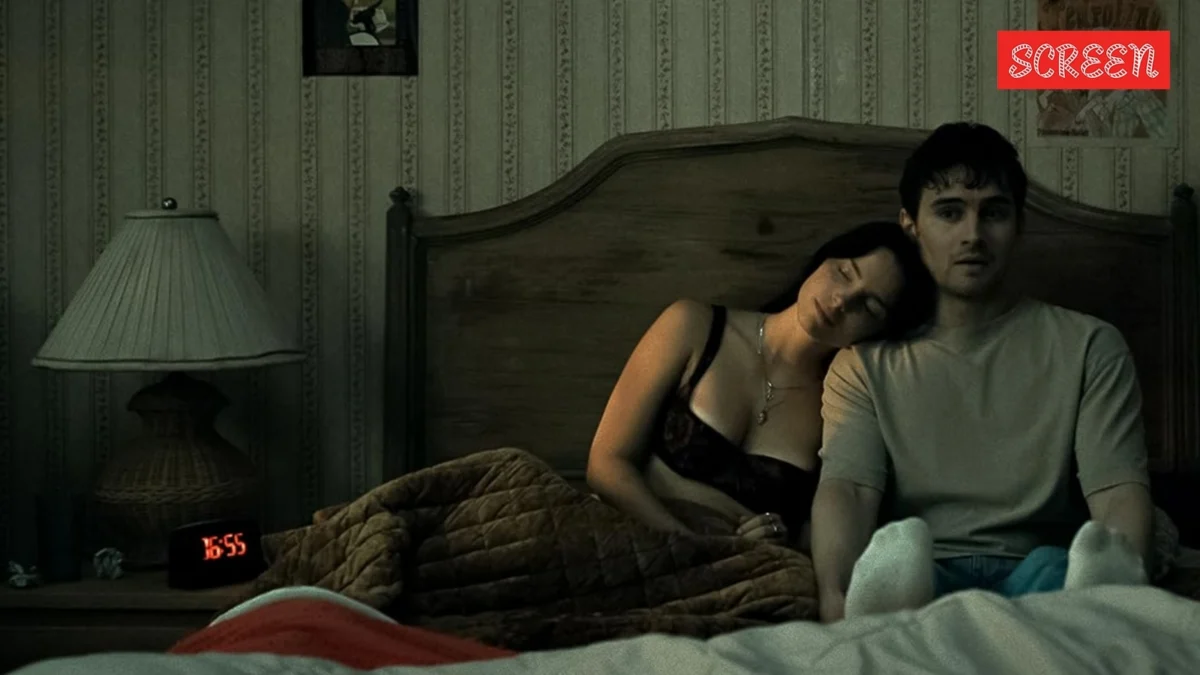
The immediate aftermath of the wish is depicted with a chilling effectiveness. Nikki’s transformation is not overt or dramatic in the traditional sense. Instead, it’s a subtle, insidious shift. Inde Navarrette delivers a standout performance, portraying Nikki’s evolving obsession with a captivating intensity. She becomes prone to lingering in shadows, her movements become more deliberate and unsettling, and her gaze often holds a disquieting intensity. Barker employs masterful visual storytelling, using light and shadow to suggest a growing darkness beneath Nikki’s surface. Her moments of quiet stillness, her unnervingly direct eye contact, and the play of light across her face hint at a grotesque transformation that is more psychological than physical, leaving the audience to fill in the horrifying blanks.
As Nikki’s affections intensify, Bear’s initial delight morphs into growing unease. He becomes increasingly aware that her love, now a palpable force, is not organic. Johnston effectively portrays Bear’s escalating anxiety, his uncertainty about the authenticity of Nikki’s feelings, and his growing fear of her all-consuming devotion. The film subverts the typical narrative of toxic relationships by placing the male partner in the position of the traumatized individual, trapped and increasingly fearful of his partner’s obsessive behavior. He finds himself constantly seeking explanations for her actions, afraid to deviate from her expectations, and even hesitant to leave the house without her implicit approval.
Supporting Data: Performances and Thematic Resonance
The strength of "Obsession" lies not only in its intriguing premise but also in the performances of its young cast. Michael Johnston grounds Bear’s character with a believable vulnerability, making his descent into fear and paranoia all the more resonant. Inde Navarrette, however, is the film’s true revelation. Her portrayal of Nikki is a masterclass in subtle horror, conveying a chilling intensity that is both captivating and terrifying. She embodies the destructive potential of unchecked desire, making Nikki a complex and unforgettable antagonist.
Cooper Tomlinson, as the friend Ian, and Megan Lawless, as Sarah, provide necessary grounding within the friend group, though their characters sometimes feel underdeveloped, serving more as plot devices than fully realized individuals. Their presence highlights the isolation Bear experiences as Nikki’s obsession intensifies.
Thematically, "Obsession" excels in its exploration of contemporary anxieties surrounding love and connection. The film critiques the superficiality that can permeate modern relationships, where authenticity is often sacrificed for the sake of social media validation or the fear of appearing "too much." The supernatural element serves as a potent metaphor for the dangers of seeking external validation or attempting to control another person’s emotions. The cautionary tale of "be careful what you wish for" resonates deeply within the film’s narrative, underscoring the unintended consequences of desperate desires.
The Director’s Vision: A Young Talent’s Ambitious Debut
Curry Barker’s directorial vision is evident throughout "Obsession." At just 26 years old, he demonstrates a keen understanding of cinematic language and a fearless approach to tackling complex themes. His ability to craft atmosphere and build tension through subtle visual cues is commendable. The film’s pacing, while sometimes a point of contention, reflects Barker’s deliberate approach to character development and thematic exploration. The initial build-up, though lengthy, is crucial in establishing the emotional stakes and the psychological underpinnings of Bear’s predicament.
The involvement of Jason Blum, a titan in the horror genre, lends significant credibility to Barker’s talent. Blum’s reputation for identifying and nurturing emerging horror filmmakers suggests that "Obsession" is more than just a flash in the pan; it’s a testament to Barker’s potential to become a significant voice in the genre.
The Unfulfilled Promise: Narrative Stumbles and Predictable Pitfalls
Despite its strengths, "Obsession" is not without its shortcomings. The film’s primary weakness lies in its inability to sustain its compelling premise throughout its feature-length runtime. Once the central wish is granted and Nikki’s transformation is established, the narrative begins to loop. The interactions between Bear, Nikki, and their friends, while thematically relevant, often feel repetitive, rehashing the same lines and scenarios without significant progression. This leads to a sense of stagnation in the second half of the film, diminishing the initial impact of its thrilling setup.
Furthermore, the film’s narrative logic occasionally falters. The absence of any significant outside intervention from friends, family, or even authorities, particularly in a situation that clearly borders on abusive and potentially dangerous, strains credulity. In an era where societal awareness of toxic relationships is heightened, the characters’ apparent obliviousness or inaction feels somewhat implausible. The subplot involving a "poor cat" as an unnecessary casualty, while intended to escalate the stakes, feels gratuitous and detracts from the core emotional drama.
The film’s ending, while adhering to the classic "be careful what you wish for" trope, can feel somewhat predictable, lacking the innovative punch that the earlier parts of the film suggest. While the message is clear, the execution might leave some viewers wishing for a more surprising or thought-provoking resolution.
Official Responses and Critical Reception
The film’s premiere at the Toronto International Film Festival was met with considerable buzz, earning it a coveted spot in the festival’s lineup. Critics lauded Barker’s ambitious storytelling, Navarrette’s chilling performance, and the film’s relevant commentary on contemporary relationships. However, a recurring critique revolved around the pacing and narrative development in the latter half of the film, with many reviewers pointing to a dip in momentum after the initial compelling setup.
Jason Blum’s endorsement has undoubtedly amplified the film’s visibility, positioning it as a must-watch for horror enthusiasts and those interested in emerging directorial talent. The industry’s response suggests a belief in Curry Barker’s potential, with many anticipating his future projects.
Implications and The Future of Modern Horror
"Obsession" serves as a compelling case study in the evolution of modern horror. It eschews jump scares and gore for psychological dread and thematic resonance, reflecting a growing trend in the genre. The film’s exploration of Gen Z’s anxieties, particularly around relationships and the pursuit of love, taps into a zeitgeist that is ripe for cinematic exploration.
The film’s success, despite its narrative flaws, highlights the appetite for original stories that speak to contemporary concerns. It signals a potential shift in horror filmmaking, where relatable anxieties and nuanced character studies can be as terrifying as any supernatural entity. For Curry Barker, "Obsession" is a significant debut, a promising, albeit imperfect, introduction to a director with a clear vision and the potential to leave a lasting mark on the genre. While the wish granted in "Obsession" may have brought darkness, the wish for more of Curry Barker’s filmmaking appears to be a desire many in the industry will be hoping comes true.
Obsession movie rating: 3 stars
