Bengaluru, India – In a world increasingly conscious of its environmental footprint, the principle of "waste not, want not" is no longer just a quaint adage; it’s a powerful driving force behind innovation and sustainable living. In the bustling city of Bengaluru, two individuals, Sudha Mahalingam and Kiran TN, are embodying this philosophy, transforming discarded remnants of wood into exquisite and functional pieces of art and decor. Their work highlights a profound shift in how we perceive and utilize resources, demonstrating that even the most overlooked materials can hold immense potential.
The Rise of Resourceful Artisans
The narrative of waste often conjures images of overflowing landfills and environmental degradation. However, for Sudha Mahalingam and Kiran TN, the "leftovers" of civilization are the genesis of their creative endeavors. These Bengaluru-based artisans have independently discovered the profound satisfaction and artistic merit in repurposing discarded wood, breathing new life into what was once considered mere debris. Their journeys, though distinct, converge on a shared commitment to sustainability, creativity, and the inherent beauty of natural materials.
Sudha Mahalingam: An Elder Stateswoman of Upcycling
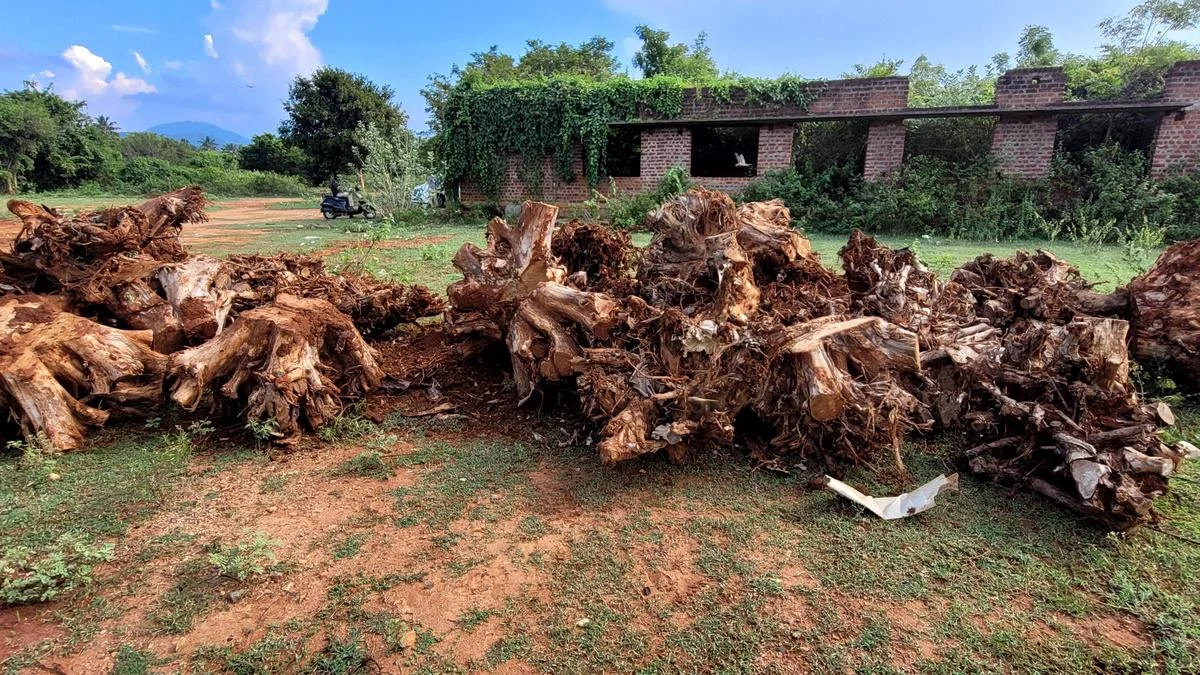
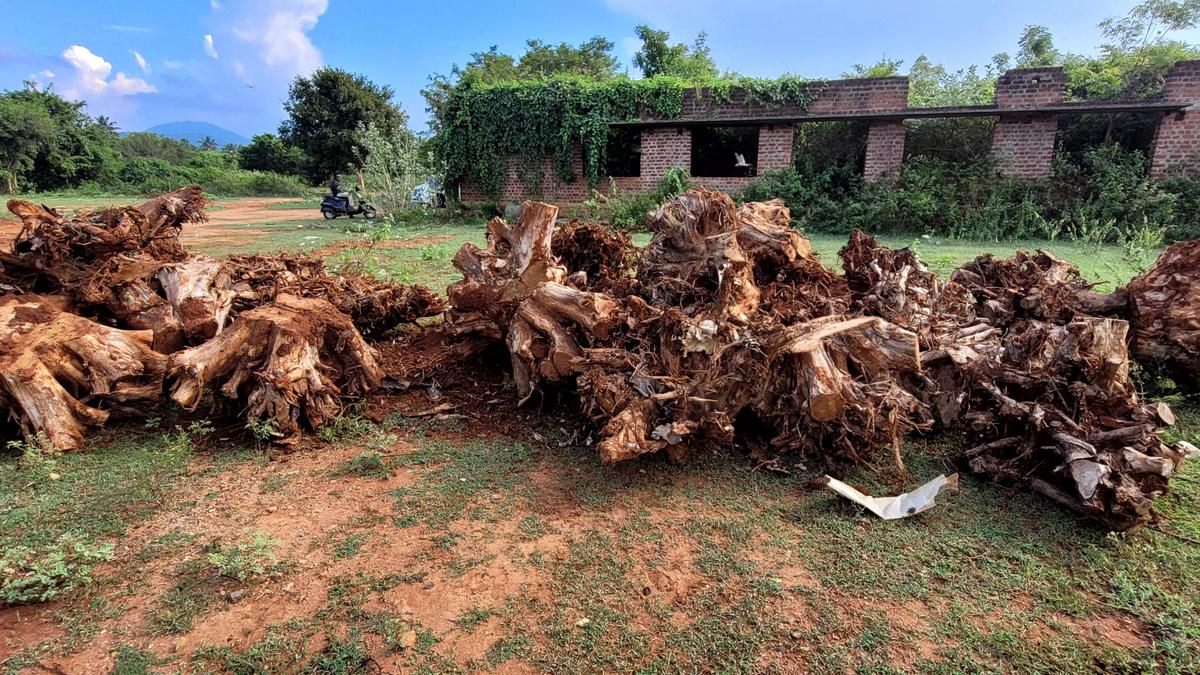
At the vibrant age of over 70, Sudha Mahalingam stands as a testament to the adage that creativity knows no age limits. Her foray into transforming discarded wood began organically, spurred by the rapid development transforming her North Bengaluru neighborhood. As farms and forests gave way to new housing layouts, trees were felled, leaving behind a wealth of gnarly, knobbly wood pieces.
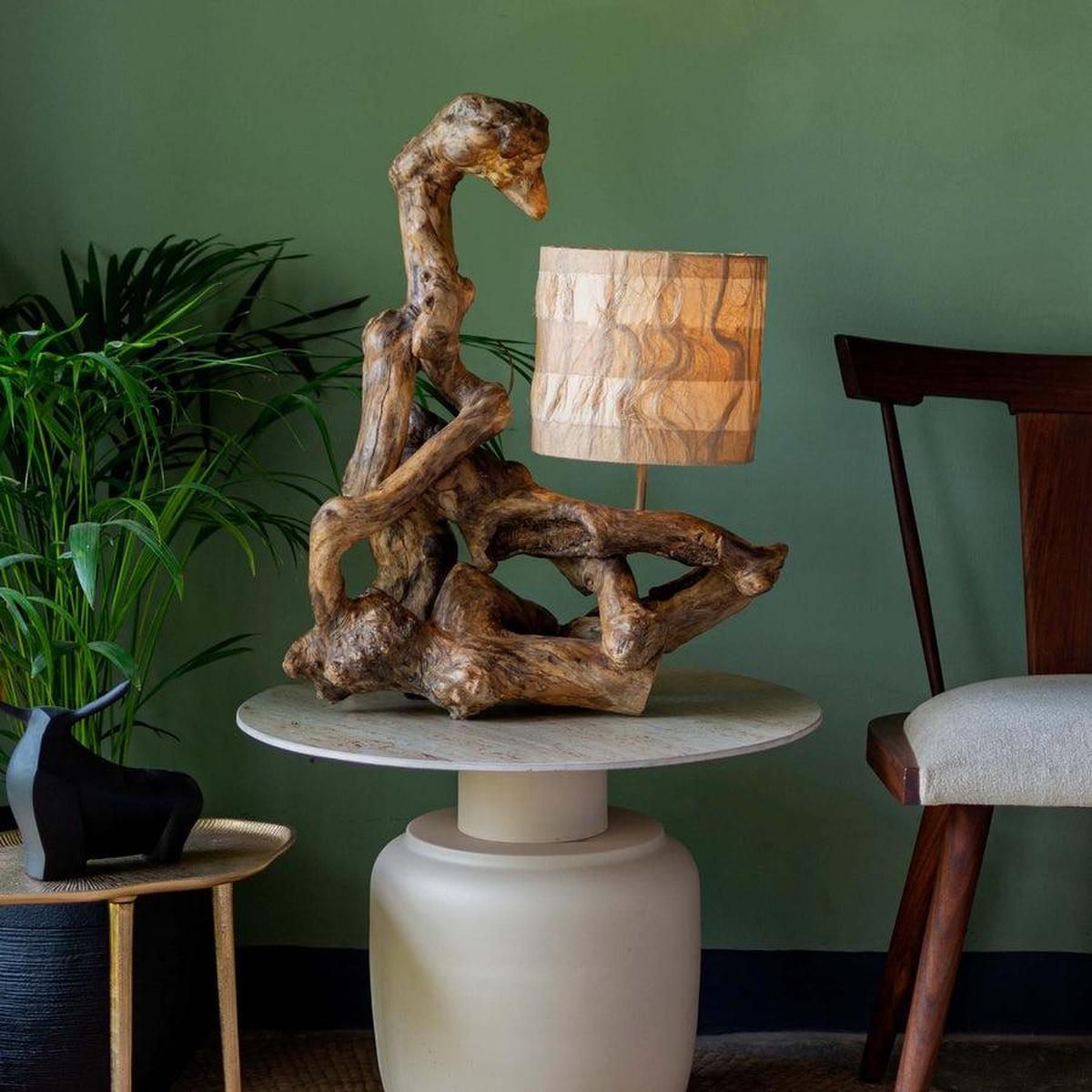
"Trees were being cut, and everywhere I looked, these uniquely shaped pieces of wood were strewn about," Sudha recounts. "I would bring them home, clean them up, and ponder what they could become. I also picked up wild calabashes that were abundant in the area. They would dry and fall, and I saw in their shapes a potential for lamps."
Driven by an innate curiosity and a desire to find purpose in these discarded elements, Sudha embarked on a journey of self-education. She delved into online tutorials, learning the intricacies of wiring and installing electrical components. Her initial creations, lamps fashioned from dried calabashes and repurposed wood, were met with enthusiastic appreciation from visitors to her home. This positive reception ignited a passion, encouraging her to expand her repertoire.
"I began using these lamps at home; they were highly appreciated by guests, which encouraged me to make more," she explains. Sudha’s commitment to natural aesthetics is evident in her meticulous approach. Beyond the essential electrical components, she prioritizes using natural materials for polishing, opting for linseed and tung oils to enhance the wood’s inherent beauty.
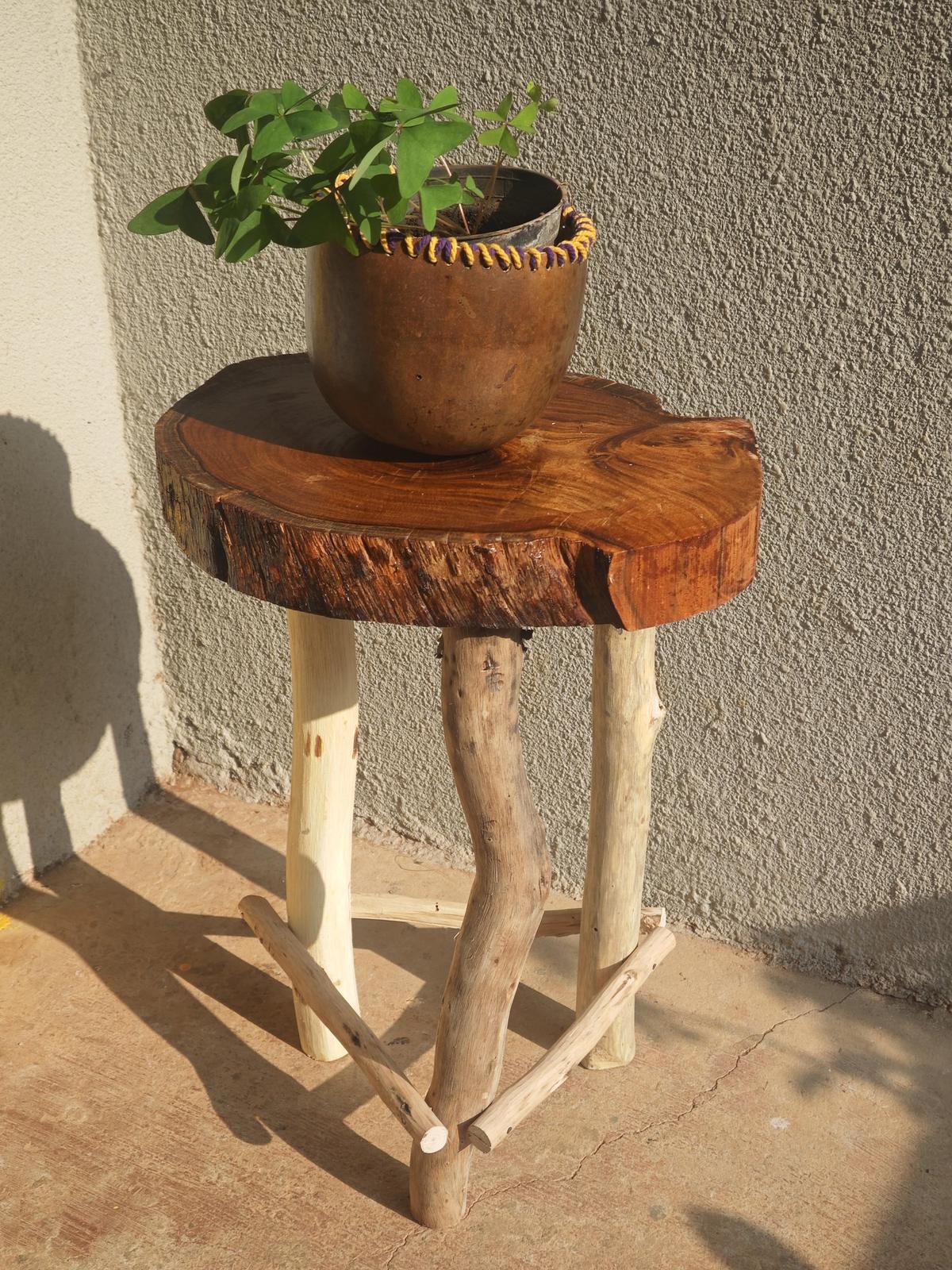
Her creative vision soon extended beyond lighting. Sudha began crafting mirrors, clocks, and hangers, each piece reflecting her unique perspective on form and function. The irregularly shaped slabs of wood, once deemed unusable, were skillfully transformed into charming tables. Last year, she held an exhibition-and-sale to showcase her burgeoning collection, a testament to her prolific output.
"There is no end to what you can do with a little bit of creativity," Sudha muses. "And soon I began making tables from irregular-shaped slabs of wood."
Despite the initial challenge of embracing new technology, Sudha established an Instagram account, @vana_vriksha, to share her creations with a wider audience. This move underscores her adaptability and her desire to connect with a community that values her artistic vision. Her embrace of the digital platform is particularly noteworthy, considering her prior accomplishments, including penning her first book at the age of 70.
"I am always looking for things to do by hand, and I learned studio pottery for six months. My furniture, too, is handmade. I like having natural things at home, and these pieces crafted from cast-off wood fit neatly into that philosophy," she states. Sudha’s artistic pursuits are diverse; she is also an accomplished photographer with several exhibitions to her credit, a published author, and a creator of lamp shades from recycled bottles. Her guiding principle remains clear: "I believe these things I fashion should serve a functional purpose and not be merely decorative."
Kiran TN: From Bali Inspiration to Bengaluru Craftsmanship
Kiran TN’s journey into the world of wood upcycling was sparked by an inspiring encounter during a trip to Bali. He was captivated by the Balinese artisans’ ability to transform natural root shapes into aesthetically pleasing and functional decor items.
"I was fascinated by their creativity and impressed with the manner in which the original silhouette was retained," Kiran recalls.
Initially, Kiran considered importing these products from Bali. However, a crucial realization dawned upon him: India, and particularly Bengaluru, was abundant with the very raw material that fueled this craft.
"There is discarded wood all around us – from trees felled and left by the roadside to scaffolding used in construction and more," he observes.
His family’s coffee estate also proved to be a valuable source of raw material. Kiran highlights the inherent beauty of coffee wood, noting its naturally attractive shapes and rich colors. After extensive research and experimentation with initial concepts, Kiran launched his venture in 2018, beginning with the innovative combination of molten glass bowls atop meticulously selected pieces of wood.
"I would travel to Firozabad to get this done, and since the feedback from vendors was favourable, I gradually began making table and floor lamps too," he explains.
Expanding his sourcing beyond coffee wood, Kiran began collaborating with sawmills that would discard logs with internal imperfections. This marked a significant turning point in his approach.
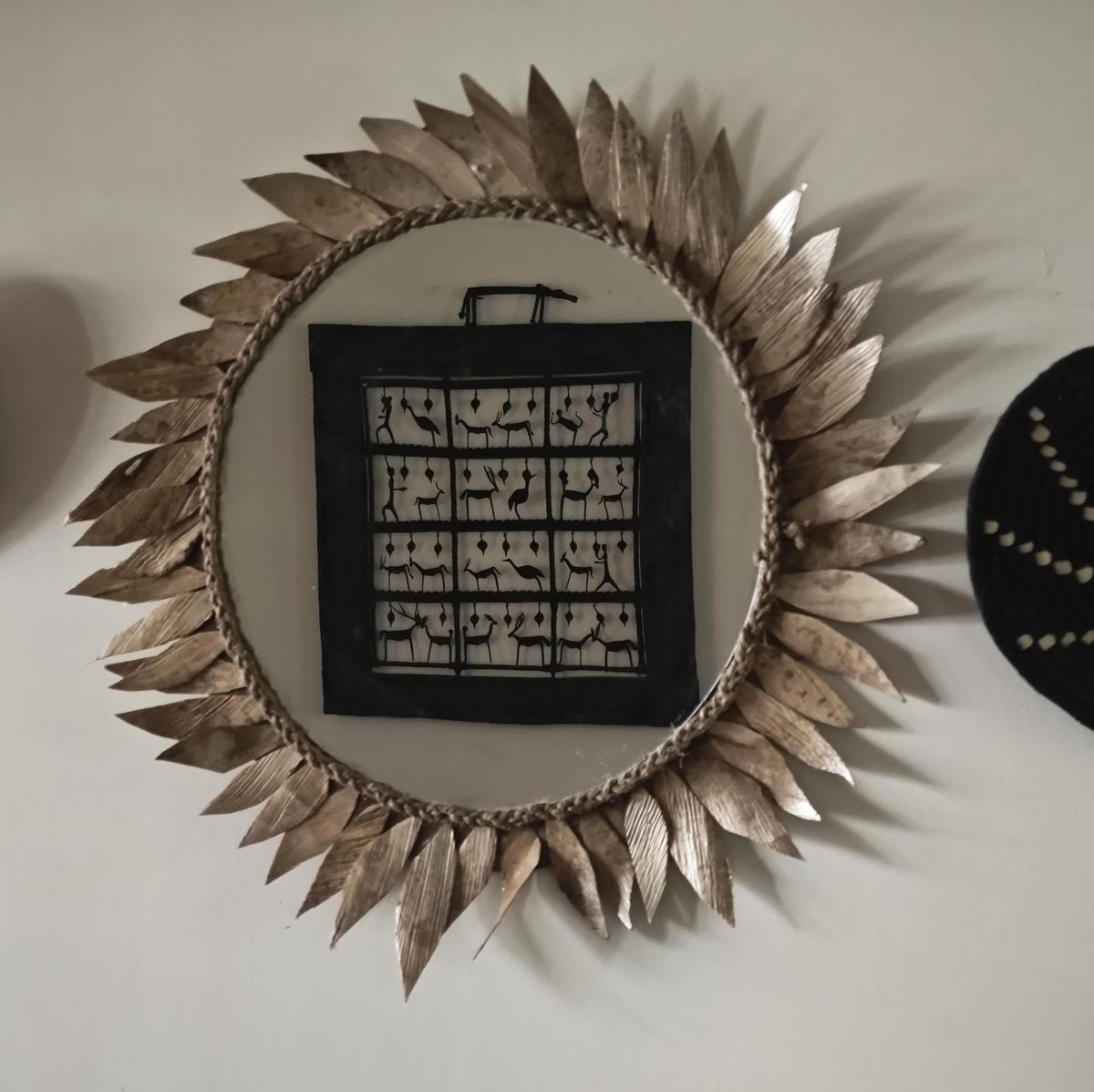
"We began cutting these into slabs and creating designs around it," he says. "Soon, we were making mirrors, hanging lights, and other products we developed based on ideas from friends, customers, and others."
A pivotal moment in his business development came through collaboration with designers from a prominent Bengaluru decor store. Their expertise provided invaluable insights into preserving the natural essence of the wood.
"They shared valuable inputs on how the naturality of the wood should not be touched, and how a product should be built around it," Kiran emphasizes. "We only had the raw material and a few ideas; their know-how and techniques helped us immensely."
Today, Kiran’s firm, Fuzed Crafts, operates on a model that actively encourages customer participation and customization.
"People come in with some pieces of wood and ask if we can make a centre table," he says. "Apart from finished products, our studio has logs and other cut pieces, which people can customise to their requirements. We take the risk of fashioning it and making something new."
The inherent uniqueness of each wood piece ensures that every creation from Fuzed Crafts is a one-of-a-kind item. Kiran explains that their catalogue serves as a reference, offering customers an imaginative glimpse into the vast possibilities of what can be created.
"We are a sustainable unit and do not cut trees to make our products," Kiran asserts. "We only use what has been discarded, and this includes roots which are usually used for firewood. If properly maintained, these pieces can last a long time."
Beyond utilizing discarded wood, Fuzed Crafts also embraces the concept of upcycling more substantial pieces, such as traditional ornate doors, transforming them into elegant dining tables or captivating wall hangings, thereby preventing their destruction and preserving their historical significance.
The Environmental and Economic Implications
The work of Sudha Mahalingam and Kiran TN extends far beyond artistic expression; it carries significant environmental and economic implications.
Environmental Impact: Reducing Landfill Burden and Conserving Resources
At its core, their practice is a direct antidote to the growing problem of waste. By repurposing discarded wood, they divert materials from landfills, significantly reducing the volume of waste that requires disposal. This, in turn, lessens the strain on landfill capacity and minimizes the environmental hazards associated with waste decomposition, such as methane gas emissions and groundwater contamination.
Furthermore, upcycling wood inherently conserves natural resources. Instead of felling new trees for raw material, these artisans utilize materials that have already served their initial purpose. This reduces the demand for virgin timber, contributing to forest preservation, biodiversity protection, and the mitigation of deforestation. The process of creating new products from existing materials also generally requires less energy and water compared to manufacturing from raw resources, further enhancing their sustainability quotient.
Economic Opportunities: Fostering Local Craftsmanship and Circular Economy
The endeavors of Sudha and Kiran are also creating valuable economic opportunities within their local communities. They are championing a circular economy model, where resources are kept in use for as long as possible, extracting maximum value from them, and then recovering and regenerating products and materials at the end of their service life.
This approach supports local artisans and small businesses, providing them with a unique niche and a competitive advantage. By focusing on handcrafted, sustainable products, they cater to a growing market of environmentally conscious consumers who are willing to invest in unique, ethically produced items. The demand for such products can stimulate local economies, create employment, and foster a culture of innovation in sustainable design and manufacturing.
Moreover, their work challenges the traditional linear economic model of "take-make-dispose" and promotes a more regenerative system. By finding value in what was once considered waste, they demonstrate that economic growth and environmental responsibility can be mutually reinforcing.
The Art of Transformation: A Chronological Perspective
While Sudha and Kiran’s creative journeys are ongoing, their paths to upcycling have distinct chronological markers.
Sudha Mahalingam:
- Trigger Event: The rapid urbanization of her North Bengaluru neighborhood approximately two years prior to the article’s publication, leading to the felling of trees and the availability of discarded wood.
- Initial Exploration (circa 2 years ago): Began collecting discarded wood pieces and wild calabashes, experimenting with their shapes and potential uses.
- Skill Acquisition: Taught herself how to affix wires and switches for lamp making through online tutorials.
- Early Creations: Developed and used lamps made from repurposed materials in her own home.
- Expansion of Craft: Branching out into crafting mirrors, clocks, hangers, and tables from irregular wood slabs.
- Public Showcase: Held an exhibition-and-sale of her work last year to manage her growing inventory.
- Digital Presence: Created an Instagram account (@vana_vriksha) to showcase her creations.
- Ongoing Endeavors: Continues to explore new projects, drawing inspiration from her philosophy of functional art and natural aesthetics.
Kiran TN (Fuzed Crafts):
- Inspiration (Several years ago): A trip to Bali, where he observed the creative use of natural root shapes for decor and functional items.
- Initial Concept Development: Considered importing similar products but recognized the abundant raw material availability in India.
- Sourcing Raw Material: Utilized discarded wood from roadsides, construction sites, and his family’s coffee estate (specifically coffee wood).
- Early Product Development (2018): Began by setting molten glass bowls atop wood pieces.
- Expansion of Product Line: Gradually started making table and floor lamps.
- Collaboration and Refinement: Partnered with designers from a well-known decor store, gaining valuable insights into preserving the wood’s natural form.
- Diversification of Sourcing: Began sourcing discarded logs with internal holes from sawmills.
- Introduction of Customization: Opened his studio to customers who bring their own wood pieces for customization.
- Upcycling Larger Items: Began upcycling traditional doors into furniture and wall hangings.
- Current Operations: Fuzed Crafts continues to innovate, accepting customer ideas and requests, and maintaining a strong commitment to sustainability.
Supporting Data and Trends
The work of Sudha Mahalingam and Kiran TN is not an isolated phenomenon. It aligns with several growing global and national trends:
- The Rise of the Circular Economy: Globally, there is a significant push towards circular economic models that prioritize reuse, repair, and recycling over linear consumption patterns. The United Nations Environment Programme (UNEP) highlights the potential of the circular economy to decouple economic growth from resource depletion.
- Growth in Sustainable Home Decor Market: The market for sustainable and eco-friendly home decor is experiencing robust growth. Consumers are increasingly seeking products that are ethically sourced, environmentally friendly, and have a lower carbon footprint. Reports from market research firms indicate a steady upward trajectory for this segment.
- Increased Consumer Awareness of Waste: Public awareness regarding the environmental impact of waste is at an all-time high. This heightened consciousness drives demand for products and services that offer sustainable alternatives.
- Government Initiatives for Waste Management and Sustainability: Many governments, including India’s, are implementing policies and initiatives to promote waste reduction, recycling, and the adoption of sustainable practices. Schemes like "Swachh Bharat Abhiyan" (Clean India Mission) indirectly encourage better waste management and resource utilization.
- The "Maker" Movement and DIY Culture: The resurgence of interest in handmade and artisanal products, coupled with the "maker" movement, empowers individuals to create and innovate with readily available materials, fostering a culture of resourceful creation.
Official Responses and Recognition
While specific official responses directly to Sudha Mahalingam and Kiran TN’s individual endeavors may not be extensively documented in mainstream news, their work resonates with broader governmental and organizational objectives related to waste management, sustainability, and skill development.
- Ministry of Environment, Forest and Climate Change (India): The Ministry actively promotes policies aimed at waste management and resource conservation. Initiatives like the Plastic Waste Management Rules and the Extended Producer Responsibility (EPR) framework encourage businesses to take responsibility for their products’ end-of-life management. The principles underpinning Sudha and Kiran’s work align perfectly with these broader environmental goals.
- Small Industries Development Bank of India (SIDBI) and other financial institutions: These bodies often provide support and funding for small and medium-sized enterprises (SMEs) that engage in innovative and sustainable practices. Artisans and small businesses focused on upcycling and sustainable manufacturing can potentially access financial assistance and incubation programs.
- Local Municipal Corporations (e.g., Bruhat Bengaluru Mahanagara Palike – BBMP): While not always directly involved in promoting individual artisans, municipal bodies play a crucial role in waste management infrastructure. Their efforts to improve waste segregation and recycling can create a more conducive environment for upcycling initiatives.
The recognition of their work often comes through media features, exhibitions, and the growing patronage of environmentally conscious consumers, which in turn can influence broader societal attitudes and potentially attract more formal support mechanisms.
Implications and Future Outlook
The inspiring work of Sudha Mahalingam and Kiran TN carries profound implications for the future of design, consumption, and environmental stewardship.
Redefining Value and Aesthetics
Their creations challenge conventional notions of beauty and value. By transforming discarded materials into desirable objects, they demonstrate that aesthetic appeal and functionality can be derived from the unconventional. This prompts a broader re-evaluation of what constitutes "waste" and encourages a more imaginative approach to resource utilization.
Driving the Circular Economy Forward
Sudha and Kiran are not just artisans; they are pioneers of the circular economy in their respective spheres. Their success stories provide tangible examples of how businesses can thrive by prioritizing sustainability and resourcefulness. This can inspire other entrepreneurs to explore similar models, fostering a more regenerative economic landscape.
Inspiring a New Generation of Conscious Consumers
By showcasing beautiful and functional products made from repurposed materials, they educate and inspire consumers. This can lead to a shift in purchasing habits, with individuals increasingly seeking out sustainable options and supporting businesses that align with their values.
Potential for Scalability and Wider Impact
While their current operations may be artisanal, the principles behind their work are highly scalable. With the right support, mentorship, and market access, their models could be replicated and expanded, creating a more significant impact on waste reduction and sustainable production. This could involve collaborations with larger design firms, educational institutions, or even government initiatives promoting green entrepreneurship.
The future looks promising for individuals and enterprises committed to sustainable practices. As awareness grows and technological advancements continue to support innovative reuse and recycling methods, the philosophy of "waste not, want not" is poised to become a cornerstone of a more responsible and beautiful world, with pioneers like Sudha Mahalingam and Kiran TN leading the charge. Their Bengaluru-based initiatives serve as powerful testaments to the transformative power of creativity, resourcefulness, and a deep respect for our planet.