

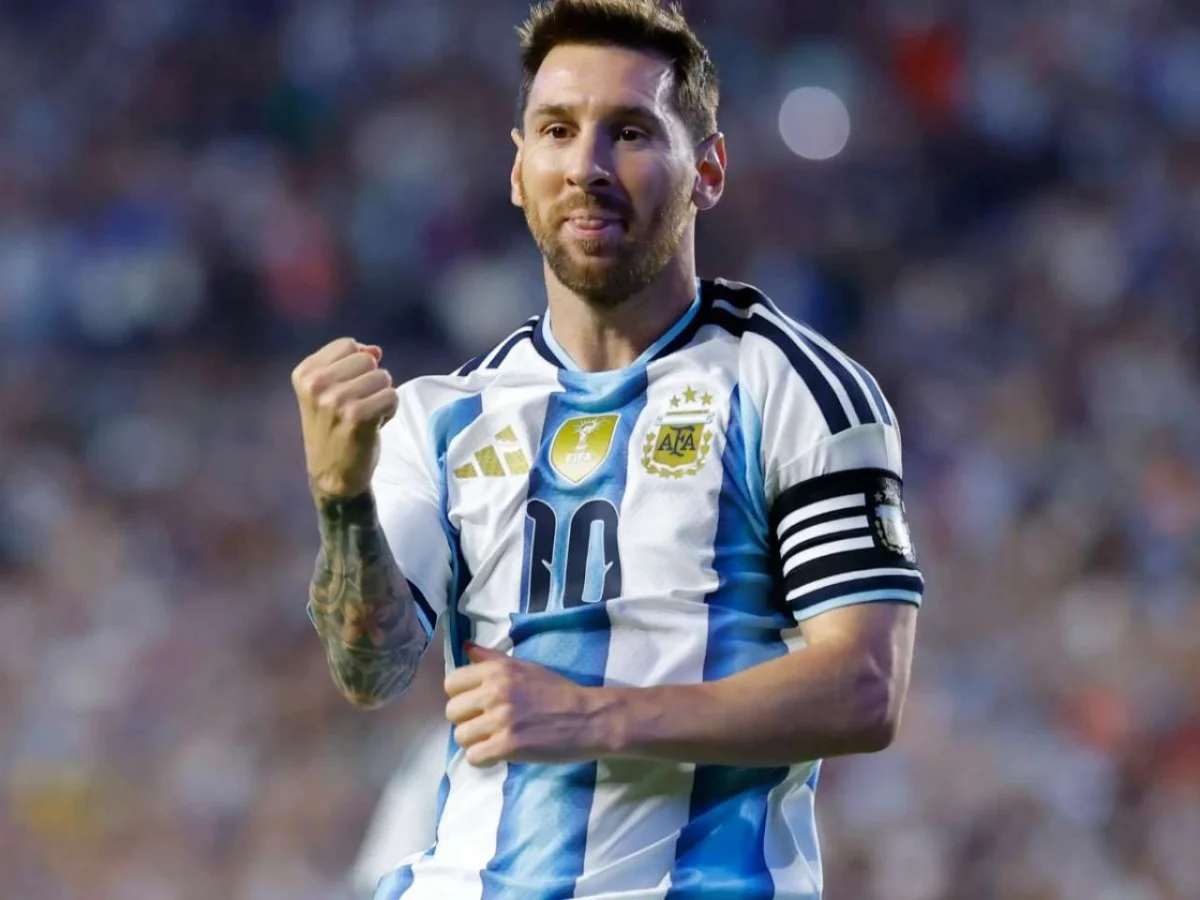
The echoes of footballing greatness continue to reverberate as the 2026 FIFA World Cup approaches, bringing with it the tantalizing prospect of new records being etched into history. At the heart of this anticipation is Lionel Messi, the Argentine maestro, who has received a significant endorsement from none other than Miroslav Klose, the current holder of the FIFA World Cup all-time goalscoring record. Klose, with remarkable grace and respect, has publicly declared his support for Messi to surpass his tally of 16 goals, expressing that he would be "happy" if the Argentine legend achieves this feat in what is expected to be his sixth World Cup appearance.
This endorsement not only adds a compelling narrative layer to the upcoming tournament but also sets the stage for a potential changing of the guard at the summit of World Cup goal-scoring. As Messi, the reigning champion, prepares for another shot at individual glory, the football world watches with bated breath, eager to witness if he can further solidify his already unassailable legacy.
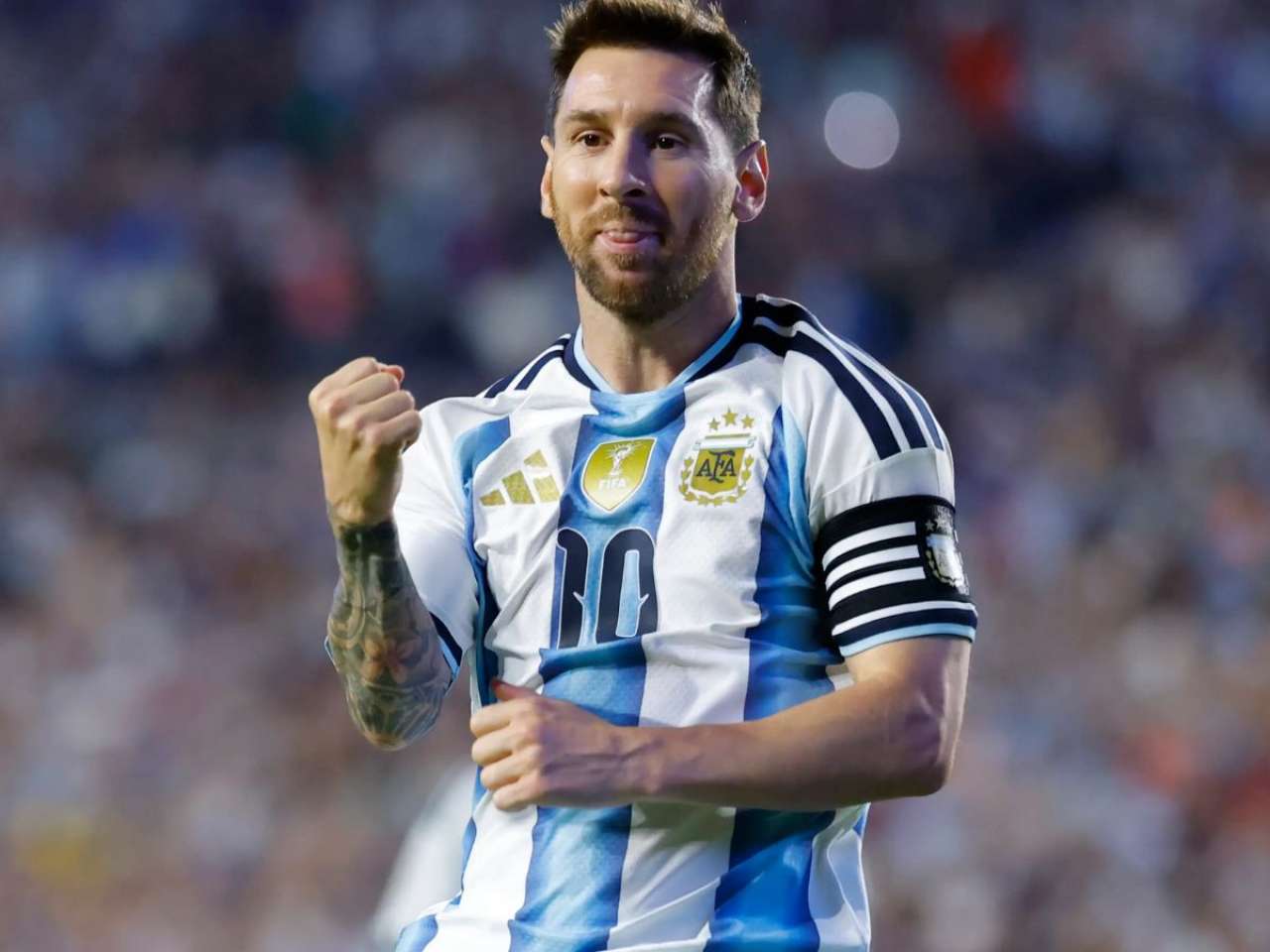
Main Facts: A Gauntlet Thrown, A Record in Sight
The Endorsement from a Legend
Miroslav Klose, the epitome of a clinical World Cup striker, currently stands as the undisputed record holder with 16 goals scored across four tournaments. His declaration that he would welcome Lionel Messi breaking his record is a testament to the respect shared among football’s elite. Klose’s statement isn’t merely a polite nod; it’s an acknowledgement of Messi’s unparalleled genius and the evolving landscape of international football. His willingness to see his personal achievement surpassed by a player he clearly admires speaks volumes about his sporting integrity and understanding of the game’s broader narrative. For a record holder to actively encourage a challenger underscores the magnitude of Messi’s impact and the universal appreciation for his talent.
Messi’s Pursuit: Six World Cups, 13 Goals, and Counting
Lionel Messi enters the 2026 FIFA World Cup poised on the cusp of history. With 13 goals accumulated over five previous World Cup editions, he stands just three goals shy of Klose’s record. This places him firmly in contention, not only to equal but potentially to shatter the existing benchmark. Argentina, riding high as the defending champions from their triumphant campaign in Qatar 2022, will look to Messi once again for inspiration. His participation in a sixth World Cup itself would be a record, showcasing an extraordinary longevity and consistent performance at the highest level of the sport. The narrative of Messi chasing this record adds an additional layer of excitement to his final act on the grandest international stage.
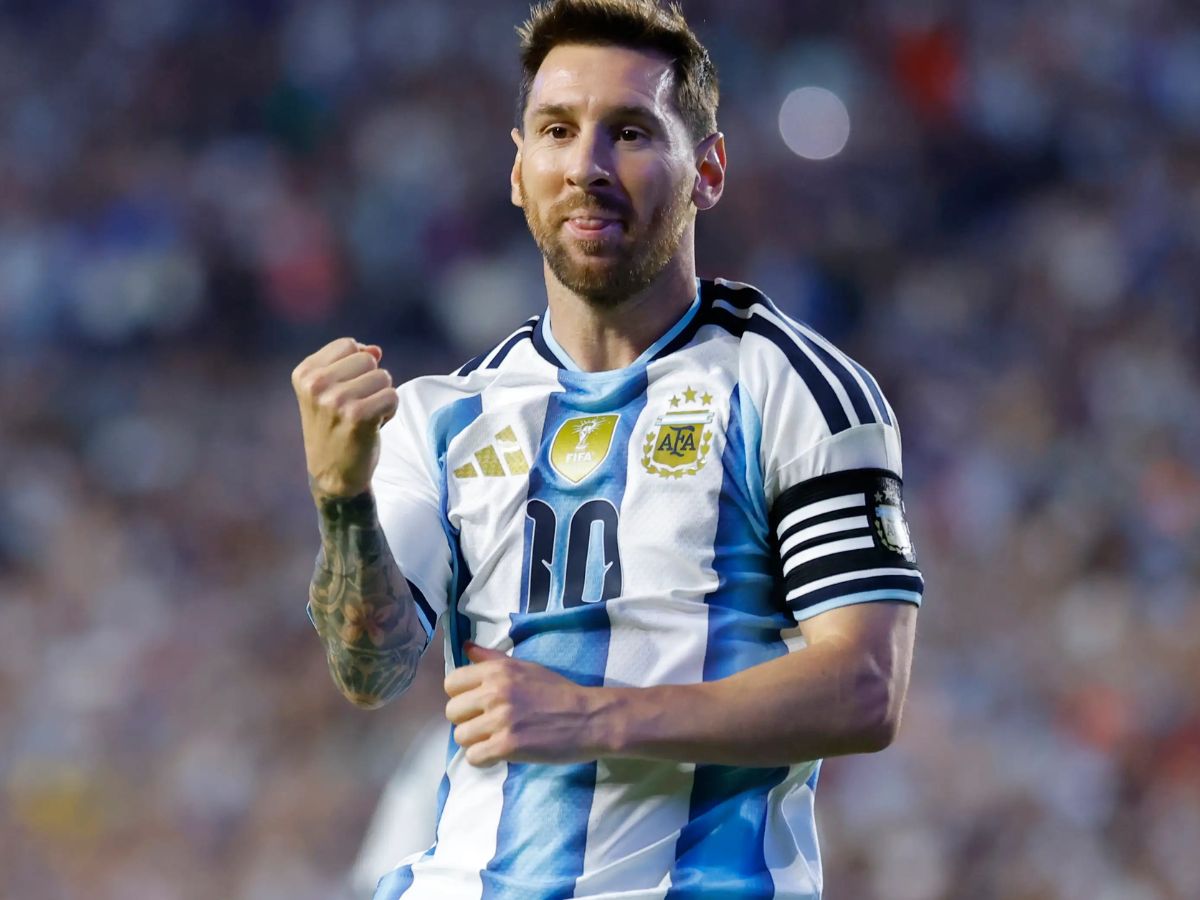)
The 2026 Stage: A Tournament of Unprecedented Scale
The 2026 FIFA World Cup, co-hosted by the United States, Canada, and Mexico, is set to be a tournament of unprecedented scale. With the expansion to 48 teams and an increased number of matches, the format inherently offers more opportunities for goal-scorers to accumulate tallies. This structural change, as Klose himself alluded to, creates a fertile ground for records to be broken. For players like Messi, who are integral to their national teams’ deep runs, the potential for playing more games means more minutes, more chances, and ultimately, more goals. The expanded format could accelerate the breaking of long-standing records, making 2026 a watershed moment for individual statistics.
Kylian Mbappé: The Young Challenger’s Blazing Pace
While much of the focus naturally gravitates towards Messi, another prodigious talent, Kylian Mbappé, looms large in the conversation. The French superstar has already amassed an astounding 12 goals in just two World Cup appearances. His explosive pace, clinical finishing, and relentless drive make him a formidable contender for the all-time record, potentially even ahead of Messi, given his age and likely future World Cup participations. Mbappé’s rapid accumulation of goals underscores his status as a generational talent and ensures that the race for the scoring record will be a captivating dual narrative, adding an extra layer of competitive intrigue to the 2026 tournament.

Chronology: A Tapestry of World Cup Goal-Scoring History
The Evolution of the Golden Boot: From Stábile to Fontaine
The history of the World Cup’s top scorer is a fascinating journey through different eras and styles of football. The inaugural tournament in 1930 saw Argentina’s Guillermo Stábile claim the first Golden Boot with 8 goals. Over the decades, legends like Sándor Kocsis (11 goals in 1954) and Just Fontaine (a remarkable 13 goals in a single tournament in 1958, a record that still stands) pushed the boundaries of individual scoring. Gerd Müller’s prolificacy saw him hold the record for many years with 14 goals, before Ronaldo Nazário surpassed him with 15. Each record-breaker added a chapter to the tournament’s rich history, their names synonymous with goal-scoring excellence on the global stage.
Miroslav Klose: The Unassuming Record-Breaker
Miroslav Klose’s journey to becoming the World Cup’s all-time leading scorer is a story of incredible consistency and longevity. His career spanned four World Cups (2002, 2006, 2010, 2014), a testament to his enduring fitness and unwavering commitment.
)
- 2002 (South Korea/Japan): Klose burst onto the scene with 5 goals, all headers, showcasing his aerial prowess as Germany reached the final.
- 2006 (Germany): Playing on home soil, he again netted 5 goals, earning him the Golden Boot as Germany finished third.
- 2010 (South Africa): He added 4 more goals to his tally, reaching 14, equaling Gerd Müller’s German record.
- 2014 (Brazil): In his final tournament, Klose scored two crucial goals. His strike against Ghana in the group stage brought him level with Ronaldo Nazário’s 15 goals, and his record-breaking 16th goal came in the historic 7-1 semi-final thrashing of Brazil. Klose’s humble demeanor and team-first attitude made him a beloved figure, and his record stands as a monument to his exceptional knack for finding the back of the net when it mattered most.
Lionel Messi’s World Cup Odyssey: A Journey of Peaks and Troughs
Messi’s World Cup journey has been a saga of evolution, expectation, and ultimately, triumph.
- 2006 (Germany): As a prodigious teenager, Messi made his debut, scoring his first World Cup goal against Serbia and Montenegro. He was largely a peripheral figure in a team of established stars.
- 2010 (South Africa): Despite being at the peak of his club powers, Messi endured a goalless tournament under Diego Maradona’s unconventional management, with Argentina exiting in the quarterfinals.
- 2014 (Brazil): Captaining his nation, Messi carried Argentina to the final, scoring four crucial goals in the group stage and earning the Golden Ball award. However, the dream ended in heartbreak with a final defeat to Germany.
- 2018 (Russia): Another challenging tournament saw Messi score a memorable goal against Nigeria, but Argentina struggled as a collective and exited in the Round of 16.
- 2022 (Qatar): This was Messi’s magnum opus. He scored seven goals, including two in the unforgettable final against France, leading Argentina to their first World Cup title in 36 years. His performances throughout the tournament were nothing short of legendary, culminating in him lifting the coveted trophy and cementing his place as one of the greatest to ever play the game. His 13 goals currently place him fourth on the all-time list, just behind Gerd Müller (14), Ronaldo Nazário (15), and Klose (16).
Kylian Mbappé’s Meteoric Rise: Two Tournaments, Two Finals, 12 Goals
Kylian Mbappé’s World Cup career, though much shorter, has been equally spectacular.
)
- 2018 (Russia): As a blistering 19-year-old, Mbappé scored four goals, including one in the final, playing a pivotal role in France’s World Cup triumph. He became the second teenager after Pelé to score in a World Cup final.
- 2022 (Qatar): Mbappé delivered an incredible individual performance, scoring eight goals to win the Golden Boot. His sensational hat-trick in the final against Argentina, despite France ultimately losing on penalties, was one of the greatest individual final performances in history. His 12 goals in just two tournaments at such a young age make him an extraordinary threat to Klose’s record, and a strong candidate to surpass it in 2026 or subsequent editions.
Supporting Data: The Numbers Game and Strategic Advantage
The Elite Goal-Scoring Club: Beyond the Top Contenders
While Klose, Ronaldo, Müller, and Messi dominate the immediate conversation, the World Cup’s history is dotted with other prolific scorers. Pelé, the Brazilian icon, netted 12 goals across four tournaments. Gabriel Batistuta (Argentina) and Teófilo Cubillas (Peru) both scored 10 goals. Gary Lineker (England), Grzegorz Lato (Poland), and Thomas Müller (Germany) all have 10 goals to their name, showcasing the consistent quality required to feature prominently in this elite club.
Comparing the goals-per-game ratio, Mbappé’s efficiency is particularly striking. With 12 goals in 14 matches, his average is approximately 0.86 goals per game. Klose, with 16 goals in 24 matches, averages 0.67. Messi, with 13 goals in 26 matches, averages 0.5 goals per game. While averages can be deceptive given varying roles and team strengths, Mbappé’s current rate is undeniably exceptional and highlights his direct threat to the record.
The Impact of the Expanded 2026 Format: A Goal-Scorer’s Paradise?
The 2026 World Cup’s expansion to 48 teams and a new format will see the number of matches increase from 64 to 104. For teams reaching the final, the number of games played will increase from seven to eight. This additional match, coupled with potentially more opportunities in a group stage that could feature some less-experienced national teams, could significantly inflate goal tallies for top players.
)
- More Matches: An extra game in the knockout stages provides another 90+ minutes for top strikers to score.
- Potential for High-Scoring Group Games: While competitive balance is always sought, the inclusion of more teams could lead to a wider disparity in quality in some group stage matches, offering prime opportunities for established footballing nations and their star forwards to rack up goals.
- Increased Overall Tournament Goals: More games generally mean more goals across the tournament, and a larger share of these often goes to the most dominant individual players.
This structural shift fundamentally alters the statistical landscape, making Klose’s record, which was set under the 32-team, 7-game format, appear more attainable for players in the 2026 and future tournaments.
Messi’s Longevity and Current Form: Defying Time
At 39 years old by the time the 2026 World Cup kicks off, Lionel Messi will be challenging conventional notions of athletic decline. However, his recent form suggests he continues to defy time. Since moving to Inter Miami in MLS, he has demonstrated his enduring quality, combining playmaking with crucial goal-scoring. His international performances, particularly in the Copa América, continue to be decisive. Messi has evolved his game; while his blistering runs from deep are less frequent, his vision, passing, and exquisite finishing remain world-class. He now often plays a deeper, more influential role, dictating play and conserving energy for key moments, yet still possessing the ability to conjure a goal from nothing. His experience, tactical intelligence, and penalty-taking prowess (a significant source of goals in modern football) make him a consistent threat.
Mbappé’s Consistent Threat: A Blueprint for the Future
Kylian Mbappé, still in his mid-20s, represents the future of goal-scoring at the World Cup. His club form with Paris Saint-Germain and now Real Madrid consistently places him among the top scorers in Europe. His combination of blistering speed, intelligent movement, and powerful, accurate shooting makes him almost unplayable on his day. Unlike Messi, who might be playing his final World Cup, Mbappé potentially has two or even three more tournaments ahead of him after 2026. This age advantage, coupled with his current scoring rate, makes him a long-term threat to all World Cup goal-scoring records. His ability to score hat-tricks in high-stakes games, as evidenced in the 2022 final, showcases his capacity for explosive individual performances that rapidly inflate goal tallies.
)
Official Responses and Expert Perspectives: Acknowledging Greatness
Miroslav Klose’s Poignant Endorsement
Klose’s words regarding Messi’s potential record-breaking achievement are steeped in respect and humility. "He is welcome to do it," Klose stated, acknowledging that football evolves and records are meant to be broken. He elaborated on his reasoning, pointing to the expanded World Cup format and the increased number of matches as a key factor. "With the new format, with more games, it’s very likely that my record will be broken," Klose reportedly said, adding that Messi is "a genius" and "if someone deserves to break it, it’s him." This perspective from the record holder himself lends significant weight to the discussion, transforming a potential rivalry into a celebration of excellence. It removes any sense of jealousy, replacing it with admiration for a fellow footballing giant.
The Silent Aspirations of Messi and Mbappé
While neither Lionel Messi nor Kylian Mbappé typically vocalize their aspirations for individual records, their actions on the pitch speak volumes. Messi, particularly after winning the World Cup in 2022, has often reiterated that his focus remains on team success and enjoyment of the game. However, for a player of his competitive spirit, the opportunity to claim another historic individual record would undoubtedly be a powerful motivator, albeit secondary to team glory. Mbappé, with his fierce ambition, has always been driven by a desire to be the best. While he too prioritizes team triumphs, his relentless pursuit of goals and accolades suggests that this record is certainly on his radar, whether he states it publicly or not. Their internal drives, combined with their extraordinary talent, make them formidable contenders.
)
Punditry and Fan Reaction: The Buzz of Anticipation
The football world has reacted with a mix of excitement and expectation to Klose’s remarks and the looming possibility of the record being broken. Pundits universally agree that both Messi and Mbappé are prime candidates. Many foresee an "inevitable" breaking of the record, with the main debate centering on who will achieve it first. Online forums and social media platforms are abuzz with discussions, statistics, and predictions. Fans are eagerly anticipating a dual chase that could define the 2026 tournament’s individual narratives. The sheer star power of both players ensures that every goal they score will be scrutinized, celebrated, and analyzed in the context of this historical pursuit. This narrative adds an undeniable layer of intrigue and drama, drawing even more attention to the global spectacle.
The Weight of History: A Respectful Passing of the Torch
The graciousness shown by Klose highlights a profound respect among football’s elite. It underscores that while records are important, the spirit of the game and the recognition of exceptional talent transcend individual achievements. Such a public endorsement from the current record holder signifies a respectful passing of the torch, a nod from one era’s legend to another. It enriches the narrative, transforming a mere statistical chase into a moment of collective footballing celebration.
)
Implications: Beyond the Numbers, Towards Immortality
Messi’s Unassailable Legacy: The Final Frontier?
For Lionel Messi, breaking the FIFA World Cup all-time goalscoring record would be another monumental achievement in a career already overflowing with them. Having won the World Cup, Copa América, numerous Champions League titles, and a record number of Ballon d’Or awards, this individual record would add another unparalleled layer to his legacy. It would arguably cement his status as the undisputed greatest player of all time for many, showcasing not only his unparalleled skill and vision but also his remarkable longevity and consistent goal-scoring ability on the grandest stage. It would be a poetic final act in his World Cup story, moving beyond team glory to claim a deeply personal, historic milestone.
The Dual Narrative: Messi vs. Mbappé for Sporting Supremacy
The prospect of both Messi and Mbappé actively chasing Klose’s record in the same tournament creates an electrifying dual narrative. This isn’t just a statistical race; it’s a continuation of their epic rivalry from the 2022 World Cup final. The two titans, representing different generations but both at the pinnacle of the sport, vying for the same individual honour, would be a marketer’s dream and a fan’s delight. Every match involving Argentina or France would carry added weight, with each goal scrutinized for its impact on the race. This dynamic would undoubtedly elevate the excitement and storytelling surrounding the 2026 World Cup, drawing in even casual viewers.
)
The World Cup’s Evolving Story: Records and Expansion
The potential breaking of the World Cup goal-scoring record under the new 48-team format also sparks a broader discussion about the evolving nature of football records. While the expansion offers more opportunities, it also raises questions about comparing statistics across different eras and tournament structures. Nevertheless, individual records like this are crucial for the World Cup’s allure. They provide tangible benchmarks of excellence, inspire future generations, and create compelling historical narratives that endure long after the final whistle. The 2026 tournament, with its unprecedented scale, is set to usher in a new era of statistical possibilities.
A Celebration of Goal-Scoring Excellence
Ultimately, the chase for the World Cup all-time goal-scoring record is a celebration of the purest art in football: putting the ball in the back of the net. Whether it is Messi, Mbappé, or another player who eventually surpasses Klose, it will be a testament to the skill, dedication, and relentless pursuit of excellence that defines these athletes. Miroslav Klose’s graciousness in welcoming this challenge only amplifies the nobility of this pursuit, ensuring that whoever claims the record will do so with the respect of their peers and the adoration of the football world. The 2026 FIFA World Cup promises to be a stage where history is not just made, but profoundly rewritten.
