

CUPERTINO, CA – In a move set to send ripples across the global technology landscape, Apple is reportedly gearing up to unveil two of its most anticipated smartphones in just over two months. This dual launch, expected to feature the long-rumoured foldable iPhone – potentially branded the iPhone Ultra – alongside the flagship iPhone 18 Pro, promises to be one of the year’s most significant tech events. Both devices are poised to represent the crème de la crème of smartphone innovation, boasting cutting-edge technologies and premium designs. However, their introduction comes at a peculiar juncture: Apple has already cautioned consumers about impending price increases due to a global memory shortage, coinciding with widespread layoffs across the tech industry and lingering economic uncertainty. This confluence of factors raises a critical question for consumers and the market alike: can these ultra-premium devices justify their hefty price tags in such a challenging economic climate?
Main Facts: A Dual Offensive in the Premium Segment
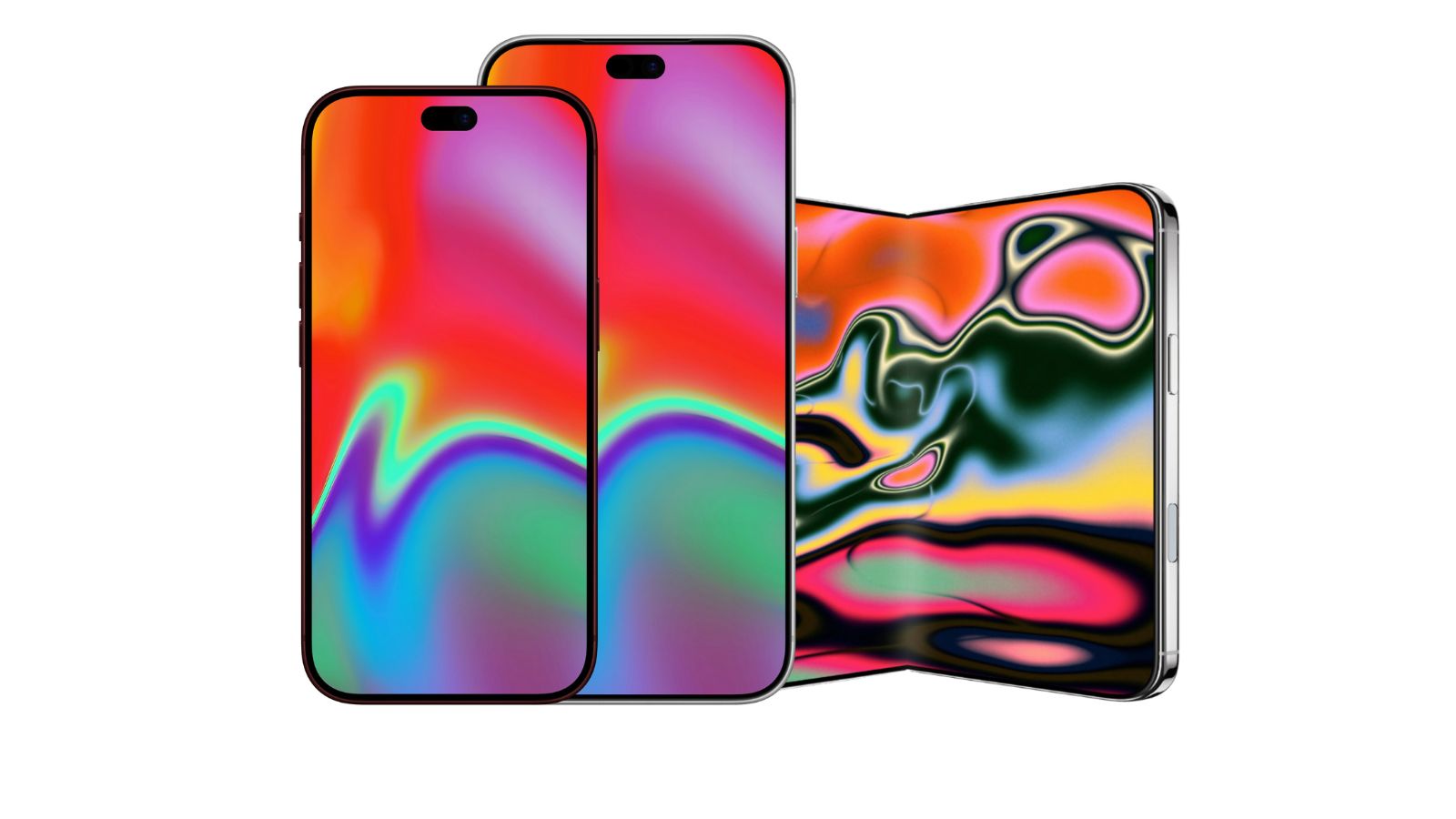
Apple’s strategy appears to be a two-pronged assault on the high-end smartphone market. On one flank stands the highly anticipated iPhone Fold, a device that analysts predict could break the $2,000 barrier, potentially reaching up to $2,500. This foldable, if realised, would mark Apple’s belated yet potentially disruptive entry into a niche but growing segment dominated by rivals for years. On the other flank is the iPhone 18 Pro, the pinnacle of Apple’s traditional smartphone line, expected to deliver significant advancements in camera technology, display efficiency, and processing power, albeit likely with a higher price tag than its predecessors.
This simultaneous unveiling of a revolutionary new form factor and a refined iteration of its most popular product line underscores Apple’s ambition to not only maintain its lead in the premium smartphone market but also to innovate and expand into nascent categories. The company’s meticulous approach to product development, often waiting for technologies to mature before integrating them, suggests that the iPhone Fold, when it arrives, will be a highly polished and deeply integrated device, unlike some of the earlier, more experimental foldable offerings from competitors.
The financial implications are significant. Apple’s warning about price hikes, attributed to a global memory shortage, signals a potential shift in its pricing strategy for premium devices. This could see the iPhone 18 Pro and Pro Max experiencing price bumps of around $100, pushing them further into exclusive territory. For the iPhone Fold, its rumoured price point places it firmly in the luxury gadget segment, far beyond the reach of the average consumer. This strategy, while potentially lucrative, also carries risks in an environment where discretionary spending is under scrutiny.
Chronology: Apple’s Patient Pursuit of Innovation
Apple’s journey to this anticipated dual launch is a testament to its long-term strategic planning, particularly concerning the foldable form factor.
The Long Road to a Foldable iPhone
For years, the concept of a foldable iPhone remained firmly in the realm of speculation and patent filings. While competitors like Samsung and Huawei introduced their first foldable phones as early as 2019, Apple maintained its characteristic silence, observing the market, learning from early adopter experiences, and likely refining its own designs and manufacturing processes. This patient approach is typical for Apple, which rarely rushes to be first but often strives to be the best in execution.
Rumours surrounding an "iPhone Ultra" brand suggest Apple might be looking to establish an even higher tier of premium devices, mirroring its Apple Watch Ultra strategy. This branding could signify not just a higher price point but a device packed with exclusive features, superior materials, and groundbreaking technology. Analyst predictions from industry stalwarts like Ming-Chi Kuo have consistently pointed towards a foldable iPhone nearing completion, with supply chain leaks corroborating development efforts to overcome key challenges like display crease and durability.
The expected unveiling in September, during Apple’s traditional fall event, would be a landmark moment, even if retail availability is staggered or delayed. This initial reveal would solidify years of speculation, finally bringing Apple’s vision for a foldable device into public view.
The Evolution of the iPhone Pro Series
In parallel, the iPhone Pro series has undergone a steady, iterative evolution, setting benchmarks for smartphone performance and photography. Each year, Apple introduces refinements that, while sometimes subtle, collectively push the boundaries of mobile technology. The iPhone 18 Pro/Max follows this lineage, building upon the strong foundation laid by its predecessors.
From the introduction of the Dynamic Island to advanced computational photography and increasingly powerful A-series chips, Apple has consistently refined the Pro experience. The anticipated upgrades for the iPhone 18 Pro are not revolutionary in form factor but represent significant technological leaps within the established design, focusing on enhancing user experience through improved performance, visual fidelity, and photographic capabilities. This consistent evolution ensures that the Pro models remain highly attractive to a loyal customer base always seeking the pinnacle of Apple’s traditional smartphone offerings.
Supporting Data: Unpacking the Innovations and Market Dynamics
The iPhone Fold: A Deep Dive into Apple’s Revolutionary Device
The long-awaited foldable iPhone, potentially named iPhone Ultra, is shaping up to be a formidable entry into the nascent foldable market.
Design and Form Factor
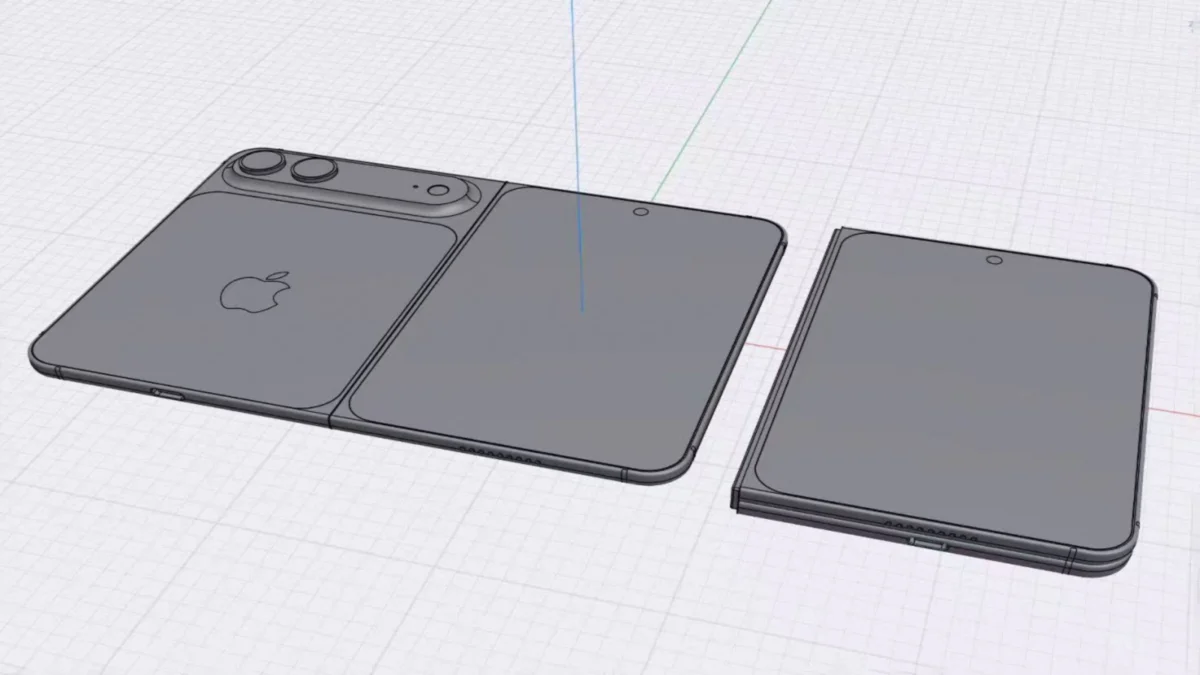
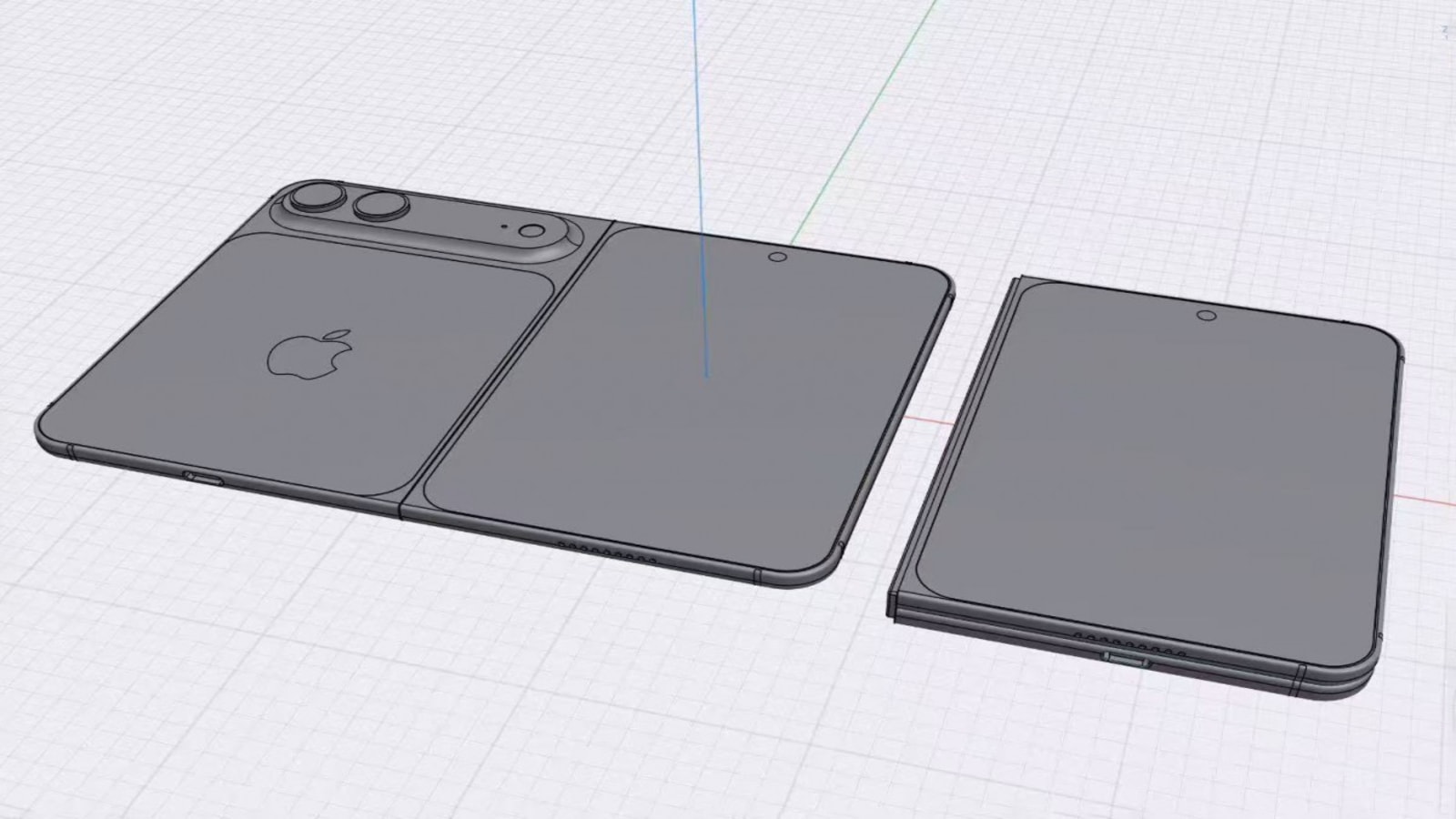
Reports suggest Apple will opt for a book-style design, a common and versatile form factor among current foldables. It is expected to be "shorter and wider," offering a more compact, squat profile when folded, akin to the original Google Pixel Fold or Huawei’s Pura X. This design choice implies a focus on ergonomics and ease of use in its closed state, while unfolding to reveal a substantial tablet-like display.
Analyst Ming-Chi Kuo’s predictions in March provided specific dimensions, suggesting a 5.5-inch outer display for quick interactions and a generous 7.8-inch inner display for immersive content consumption and productivity. When folded, the device is rumoured to measure between 9mm and 9.5mm thick, slimming down to a remarkably thin 4.5mm to 4.8mm when unfolded. This would make it one of the thinnest foldables on the market, showcasing Apple’s engineering prowess. A critical area of focus, as highlighted by reports and visual renders (like the Apple iPhone Fold CAD image), is the reduction of the display crease and significant improvements in durability – two persistent challenges for current foldable smartphones. Apple’s reputation for meticulous design suggests a superior hinge mechanism and display technology to mitigate these issues.
Hardware Prowess
Under the hood, the iPhone Fold is expected to house Apple’s most powerful A-series chip, likely a variant of the A20 chip anticipated for the iPhone 18 Pro, or even a more powerful "Pro" version optimized for the foldable’s unique demands. This would be paired with ample RAM, crucial for seamlessly handling multiple applications across its expansive, dynamic displays. Imaging capabilities are also expected to be robust, featuring two rear cameras and front-facing cameras on both the external and internal displays, ensuring versatile photography options in any orientation.
An interesting rumour points to the potential return of Touch ID, integrated into a side-mounted button, possibly due to space constraints preventing the inclusion of Face ID on the internal display or for a more versatile unlocking experience. The focus on a virtually creaseless screen would be a major selling point, distinguishing it from many existing foldables.
Software Innovation: A Differentiating Factor
Perhaps the most compelling aspect of the foldable iPhone will be its software experience. While Android-based foldables have often struggled with software optimization for their unique form factors, Apple’s integrated hardware and software ecosystem positions it to deliver a truly refined experience. Hints from WWDC 2026, Apple’s developer conference, are particularly telling. Craig Federighi, Apple’s senior vice president of software engineering, discussed an all-new "Device Hub" feature, allowing users to dynamically resize apps and simulate various screen configurations. This strongly suggests Apple is preparing its developer community for hardware that transcends traditional single-screen limitations.
Furthermore, the ability for widgets, such as those for Music, News, and Weather, to expand into full-page views seems superfluous on a conventional iPhone but makes immense sense on a foldable device offering significantly more screen real estate. Expect iPadOS-like multitasking capabilities, enhanced drag-and-drop functionalities, and a highly intuitive interface that adapts seamlessly between folded and unfolded states, truly leveraging the dual-screen potential. This deep software integration could be the "Apple differentiator," making the iPhone Fold not just a folding phone, but a genuinely new computing experience.
Price Point
The iPhone Fold will undoubtedly command a premium price. Analyst Ming-Chi Kuo predicts a price range of $2,000 to $2,500. This places it firmly in the ultra-luxury segment, appealing to early adopters and Apple enthusiasts willing to pay top dollar for cutting-edge technology and a new form factor.
The iPhone 18 Pro/Max: Refined Excellence
While the iPhone Fold captures headlines, the iPhone 18 Pro and Pro Max are poised to deliver substantial, albeit iterative, upgrades, maintaining Apple’s dominance in the traditional premium smartphone market.
Design and Display
The overall design is expected to remain largely consistent with its predecessors, retaining the familiar screen sizes and triple-camera setup. However, refinements are anticipated. A more powerful display featuring LTPO+ technology is rumored, promising improved battery life and enhanced efficiency, likely pushing the ProMotion adaptive refresh rate technology to new heights. The Dynamic Island, introduced in earlier Pro models, is expected to shrink, potentially indicating Apple’s continued efforts towards an all-screen front with under-display sensors in future iterations.
Color options are rumoured to include light blue, dark cherry, dark gray, and silver, offering a fresh aesthetic. The devices may retain the aluminum finish from the iPhone 17 Pro, complemented by a frosted Ceramic Shield back panel for enhanced durability and a premium feel.
Performance and Photography
At the heart of the iPhone 18 Pro will be the advanced A20 chip, promising significant leaps in performance and power management. This chip will not only drive faster app execution and smoother multitasking but also enhance computational photography and AI capabilities, further blurring the lines between traditional cameras and smartphones.
The camera system is expected to receive a major upgrade, most notably Apple’s first variable aperture lens. As depicted in the accompanying image (apple-28.jpg), this technology will allow the camera to "physically adjust the size of the lens opening to control how much light reaches the sensor." This offers unprecedented control over depth of field and exposure in varying lighting conditions, providing photographers with more creative flexibility and delivering superior image quality, especially in challenging environments. Paired with Apple’s sophisticated computational photography algorithms, this could solidify the iPhone 18 Pro’s position as a leading mobile photography device.
Pricing Expectations
Even without the groundbreaking form factor of the Fold, the iPhone 18 Pro/Max will likely see price increases. Experts predict a $100 hike for both the $999 iPhone Pro and the $1,199 iPhone Pro Max, pushing their starting prices to $1099 and $1299 respectively.
Market Context: Navigating Economic Headwinds
The launch of these high-end devices occurs against a backdrop of complex global economic conditions.
The Global Memory Shortage
Apple CEO Tim Cook recently confirmed to the Wall Street Journal that the company plans to raise prices on some products due to an ongoing global memory shortage. This shortage impacts the cost of crucial components like RAM and storage, directly affecting manufacturing expenses. While Cook refrained from specifying which products or when the price hikes would take effect, analysts widely believe premium devices like the Pro-series iPhones and potentially the iPhone Fold would be most affected. Higher-end customers are typically more resilient to price increases, making premium segments the logical target for absorbing additional costs.
Tech Layoffs and Economic Uncertainty
The tech industry has witnessed widespread layoffs over the past year, reflecting broader economic uncertainty, rising interest rates, and cautious consumer spending. This environment creates a challenging landscape for ultra-premium products. While Apple’s loyal customer base often defies market trends, the question of "worth" becomes more pronounced when consumers are tightening their belts. The perception of value for a $1,000+ or even $2,000+ smartphone becomes a critical factor in purchasing decisions.
The Foldable Market: A Catalyst for Growth
Despite being a small fraction of the overall smartphone market, foldable phones represent a significant growth opportunity. Apple’s entry could be a monumental catalyst. The "Apple effect" often legitimizes emerging technologies, driving mainstream adoption and compelling other manufacturers to innovate further. This could rapidly accelerate the foldable market’s expansion, transforming it from a niche luxury to a more broadly accepted, albeit still premium, smartphone category.
Official Responses: Apple’s Silence and Strategic Transparency
True to form, Apple has maintained its characteristic silence regarding the existence or impending launch of both the foldable iPhone and the iPhone 18 Pro. The company’s official policy is never to comment on unannounced products, fostering an air of mystery and anticipation that often culminates in highly theatrical launch events.
However, Apple has been more transparent about the macroeconomic factors influencing its business. Tim Cook’s explicit statement to the Wall Street Journal regarding potential price increases due to the memory shortage serves as a rare, yet strategic, pre-emptive warning to consumers. This allows the company to manage expectations and frame any future price adjustments as a response to external market forces rather than solely an internal profit-maximization strategy. This partial transparency, coupled with product secrecy, is a delicate balancing act Apple masterfully performs.
Industry analysts, notably Ming-Chi Kuo, often fill the information void with highly detailed predictions based on supply chain intelligence. Their reports, while unofficial, frequently provide accurate insights into Apple’s upcoming products and strategies, shaping public perception ahead of official announcements.
Implications: Redefining Value in a Shifting Landscape
The impending launch of the iPhone Fold and iPhone 18 Pro/Max carries significant implications for Apple, the broader tech industry, and consumers.
Market Redefinition and Apple’s Leadership
Apple’s entry into the foldable market is poised to be a game-changer. Historically, when Apple enters a new product category or refines an existing one, it often sets new industry standards for design, user experience, and overall polish. The iPhone Fold could legitimize the foldable form factor in a way that no other manufacturer has managed, potentially spurring a wave of innovation and adoption across the industry. It would also solidify Apple’s position at the absolute pinnacle of the premium smartphone market, offering a device for every high-end user preference – from the traditional flagship to the avant-garde foldable.
For the iPhone 18 Pro, the continuous advancements in camera technology, display efficiency, and processing power reinforce Apple’s commitment to pushing the boundaries of what a traditional smartphone can achieve. These devices are not merely incremental updates but represent the distillation of years of R&D, aimed at delivering the most refined and powerful mobile experience possible.
The Consumer Dilemma: Price vs. Innovation
The core question of whether these devices are "worth" their premium price tags will be intensely debated. For early adopters and dedicated Apple enthusiasts, the allure of cutting-edge technology, superior design, and a deeply integrated ecosystem often outweighs the cost. The iPhone Fold, in particular, caters to a demographic seeking novelty and a genuinely new interaction paradigm.
However, for the broader consumer base, especially amidst economic uncertainty and widespread layoffs, the value proposition becomes more complex. A potential $2,000-$2,500 iPhone Fold, or a $1,100+ iPhone 18 Pro, represents a significant investment. Consumers will be weighing the perceived benefits of a creaseless foldable display, a variable aperture camera, or enhanced processing power against their current financial realities. Apple’s ability to articulate the unique value and long-term utility of these devices will be crucial. The "Apple Tax" — the premium consumers pay for the brand’s ecosystem, design, and perceived quality — will be tested more rigorously than ever before.
Technological Trajectory
Beyond immediate sales, these devices signal Apple’s vision for the future of mobile technology. The iPhone Fold points towards a future of adaptable form factors, blurring the lines between phone and tablet. The iPhone 18 Pro’s camera advancements hint at a future where mobile photography increasingly rivals professional-grade equipment, driven by both hardware and sophisticated computational algorithms. Both devices will likely feature advanced AI capabilities, deeply integrated into the operating system and user experience, setting a new standard for intelligent personal devices.
In conclusion, Apple stands on the precipice of a momentous launch. The iPhone Fold and iPhone 18 Pro represent not just new products, but a bold statement of technological leadership and ambition. While economic headwinds and unprecedented price points present significant challenges, Apple’s track record of innovation and its loyal customer base suggest that these devices are poised to reshape the premium smartphone market and redefine consumer expectations for years to come. The coming months will reveal if Apple’s vision for the future of mobile technology can indeed justify its formidable price tag in a world grappling with uncertainty.
