

GADGETS
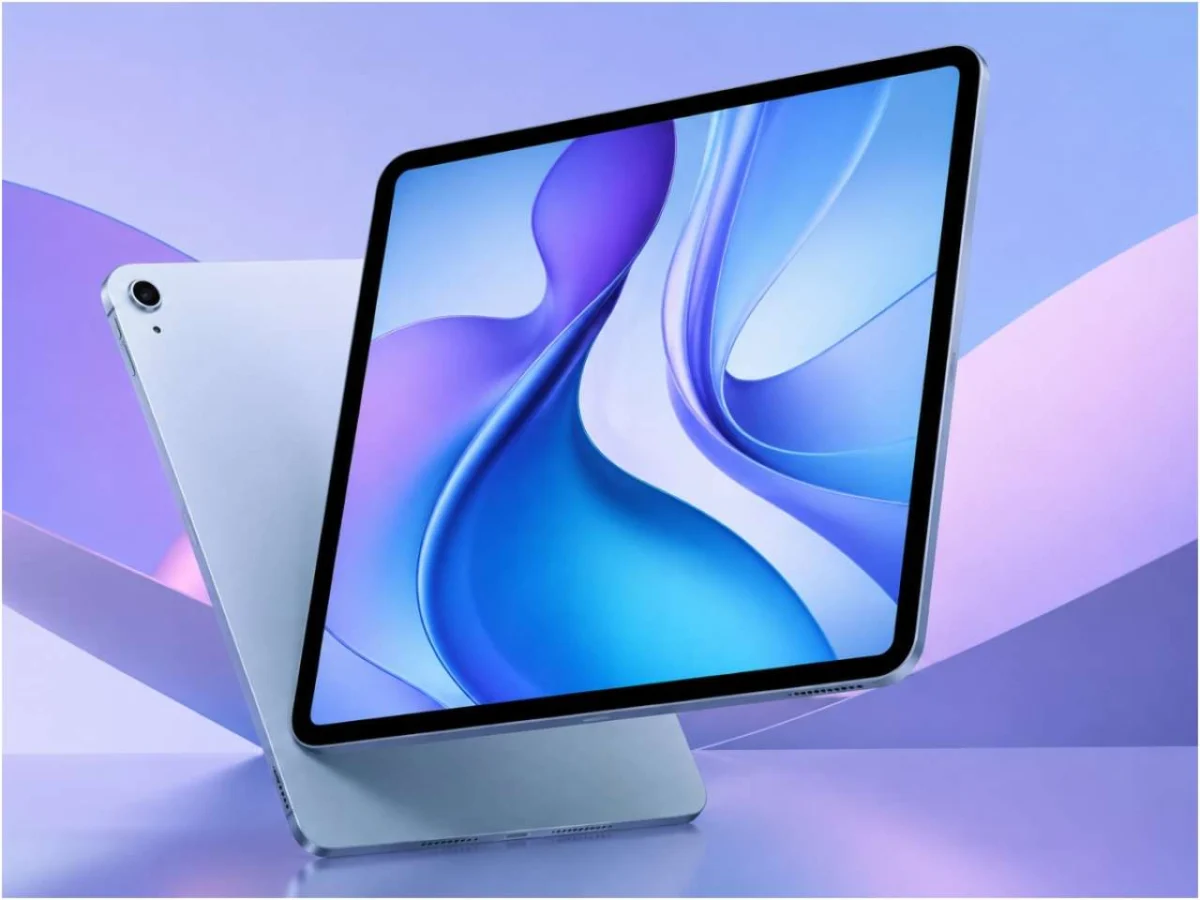
After nearly seven years of primarily internal performance enhancements, Apple’s beloved iPad Air is reportedly gearing up for its most significant external overhaul since 2020. Industry whispers and supply chain analyses point towards a groundbreaking redesign slated for an early 2027 debut, promising not only a refreshed aesthetic but also a suite of advanced technologies, including a vibrant OLED display and the formidable M5 chip. This strategic pivot signals a renewed focus on design innovation for Apple’s popular mid-tier tablet, aiming to redefine user experience and solidify its position in an increasingly competitive market.
Awaiting a Transformative Shift: The 2027 iPad Air Redesign
For years, the iPad Air has served as Apple’s "sweet spot" tablet, bridging the gap between the entry-level iPad and the professional-grade iPad Pro. While its internal hardware has consistently received robust upgrades—from the M1 to the latest M2 chip, with further iterations expected before 2027—its external form factor has remained largely unchanged since its fourth-generation redesign in 2020. This longevity, while a testament to a well-received design, has built considerable anticipation for a truly fresh aesthetic.
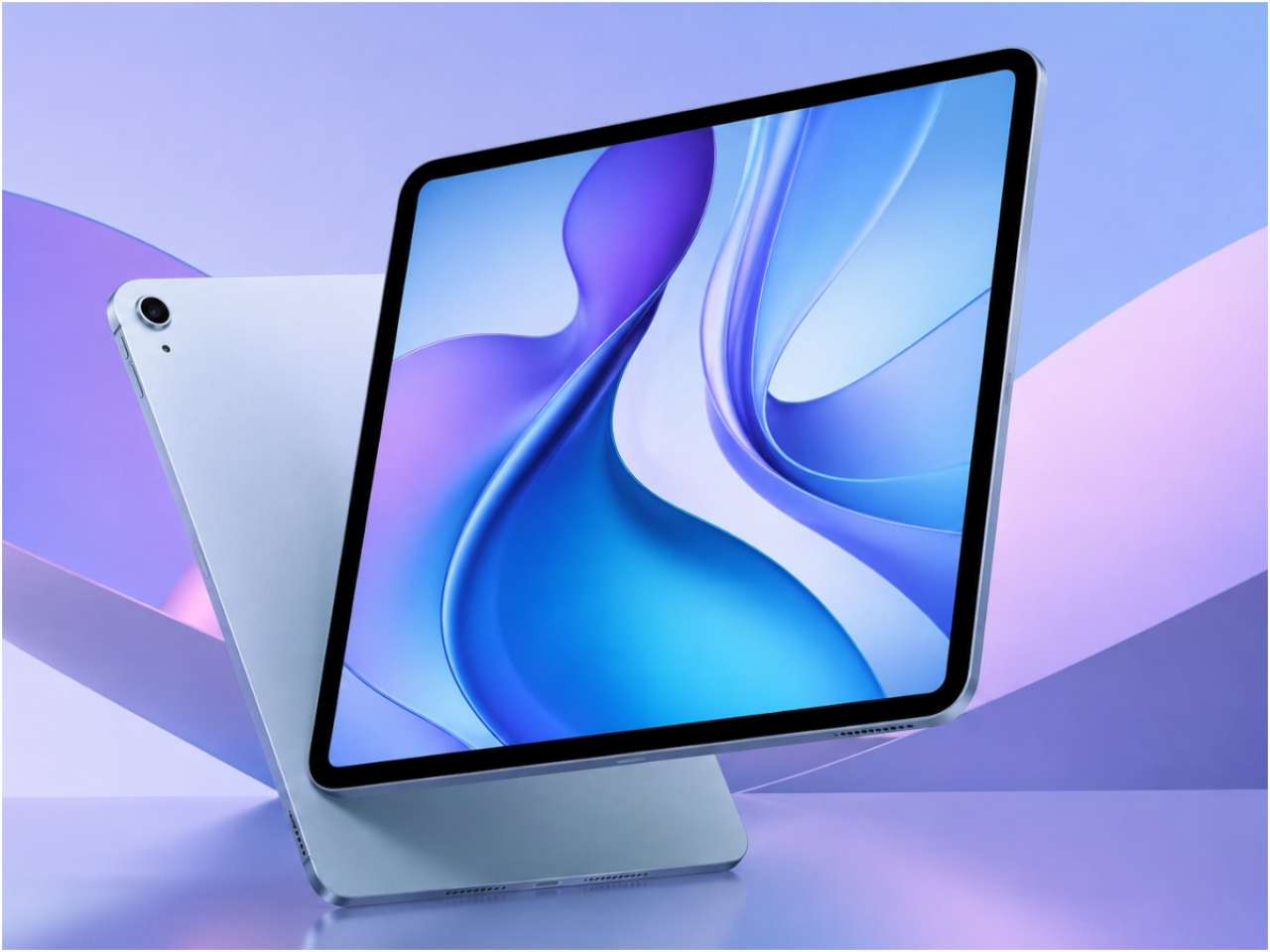
The impending 2027 model is not merely expected to iterate on existing features but to introduce a holistic reimagining of the device. Central to this transformation are two key rumored upgrades: the adoption of an OLED display and the integration of the next-generation M5 chip. These enhancements are not just incremental improvements; they represent a fundamental shift in the iPad Air’s capabilities, promising a visual fidelity previously reserved for the premium iPad Pro line and a performance boost that will unlock new frontiers in mobile computing and artificial intelligence. The move is set to mark the longest-running design in Apple’s current tablet lineup, making the 2027 refresh particularly momentous for consumers and industry watchers alike.
The Long Wait: Seven Years of Internal Evolution
Since its significant redesign in 2020, which brought flat edges, a Touch ID-integrated power button, and a USB-C port, the iPad Air has maintained a consistent outward appearance. This design language, inspired by the then-current iPad Pro, was widely praised for its modern aesthetics and ergonomic improvements. However, beneath this familiar exterior, Apple has been relentlessly pushing the boundaries of internal performance.
Over the past seven years, the iPad Air has been a showcase for Apple’s silicon prowess. The original 2020 redesign launched with the A14 Bionic chip, but subsequent models quickly embraced the powerful M-series processors, starting with the M1 chip in 2022, followed by the M2 in the 2024 models. The original report also mentions potential future chips like M3 and M4, indicating Apple’s continuous commitment to equipping the Air with cutting-edge processing power. This strategy has ensured that even with an unchanging shell, the iPad Air has remained a highly capable device, adept at handling demanding tasks, from graphic design and video editing to augmented reality applications.
)
This focus on internal hardware, while beneficial for raw performance, has inadvertently created a pent-up demand for external innovation. Consumers have grown accustomed to yearly performance bumps, but a truly "new" iPad Air, one that feels different in the hand and offers a visibly superior display, has been a long time coming. The rumored 2027 redesign, therefore, isn’t just an upgrade; it’s a strategic response to market expectations and a bold statement about Apple’s vision for the future of its mid-range tablet offering.
Tracing the iPad Air’s Design Lineage: A Historical Perspective
To fully appreciate the significance of a 2027 redesign, it’s helpful to look back at the iPad Air’s evolution since its inception. Each generation has represented a step forward, often borrowing and democratizing features from its Pro sibling.
- iPad Air (2013): The original "Air" introduced a dramatically thinner and lighter form factor compared to the bulky fourth-generation iPad. It was a marvel of engineering, setting the tone for portability in tablets.
- iPad Air 2 (2014): Apple pushed the boundaries further, making the Air 2 even thinner and introducing Touch ID for enhanced security and convenience. Its laminated display also improved visual quality.
- iPad Air 3 (2019): After a hiatus, the iPad Air line returned with a 10.5-inch display, support for the first-generation Apple Pencil, and the Smart Keyboard. While retaining the classic iPad design, it brought pro-level accessories to a more accessible price point.
- iPad Air 4 (2020): This was the last truly major redesign, aligning the Air with the modern iPad Pro aesthetic. It featured flat edges, a larger 10.9-inch liquid Retina display with thinner bezels, Touch ID integrated into the power button, and a USB-C port. This design marked a significant departure from previous generations, offering a more premium and versatile experience.
- iPad Air 5 (2022): The primary upgrade here was the inclusion of the M1 chip, bringing desktop-class performance to the Air line.
- iPad Air 6 (2024): This generation introduced the M2 chip and, for the first time, offered two size options: 11-inch and a larger 13-inch model, further blurring the lines between Air and Pro in terms of screen real estate.
The 2020 design, now approaching its seventh year as the foundational aesthetic, has indeed become the longest-serving design in Apple’s current tablet lineup. This extended period without an external refresh highlights the magnitude of the rumored 2027 changes. It’s not just an update; it’s a generational leap, signaling a new chapter for the iPad Air.

The Anticipated Leap: Paving the Way for 2027
Apple’s product development cycles are typically meticulous and often extend over several years for major architectural changes. While internal component upgrades can be annual, significant external redesigns usually follow a longer cadence, ensuring that innovations are substantial and impactful. The seven-year span since the last major design overhaul for the Air is therefore well within Apple’s historical pattern for groundbreaking product refreshes.
The company often introduces cutting-edge technologies in its Pro lines first, allowing for refinement and cost reduction before cascading them down to more accessible models. This strategy was evident with Face ID, ProMotion displays, and now, the OLED technology that debuted in the iPad Pro in 2024. This measured approach ensures that when a feature arrives on a device like the iPad Air, it is mature, robust, and optimized for mass production. The 2027 timeline for the redesigned iPad Air aligns perfectly with this strategy, allowing OLED display technology to become more cost-effective and manufacturing processes to be perfected. This methodical progression ensures that the leap to 2027 will not just be about novelty, but about delivering a refined, premium experience at the iPad Air’s competitive price point.
The OLED Revolution: A Visual Upgrade
Perhaps the most exciting and impactful rumored upgrade for the 2027 iPad Air is the adoption of an OLED (Organic Light-Emitting Diode) display. This technology represents a fundamental shift from the existing LCD (Liquid Crystal Display) panels used in current iPad Air models, promising a vastly superior visual experience.
)
How OLED Works: Unlike LCDs, which rely on a backlight to illuminate all pixels simultaneously, OLED displays feature self-emissive pixels. Each pixel generates its own light and can be individually turned on or off. This fundamental difference underpins OLED’s key advantages.
Benefits Over LCD:
- Perfect Blacks: When an OLED pixel is off, it produces no light, resulting in absolute, true black. LCDs, even with local dimming, still suffer from some light bleed, leading to "greyish" blacks.
- Infinite Contrast Ratio: The ability to achieve perfect blacks alongside vibrant colors creates an unparalleled contrast ratio, making images and videos pop with incredible depth and realism.
- Superior Color Accuracy and Saturation: OLED panels typically offer a wider color gamut and more accurate color reproduction, leading to richer, more lifelike hues.
- Faster Response Times: OLED pixels can change states much faster than liquid crystals, virtually eliminating motion blur and ghosting, which is crucial for fast-paced content, gaming, and smooth scrolling.
- Wider Viewing Angles: Colors and brightness remain consistent even when viewed from extreme angles, a significant advantage for tablets often shared or used in various orientations.
- Enhanced Power Efficiency (for dark content): While OLED can consume more power when displaying bright white content, its ability to turn off individual pixels means it is highly power-efficient when rendering dark themes or content with lots of black, potentially extending battery life for certain use cases.
Technical Details: Single-Stack LTPS OLED Panels:
The report specifically mentions Samsung Display supplying "single-stack LTPS OLED panels."
)
- LTPS (Low-Temperature Polycrystalline Silicon): This technology is crucial for high-resolution, high-performance displays. LTPS backplanes allow for faster electron mobility, enabling smaller transistors and more efficient power delivery to individual pixels. This translates to sharper images, higher pixel density, and improved power efficiency compared to older amorphous silicon (a-Si) backplanes.
- Single-Stack: This refers to the structure of the OLED material layers. While some premium OLEDs, particularly in the iPad Pro, use a "two-stack tandem" design for increased brightness and longevity, a single-stack design is more cost-effective. While it might not reach the peak brightness levels of a tandem stack, it still offers a significant upgrade over LCD and is likely to be optimized for the iPad Air’s expected performance envelope.
Precedent from iPad Pro 2024: Apple’s introduction of OLED technology to the iPad Pro in 2024 set a clear precedent. This move signaled Apple’s commitment to the display technology and its readiness to scale production. The migration of OLED to the iPad Air underscores Apple’s strategy of democratizing premium features, making an exceptional visual experience accessible to a broader audience. For the iPad Air, this means content consumption, creative work, and everyday browsing will be transformed, offering a truly immersive and vibrant visual canvas.
Powering the Future: The M5 Chip and AI Integration
Beyond the visual spectacle of an OLED display, the 2027 iPad Air is rumored to house Apple’s next-generation silicon: the M5 chip. Building upon the legacy of the M-series processors, the M5 is expected to deliver substantial advancements in raw computing power, graphical prowess, and, crucially, artificial intelligence capabilities.
Expected Performance Gains: Each iteration of Apple’s M-series chips has brought significant leaps in performance and efficiency. The M5 is anticipated to continue this trend, offering:
)
- Faster CPU Performance: Enhanced processing cores will allow for quicker execution of complex tasks, from compiling code to rendering intricate 3D models.
- Improved GPU Performance: A more powerful graphics processing unit will elevate gaming experiences, accelerate professional creative applications (e.g., video editing, graphic design), and enable smoother augmented reality interactions.
- Superior Battery Efficiency: Apple’s M-series chips are renowned for their industry-leading performance-per-watt. The M5 will likely push these boundaries further, delivering sustained high performance without compromising battery life, crucial for a portable device like the iPad Air.
Focus on AI Capabilities: One of the most significant aspects of the M5 chip will undoubtedly be its enhanced Neural Engine. Apple has been heavily investing in on-device AI, and the M5 is expected to be a cornerstone of this strategy. "Advanced AI-powered features" could encompass a wide range of functionalities:
- Smarter Siri: A more contextually aware and capable virtual assistant.
- Enhanced Photo and Video Processing: AI-driven image enhancements, more sophisticated computational photography, and real-time video effects.
- Advanced Productivity Tools: Features like intelligent document analysis, predictive text, and AI-powered summarization within apps.
- Generative AI Applications: The M5’s powerful Neural Engine could enable on-device generative AI models for tasks like text generation, image creation, or even code suggestions, providing greater privacy and speed compared to cloud-based solutions.
- Improved Accessibility Features: AI can power more sophisticated accessibility tools, making the iPad Air more inclusive.
The integration of the M5 chip will not only ensure the iPad Air remains a powerhouse for traditional computing tasks but will also future-proof it for the burgeoning era of artificial intelligence. It will solidify the iPad Air’s position as a versatile and powerful device, capable of handling the most demanding workflows while opening doors to entirely new ways of interacting with technology.
Design Evolution: Thinner Profiles and Enhanced Aesthetics
The adoption of an OLED display is not merely about visual quality; it often paves the way for significant physical redesigns. OLED panels are inherently thinner and more flexible than their LCD counterparts, as they do not require a separate backlight layer. This allows device manufacturers greater freedom in industrial design.
)
Potential for a Thinner Chassis: Just as the 2024 iPad Pro saw a dramatic reduction in thickness (becoming the thinnest Apple product ever), the 2027 iPad Air could also benefit from a considerably slimmer profile. A thinner design would not only enhance portability but also contribute to a more premium feel in hand.
Refined Aesthetics and Materials: A major redesign often comes with updated aesthetics. We could see:
- Even thinner bezels: Maximizing screen-to-body ratio for a more immersive viewing experience.
- New Material Finishes: While aluminum is likely to remain the primary material, Apple might introduce new anodized finishes or subtle textural changes to differentiate the new model.
- Ergonomic Enhancements: Small tweaks to button placement, speaker grilles, or camera bump design could further refine the user experience.
- New Colorways: To mark such a significant refresh, Apple traditionally introduces new vibrant color options, potentially expanding beyond the current Space Grey, Blue, Purple, and Starlight.
The chassis redesign, therefore, would be more than just cosmetic. It would be an integral part of the overall experience, working in tandem with the OLED display and M5 chip to deliver a device that feels as revolutionary as it performs.
)
Market Context: iPad Air’s Position in Apple’s Ecosystem
The iPad Air occupies a critical niche within Apple’s diverse tablet ecosystem. It sits comfortably between the accessible, entry-level iPad and the high-performance, professional-grade iPad Pro. Its role is to offer a premium experience—including a modern design, powerful processor, and support for advanced accessories like the Apple Pencil and Magic Keyboard—without the top-tier price tag of the Pro models.
This positioning makes the iPad Air a "prosumer" device, appealing to students, creative professionals on a budget, and general users who desire more power and sophistication than the base iPad offers. The rumored 2027 redesign, with its OLED display and M5 chip, will significantly bolster this position. By bringing high-end display technology and cutting-edge silicon to the Air line, Apple is making a strong statement about its commitment to providing exceptional value in this segment.
In the broader tablet market, the iPad Air competes with a range of Android tablets and Microsoft Surface devices. The consistent upgrades and now, a major redesign, will allow the iPad Air to maintain its competitive edge, offering a compelling blend of hardware, software, and ecosystem integration that is often unmatched. This move is not just about upgrading a product; it’s about strategically reinforcing the iPad Air’s appeal and ensuring its continued market dominance in the premium mid-range tablet category.
)
Apple’s Silence: A Predictable Stance
As with all unannounced products, Apple has maintained its characteristic silence regarding these reports. The company’s long-standing policy is to neither confirm nor deny rumors or speculation about its future products. This stance is a calculated part of its marketing strategy, designed to build anticipation and control the narrative leading up to official product launches.
However, Apple’s silence does not diminish the credibility of the leaks. Industry analysts, supply chain reporters, and prominent leakers often have access to highly reliable information from component manufacturers, assembly partners, and patent filings. The consistent nature of these reports, particularly concerning key components like OLED panels and next-generation chips, lends significant weight to the speculation. The fact that OLED technology has already debuted in the iPad Pro further reinforces the likelihood of its eventual migration to the Air. While specific features and launch dates are subject to change, the overarching narrative of a major iPad Air redesign in 2027 with an OLED screen and M5 chip appears to be well-founded within industry circles.
Reshaping the Tablet Market: User Experience and Expectations
The arrival of a redesigned iPad Air with an OLED display and M5 chip in 2027 will undoubtedly reshape user expectations for tablets in its category. Consumers who once viewed OLED as an exclusive feature of high-end smartphones and premium Pro tablets will now find it in a more accessible package. This will elevate the baseline for visual quality and performance across the board.
)
For users, this translates to a profoundly enhanced experience:
- Immersive Entertainment: Movies, TV shows, and games will come alive with perfect blacks, vibrant colors, and incredible contrast on the OLED display.
- Enhanced Creativity: Graphic designers, illustrators, and video editors will benefit from the superior color accuracy and faster performance of the M5 chip, enabling more precise and efficient workflows.
- Seamless Productivity: The M5 chip’s power and AI capabilities will make multitasking smoother, complex applications more responsive, and new AI-driven features more intuitive.
- Future-Proofing: The advanced hardware will ensure the iPad Air remains relevant and capable for many years, supporting upcoming software innovations and demanding applications.
This major overhaul isn’t just about technical specifications; it’s about delivering a tangible upgrade to how users interact with and perceive their tablets. It will raise the bar for what a mid-to-high-range tablet can and should offer, setting new industry standards.
Competitive Landscape and Apple’s Strategy
Apple’s move to significantly upgrade the iPad Air reflects a broader strategic imperative: to maintain and extend its dominance in the premium tablet market. By bringing high-end features like OLED and the M5 chip to the Air, Apple achieves several objectives:
)
- Clearer Product Differentiation: While the iPad Pro will likely retain its dual-stack OLED, higher refresh rates (ProMotion), and potentially even more advanced M-series chips (or unique Pro features), the Air’s upgrade helps to clearly delineate its position. It offers a premium experience without cannibalizing the very top tier, ensuring there’s a distinct value proposition for each segment.
- Driving Innovation from the Top Down: This is a classic Apple strategy. New technologies are introduced and refined in the Pro models, then gradually filter down to the Air and even the base iPad, democratizing innovation and keeping the entire product line fresh and appealing.
- Maintaining Market Leadership: In a market where Android tablets are increasingly competitive (especially in the budget segment) and Microsoft’s Surface line offers a compelling 2-in-1 experience, Apple needs to continually innovate to stay ahead. The redesigned iPad Air will be a powerful tool in this ongoing battle, offering a combination of hardware, software, and ecosystem benefits that few can match.
- Addressing Customer Feedback: The long design cycle for the Air has undoubtedly led to calls for a refresh. Apple is responding to this demand, demonstrating its responsiveness to its user base.
This strategic upgrade of the iPad Air underscores Apple’s commitment to ensuring its tablet lineup remains compelling and innovative, adapting to market trends and continually pushing the boundaries of mobile computing.
Pricing and Accessibility: The India Perspective
While the exact pricing of the 2027 iPad Air is speculative, a significant redesign coupled with premium components like an OLED display and an M5 chip suggests an upward adjustment in price. However, Apple typically aims to maintain a strategic price ladder across its product lines to ensure accessibility at various tiers.
Currently, the iPad Air (11-inch and 13-inch models) is available in India across four vibrant colors: Space Grey, Blue, Purple, and Starlight. The current Indian pricing for the 11-inch model is as follows:
)
- 128GB: Rs 89,900
- 256GB: Rs 101,900
- 512GB: Rs 125,900
- 1TB: Rs 161,900
The 13-inch model naturally carries a higher premium. Given the substantial upgrades, it is reasonable to expect the 2027 redesigned iPad Air to launch at a higher price point than its current counterparts. However, Apple’s strategy often involves offering various storage configurations to provide options across a price spectrum.
India remains a crucial growth market for Apple. The company has been aggressively expanding its retail presence and local manufacturing efforts in the country. A highly anticipated, redesigned iPad Air would likely be a significant draw for the growing base of tech-savvy consumers in India, who increasingly seek premium devices for both productivity and entertainment. The challenge for Apple will be to balance the enhanced features with a pricing strategy that continues to appeal to the aspirational Indian consumer while differentiating it from the even higher-priced iPad Pro.
The Long-Term Vision: Apple’s Commitment to the iPad
The rumored 2027 redesign of the iPad Air is more than just a product refresh; it is a powerful reaffirmation of Apple’s long-term vision for the iPad as a versatile and indispensable computing platform. For years, there has been debate about whether the iPad can truly replace a laptop. With continuous performance upgrades, a maturing iPadOS, and now a commitment to bringing premium design and display technology to its mid-range, Apple is making a clear statement.
)
The iPad is not just a content consumption device; it is a powerful tool for creation, productivity, and entertainment. The M5 chip with its advanced AI capabilities will unlock new software experiences, further blurring the lines between traditional computing categories. The OLED display will make every interaction more engaging and visually stunning. This comprehensive overhaul signals that Apple sees a bright and innovative future for the iPad, continuing to evolve it into a device that can seamlessly integrate into every aspect of a user’s digital life. As we approach 2027, the anticipation for this groundbreaking iPad Air will only continue to build, promising one of the most significant upgrades in the device’s celebrated history.
