

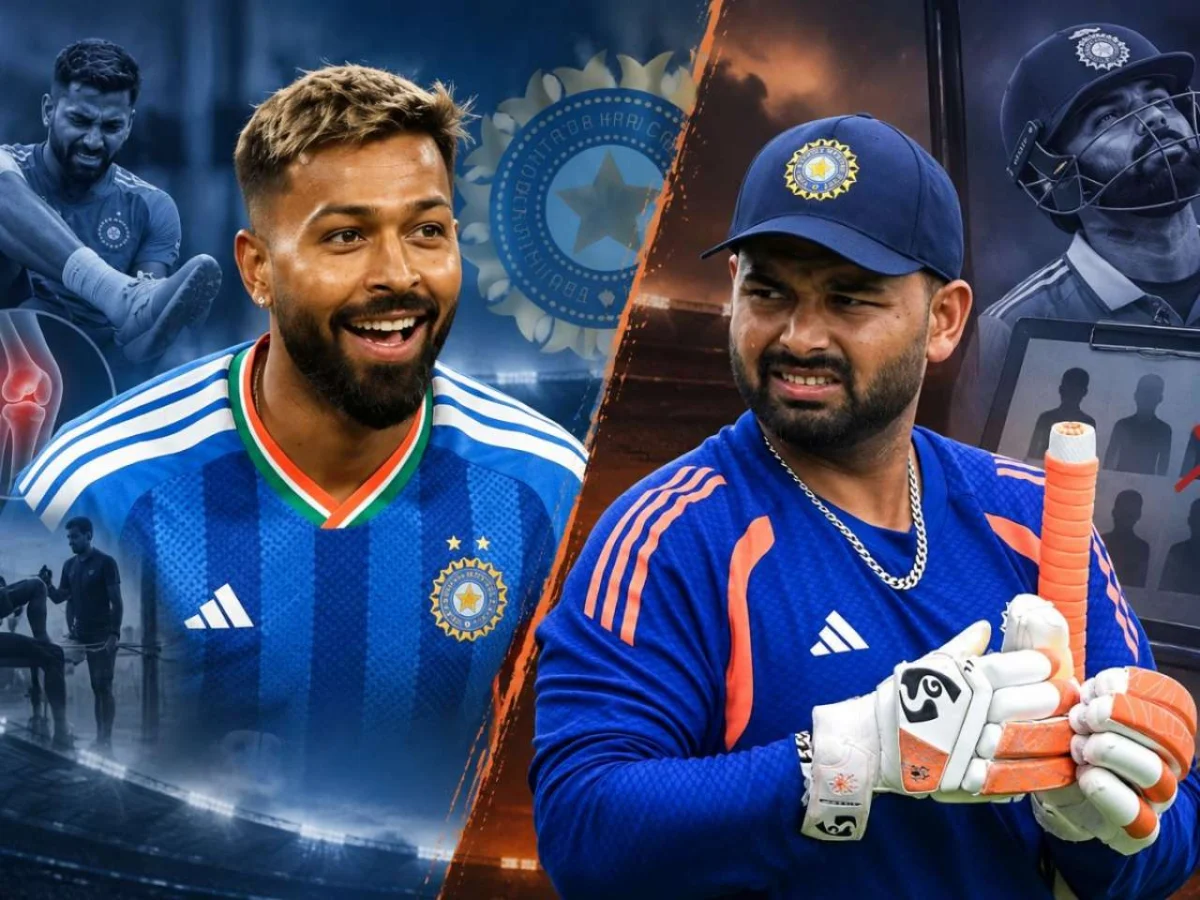
Mumbai, India – September 20, 2026 – The announcement of India’s squads for the upcoming white-ball series against the West Indies, commencing September 27, has sent ripples through the cricketing fraternity. While the return of seasoned stalwarts Rohit Sharma and Virat Kohli to the ODI setup, alongside the captaincy appointments of Shubman Gill for ODIs and Shreyas Iyer for T20Is, garnered significant attention, it was the conspicuous absence of two of India’s most dynamic stars – Hardik Pandya and Rishabh Pant – that truly dominated headlines. On the surface, both omissions represent a ‘snub’ for players considered integral to India’s recent cricketing narratives. However, a closer examination reveals two starkly different circumstances, each with profound implications for the players’ immediate futures and India’s long-term strategic vision.
The Immediate Shock: Two Stars, Two Reasons
The initial surprise stemmed from the sheer star power both Pandya and Pant command. Hardik, the explosive all-rounder, and Pant, the swashbuckling wicketkeeper-batsman, have been key figures in India’s limited-overs plans for several years. Their simultaneous exclusion from the 15-man ODI squad for the home series against West Indies, which includes three One-Day Internationals and five T20 Internationals, raised immediate questions.
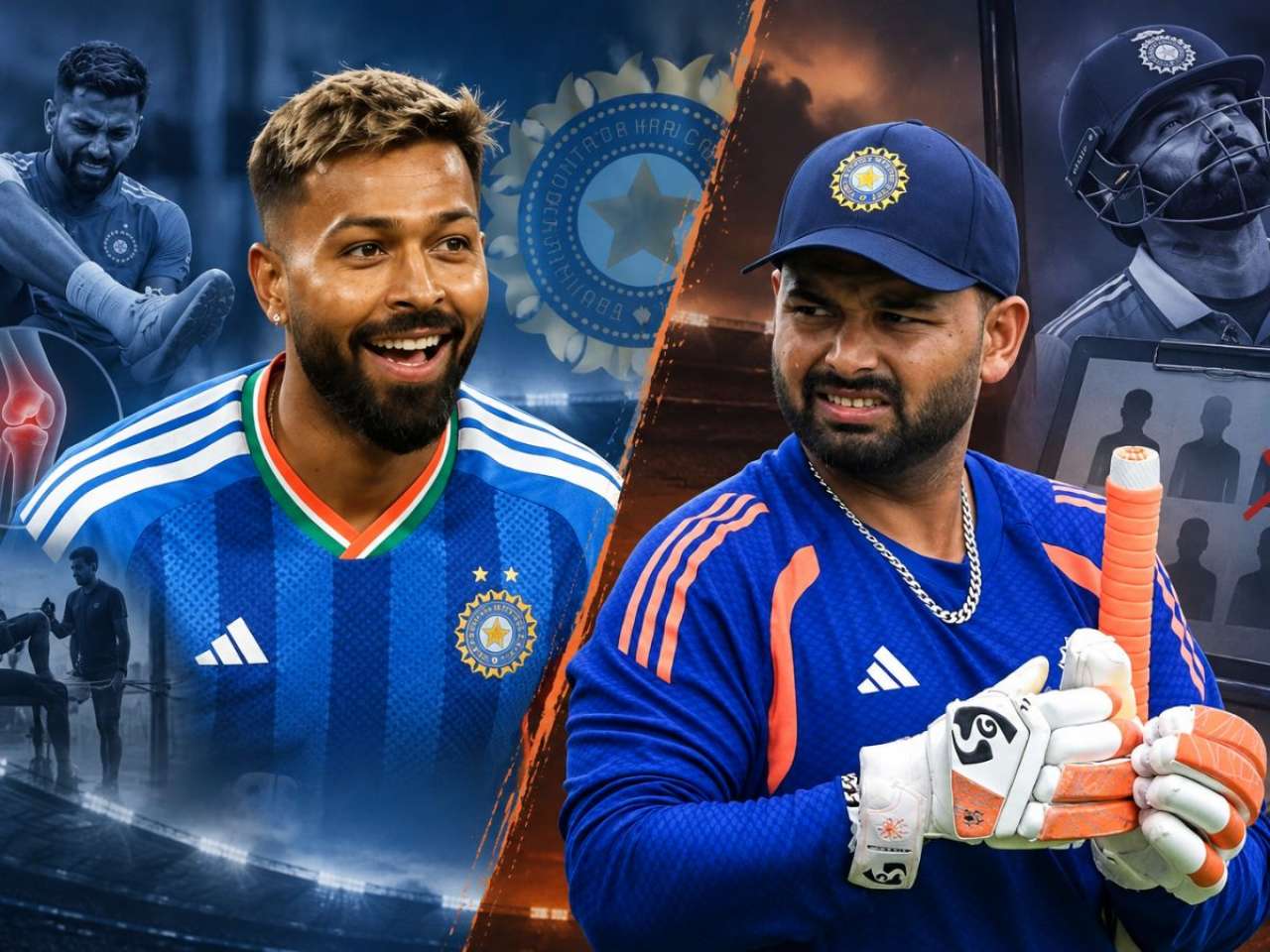
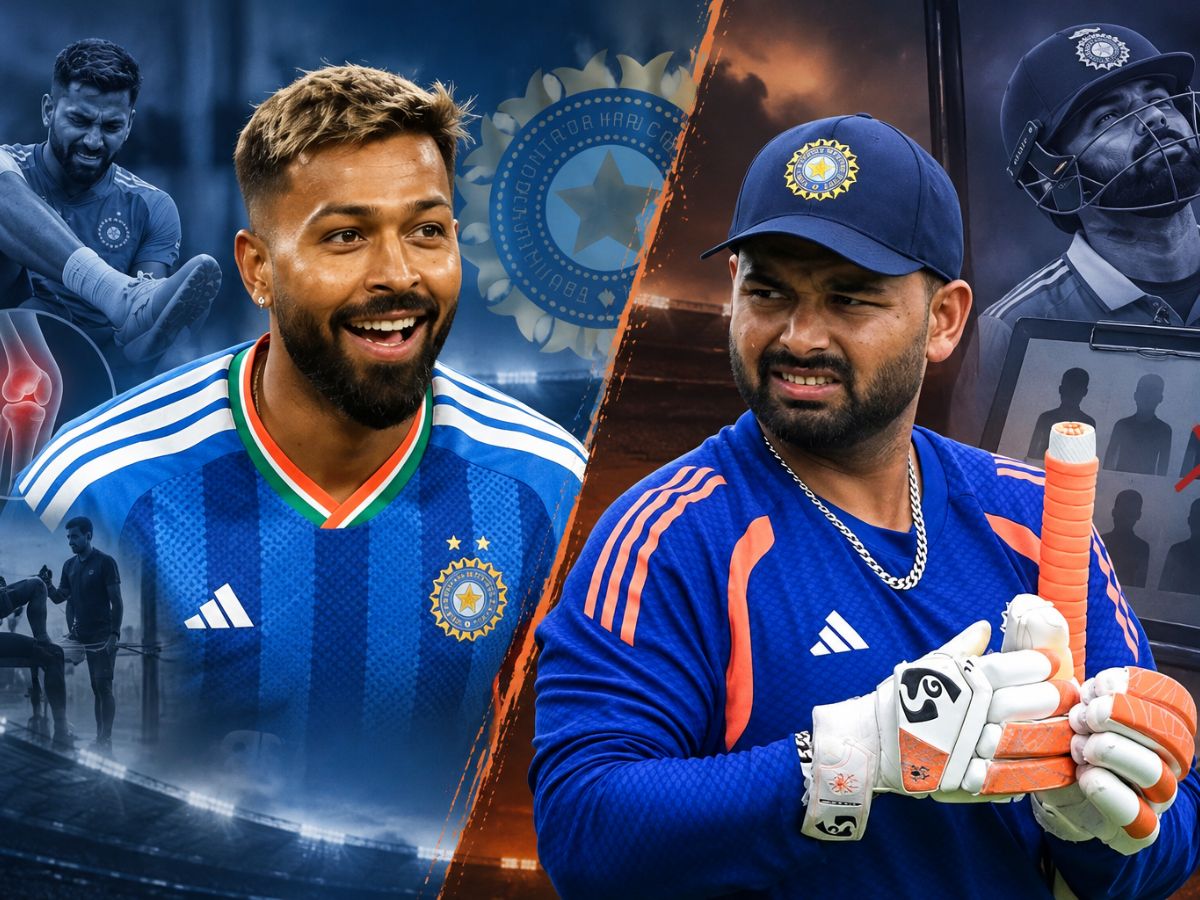
However, the reasons behind their absences are diametrically opposed, underscoring the complex challenges faced by elite athletes in a demanding sport and the strategic conundrums confronting national selectors. For Hardik Pandya, the path back appears relatively clear-cut: a battle against persistent injury and a rigorous fitness regimen. For Rishabh Pant, the challenge is far more intricate, involving a crowded talent pool, strategic selection choices, and a personal quest to redefine his role and secure his place amidst fierce competition. His road back, by all accounts, promises to be significantly tougher and more protracted.
Chronology of Absences: Tracing the Divergence
To understand the current predicament, a chronological review of each player’s recent journey is essential.
)
Hardik Pandya: A Relentless Battle Against the Body
Hardik Pandya’s career has been punctuated by brilliant highs and frustrating lows, almost invariably linked to his physical well-being. A true three-dimensional player, his ability to provide crucial overs with the ball and explosive hitting with the bat makes him an invaluable asset, often deemed irreplaceable in the current Indian setup. Yet, this very dual role places immense strain on his body.
His current spell on the sidelines began after May 24, 2026, following his last appearance for Mumbai Indians in the Indian Premier League against Rajasthan Royals. Since then, it has been a distressing pattern of recovery and recurrence. He subsequently missed the second leg of the IPL, the subsequent ODI series against Afghanistan, and the demanding tours of England. This extended period away from national duty is not an isolated incident but rather a continuation of a career-long struggle with injuries, particularly those related to his back and now, more recently, an undisclosed lower-body concern.

Pandya’s history vividly illustrates this struggle. His last Test match appearance for India dates back to 2018, a testament to the chronic nature of his physical challenges and the team management’s careful, often conservative, approach to managing his workload in the longest format. The team’s assistant coach, Ryan ten Doeschate, recently articulated the pressure Pandya’s intermittent availability places on the squad. While acknowledging the unique ‘spark’ Hardik brings, ten Doeschate also highlighted the emergence of talents like Nitish Kumar Reddy, suggesting a potential successor in the all-rounder’s role. This statement, while perhaps not intended as a direct threat, undeniably signals that the team is actively exploring alternatives to mitigate over-reliance on a single, injury-prone individual.
Crucially, the current exclusion for Pandya is not a reflection of his form or skill, which remain undisputed when he is fully fit. His inclusion in the India A squad for the upcoming List A matches later this month serves as a clear indicator of the selectors’ intentions. This assignment is widely understood to be a crucial ‘live fitness test,’ a platform for him to prove his physical readiness for the rigours of international cricket. If he passes this test, his return to the senior squad is almost a foregone conclusion, underscoring the singular nature of his current challenge.
)
Rishabh Pant: Fit, Firing, Yet Overlooked
In stark contrast, Rishabh Pant’s situation is devoid of any injury concerns. He is fit, actively playing, and by all accounts, has been scoring runs consistently in domestic circuits and preparatory camps. The expectation of his return, especially given the absence of Shreyas Iyer from the T20I squad, was palpable among fans and pundits alike. Yet, the selection committee opted to move in a different strategic direction, leaving Pant to grapple with the bitter pill of omission despite his physical readiness and apparent good form.
The primary reason for Pant’s exclusion from the ODI squad appears to be a calculated strategic decision regarding the team’s balance and the intense competition within the wicketkeeper-batsman slot. KL Rahul, currently the ODI vice-captain, has firmly established himself as the first-choice wicketkeeper-batsman in the 50-over format, offering reliability behind the stumps and crucial middle-order stability. Further compounding Pant’s challenge is the rise of Dhruv Jurel, who has been named as the backup wicketkeeper. Jurel’s impressive performances, particularly during his recent stint in Australia with India A, have evidently propelled him ahead in the pecking order, showcasing a youthful exuberance and sound technique that selectors are keen to nurture.
)
Moreover, the Indian middle-order is experiencing an unprecedented wealth of talent. With players like Ruturaj Gaikwad, Nitish Kumar Reddy, Naman Dhir, and Dhruv Jurel himself vying for spots, the competition is fierce. Each of these players brings a distinct skill set – Gaikwad’s elegant stroke play, Reddy’s all-round capabilities, Dhir’s aggressive intent, and Jurel’s composure – making it incredibly difficult to carve out a niche. The selectors seem to be prioritising specific roles and combinations, and currently, Pant’s dynamic, often high-risk, approach might not fit the desired template, at least for the upcoming series.
The challenge extends beyond the ODI format. Pant also failed to secure a spot in the T20I squad, where Ishan Kishan and Sanju Samson have been preferred. Both Kishan and Samson have demonstrated explosive hitting and competent wicketkeeping, providing the team with versatile options in the shortest format. This dual exclusion from both white-ball squads highlights the depth of talent India possesses and the difficult choices the selectors are forced to make, but it simultaneously underscores the magnitude of the task facing Pant to reclaim his spot.
)
Supporting Data and Selection Philosophy
While explicit ‘data’ beyond the source article’s general statements (e.g., "scoring runs") is not provided, we can infer the selectors’ philosophy from their choices. The inclusion of new faces like Auqib Nabi and Naman Dhir, alongside the aforementioned established players and emerging talents, signals a clear intent to broaden the talent pool and build a robust squad for the 2027 ODI World Cup cycle. This strategy involves:
- Bench Strength: Cultivating multiple options for each position to guard against injuries and form fluctuations.
- Role Clarity: Selecting players who fit specific roles within the team’s strategic framework, rather than simply picking the ‘best’ individual players.
- Youth Integration: Gradually introducing younger players to international exposure, preparing them for future leadership roles.
- Performance Metrics: While not always publicly disclosed, selectors undoubtedly rely on a combination of international performance, domestic form, fitness parameters, and perhaps even attitude and team dynamics.
In this context, KL Rahul’s consistent performance across formats, particularly his improved wicketkeeping and calm presence in the middle order, makes him a difficult player to dislodge. Dhruv Jurel’s selection suggests a forward-looking approach, identifying him as a potential long-term asset. For Pant, while his runs are noted, the question might revolve around consistency, game awareness, or perhaps a perceived lack of the specific ‘role’ the team currently requires.
)
Official Responses and Implicit Messaging
The official response from the selection committee, while not explicitly quoted beyond Ryan ten Doeschate’s comments on Hardik, can be inferred from their actions. The decision to send Hardik to India A for a fitness assessment is a standard operating procedure, demonstrating confidence in his abilities once physically ready. The message is clear: prove your fitness, and your spot is likely yours.
For Pant, the message is more subtle but equally potent: the competition is intense, and you need to elevate your game to an undeniable level. The selectors have made a strategic choice, prioritizing other options. This isn’t a direct indictment of Pant’s talent, but rather an affirmation of the strength in depth India now possesses. The emphasis on players like Nitish Kumar Reddy, who can offer both batting and a few overs, might also indicate a preference for multi-utility cricketers, especially in the context of balancing the side.
)
Implications: The Uphill Battle and the Clear Path
The contrasting situations present vastly different outlooks for Hardik Pandya and Rishabh Pant.
Hardik Pandya: A Clear Road, If the Body Cooperates
For Hardik, the implication is straightforward: his place in the Indian team is secure once he regains full fitness. There are no lingering questions about his batting prowess, his ability to bowl crucial overs, or his match-winning capabilities. He remains a vital cog in India’s limited-overs machinery, offering a unique blend of power-hitting, medium-pace bowling, and athletic fielding that few others can replicate. His stint with India A is essentially a formality, a checkpoint before his inevitable return to the national setup. The biggest challenge for him, and for the team management, is to ensure long-term physical durability to avoid the recurring cycle of injuries. This might involve strategic workload management, careful selection across formats, and a renewed focus on rehabilitation and prehabilitation protocols.
)
Rishabh Pant: A Steep Climb Ahead
Rishabh Pant, however, faces a far more arduous journey back. His challenge is not merely about regaining fitness; it’s about navigating a fiercely competitive landscape where multiple players are performing admirably.
- Established Competition: KL Rahul’s firm grip on the ODI wicketkeeper-batsman role means Pant needs more than just good form; he needs a significant dip in Rahul’s performance or a shift in the team’s strategic thinking.
- Emerging Talent: Dhruv Jurel’s rise further complicates matters. As a younger prospect, he might be viewed as a long-term investment, potentially leapfrogging Pant in the immediate future.
- Crowded Middle Order: The sheer number of talented middle-order batsmen means Pant is not just competing for a wicketkeeper spot but also a specialist batsman’s slot, where he would be judged purely on his batting against players like Gaikwad and Dhir.
- T20I Blockade: With Ishan Kishan and Sanju Samson solidifying their positions in the T20I squad, Pant’s opportunities in the shortest format are also currently limited.
Being fit and in form is, paradoxically, not enough for Pant right now. He needs an opportunity to showcase his superiority over the incumbents, which can only come through consistent, exceptional performances and perhaps, a stroke of luck in terms of player injuries or form slumps within the current setup. This waiting game requires immense mental fortitude and unwavering dedication.
)
The Irani Cup: A Crucial Audition for Pant
Amidst this challenging scenario, there is a silver lining for Rishabh Pant: the opportunity to lead the Rest of India team against Ranji champions Jammu & Kashmir in the prestigious Irani Cup. This is not a punitive assignment but a significant platform, a chance for him to stamp his authority and make an undeniable statement to the selectors.
The Irani Cup offers Pant several critical avenues to impress:
)
- Leadership Qualities: Leading a Rest of India side, comprising players from various states, will test his captaincy acumen, tactical intelligence, and ability to inspire. Strong leadership can be an additional feather in his cap.
- Consistent Run-Scoring: This is his primary opportunity to put ‘numbers on the board.’ Big hundreds, match-winning contributions, and consistent scores will be vital.
- Wicketkeeping Prowess: While his batting is his stronger suit, demonstrating sharp, error-free wicketkeeping will also be under scrutiny.
- Long-Format Endurance: The Irani Cup is a multi-day format, which will test his concentration and endurance, qualities highly valued by selectors.
A stellar performance in the Irani Cup could force the selectors to reconsider, reminding them of his unique match-winning abilities and the impact he can have. It transforms his passive waiting game into an active pursuit of excellence.
India’s 2027 World Cup Blueprint: A Test of Depth and Vision
The West Indies series, with its blend of senior returns and new faces, is more than just a bilateral contest; it’s a foundational step in India’s preparation for the 2027 ODI World Cup. The selections reflect a clear intention to test the depth of talent, experiment with combinations, and identify the core group that will lead India into the next global showpiece event. Players like Auqib Nabi and Naman Dhir are being given crucial exposure, signifying the selectors’ long-term vision.
)
For Hardik Pandya, his re-entry into this blueprint hinges solely on his physical recovery. Once fit, his role is almost guaranteed, given his unique skill set. For Rishabh Pant, however, his inclusion in this future core depends on his ability to outshine a formidable array of competitors. He must demonstrate not just fitness and form, but also an undeniable edge that makes him indispensable to the team’s strategic plans.
The contrasting fortunes of these two cricketing titans encapsulate the dynamic and often ruthless nature of professional sports. While Hardik awaits the healing of his body, Rishabh must now battle against the tide of exceptional talent surrounding him. His is a much taller order, demanding a level of performance that transcends mere competency and commands immediate attention from the selectors. The next few months will be pivotal in determining the trajectory of both their careers and, by extension, the evolving landscape of Indian cricket.
