

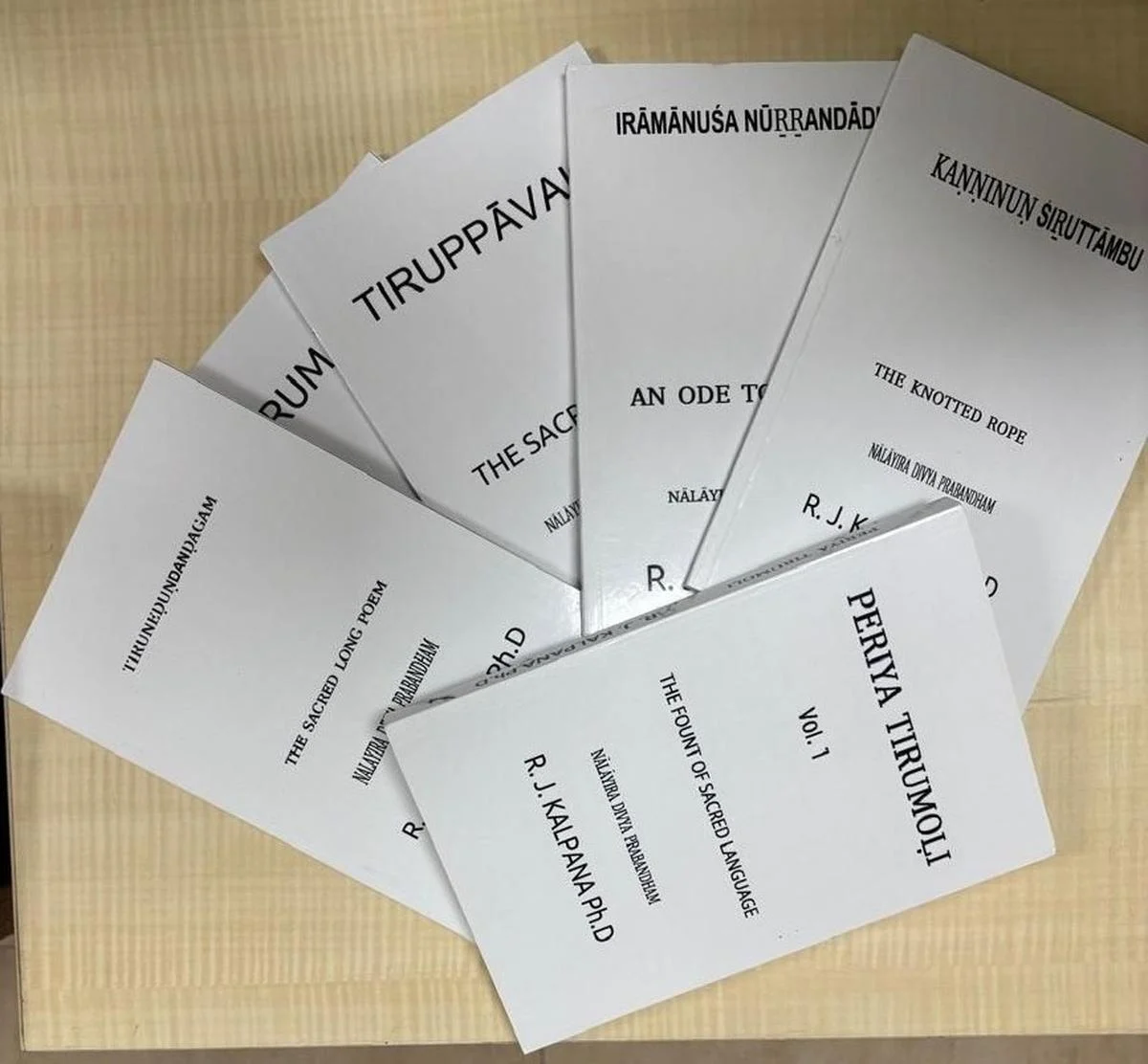
Chennai, India – September 17, 2026 – For centuries, the sacred hymns of the Naalaayira Divya Prabandham have resonated with profound devotional fervor, their lyrical beauty and complex poetry a cornerstone of Vaishnavite tradition. Yet, for many beyond the Tamil-speaking world, the profound spiritual depth and nuanced meanings of these 4,000 verses have remained largely inaccessible. Now, author R.J. Kalpana is poised to bridge this chasm with her ambitious and comprehensive 27-volume English translation series, a monumental undertaking that promises to reintroduce these ancient treasures to a global audience and rekindle a deeper appreciation for their enduring legacy.
This groundbreaking project, published by Pen & Ink Solutions, represents a significant scholarly and devotional endeavor. Kalpana’s translation not only transliterates the original Tamil hymns into English but also provides clear and accessible meanings for each verse. This meticulous approach aims to dismantle linguistic barriers, inviting readers from all backgrounds to engage with the profound expressions of bhakti – devotion – that characterize the works of the twelve Alwars, the poet-saints who composed these hymns in praise of Lord Vishnu.
The Genesis of Devotion: A Rich Literary and Spiritual Heritage
The Naalaayira Divya Prabandham is not merely a collection of religious texts; it is a vibrant tapestry woven from the myriad shades of devotion, encompassing longing, yearning, ecstatic joy, and absolute surrender to the divine. Composed between the 6th and 9th centuries CE, these verses offer a unique window into the spiritual landscape of ancient Tamil Nadu and the profound relationship between humanity and the divine.
The sheer volume and poetic sophistication of the Prabandham have always presented a challenge. While certain verses, like Andal’s Tiruppavai, have achieved widespread recognition and are traditionally sung and discussed during the Tamil month of Margazhi, and her Nachiyar Tirumozhi has even found expression in classical dance, a significant portion of the collection has remained relatively unexplored by the wider public. This disparity highlights the need for accessible scholarly and devotional resources that can illuminate the entirety of this sacred corpus.

The preservation and organization of these ancient hymns are largely attributed to the ninth-century Vaishnavite scholar Nathamuni. Faced with the potential loss of these invaluable verses, Nathamuni embarked on a mission to recover and compile them, meticulously arranging them into four major sections: Mudhalaayiram (containing 947 verses), Periya Thirumozhi (with 1,134 verses), Iyarpa (with 817 verses), and Tiruvoimozhi (with 1,102 verses). His efforts ensured that this rich literary and spiritual heritage would not fade into obscurity.
Bridging the Divide: Kalpana’s Vision for Accessibility
R.J. Kalpana’s 27-volume series directly addresses the historical challenge of accessibility. By meticulously translating and explaining each verse, she empowers readers to connect with the devotional intensity and philosophical nuances of the Prabandham. The decision to break down the entire work into separate volumes further enhances the reader’s journey, allowing for a gradual and personal exploration of the text. This approach fosters a deeper understanding and appreciation, preventing the overwhelming nature of such a vast collection from deterring potential readers.
"This work is the result of four years of study, reflection, and perseverance," Kalpana shared, reflecting on the immense effort behind the project. "Along the way, I often paused to admire the remarkable spiritual depth of the Alwars." Her dedication is evident in the accompanying features of the series. A comprehensive list of divyadesams (holy abodes of Vishnu), linked to their corresponding pasurams (hymns) and verse numbers, acts as an invaluable guide for readers seeking to navigate the intricate geography of the Prabandham. Furthermore, a detailed table at the end of each volume provides crucial information about the specific hymns attributed to each Alwar, offering a structured way to understand individual contributions.
A Chronology of Devotion and Preservation
The journey of the Naalaayira Divya Prabandham is a testament to the enduring power of faith and the vital role of scholarly preservation.

- 6th – 9th Centuries CE: The period during which the twelve Alwars composed the 4,000 sacred hymns that constitute the Naalaayira Divya Prabandham. These verses, rich in devotional sentiment and poetic artistry, were primarily composed in Tamil and expressed profound love and surrender to Lord Vishnu.
- 9th Century CE: The monumental efforts of the Vaishnavite scholar Nathamuni are credited with the recovery, compilation, and organization of these hymns. He meticulously gathered the scattered verses and arranged them into the four primary sections that form the basis of the modern compilation. This act of preservation was crucial in safeguarding this spiritual treasure for future generations.
- Centuries Following Nathamuni: The hymns continued to be revered and chanted within Tamil-speaking Vaishnavite communities. However, their reach remained largely confined due to linguistic barriers. Certain hymns, like Andal’s Tiruppavai, gained significant cultural prominence and continue to be widely performed and discussed.
- Modern Era: The emergence of scholars and translators dedicated to making these sacred texts accessible to a wider audience. R.J. Kalpana’s 27-volume series represents a significant milestone in this ongoing effort, offering a comprehensive and detailed English translation.
Supporting Data: The Scale and Scope of the Prabandham
The Naalaayira Divya Prabandham is an immense literary and spiritual undertaking, characterized by its vast number of verses and the profound depth of its content.
- Total Verses: Approximately 4,000 pasurams (hymns).
- Number of Volumes in Kalpana’s Series: 27, reflecting the detailed breakdown and analysis of the entire collection.
- Authorship: Attributed to the twelve Alwars, each with their distinct devotional style and thematic focus.
- Linguistic Origin: Composed in classical Tamil.
- Thematic Range: Encompasses a spectrum of bhakti emotions, including longing, divine love, spiritual yearning, ecstasy, and complete surrender.
- Significance: Considered a foundational text in Vaishnavism, influencing devotional practices, temple rituals, and philosophical discourse for centuries.
Kalpana’s translation series, by providing English transliterations and meanings, effectively democratizes access to this vast repository of spiritual wisdom. The inclusion of detailed indices and cross-references further enhances the utility of her work, making it an indispensable resource for scholars, devotees, and anyone seeking to understand the profound spiritual heritage of South India.
Implications: Reimagining Devotion in a Globalized World
R.J. Kalpana’s endeavor carries profound implications for the dissemination and understanding of devotional literature in an increasingly interconnected world.
- Global Outreach: The English translation opens the doors for a global audience to engage with the Naalaayira Divya Prabandham, fostering cross-cultural understanding and appreciation for Indian spiritual traditions. This can lead to new avenues for interfaith dialogue and the exploration of universal themes of devotion and spirituality.
- Scholarly Advancement: The comprehensive nature of the series provides invaluable material for academic research in fields such as religious studies, literature, linguistics, and cultural history. Scholars can now delve deeper into the nuances of the original Tamil with the aid of a detailed English interpretation.
- Revitalized Devotional Practice: By making the hymns more accessible, Kalpana’s work can inspire a new generation of devotees, both within and outside India, to connect with the Alwars’ teachings and incorporate them into their spiritual lives. This could lead to a resurgence of interest in traditional devotional practices and the chanting of these sacred verses.
- Artistic Inspiration: The rich imagery and emotional depth of the Prabandham have long inspired artists. A more widely understood text can fuel new creative expressions in music, dance, literature, and visual arts, further enriching cultural landscapes.
- Preservation of Intangible Heritage: In an era where intangible cultural heritage faces numerous challenges, Kalpana’s translation serves as a crucial tool for its preservation and transmission to future generations, ensuring that these sacred hymns continue to resonate with meaning and power.
R.J. Kalpana’s monumental translation of the Naalaayira Divya Prabandham is more than just a literary achievement; it is a significant cultural and spiritual contribution. By meticulously unveiling the sacred verses of the Alwars, she is not only preserving a vital piece of India’s heritage but also inviting the world to partake in its profound beauty and timeless wisdom. The 27 volumes stand as a beacon, illuminating a path for deeper understanding and a renewed appreciation of the extraordinary devotion that has shaped generations.
