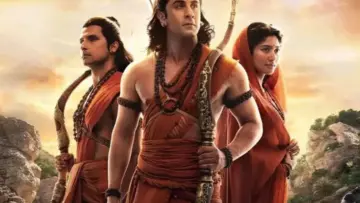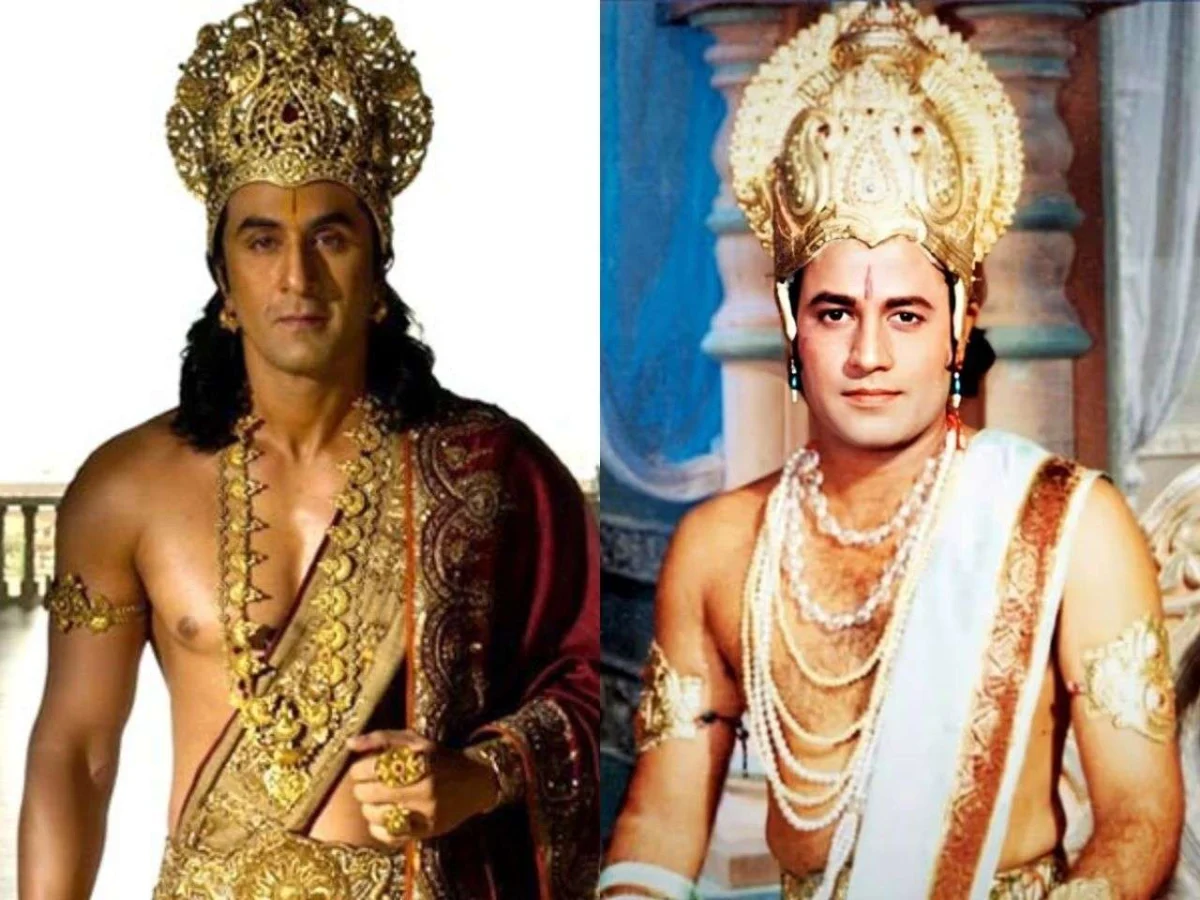
Mumbai, India – May 30, 2026 – The casting of Bollywood superstar Ranbir Kapoor as Lord Rama in the upcoming magnum opus "Ramayana: Part One" has ignited a fervent debate across India, drawing both anticipation and considerable criticism. Amidst the swirling controversy, Arun Govil, the actor whose portrayal of Lord Rama in Ramanand Sagar’s 1980s television series "Ramayan" etched him into the collective consciousness of a nation, has finally broken his silence. In a candid conversation, Govil addressed the backlash directed at Kapoor, offering a nuanced perspective that highlights the enduring legacy of his own iconic role and the profound connection audiences share with it.
The Nitesh Tiwari-directed "Ramayana," slated for a Diwali 2026 release, has been one of the most anticipated films in recent memory. However, the first glimpses of the ambitious project have been met with a polarized reception. While the grand scale and vision of Tiwari and producer Namit Malhotra have garnered some praise, the choice of Ranbir Kapoor to embody the revered Maryada Purushottam (the epitome of righteousness) has been a significant point of contention, attracting mixed to negative reactions. This sentiment was echoed by Sunil Lahri, who played Lakshmana in the original series, who recently commented that Kapoor "lacks innocence" and that it’s "difficult to see him as Rama after playing such intense roles."
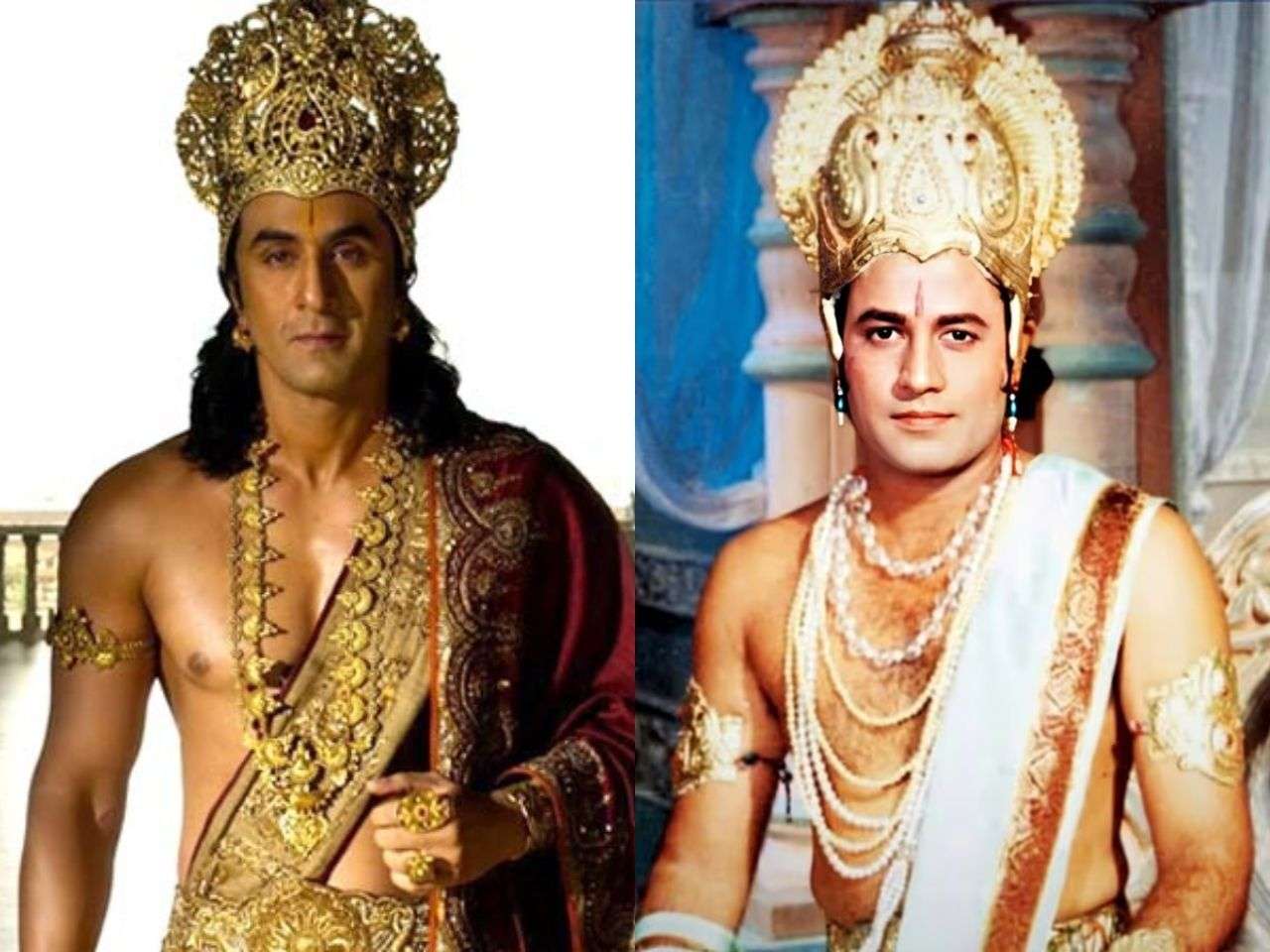
Now, Arun Govil, who himself is slated to portray King Dasharatha in the upcoming film, has weighed in on the matter, suggesting that the intense scrutiny faced by Kapoor is, in part, a testament to the indelible impact of his own performance.
The Enduring Shadow of an Iconic Portrayal
Arun Govil, speaking exclusively to Variety India, acknowledged Ranbir Kapoor’s acting prowess and character, stating, "As Rama, I won’t be able to tell you anything about him, but he is a good actor, there is no doubt about that. He is also a fine human being. As I said earlier, every actor pursues every character in their own way. And he must have played Lord Rama in his unique way."
)
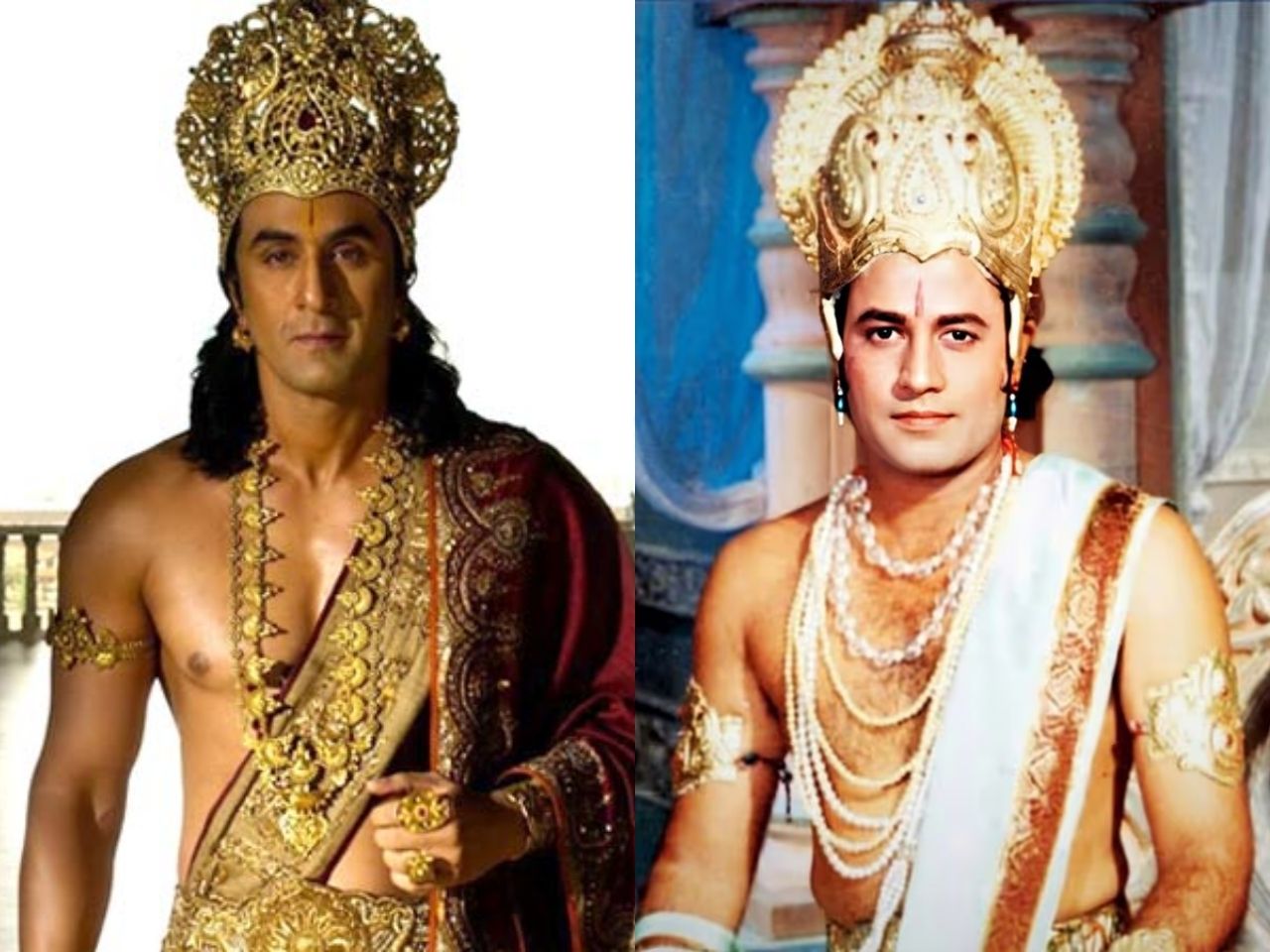
However, Govil candidly admitted that the widespread criticism faced by Kapoor is not entirely unexpected. He believes his own portrayal of Lord Rama has become a benchmark, deeply ingrained in the hearts and minds of millions. "That perhaps is also because my performance as Lord Rama became the touchstone. It is still alive in the hearts and minds of people," Govil confessed, revealing a sentiment that resonates with a significant portion of the Indian audience.
He further elaborated on the deep-seated connection people have with his rendition of the divine prince: "Nobody wants to see another Rama. You know, my Ramayan keeps playing somewhere or the other at any given time." This statement encapsulates the unique challenge faced by any actor stepping into the shoes of a character so profoundly and permanently embodied by another. The 1980s "Ramayan" transcended mere television programming; it became a cultural phenomenon, a daily ritual for families across India, solidifying Arun Govil’s face and persona as the definitive visual representation of Lord Rama for generations.
)
A Legacy Etched in Public Consciousness
Govil’s assertion is not an exaggeration. He shared a striking anecdote that underscores the enduring impact of his portrayal: "Even today, in North and Central India, whenever there are melas and tamashas and photos of Rama are sold, they have my face on them." This phenomenon highlights how his image has become intrinsically linked with the divine figure, creating a powerful, almost sacred, association in the public psyche.
For many, particularly in the more traditional and rural parts of India, Arun Govil is Lord Rama. This deep-rooted connection makes it difficult for them to accept another actor in the role, regardless of their talent or the artistic vision of the new production. The very idea of a new "Rama" can feel like an intrusion into a cherished and established spiritual image.

Govil’s sentiment suggests that the backlash isn’t necessarily a direct indictment of Ranbir Kapoor’s acting abilities or Nitesh Tiwari’s directorial vision, but rather a manifestation of the audience’s profound emotional and spiritual attachment to the "Ramayan" they grew up with. The original series, with its devotional fervor and faithful depiction, became a cornerstone of Indian popular culture and a source of spiritual solace for millions. Any new interpretation, therefore, carries the immense burden of living up to, or at least not alienating, this deeply ingrained legacy.
The Challenge of Reimagining the Divine
The "Ramayana" is not just a story; it is a sacred text, a moral compass, and a cultural cornerstone for millions of Hindus worldwide. The challenge of adapting such a revered narrative for a modern cinematic audience is immense. Nitesh Tiwari, known for his critically acclaimed films like "Dangal" and "Chhichhore," is aiming for a grand, epic scale with "Ramayana," reportedly envisioned as a trilogy. The film boasts a star-studded cast, with Yash playing Ravana and Sai Pallavi rumored to be essaying the role of Sita.
)
However, the initial reactions suggest that the creative liberties taken, or perhaps the perceived departure from the traditional iconography, have not sat well with a significant segment of the audience. Ranbir Kapoor, known for his versatile roles in films like "Barfi!", "Sanju," and the recently released, polarizing "Animal," brings a different kind of intensity and realism to his performances. This contrasts sharply with the serene, almost ethereal, image that Arun Govil cultivated for Lord Rama.
The perceived dissonance between Ranbir Kapoor’s existing on-screen persona and the universally accepted image of Lord Rama is a key factor contributing to the backlash. For many, the divine nature of Rama requires an actor who embodies a certain purity, innocence, and divine aura, qualities that they feel Ranbir Kapoor, especially after his roles in films like "Animal," might not immediately project.
)
Supporting Data and Public Sentiment
The online discourse surrounding Ranbir Kapoor’s casting has been largely dominated by skepticism and outright opposition. Social media platforms are rife with comments expressing concern about his suitability for the role. Hashtags related to the "Ramayana" film often trend with discussions focusing on casting choices and the potential impact on the sanctity of the epic.
Several polls conducted by various media outlets and entertainment portals have shown a significant majority of respondents expressing reservations about Ranbir Kapoor as Lord Rama. While these polls are not always statistically representative of the entire population, they do indicate a prevailing sentiment among a vocal segment of the audience.
)
Furthermore, the continued popularity of the original "Ramayan" series, which is frequently re-telecast and available on streaming platforms, further solidifies the existing perceptions. The audience’s familiarity and affection for Arun Govil’s portrayal create a high bar for any newcomer. The fact that the original series still evokes such strong emotional responses underscores the deep cultural penetration it achieved.
Official Responses and the Road Ahead
While Ranbir Kapoor and the makers of "Ramayana" have largely remained tight-lipped about the casting controversy, Arun Govil’s measured response provides a crucial perspective. His acknowledgement of Kapoor’s talent, coupled with his explanation of his own enduring legacy, offers a more empathetic understanding of the situation.
)
The producers and director are likely hoping that the film’s eventual release will speak for itself, showcasing a vision that resonates with audiences. The grand scale and ambitious nature of the project suggest an attempt to present the epic in a new light, catering to a contemporary audience while respecting the source material.
"Ramayana: Part One" is slated for release in Diwali 2026, with "Part Two" expected in Diwali 2027. This phased release indicates a significant investment in storytelling and visual spectacle. The success of this ambitious project will depend not only on its cinematic quality but also on its ability to navigate the deeply ingrained cultural and spiritual expectations associated with the epic.
)
Implications for Future Productions
Arun Govil’s comments highlight a critical aspect of adapting beloved epics and mythological narratives in India. The emotional and spiritual investment of the audience is paramount. For actors and filmmakers, understanding this deep connection is as crucial as mastering the technical aspects of filmmaking.
The backlash faced by Ranbir Kapoor serves as a reminder that in India, certain roles transcend mere acting assignments; they become deeply personal for the audience. The legacy of iconic performances, like Arun Govil’s Lord Rama, creates a powerful gravitational pull that any new interpretation must contend with.
)
As the release of "Ramayana" draws nearer, the debate is likely to continue. Whether Ranbir Kapoor can overcome the shadow of Arun Govil’s portrayal and carve his own niche as Lord Rama remains to be seen. However, Arun Govil’s insightful perspective provides a valuable lens through which to understand the complex interplay of tradition, performance, and public sentiment in the realm of Indian cinema, particularly when it ventures into the sacred and the revered. The makers of "Ramayana" face a formidable task: to create a new vision that honors the past while captivating a new generation, a balancing act that has proven to be one of the most challenging in Indian filmmaking.