

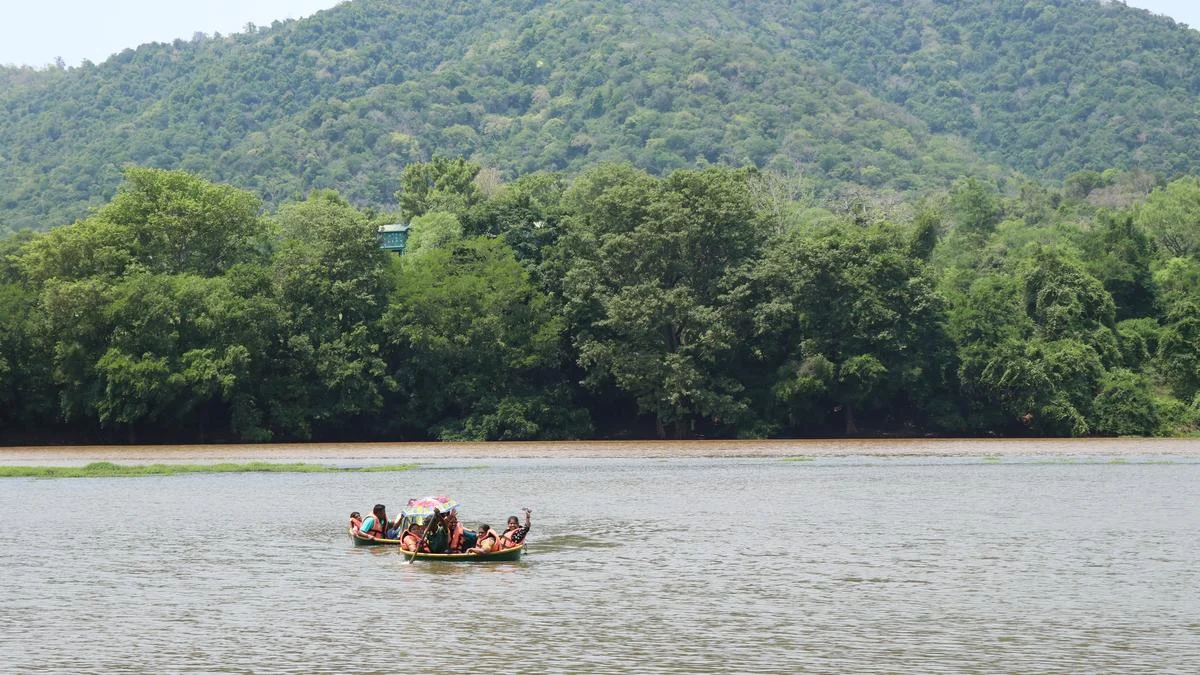
Coimbatore, Tamil Nadu – Nestled just 70 kilometers from the bustling city of Coimbatore, a transformative journey unfolds at Baralikadu, an eco-tourism haven that has redefined conservation through community empowerment. What began as a modest initiative in 2007 has blossomed into a beacon of success, demonstrating how integrating local livelihoods with environmental stewardship can yield profound benefits for both nature and the people who call it home. The serene waters of the River Bhavani, the lifeblood of this region and a critical component of the Pilloor Dam’s water supply for Coimbatore, serve as the tranquil stage for this remarkable story.
The Genesis of a Sustainable Sanctuary
The vision for Baralikadu was born from a pressing need: to secure the future of the surrounding forests for generations to come. Joseph Stalin, the Karamadai Forest Range Officer, articulated the core principle behind the project, stating, "If we wanted the forests to remain sustainable for future generations, we had to create alternative sources of income." This fundamental idea laid the groundwork for an innovative approach that would leverage the region’s natural beauty and cultural heritage to foster economic growth while simultaneously protecting its ecological integrity.

The initiative strategically partnered with the indigenous tribal communities, primarily the Irulas, whose ancestral roots and livelihoods were deeply intertwined with the forest. For centuries, coracles – traditional, circular boats crafted from logs and natural materials – were not a recreational novelty but an essential mode of transport for these communities, enabling them to traverse the River Bhavani and reach villages like Poochamarathur. This journey, which takes a mere ten minutes by coracle, would otherwise necessitate a gruelling 20-kilometer detour by road.
The Forest Department, recognizing the potential of this inherent local knowledge and resourcefulness, collaborated with these communities to establish an eco-tourism model designed for minimal environmental impact. This partnership has not only preserved the traditional coracle-making skills but also transformed them into a source of sustainable income.

A Symphony of Nature and Culture: The Baralikadu Experience
The journey into Baralikadu begins with a scenic two-hour drive from Coimbatore, leading to a landscape where the vibrant green of the reserve forest meets the shimmering expanse of the River Bhavani. Upon arrival, visitors are greeted with a refreshing sukku coffee, a traditional beverage brewed from dried ginger and jaggery, served under the expansive canopy of a banyan tree that offers a picturesque view of the backwaters of Pilloor Dam.
The heart of the Baralikadu experience lies in its authentic immersion into nature and local culture. Donning a life jacket and adjusting a hat, visitors step into a coracle, embarking on a serene 45-minute ride across the tranquil waters. The crisp, pollution-free air fills the lungs, and the profound silence is broken only by the gentle rhythm of the oars and the distant calls of nature.

Coracle Rides: A Lifeline Reimagined
The coracle operators, like S. Nanjan, a veteran who has been navigating the Bhavani for over 15 years, are integral to the Baralikadu narrative. "We are a team of 20 members," he explains, his hands expertly guiding the coracle. "Each coracle takes four tourists for a 45-minute ride. Visitors relax, enjoy the scenery and ask endless questions about elephants, leopards and other wildlife." As he rows, Nanjan points out specific spots within the forest where elephant sightings are common at dusk, sharing anecdotes and insights passed down through generations. He recounts the evolution of coracles, from their humble beginnings made with logs and coconut fronds to the more durable bamboo versions, and now, the modern fibre coracles equipped with enhanced safety features.
These coracle rides, once a necessity for the local communities, have been transformed into a unique tourist attraction, offering an unparalleled perspective of the river and its surrounding biodiversity.

A Taste of the Forest: Tribal Cuisine and Culinary Heritage
The Baralikadu experience extends beyond the river, encompassing a rich culinary journey into the heart of tribal cuisine. Visitors are treated to a hearty, tribal-style lunch, often featuring dishes prepared with locally foraged ingredients. Thaiamma and Tamil Selvi, members of the Thamarai Self-Help Group, share their stories of transformation. "Before 2007, there was hardly any income. We worked as daily labourers. Now we confidently interact with tourists," says Thaiamma.
The menu frequently showcases forest produce such as kanthari or bird’s eye chillies, wild sweet potatoes, and an array of fresh greens. "We cook on firewood and grind masalas by hand on ammikal," explains Tamilselvi. "Our biryani prepared with seasonal vegetables is a favourite among visitors." The authenticity of their cooking, rooted in traditional methods and fresh, local ingredients, provides a truly immersive gastronomic experience.

Cultural Encounters: Preserving and Sharing Traditions
As dusk descends, the air fills with the melodious sounds of traditional music and dance. Artistes from the community gather with instruments like the porai, thavilu, jalra, and pogal, their songs echoing through the forest. These tunes narrate tales of everyday life, weddings, farming, rivers, forests, and wildlife, offering a glimpse into the rich cultural tapestry of the indigenous communities.
Raja, a member of the cultural troupe, explains the significance of their performances: "Our songs give a peek into how our elders lived. Everything, from goats and rivers to food, birds, trees, and relationships, becomes a song. At night, our ancestors would gather and turn the day’s events into music." Dancers Sandhya and Selvi lead visitors through energetic performances, their movements embodying the spirit and traditions of their ancestors. "We want our culture to survive and reach the next generation," Raja adds, underscoring the vital role of tourism in cultural preservation.

A Model of Community-Based Conservation and Economic Empowerment
Baralikadu’s success is not merely in its allure as a tourist destination but in its profound impact on the local communities. Since its inception, the eco-tourism initiative has generated over ₹7.5 crores in revenue, creating sustainable livelihoods for more than 100 tribal families across 20 settlements. This financial injection has had a transformative effect, improving living standards and fostering a sense of self-reliance.
The initiative operates with a strong commitment to responsible tourism. Visitor numbers are capped at 250 per day, with bookings primarily made online, especially on weekends, to minimize ecological impact. Special requests for individual groups of a minimum of 50 members are accommodated during weekdays. Strict measures are in place to monitor plastic usage, and visitors are prohibited from using soap while bathing in the river. Awareness about wildlife movement in the area is also provided to guests.

Poochamarathur Eco Stay: An Integral Part of the Experience
For those seeking a more immersive experience, the Poochamarathur Eco Stay offers basic accommodation run by the community, allowing visitors to extend their stay and deepen their connection with the natural surroundings. Many families in this hamlet now earn between ₹25,000 and ₹30,000 per month through various tourism-related activities, a significant increase from their previous income as daily wage laborers.
The Role of the Forest Department and Visionary Leadership
The Baralikadu project is a testament to the foresight and dedication of the Forest Department, particularly the vision of I. Anwardeen, Principal Chief Conservator of Forests (Research and Education), Chennai. The department’s initial investment of approximately ₹2 lakhs has yielded immeasurable returns, not just in financial terms but in fostering a harmonious relationship between conservation and community development.

Anwardeen fondly recalls his initial visit to Baralikadu: "When we came for inspection, villagers ferried us across the river in their coracles. The crossing was effortless. The landscape was breathtaking. Women carrying babies rowed the coracles with remarkable ease. That experience stayed. We became partners." This personal connection and understanding of the local people’s capabilities and needs were instrumental in shaping the project’s success.
The revenue generated by the project is reinvested in crucial areas such as tribal welfare, anti-poaching camps, and measures to mitigate human-animal conflict. Furthermore, the development of the eco-tourism initiative has brought essential infrastructure to the tribal settlements, including access to electricity and, significantly, improved water management. Water from the Pilloor Dam, once a distant resource, now supports agriculture in these areas.

Implications and Future Outlook: A Sustainable Blueprint
The Baralikadu model offers a compelling blueprint for sustainable development in other ecologically sensitive regions. Its success underscores several key implications:
- Community Empowerment: By actively involving local communities in the planning and execution of tourism initiatives, their traditional knowledge and skills are valued, leading to greater ownership and commitment to conservation.
- Economic Diversification: Providing alternative livelihood options reduces reliance on potentially unsustainable practices like illegal logging or poaching, fostering economic stability within forest-dependent communities.
- Environmental Stewardship: The direct economic benefits derived from a healthy ecosystem create a powerful incentive for conservation. When communities see tangible returns from protecting their environment, they become its most ardent guardians.
- Cultural Preservation: Eco-tourism can serve as a platform for showcasing and preserving indigenous cultures, ensuring their continuity for future generations while fostering cross-cultural understanding.
- Responsible Tourism Practices: The emphasis on capped visitor numbers, waste management, and visitor education at Baralikadu demonstrates that tourism can be conducted in a manner that minimizes its ecological footprint.
As the sun dips below the hills, casting a warm glow over the landscape, the experience at Baralikadu leaves an indelible mark. Dipping one’s feet into the cool waters of the Bhavani and splashing water on the face serves as a perfect, serene conclusion to an outing that is not just a tourist experience, but a profound lesson in how humanity and nature can thrive in symbiotic harmony. The success of Baralikadu stands as a powerful testament to the fact that with vision, collaboration, and a deep respect for local communities and their environment, a truly sustainable future is not just a dream, but an achievable reality.

For those seeking to explore this remarkable destination, further information can be found at coimbatorewilderness.com.
