

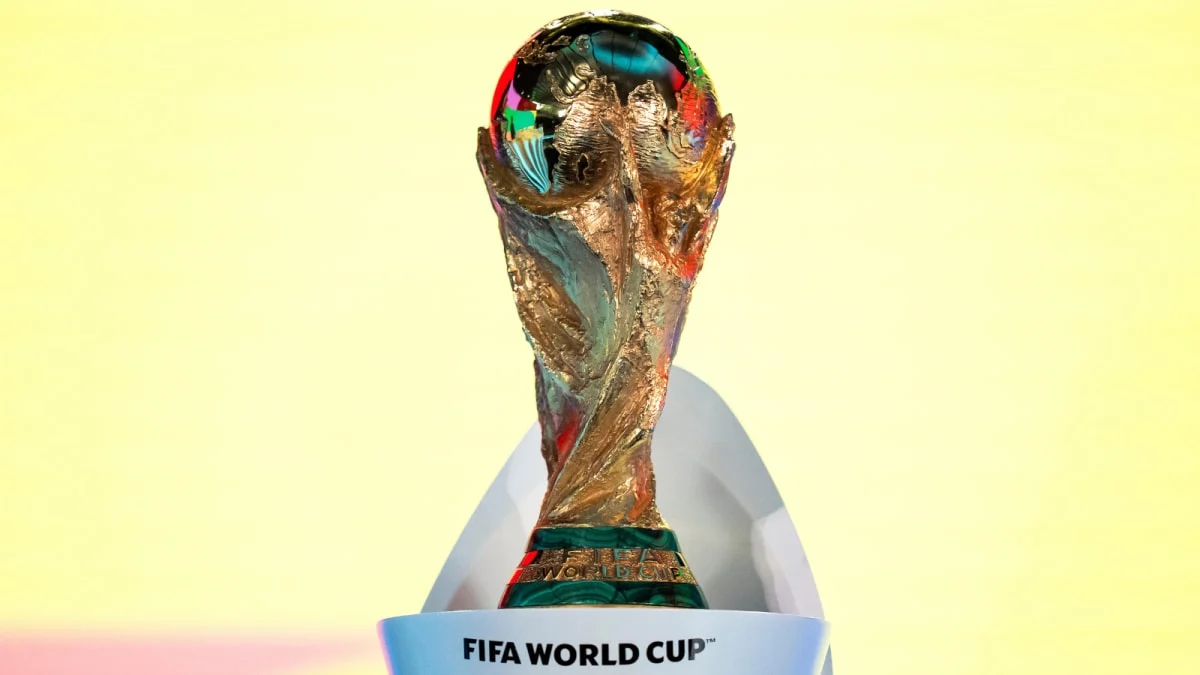
Beijing, China – May 15, 2026 – In a significant development for football fans across China, the China Media Group (CMG), the country’s state broadcaster, has reached a comprehensive agreement with FIFA, the world governing body for football, to secure exclusive media rights for upcoming FIFA World Cups. The landmark deal, announced just weeks before the kick-off of the highly anticipated 2026 FIFA World Cup in North America, effectively resolves a protracted dispute over domestic television rights and paves the way for an unprecedented era of football broadcasting in the world’s most populous nation.
The agreement grants CMG exclusive mainland China media rights, including sublicensing rights, across all platforms – free-to-air television, pay-TV, the internet, and mobile devices – for the men’s FIFA World Cups in 2026 and 2030, as well as the FIFA Women’s World Cups in 2027 and 2031. This multi-tournament, multi-platform package underscores the immense value FIFA places on the Chinese market and CMG’s enduring commitment to bringing premium global sports content to its vast audience. The 2026 tournament, co-hosted by the USA, Canada, and Mexico, is slated to begin on June 11th, making the resolution of this dispute particularly timely and crucial.
A Chronology of Negotiations and Resolution
The path to this agreement was not without its complexities, highlighting the high stakes involved in securing broadcast rights for one of the world’s most-watched sporting events.
The Pre-Agreement Tensions
While specific details of the "dispute over domestic television rights" remain largely undisclosed, such impasses typically arise from intricate negotiations concerning financial valuations, the scope of digital rights, exclusivity clauses, and the strategic positioning of global sporting events within a national media landscape. For an event as globally significant as the FIFA World Cup, which commands billions in viewership and advertising revenue, the negotiation process is always intense.
Industry observers had noted a period of uncertainty regarding the 2026 World Cup’s broadcast in China, a rarity given CMG’s historical role as the primary rights holder. This uncertainty likely stemmed from FIFA’s desire to maximize revenue in a rapidly evolving media market, particularly with the expanded 48-team format of the 2026 tournament offering more matches and, consequently, greater broadcast value. CMG, as the state broadcaster, also has its own strategic imperatives, balancing commercial viability with public service obligations and the promotion of sports culture within China. The delay in finalizing the deal, stretching to just a month before the opening whistle, suggested that both parties were engaged in robust discussions to secure terms that aligned with their respective interests, ensuring maximum impact and return. The resolution underscores a mutual recognition of the benefits of a continued partnership.
FIFA’s Diplomatic Offensive
The breakthrough agreement followed a high-level visit to Beijing by a FIFA delegation earlier this week. Led by FIFA Secretary General Mattias Grafstrom and Director of Media Rights Jean-Christophe Petit, the delegation’s mission was clear: to engage directly with China’s state broadcaster and finalize the critical broadcast deal. This direct diplomatic approach by FIFA’s senior leadership highlights the paramount importance of the Chinese market to the organization’s global strategy.
The visit was a calculated move to bridge any remaining gaps in negotiations, address concerns directly, and reaffirm the long-standing relationship between FIFA and CMG. Such face-to-face engagements often prove instrumental in resolving complex commercial agreements, fostering trust, and demonstrating a commitment to the partnership. The urgency of the 2026 World Cup’s imminent start date undoubtedly added impetus to these discussions, driving both parties towards a swift and mutually beneficial conclusion.
The Breakthrough Announcement
The official announcement on Friday, May 15, 2026, brought an end to the speculation and relief to millions of Chinese football enthusiasts. CMG’s statement outlined the comprehensive nature of the deal, emphasizing its exclusive rights across all media platforms. FIFA swiftly confirmed the terms, with Secretary General Grafstrom expressing his delight at the agreement. The timing, while cutting it close, ensures that CMG now has ample time for promotional activities, content scheduling, and technical preparations to deliver a seamless viewing experience for the World Cup beginning in June. This timely resolution avoids a potential blackout or fragmented broadcast, which would have been a significant disappointment for fans and a commercial setback for both parties.
The Strategic Value: Unpacking the Deal’s Dimensions
The agreement is far more than a simple broadcast contract; it represents a multi-faceted strategic alignment with profound implications for both FIFA and the Chinese media landscape.
China’s Mammoth Football Market
China represents an unparalleled market for global sports, and football, despite the national team’s fluctuating fortunes, holds an almost unparalleled cultural significance. Previous FIFA World Cups have consistently drawn colossal viewership figures in China, often reaching into the hundreds of millions for key matches, demonstrating the nation’s deep passion for the sport. CMG, as the parent organization of China’s state broadcaster (CCTV), possesses an unrivaled reach, capable of delivering content to virtually every household and mobile device in the country. This extensive penetration makes China a crucial territory for FIFA’s global outreach and revenue generation. The ability to tap into this immense audience through CMG’s robust network is a cornerstone of FIFA’s commercial strategy, solidifying football’s position as a premier sport within the Chinese cultural fabric.
Financial Stakes and Global Reach
While specific financial terms of the deal were not disclosed, broadcast rights for major international sporting events are a multi-billion dollar industry. For FIFA, media rights constitute a significant portion of its revenue, directly funding its operations, development programs, and prize money. Securing a comprehensive, long-term deal with CMG ensures a stable and substantial revenue stream from one of the world’s largest economies, bolstering FIFA’s financial health and its capacity to invest in football development globally.
The value of these rights is further amplified by the scope of the agreement, covering four major tournaments over the next five years. This long-term commitment provides FIFA with predictability in a volatile market and underscores the continued commercial attractiveness of its flagship competitions. For CMG, while a substantial investment, these exclusive rights offer immense commercial opportunities through advertising, sponsorship, and sublicensing to other platforms, allowing them to recoup their investment and generate profit while reinforcing their market dominance.
The Expanded 2026 World Cup: A New Frontier
The 2026 FIFA World Cup is set to be a tournament of firsts: the first to feature 48 teams, the first to be hosted across three nations (USA, Canada, and Mexico), and the largest in terms of matches (104, up from 64). This expansion translates into significantly more content, presenting both a challenge and an immense opportunity for CMG. More matches mean more broadcast hours, increased production complexity, and greater potential for fan engagement across different time zones.
CMG’s acquisition of these rights positions it at the forefront of delivering this monumental event to Chinese audiences. The expanded format means a richer tapestry of footballing narratives, more nations represented, and potentially more diverse viewing interests, all of which CMG will be tasked with capturing and presenting. The sheer scale of the 2026 tournament alone justified intense negotiations, as its broadcast rights are inherently more valuable and complex than previous editions.
The Ascendance of Women’s Football
A notable aspect of the agreement is the inclusion of the FIFA Women’s World Cups in 2027 and 2031. This reflects the dramatic global growth and increasing commercial viability of women’s football. Recent Women’s World Cups have broken viewership records worldwide, attracting new audiences and significant sponsorship interest. By securing these rights, CMG demonstrates its commitment to promoting women’s sports in China and capitalizing on this burgeoning market.
For FIFA, including the Women’s World Cup rights in a bundled deal with the men’s tournaments signifies a strategic effort to elevate the profile and commercial standing of women’s football. For China, a nation with a proud history in women’s football, consistent high-quality broadcast access to the sport’s premier event can inspire greater participation at the grassroots level, foster new generations of fans, and contribute to the overall development of women’s sports within the country.
Technological Prowess and Fan Engagement
CMG’s statement highlighted its "all-media communication matrix and world-class production and broadcasting capabilities" to present a "thrilling football spectacle." This commitment speaks to the evolving demands of modern sports broadcasting. It implies a comprehensive strategy that extends beyond traditional television to embrace digital platforms, social media integration, and interactive content.
Modern audiences, particularly in tech-savvy China, expect high-definition (HD), ultra-high-definition (4K), and even immersive viewing experiences. CMG’s pledge suggests investment in cutting-edge broadcast technology, including multi-camera angles, enhanced graphics, virtual reality (VR) or augmented reality (AR) elements, and seamless streaming across mobile devices. This "all-media" approach aims to deliver a holistic and engaging experience, allowing fans to follow the World Cup on their preferred platform, personalize their viewing, and interact with the content, thereby taking the broadcast of the tournament to "the next level," as Grafstrom articulated.
Voices from the Summit: Official Responses and Vision
The agreement was met with enthusiastic statements from both FIFA and CMG, underscoring the mutual satisfaction and strategic alignment.
FIFA’s Perspective: A Long-Standing Partnership Reinforced
Mattias Grafstrom, FIFA Secretary General, expressed profound satisfaction with the resolution, emphasizing the historical depth of the relationship. "It’s a real pleasure that we have found an agreement with CMG," Grafstrom stated. "We know the passion of Chinese football fans, and we’re very happy and proud of our partnership with CMG to bring the FIFA World Cup to all fans in China."
Grafstrom further elaborated on CMG’s pivotal role: "CMG have been a strong partner for the last 50 years and having them on board for the next two editions of the FIFA World Cup and the FIFA Women’s World Cup will really enhance the way the tournament will be broadcast." His remarks highlighted CMG’s reputation for being "at the forefront of broadcast technology," expressing confidence that the state broadcaster would elevate the viewing experience for the first 48-team FIFA World Cup. This sentiment reflects FIFA’s trust in CMG’s technical capabilities and its ability to effectively penetrate the vast Chinese market, ensuring maximum exposure for the tournament.
CMG’s Commitment: A "Thrilling Football Spectacle"
China Media Group’s official statement echoed FIFA’s enthusiasm, reiterating the comprehensive nature of the rights secured. "Under the agreement, China Media Group has secured exclusive mainland China media rights and sublicensing rights for all platforms across the period, including free-to-air television, pay-TV, the internet and mobile devices," the statement read.
CMG also reaffirmed its commitment to delivering an exceptional broadcast experience. "China Media Group is one of FIFA’s important global partners, and the two sides have worked together since 1978. CMG will leverage its all-media communication matrix and world-class production and broadcasting capabilities to present audiences with a thrilling football spectacle," the group promised. This pledge signifies CMG’s intent not just to broadcast the games, but to curate an immersive and high-quality viewing experience that caters to the diverse preferences of Chinese football fans, leveraging its extensive resources and technological advancements.
Broader Industry Reaction
Industry analysts have widely hailed the agreement as a significant win for all parties. "This deal provides crucial stability for FIFA’s commercial operations in a key Asian market, ensuring substantial revenue flow and brand presence," commented Dr. Li Wei, a sports economics professor at Beijing Sport University. "For CMG, it solidifies their position as the undisputed leader in sports broadcasting in China, giving them a powerful asset to drive viewership, advertising, and potentially new digital subscription models through sublicensing. The resolution of the dispute, particularly so close to the tournament, demonstrates the high-stakes nature of these negotiations and the mutual desire to find common ground for the benefit of the sport and its fans."
Far-Reaching Implications for Football in China and Beyond
The agreement between CMG and FIFA carries significant implications that extend beyond mere broadcast schedules, impacting football culture, commercial strategies, and global sports dynamics.
Bolstering Chinese Football Culture
For millions of Chinese football fans, the agreement guarantees uninterrupted and high-quality access to the pinnacle of international football. Consistent exposure to the world’s best teams and players through comprehensive broadcasts is crucial for fostering and sustaining a vibrant football culture. It inspires young players, educates budding enthusiasts, and provides a shared national experience that unites communities. This continuous stream of top-tier football content contributes directly to China’s national sports strategy, which aims to develop a robust football ecosystem from grassroots to professional levels. The guaranteed broadcast of both men’s and women’s World Cups will undoubtedly fuel interest and participation in the sport across all demographics.
FIFA’s Strategic Foothold
For FIFA, the deal secures a vital revenue stream from a critically important market. China’s economic power and massive population make it indispensable for global sporting organizations. A stable, long-term partnership with CMG mitigates risks associated with market access and ensures FIFA’s brand remains highly visible and influential in Asia. This strategic foothold is essential for FIFA’s global development initiatives and its ongoing efforts to expand football’s reach and popularity worldwide. The deal also sends a strong signal of stability to other potential commercial partners and broadcasters globally, reaffirming the enduring value of FIFA’s intellectual property.
CMG’s Commercial and Reputational Gains
CMG’s acquisition of these comprehensive rights reinforces its status as the dominant sports broadcaster in China. It provides an exclusive product that can drive viewership across its myriad platforms, attracting significant advertising and sponsorship revenue. The inclusion of sublicensing rights also offers CMG strategic flexibility, allowing it to partner with other digital platforms or regional broadcasters to maximize reach and monetization while maintaining overall control. Beyond commercial benefits, securing these prestigious rights enhances CMG’s reputation as a world-class media organization capable of delivering premium international content, solidifying its position at the pinnacle of Chinese broadcasting.
A Precedent for Future Global Sports Deals
The successful resolution of this high-stakes dispute, particularly given the proximity to the 2026 World Cup, could serve as a significant precedent for future international sports media rights negotiations. It underscores the complexities involved in balancing commercial interests with regulatory environments and fan expectations in different markets. The ability of FIFA and CMG to find common ground, despite evident disagreements, highlights the mutual benefits of partnership and the strategic importance of long-term collaboration in the global sports industry. As media consumption habits continue to evolve, such comprehensive, multi-platform deals will likely become the norm, with broadcasters like CMG playing an ever more central role in shaping how major sporting events are experienced worldwide.
In conclusion, the agreement between China Media Group and FIFA is a momentous occasion that guarantees an unparalleled football viewing experience for Chinese fans for years to come. It resolves a significant pre-tournament hurdle, strengthens a long-standing partnership, and underscores the strategic importance of China in the global football landscape. As the world eagerly anticipates the kick-off of the 2026 FIFA World Cup, Chinese audiences can now look forward to a "thrilling football spectacle," delivered with world-class production and comprehensive access across all platforms, setting a new benchmark for sports broadcasting in the nation.
