

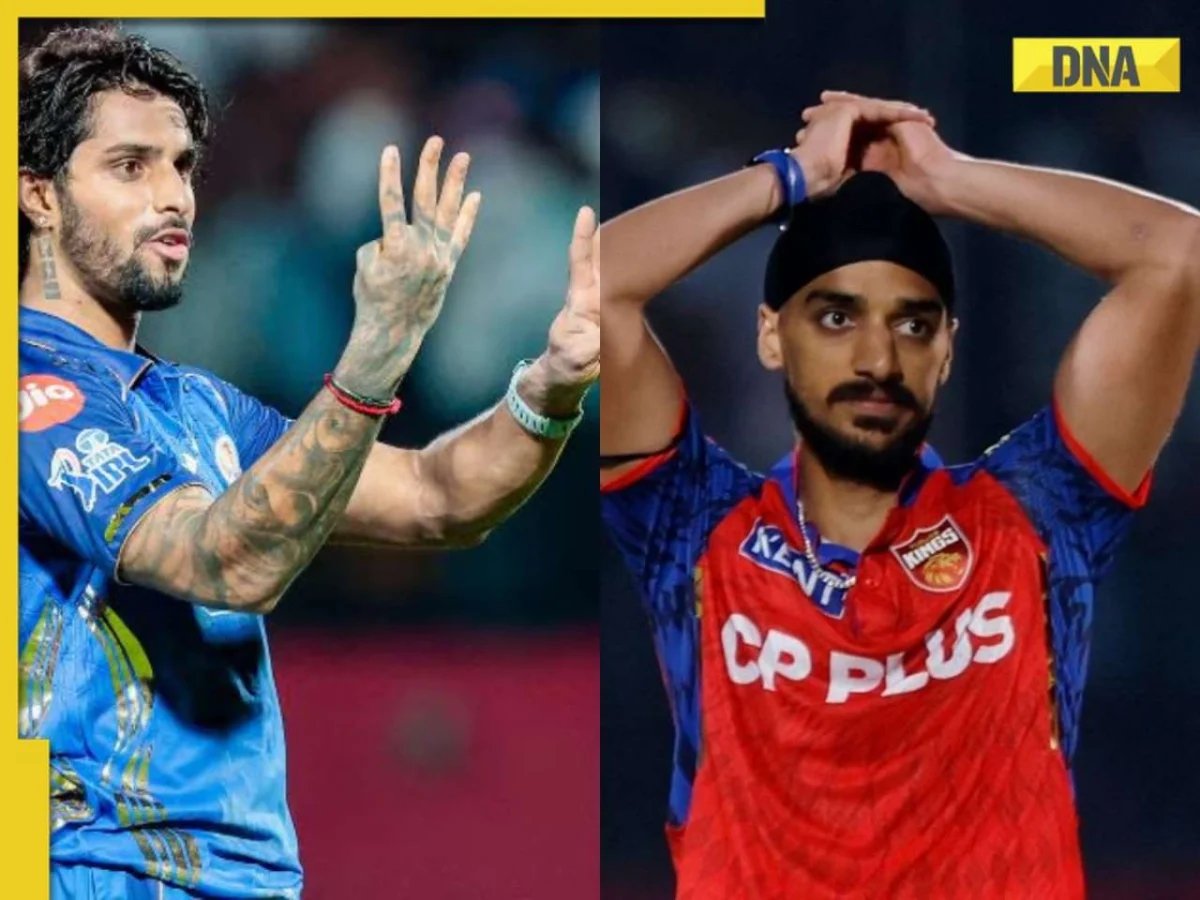
The Indian Premier League (IPL) 2026 season, renowned for its exhilarating cricket and electrifying atmosphere, has been thrust into an unwelcome spotlight following an alleged racism controversy involving fast bowler Arshdeep Singh and rising star Tilak Varma. A seemingly innocuous pre-match remark has spiraled into a heated debate, prompting widespread condemnation on social media, a vehement call for a ban from a former India cricketer, and official demands for intervention from the Board of Control for Cricket in India (BCCI). The incident has ignited a crucial conversation about discrimination, player conduct, and the responsibility of sports personalities on a global stage.
The Spark: An Alleged Racist Remark Ignites IPL Controversy
The genesis of the current uproar traces back to a video clip that swiftly circulated across social media platforms, capturing a moment of alleged pre-match banter that many have deemed deeply offensive. The controversy centers around a comment made by Punjab Kings’ paceman Arshdeep Singh directed at Mumbai Indians’ prodigious batsman, Tilak Varma, ahead of their highly anticipated IPL 2026 encounter.
Pre-Match Banter Turns Sour
In the viral video, Arshdeep Singh can be distinctly heard addressing Tilak Varma with the phrase, "Oye Andhere, sunscreen lagaaya?" This Hindi phrase directly translates to, "Hey dark one, did you apply sunscreen?" While some might initially perceive it as playful teasing, the choice of address, particularly "Andhere" (dark one), carries significant racial undertones when directed at an individual based on their skin complexion. In a society where discussions around skin color and fairness often intersect with ingrained biases, such a remark, even if intended innocently, can be deeply hurtful and perpetuate harmful stereotypes. The casual nature of the comment, delivered in what appeared to be an informal setting, has only amplified the criticism, as it suggests a normalization of such language. The context of professional athletes, who serve as role models for millions, further compounds the gravity of the situation, highlighting the need for heightened sensitivity and awareness regarding their public and private interactions.
Social Media Erupts in Condemnation
The dissemination of the video clip acted as a catalyst, triggering an immediate and furious backlash across various social media platforms, most notably X (formerly Twitter) and Instagram. Fans, cricket enthusiasts, and public commentators alike swiftly condemned Arshdeep Singh’s comment, with many unequivocally labeling it as racist and discriminatory. The online discourse quickly escalated beyond mere criticism, transforming into a concerted demand for accountability. Hashtags calling for action against Arshdeep Singh began trending, reflecting the collective outrage and the widespread belief that such remarks have no place in sports or society. Users pointed out the insensitivity of the comment, particularly in a sport that prides itself on diversity and inclusion. The incident served as a stark reminder of the persistent issue of colorism, not just globally, but also within the Indian subcontinent, where fairness is often unfairly valorized. The rapid amplification of the controversy online underscored the power of social media in holding public figures accountable and shaping public opinion.
Chronology of Reactions and Demands
As the controversy gained traction, various stakeholders within the cricketing fraternity and beyond began to weigh in, contributing to a complex tapestry of reactions, demands, and subtle responses.
Laxman Sivaramakrishnan’s Vehement Call for Action
Among the most vocal and unreserved critics was former India spinner Laxman Sivaramakrishnan. Taking to X, Sivaramakrishnan expressed his profound anger and frustration, suggesting a history of similar unaddressed concerns. His post, which quickly garnered significant attention, read: "Nobody believed me. Everyone mocked and trolled me. Arshdeep should be banned this season and should be paid on a pro rata basis. The players today should be hit where it hurts the most. I am sure I would be trolled again."
)
Sivaramakrishnan’s statement is particularly striking for several reasons. Firstly, his opening lines ("Nobody believed me. Everyone mocked and trolled me.") hint at past instances where he may have raised similar issues concerning player conduct or discriminatory remarks, only to be dismissed or ridiculed. This suggests a deeper, systemic issue that he feels has been left unaddressed within the cricketing ecosystem. Secondly, his proposed punishment for Arshdeep Singh is exceptionally severe: a season-long ban coupled with pro-rata pay, implying a significant financial penalty alongside the suspension. This punitive approach, he argues, is necessary to "hit where it hurts the most," believing that financial repercussions are the most effective deterrent for modern players. His preemptive acknowledgement of likely future trolling ("I am sure I would be trolled again") further underscores his conviction and willingness to speak out despite potential personal attacks, highlighting a perceived resistance within the community to confront such sensitive issues head-on. His strong words immediately put immense pressure on the cricketing authorities to respond decisively.
BCCI Under Pressure: Demands for Intervention
In the wake of the escalating social media outrage and the forceful condemnation from former players like Sivaramakrishnan, the Board of Control for Cricket in India (BCCI), the apex cricketing body in the country, has found itself squarely in the crosshairs of public expectation. Reports confirm that the BCCI has officially received calls demanding immediate and stringent action against Arshdeep Singh. This development elevates the controversy from a mere public debate to a matter requiring formal consideration and potential disciplinary proceedings.
The BCCI, as the custodian of cricketing integrity and player conduct in India, is now faced with a significant challenge. Its response will not only dictate the immediate fate of Arshdeep Singh but also set a crucial precedent for how similar incidents of alleged discrimination are handled in the future. The board’s code of conduct explicitly outlines guidelines for player behavior, including clauses against offensive language and discriminatory remarks. The pressure on the BCCI is immense, as any perceived inaction or a lenient stance could be interpreted as condoning such behavior, potentially damaging the league’s reputation and undermining its commitment to inclusivity. The cricketing world now watches closely to see how the powerful governing body navigates this delicate and ethically charged situation.

Mumbai Indians’ Subtlety Amidst the Storm
While direct confrontation of such controversies is often avoided by franchises, the Mumbai Indians, Tilak Varma’s team, opted for a more subtle yet poignant response that many interpreted as a clear message of support for their player and a nuanced counter-narrative to the unfolding drama. Instead of issuing a formal statement, the franchise posted a video on social media featuring Tilak Varma.
The clip commenced in darkness, before lights dramatically illuminated Varma, showcasing him holding his various player awards. This visual narrative was powerfully underscored by the inclusion of a popular Bollywood song, whose lyrics carry profound meaning in this context: "Andhera tera maine le liya, mera ujla sitaara tere naam kiya," which roughly translates to, "I have taken your darkness and given you my shining star." This carefully curated video was widely perceived as a protective gesture towards Tilak Varma, subtly acknowledging the ‘darkness’ (the alleged racist remark) that had been cast upon him, while simultaneously celebrating his ‘shining star’ – his talent, achievements, and inherent worth. It served as an implicit affirmation of Varma’s value and a gentle rebuke to those who might focus on superficial attributes like skin color. The Mumbai Indians’ approach allowed them to address the underlying issue without directly engaging in the public spat, presenting a dignified and supportive stance for their player.
Supporting Data and Broader Context
The incident involving Arshdeep Singh and Tilak Varma is not an isolated event but rather resonates within a broader historical and societal context of discrimination in sports, particularly in cricket. Understanding this wider framework is crucial to fully grasp the significance and implications of the current controversy.
)
A History of Racism in Cricket
Cricket, despite its gentlemanly image, has unfortunately grappled with instances of racism and discrimination throughout its long history. From allegations in county cricket in England to high-profile international cases, the sport has often mirrored societal prejudices. Globally, players of color have recounted experiences of racial abuse, both on and off the field. The ICC (International Cricket Council), the global governing body, has a robust anti-racism code in place, emphasizing zero tolerance for discriminatory behavior. Incidents like the "Monkeygate" scandal involving Harbhajan Singh and Andrew Symonds, or more recent controversies involving players speaking out against systemic racism, serve as stark reminders that cricket is not immune to these issues.
Within India, while overt racism might be less frequently reported in the same vein as international cricket, the issue of ‘colorism’ – discrimination based on skin tone – is deeply embedded in societal norms. Advertisements for fairness creams, matrimonial ads seeking ‘fair-skinned’ brides, and casual remarks about skin complexion are pervasive. This cultural context makes comments like "Oye Andhere" particularly potent and offensive, even if the speaker claims no malicious intent. The BCCI, while having its own code of conduct for players, has also had to address various forms of misconduct, and the current situation adds another layer to its ongoing efforts to maintain ethical standards. This incident forces a deeper examination of how such seemingly casual remarks can inflict harm, especially in a culturally diverse nation like India.
The Nuances of "Banter" vs. Discrimination
One of the most challenging aspects of addressing incidents like the Arshdeep-Tilak controversy is distinguishing between harmless locker-room banter and comments that cross the line into discriminatory territory. The line is often fine, subjective, and heavily influenced by cultural context, individual sensitivities, and power dynamics. What one person perceives as a light-hearted jest, another might find deeply offensive or humiliating.
)
In professional sports, where camaraderie and teasing are common, there’s a prevailing culture of "banter." However, this culture can inadvertently create an environment where discriminatory remarks, particularly those targeting immutable characteristics like skin color, religion, or ethnicity, are normalized or dismissed as mere jokes. The critical distinction lies in the intent and, more importantly, the impact. If a remark causes offense, discomfort, or makes an individual feel marginalized, regardless of the speaker’s intention, it ceases to be "banter" and becomes a form of discrimination.
This incident highlights the urgent need for greater awareness and education among athletes. Players, particularly those who are public figures, must understand the profound impact their words can have. Training programs, workshops, and clear guidelines on respectful communication can help foster an inclusive environment where individuals feel safe and valued, rather than subjected to remarks that touch upon sensitive personal attributes. The responsibility falls not just on individuals but on teams, leagues, and governing bodies to clearly define boundaries and enforce them consistently.
The IPL’s Role as a Global Stage
The Indian Premier League is not merely a domestic cricket tournament; it is a global phenomenon. With its unprecedented viewership, international player participation, and significant financial footprint, the IPL stands as one of the most prominent sporting leagues in the world. This elevated status brings with it a magnified responsibility to uphold the highest standards of fair play, respect, and inclusivity, both on and off the field.
)
Incidents of alleged discrimination, such as the current controversy, carry significant weight due to the IPL’s vast global reach. Such events are scrutinized not just by Indian fans but by a worldwide audience, including international players, sponsors, and media. A failure to address these issues decisively and transparently can tarnish the league’s meticulously built image, potentially deterring future international talent or impacting sponsorship deals. The IPL has a unique opportunity to lead by example, demonstrating its commitment to fostering an environment free from prejudice. By taking a strong stance against discrimination, the league can reinforce its values and send a clear message that while competition is fierce, respect for individuals, irrespective of their background or appearance, is paramount. The league’s actions in this matter will undoubtedly resonate far beyond the boundaries of the cricket pitch, influencing perceptions of Indian cricket and the sport at large.
Official Responses and Potential Actions
The unfolding controversy has placed the ball squarely in the court of the cricketing authorities, particularly the BCCI, to deliver a definitive response. The manner in which this situation is handled will be closely watched and will undoubtedly set a precedent for future conduct within the league.
The BCCI’s Conundrum
The BCCI now faces a significant dilemma, balancing its duty to uphold ethical standards with the need to ensure fairness to all parties involved. Having received formal calls for action, the board is obligated to initiate an investigation. Its options range from a warning or a fine to a more severe suspension, as vehemently demanded by Laxman Sivaramakrishnan. A formal investigation would typically involve gathering evidence, including the video clip, statements from Arshdeep Singh, Tilak Varma, and any other witnesses.
)
The challenge for the BCCI lies in navigating the subjective nature of "intent" versus "impact." While Arshdeep’s remark might be defended as harmless banter, its perceived discriminatory nature by many, especially the aggrieved party and the public, cannot be ignored. The BCCI’s decision will have far-reaching implications. A lenient approach might be seen as condoning discriminatory behavior, inviting further criticism and potentially emboldening others. Conversely, a harsh punishment could be seen as an overreaction, especially if Arshdeep’s intent was genuinely innocent, though ignorance of impact is rarely an acceptable defense in matters of discrimination. The board must also consider its own established code of conduct, which explicitly prohibits offensive language and behavior that brings the game into disrepute. The precedent set by this case will shape future player interactions and how seriously allegations of discrimination are taken within Indian cricket.
Arshdeep Singh’s Silence and Team Stance
As of the latest reports, Arshdeep Singh has maintained a public silence regarding the alleged racist remark. There has been no official statement or apology issued directly by the player or through his representatives. This silence, while perhaps advised by his legal or PR team to avoid further complications during an ongoing controversy, has also drawn criticism from some quarters who believe a direct acknowledgment or apology is warranted.
Similarly, his franchise, Punjab Kings, has not yet issued a formal statement addressing the incident. While teams often refrain from commenting on individual player conduct issues until official investigations are complete, their silence also contributes to the narrative surrounding the controversy. The absence of an immediate defense or clarification from Arshdeep Singh himself, or a statement of support or concern from his team, leaves a vacuum that is often filled by public speculation and judgment. Should the BCCI initiate formal proceedings, both Arshdeep Singh and the Punjab Kings will likely be required to provide their official stance and cooperation.
)
Tilak Varma: Focus on the Game
In stark contrast to the swirling controversy around Arshdeep Singh, Tilak Varma has adopted a remarkably focused and mature approach, choosing to address his post-match interactions by solely concentrating on his cricketing performance. Following the IPL 2026 match, Varma’s comments to the media were entirely centered on his game, his mindset, and the conditions.
"I always say I love finishing games, but playing in the World Cup and in international matches for India has helped me understand how to finish games. You get experience and confidence. With that, I think I keep improving," Varma stated, reflecting on his growth as a player. He also provided insightful analysis of the pitch conditions: "To be honest, we weren’t expecting the wicket to play like this. The ball was coming on slow and low, so it wasn’t easy to score quickly. Punjab struggled in the first 15 overs, but then Azmatullah and Vishnu batted well to get them a good total. We were just focused on taking the game deep, and I backed myself to finish it. I just trusted my basics."
Varma’s decision to meticulously avoid any mention of the controversy, the alleged racist remark, or the public outcry can be interpreted in several ways. It could be a strategic move advised by his team management to shield him from the distraction and allow him to maintain his focus on cricket, especially during a crucial IPL season. Alternatively, it could simply reflect Varma’s personal maturity and his commitment to letting his performance speak for itself, choosing not to amplify external noise. Regardless of the underlying reason, his professional demeanor amidst a contentious situation has garnered respect, highlighting his dedication to the sport.
)
Implications for Players, League, and the Sport
The alleged racism row involving Arshdeep Singh and Tilak Varma is more than just an isolated incident; it carries significant implications that could ripple through the careers of the players involved, the reputation of the IPL, and the broader fabric of the sport.
Impact on Player Reputation and Morale
For Arshdeep Singh, the immediate impact is a severe blow to his public image and reputation. As a young fast bowler with a promising international career, being embroiled in an alleged racism controversy can have lasting repercussions. Beyond potential disciplinary action from the BCCI, the court of public opinion can be relentless. His brand value, endorsements, and even his standing within the national team could be affected. Furthermore, the mental toll of being at the center of such a storm, facing widespread criticism and demands for a ban, can be immense, potentially impacting his performance on the field.
For Tilak Varma, while he has handled the situation with commendable composure, being the target of such a remark can be deeply unsettling. While his team, Mumbai Indians, offered a subtle show of support, the incident forces him into an unwanted spotlight, diverting attention from his impressive cricketing talent. Such experiences can affect a player’s morale, self-esteem, and trust within the sporting fraternity, even if he chooses to outwardly ignore it. The long-term impact on his relationships with fellow players and the overall team environment also remains to be seen.
)
Setting Precedents for Future Conduct
The manner in which the BCCI investigates and adjudicates this case will establish a critical precedent for future conduct within Indian cricket. A strong, unequivocal response against discriminatory behavior will send a clear message that such actions will not be tolerated, reinforcing the league’s commitment to inclusivity and respect. Conversely, any perceived leniency or a lack of transparent action could inadvertently signal that such remarks are minor infractions, potentially emboldening others and undermining the very principles of fair play and dignity that cricket aims to uphold.
This incident offers the BCCI an opportunity to review and potentially strengthen its anti-discrimination policies, enhance player education programs, and ensure that robust mechanisms are in place for reporting and addressing such issues. Clear guidelines, consistent enforcement, and visible consequences are essential to foster a truly inclusive environment in a diverse league like the IPL.
Broader Societal Conversation on Racism and Sport
Finally, this controversy extends beyond the boundaries of the cricket field, tapping into a broader societal conversation about racism, colorism, and discrimination within India and globally. Sports, as a powerful cultural phenomenon, often act as a microcosm of society, reflecting its values, biases, and struggles. The public outrage generated by Arshdeep Singh’s comment highlights a growing intolerance for discriminatory language, particularly when it targets an individual’s appearance.
)
This incident can serve as a crucial catalyst for increased awareness and dialogue within Indian society about the insidious nature of colorism and the harm caused by seemingly innocuous remarks. It underscores the responsibility of public figures, especially athletes who are revered as heroes, to lead by example and promote messages of equality and respect. By confronting these issues head-on, the cricketing community has the potential to contribute positively to a more inclusive and equitable society, both within and outside the sporting arena.
Conclusion: Awaiting Resolution and Reflection
The alleged racism row involving Arshdeep Singh and Tilak Varma has undoubtedly cast a shadow over the ongoing IPL 2026 season, transforming a moment of pre-match banter into a significant ethical and disciplinary challenge for Indian cricket. The controversy, ignited by a comment widely perceived as discriminatory, has prompted a powerful wave of social media condemnation and a former India cricketer’s impassioned demand for a severe ban. Meanwhile, the BCCI now faces the critical task of investigating the matter, with its eventual decision poised to set a crucial precedent for player conduct and anti-discrimination efforts within the sport.
As the cricketing world awaits official responses from Arshdeep Singh and, more importantly, a decisive stance from the BCCI, the incident serves as a poignant reminder of the enduring presence of prejudice and the delicate balance between casual interaction and offensive behavior. Tilak Varma’s dignified silence and unwavering focus on his game offer a stark contrast to the surrounding furore, underscoring the resilience of athletes in the face of adversity.
)
Ultimately, this episode underscores the profound responsibility that comes with being a public figure in a globally celebrated league like the IPL. It is a moment for introspection, not just for the players involved, but for the entire cricketing fraternity to reflect on its commitment to fostering an environment of true inclusivity and respect. The resolution of this controversy will be a test of the sport’s integrity and its willingness to uphold values that transcend the boundaries of the playing field, ensuring that cricket remains a game for everyone, free from discrimination.
