Gautam Buddha Nagar, Uttar Pradesh – In a testament to unwavering academic dedication and resilience, 24-year-old Himanshu Thakur, currently lodged in Gautam Buddha Nagar District Jail, has achieved a remarkable feat by securing an exceptional 99.3 percentile in the prestigious University Grants Commission – National Eligibility Test (UGC-NET) for History. Thakur, who has been incarcerated for five months, continued his studies within the confines of the prison, demonstrating that even amidst legal battles, the pursuit of knowledge can flourish.
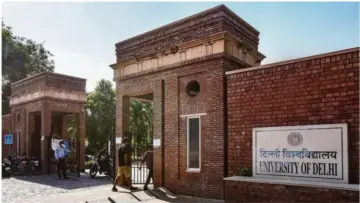
His impressive score in a highly competitive national examination underscores his commitment to his academic aspirations and provides a stark contrast to the circumstances of his detention. Thakur, a postgraduate in History from Delhi University, was arrested on April 18th by the Uttar Pradesh Police. Authorities accused him of "helping instigate and coordinate violence" during a workers’ agitation in April. The police have also alleged his contact with Aditya Anand, identified as a "key figure" in the same agitation. Thakur faces charges in 11 First Information Reports (FIRs) and has since secured bail in eight of them.

Despite the legal challenges and the inherent difficulties of preparing for such an examination while in custody, Thakur’s dedication has not wavered. His success serves as a powerful narrative of intellectual perseverance, highlighting the human capacity to overcome adversity in the pursuit of personal and academic growth.
The Journey of a Determined Scholar
Himanshu Thakur’s academic journey, even within the challenging environment of a district jail, is a story of meticulous planning and unwavering focus. For the past five months, his days have been largely consumed by rigorous study. "Most of my time in jail has been spent reading books," Thakur shared with The Hindu, speaking from the prison premises in Greater Noida. "Initially, I focused on preparing for NET. The study material was brought by friends from outside jail."

His preparation was not limited to the UGC-NET syllabus. Thakur also utilized his time to engage with a broader spectrum of literature, stating, "Apart from NET material, I read novels, poems, and stories." This holistic approach to reading likely contributed to his strong performance, suggesting a well-rounded intellectual engagement that transcends the immediate goal of examination success.
The UGC-NET exam is a crucial gateway for aspiring academics, determining eligibility for Junior Research Fellowships (JRF) and lectureship positions in universities and colleges across India. Achieving a percentile of 99.3 in such a demanding test, particularly under his current circumstances, is an extraordinary accomplishment that speaks volumes about his intellectual calibre and disciplined approach.

Circumstances of Arrest and Legal Proceedings
The path that led Himanshu Thakur to Gautam Buddha Nagar District Jail began on April 18th, when Uttar Pradesh Police apprehended him at his residence in Shalimar Bagh, North Delhi. The charges leveled against him revolve around his alleged involvement in inciting and coordinating the violence that erupted during a workers’ protest in April.
The police further claim that Thakur was in communication with Aditya Anand, whom they have identified as a significant operative in orchestrating the agitation. This alleged connection has led to Thakur being implicated in a total of 11 FIRs. While the legal battle continues, he has managed to secure bail in eight of these cases, indicating a degree of progress in navigating the legal complexities.

These accusations, however, stand in stark contrast to the image of a dedicated student diligently preparing for national examinations. The narrative of his academic achievements from within the jail walls raises pertinent questions about the impact of prolonged detention on individuals pursuing their educational and professional goals, particularly when those goals are as constructive and intellectual as academic research.
Aspirations Beyond the Present Predicament
Prior to his arrest, Himanshu Thakur was on the cusp of further academic advancement. According to his sister, Neha Thakur, he was actively preparing for a PhD interview at Jamia Millia Islamia, with a specific interest in pursuing research in environmental history. His arrest, therefore, represented a significant disruption to his established academic trajectory.

However, his commitment to his research ambitions remains undimmed. Neha Thakur expressed her unwavering belief in her brother’s dedication, stating, "He did not give up on his dreams of research and continued his preparation in jail. As I have been visiting him every week since then and getting him books to read, I know he has read at least 15 books. He is currently working on a research paper." This consistent support from his family, coupled with his own determination, has ensured that his academic pursuits continue despite the impediments.
His family’s steadfast support highlights the personal toll his imprisonment has taken, yet their pride in his academic achievements remains a powerful source of encouragement. His mother, Manisha Thakur, articulated this sentiment powerfully: "Had my son been a ‘conspirator’, would he have spent his time in jail studying? He has been the brightest student all his life. We are extremely proud parents of a talented son." This statement not only defends her son against the allegations but also emphasizes the inherent contradiction between his alleged actions and his demonstrated character as a scholar.

The family, originally from Ballia in Uttar Pradesh and currently residing in Uttarakhand, has been making regular journeys to visit Himanshu in prison. The emotional strain on them is palpable. Neha revealed that their father, a retired postmaster, has suffered from panic attacks and sleep disturbances since Himanshu’s arrest. "Our father has never been able to believe that Himanshu could end up in jail," she shared. "He wakes up at night from anxiety and keeps mumbling that Himanshu is innocent." This underscores the profound impact of his incarceration on his loved ones, who continue to stand by him, drawing strength from his resilience.
Furthermore, Neha mentioned that their mother has not only supported Himanshu but has also actively participated in protests in Noida in solidarity with the workers. This demonstrates a broader commitment to the causes Himanshu was reportedly involved in, showcasing a family united in their beliefs and support for each other.

The Jail Library: A Haven for Intellectual Pursuits
Himanshu Thakur’s experience has also shed light on the potential for academic engagement within correctional facilities. He revealed that other activists within the Gautam Buddha Nagar District Jail, facing similar charges, have also been utilizing their time productively for reading and writing. He specifically mentioned Satyam Verma, a journalist also detained, who has been translating works of Bertolt Brecht into Hindi, and Aditya, who has penned several articles.
Inspired by this collective spirit of intellectual endeavor, Himanshu and his fellow inmates took the initiative to revitalize the jail library. "We decided to clean and repair the jail library and were granted access to it once a week," he stated. This proactive step not only benefits them but also potentially creates a more conducive environment for learning and intellectual exchange for other inmates in the future.

This initiative highlights the often-overlooked potential of correctional facilities to serve as spaces for personal development and education, rather than solely as places of punishment. It suggests that with proper resources and access, even within a prison setting, individuals can continue to grow and contribute intellectually.
Himanshu Thakur’s involvement in student politics at Delhi University, where he contested the 2023 Delhi University Students’ Union presidential election as a candidate for the Disha Students’ Organization and is a member of the Revolutionary Workers’ Party (India), provides context for his activism and potential involvement in the workers’ agitation. His engagement in these spheres, coupled with his academic prowess, paints a complex picture of a young individual deeply involved in social and political discourse.

Broader Implications and Future Outlook
Himanshu Thakur’s story raises several critical questions regarding the justice system, the role of education in rehabilitation, and the impact of pre-trial detention on individuals’ lives and aspirations. His exceptional performance in the UGC-NET exam from within a jail cell is a powerful symbol of resilience. It challenges the notion that confinement necessarily equates to intellectual stagnation.
The incident also brings to the forefront the importance of maintaining access to educational resources and opportunities for incarcerated individuals. The proactive efforts to improve the jail library suggest a potential pathway for fostering a more rehabilitative and intellectually stimulating environment within prisons.

As Himanshu Thakur continues to navigate his legal challenges, his academic achievement stands as a beacon of hope and a testament to his unwavering spirit. His success in the UGC-NET exam is not merely a personal triumph but also an inspiration, demonstrating that even in the face of adversity, the pursuit of knowledge and the commitment to one’s dreams can lead to extraordinary outcomes. The long-term implications of his case may extend beyond his personal legal journey, potentially influencing discussions about education and rehabilitation within the correctional system. His future, once disrupted, now holds the promise of continued academic pursuit, perhaps in environmental history, fueled by an unyielding determination forged in the crucible of confinement.