BUSINESS
New Delhi, [Current Date] – In an increasingly dynamic urban landscape where rental accommodations are a cornerstone of residential life, a common dilemma surfaces for tenants: securing a domestic Liquefied Petroleum Gas (LPG) connection when their landlord already possesses one at the same address. Dispelling a long-held misconception, official guidelines confirm that tenants are indeed eligible for a separate domestic LPG connection, provided they establish themselves as an independent household, operate a distinct kitchen, and meticulously fulfill the verification protocols set forth by their respective distributors and Oil Marketing Companies (OMCs).
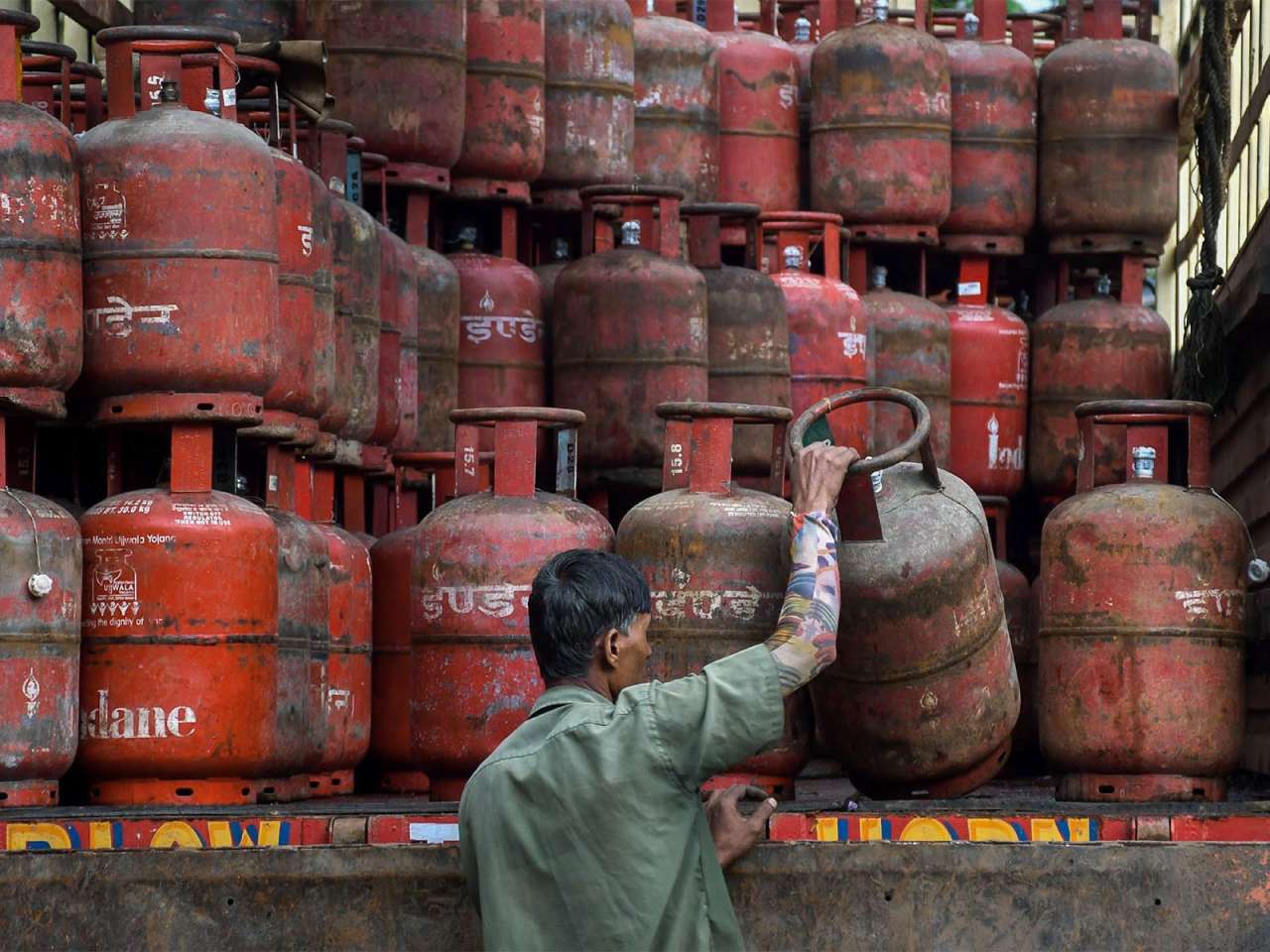
This clarification, rooted in the regulations outlined by the Petroleum Planning and Analysis Cell (PPAC), underscores a crucial distinction: LPG eligibility is not merely tied to a physical address but fundamentally to the concept of an independent household unit and its specific cooking arrangements. This policy flexibility acknowledges the evolving nature of living situations, empowering tenants with the autonomy to access an essential utility independently.
The Core Principle: Independent Households and Separate Kitchens
The bedrock of LPG connection eligibility rests on the principle of "one household, one domestic LPG connection." Traditionally, a household is defined as a cohesive unit comprising a husband, wife, unmarried children, and dependent parents who reside together and, crucially, share a common kitchen. This definition has historically been instrumental in guiding LPG distribution policies, ensuring fair access and preventing the misuse of subsidised fuel.
However, the modern rental ecosystem frequently features arrangements where multiple distinct family units or individuals occupy different sections of a single property while maintaining entirely separate lives. It is in these scenarios that the nuance of the policy truly comes into play. If a landlord and tenant genuinely operate as two independent households, each with their own dedicated cooking facilities, they can indeed possess separate LPG connections at the same address. The mere occupation of a different room or floor within the same building is insufficient; the decisive factor remains the functional independence of cooking arrangements.
For instance, consider a scenario where a landlord occupies the ground floor of a building, and a tenant resides on the first floor. If both units utilise a single, shared kitchen, the tenant would generally not qualify for a separate LPG connection under the "one household, one connection" rule. Conversely, if both the landlord and the tenant maintain distinct, fully equipped kitchens and prepare their meals independently, the tenant’s eligibility for a separate connection becomes viable, subject to a stringent verification process. This policy is a vital step towards ensuring that access to clean cooking fuel is not unduly restricted by tenancy arrangements, fostering greater self-sufficiency among renters.

Chronology of Policy Evolution and the Application Process
The journey of LPG distribution in India has been marked by significant evolution, transitioning from an era of scarcity and rationing to one focused on universal access and efficient subsidy management. In the earlier decades, strict controls were necessary to manage demand and prevent black marketing. The "one household, one connection" rule emerged as a critical tool to prevent individuals from hoarding multiple cylinders and to ensure that subsidies reached their intended beneficiaries.
Over time, as urbanisation accelerated and diverse housing models emerged – from multi-unit dwellings to independent floors within a single building – the need for more flexible interpretations of "household" became apparent. The current policy, allowing separate connections for independent households at the same address, reflects this adaptive approach by the Ministry of Petroleum and Natural Gas and regulatory bodies like PPAC. It acknowledges the practical realities of modern living while retaining safeguards against misuse.

For a tenant seeking an independent LPG connection, the process, though straightforward in principle, demands meticulous adherence to protocol:
- Initial Inquiry: The first step involves approaching an authorised LPG distributor (from OMCs like IndianOil, BPCL, or HPCL) in the vicinity of the rented accommodation. It is crucial to inquire about the latest eligibility criteria and required documentation, as these can sometimes be subject to minor regional or periodic updates.
- Application Submission: Upon confirming eligibility, the tenant must complete an application form for a new domestic LPG connection. This form typically requires personal details, address information, and declarations regarding existing connections.
- Document Compilation: The applicant must then assemble all necessary identity proof, address proof, and Know Your Customer (KYC) documents. A critical inclusion for tenants will often be a valid tenancy agreement.
- Verification and Inspection: The distributor, or a representative from the OMC, will initiate a verification process. This may involve a physical inspection of the premises to confirm the existence of a genuinely separate household with an independent kitchen. The purpose of this visit is to ascertain that the living arrangement aligns with the policy’s definition of independent units.
- Approval and Connection: If the application passes all verification checks and the eligibility criteria are met, the connection will be approved. The tenant can then proceed with payment for the cylinder and regulator, and the connection will be activated.
This structured process ensures that while flexibility is provided, the integrity of the distribution system is maintained, preventing fraudulent applications and ensuring that resources are allocated appropriately.

Supporting Data: Deep Dive into Definitions and Safeguards
The successful implementation of this policy hinges on clear definitions and robust verification mechanisms. Understanding these elements is paramount for both applicants and distributors.
Defining "Independent Household" and "Separate Kitchen"
The concept of an "independent household" extends beyond mere physical separation. It implies financial and functional autonomy in daily living, particularly concerning cooking. While the PPAC’s general definition of a household provides a baseline, its application in tenancy situations requires a nuanced interpretation. An independent household implies:

- Separate Financial Arrangements: Each household manages its own expenses, including groceries and utility bills.
- Distinct Living Spaces: While the address may be shared, the living quarters are clearly demarcated.
- Crucially, a "Separate Kitchen": This is the ultimate litmus test. A separate kitchen must be a fully functional, self-contained unit dedicated solely to the tenant’s household. This means having its own cooking range, sink, and storage facilities, completely independent of the landlord’s kitchen. It should not be a shared space, even if used at different times. The policy aims to prevent situations where a single kitchen serves multiple families, as this fundamentally contradicts the principle of independent cooking arrangements tied to separate connections.
Documentation Requirements: Your Gateway to an LPG Connection
Applicants for a new LPG connection, especially tenants, must furnish a comprehensive set of documents for identity, address, and KYC compliance. While specific requirements may vary slightly between OMCs or states, the general list includes:
- Proof of Identity (PoI): Aadhaar Card, Passport, PAN Card, Driving License, Voter ID.
- Proof of Address (PoA):
- For the rented property: A valid and registered Tenancy Agreement or Lease Deed is critical. This document legally establishes the tenant’s residence at the specified address.
- Other PoA documents could include Aadhaar Card (if updated with current address), utility bills (electricity, water) in the tenant’s name for the rented address, or bank passbooks/statements.
- Photographs: Recent passport-sized photographs.
- Self-Declaration: A self-declaration form, often provided by the distributor, affirming that the applicant does not possess another domestic LPG connection under their name or any household member’s name at the same or any other address, and that they maintain a separate kitchen.
- KYC Form: A Know Your Customer form, mandatory for all new connections to verify the applicant’s identity and address.
The thoroughness of document verification is a critical safeguard against fraudulent connections and ensures that subsidies, where applicable, are directed to eligible beneficiaries.

The Role of Oil Marketing Companies (OMCs)
India’s domestic LPG market is primarily served by three public sector OMCs: IndianOil Corporation Ltd. (IOCL), Bharat Petroleum Corporation Ltd. (BPCL), and Hindustan Petroleum Corporation Ltd. (HPCL). These OMCs operate through a vast network of distributors across the country. While the overarching policy guidelines emanate from the Ministry of Petroleum and Natural Gas and are interpreted by PPAC, it is the OMCs that implement these policies through their distribution networks.
Each OMC has its own application portal and slightly varied operational procedures, but the core eligibility criteria, especially concerning independent households and separate kitchens, remain consistent across the board. Tenants should approach the distributor associated with their preferred OMC or the one servicing their locality.

Preventing Misuse and Ensuring Fair Distribution
The stringent verification process and the emphasis on a "separate kitchen" are not arbitrary. They are designed to address historical challenges in LPG distribution, particularly:
- Subsidy Leakage: In the past, the existence of multiple connections under a single household often led to the diversion of subsidised cylinders for commercial use or black marketing, costing the exchequer significant amounts.
- Resource Misallocation: Ensuring that each genuinely independent household receives a connection helps in fair distribution of a vital energy resource.
- Data Integrity: Accurate data on connections is crucial for policy planning, especially for schemes aimed at expanding LPG access to underserved populations.
The Double Bottle Connection (DBC): An Alternative for Enhanced Convenience
It’s important to distinguish between a separate LPG connection for an independent household and a Double Bottle Connection (DBC). A DBC facility allows an eligible consumer, who already holds one registered LPG connection, to obtain a second cylinder under the same connection. This is primarily for convenience, offering a backup cylinder when the primary one runs out, thus preventing cooking interruptions.

While a DBC provides the benefit of having two cylinders, it does not equate to two separate connections or imply a second independent household. It’s a single connection with enhanced cylinder provision, making it suitable for larger families or those with higher consumption, but not a solution for tenants seeking independent household status.
LPG and Piped Natural Gas (PNG): Understanding the Restrictions
With the expansion of City Gas Distribution (CGD) networks, an increasing number of households in urban areas are gaining access to Piped Natural Gas (PNG). For consumers residing in areas with PNG connectivity, specific rules apply regarding their eligibility for an LPG connection. Generally, households with an active PNG connection may face restrictions on obtaining or retaining a domestic LPG connection, especially a subsidised one, to prevent duplication of essential cooking fuel sources.

Tenants in buildings that have or are likely to get PNG connectivity must confirm the latest regulations with their authorised LPG distributor or the local City Gas Distribution company. These rules are put in place to ensure efficient energy resource management and to prevent individuals from availing benefits from both sources simultaneously when one is sufficient for their cooking needs.
Official Responses: The Authoritative Voice
The authoritative guidance on domestic LPG connections primarily stems from the Petroleum Planning and Analysis Cell (PPAC), an attached office of the Ministry of Petroleum and Natural Gas (MoPNG), Government of India. PPAC serves as a crucial data and analysis hub, formulating and interpreting policies related to petroleum products, including LPG. Their guidelines clearly articulate the conditions under which tenants can avail separate connections, focusing on the establishment of independent households with distinct cooking facilities.

Local authorised LPG distributors are the primary points of contact for consumers. They are mandated to disseminate the latest information, assist with application procedures, and conduct the necessary verification checks as per the directives from their respective OMCs and the MoPNG. Any tenant seeking clarity or wishing to apply for a connection is strongly advised to consult their local distributor directly. This ensures access to the most current and specific requirements, which can occasionally vary based on regional implementation or recent policy updates.
It is imperative for both landlords and tenants to understand that these policies are designed to be equitable and prevent misuse. Official communications consistently emphasise transparency and compliance, urging all stakeholders to adhere to the prescribed norms to ensure smooth and fair access to essential services.

Implications: Impact on Urban Living and Future Outlook
The policy allowing tenants to secure independent LPG connections carries significant implications, reshaping aspects of urban living and contributing to broader socio-economic goals.
For Tenants: Empowerment and Autonomy
This policy is a major step towards empowering tenants. It grants them:

- Domestic Autonomy: Tenants are no longer solely reliant on their landlords for an essential utility, fostering a greater sense of independence in their daily lives.
- Access to Clean Fuel: It ensures that access to clean cooking fuel, a critical component of household health and well-being, is not impeded by rental arrangements. This is particularly vital in urban areas where traditional fuel sources are impractical.
- Reduced Friction with Landlords: By providing a clear pathway for independent connections, it can minimise potential conflicts or dependencies between landlords and tenants regarding utility access.
For Landlords: Clarity and No Impact on Existing Connections
The policy provides clarity for landlords, affirming that their existing LPG connection remains unaffected as long as the tenant’s application is for a genuinely separate household. It encourages transparent rental agreements that clearly delineate living and cooking arrangements.
For Distributors and OMCs: Operational Challenges and Compliance
While beneficial, the policy also presents operational challenges for LPG distributors and OMCs. It necessitates:

- Diligent Verification: Increased scrutiny and potentially more field visits to verify claims of independent households and separate kitchens.
- Customer Education: The need to continually educate consumers, particularly tenants, about the precise eligibility criteria and documentation.
- Managing Complexity: Handling a greater volume of diverse applications, requiring robust administrative processes.
Broader Socio-Economic Impact
This policy aligns with broader governmental objectives of ensuring access to clean cooking fuel for all. As India’s urban population continues to grow, and diverse rental housing models proliferate, such inclusive policies are critical. They contribute to:
- Improved Public Health: By promoting LPG over traditional, polluting cooking fuels.
- Gender Equality: Reducing the drudgery and health risks associated with traditional cooking methods, particularly benefiting women.
- Sustainable Urbanisation: Supporting the essential needs of a rapidly expanding urban populace.
Future Outlook: Digitalisation and Streamlining
Looking ahead, the process for obtaining LPG connections, including for tenants, is likely to become even more streamlined through digital initiatives. The government’s push for digital governance, including Aadhaar-linked verification, could simplify application submissions and accelerate the approval process. Continuous policy refinements can be expected to adapt to evolving housing trends and technological advancements, always with an eye towards equitable access and efficient resource management.

Practical Advice for Tenants
To navigate this process successfully, tenants are strongly advised to:
- Communicate with Your Landlord: Ensure your rental agreement clearly states that you occupy an independent unit with a separate kitchen, and if possible, inform your landlord of your intent to apply for a separate LPG connection.
- Gather Documents Meticulously: Prepare all necessary identity, address, and tenancy documents well in advance. Ensure your tenancy agreement is valid and registered, if required by local laws.
- Verify Kitchen Independence: Be prepared to demonstrate that your kitchen is genuinely separate and self-sufficient during any verification visit.
- Stay Updated: LPG policies can evolve. Always check the latest requirements with your authorised distributor before submitting your application to avoid delays or rejections.
- Understand Your Options: If a separate connection is not feasible (e.g., due to a shared kitchen), consider the Double Bottle Connection (DBC) facility as an alternative for convenience, if eligible under the landlord’s connection.
- Be Aware of PNG Status: If your building has or is likely to get Piped Natural Gas, understand the implications for your LPG eligibility.
By understanding and adhering to these guidelines, tenants can confidently secure their own domestic LPG connections, ensuring uninterrupted access to an essential utility and fostering greater independence in their rented homes. The policy is a testament to the adaptive nature of governance, continually striving to meet the evolving needs of its citizens within a framework of fairness and efficiency.