

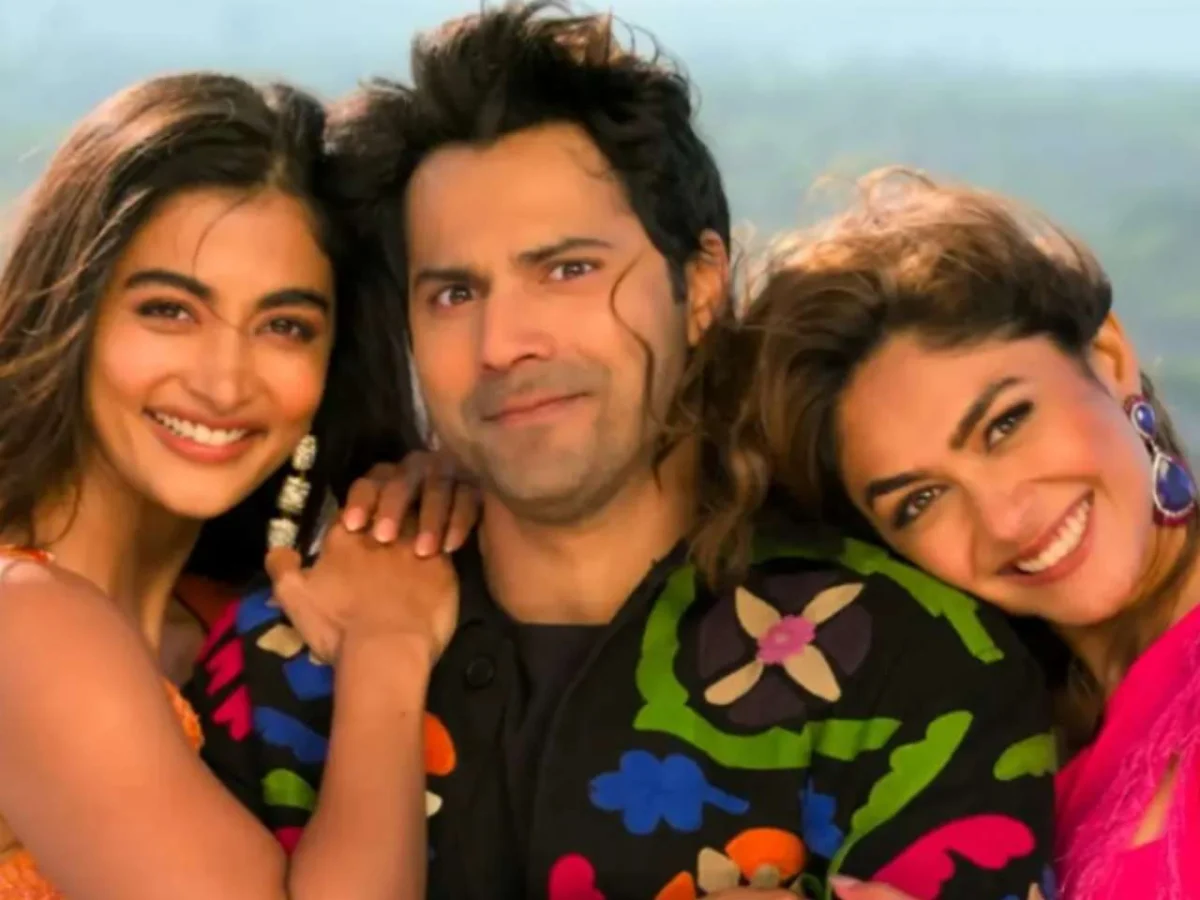
The cinematic landscape of Bollywood is perpetually evolving, with filmmakers constantly drawing inspiration from its rich past to craft new narratives. A prime example of this is the recent recreation of the iconic song "Chunnari Chunnari," a beloved anthem from the 1999 blockbuster Biwi No.1. The new rendition, titled "Chunnari Chunnari – Let’s Go," features in the upcoming film Hai Jawani Toh Ishq Hona Hai, slated for release in 2026. While the original track, immortalized by the electrifying chemistry of Salman Khan and Sushmita Sen, remains a cherished memory for a generation, its modern interpretation has ignited a fervent debate among fans and critics alike, prompting the composers to break their silence.
The Enduring Legacy of "Chunnari Chunnari"
Released in 1999, Biwi No.1 was a commercial success, and a significant part of its enduring appeal was undoubtedly the peppy and vibrant song "Chunnari Chunnari." The track, with its catchy tune, playful lyrics, and dynamic choreography, quickly became a dance floor staple and a quintessential Bollywood party anthem. The on-screen pairing of Salman Khan and Sushmita Sen, exuding an undeniable charisma, further cemented the song’s place in the hearts of the audience. Composed by Anu Malik, with vocals by Abhijeet Bhattacharya and Anuradha Sriram, and lyrics penned by Sameer, the song encapsulated a certain exuberance that resonated deeply with the masses. Its infectious energy and memorable hook have ensured its continued relevance and fondness even decades later.
)
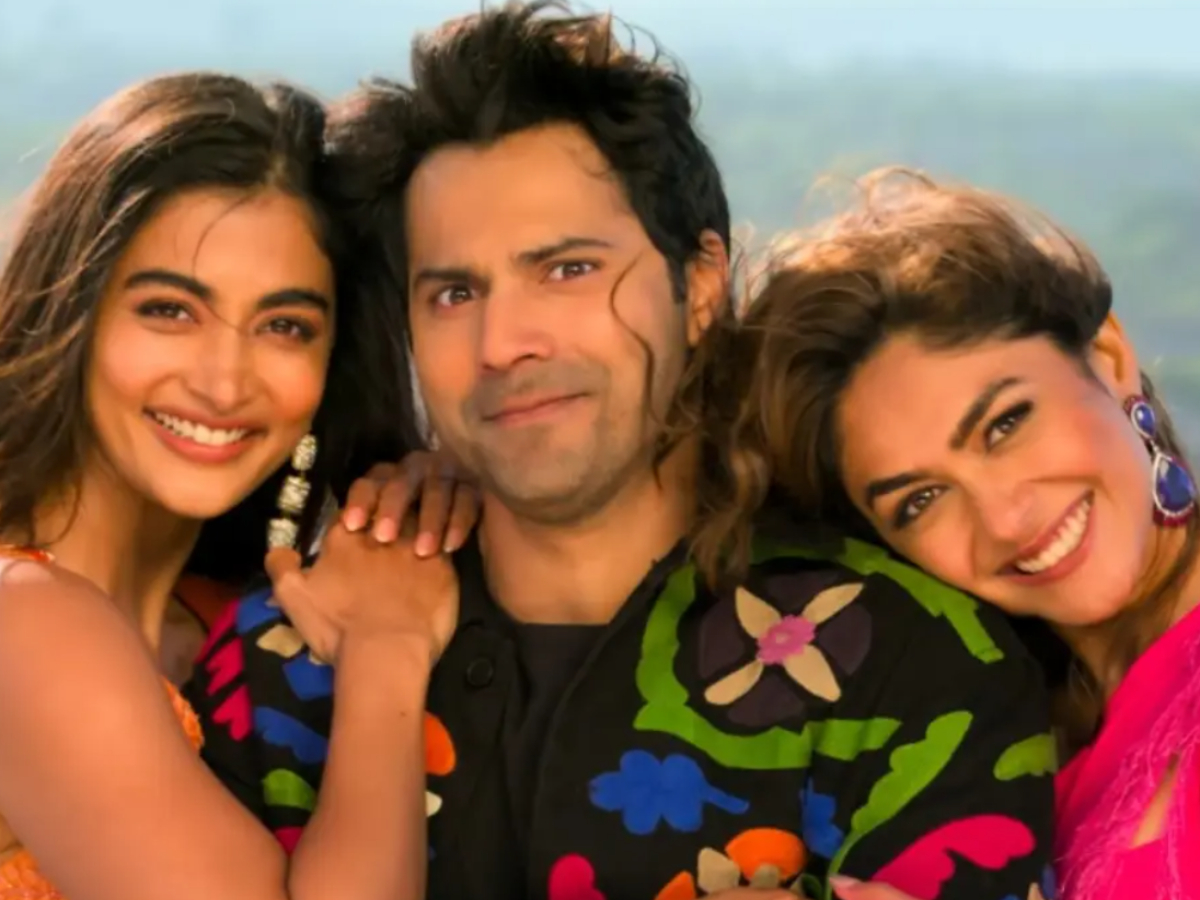
The decision to recreate such a culturally significant song for Hai Jawani Toh Ishq Hona Hai was, therefore, a bold move. The new version features the popular contemporary stars Varun Dhawan, Pooja Hegde, and Mrunal Thakur, and is directed by the veteran filmmaker David Dhawan, who also helmed the original Biwi No.1. This familial connection to the source material suggests an intention to tap into the nostalgia while infusing it with a fresh, modern sensibility. However, the digital age, with its instant feedback loops and vocal fan bases, means that any such reimagining is immediately put under the microscope, often leading to polarized opinions.
)
The Genesis of the Recreation and the Creative Intent
The recreated "Chunnari Chunnari – Let’s Go" has, unfortunately, been met with a significant wave of criticism online, with many expressing disappointment and lamenting the perceived dilution of the original’s magic. In response to this backlash, the composers of the new track, Akshay Raheja and IP Singh, popularly known as Akshay and IP, have come forward to explain their creative process and intentions.

Speaking to ANI, Akshay emphasized that the recreation was conceived as a heartfelt tribute to the iconic original. "When we got the opportunity to work on this song, we were really honoured. We were really excited because our idea was to pay homage to the original song," he stated. He further elaborated on the challenge of balancing reverence for the past with the demands of contemporary filmmaking. "It’s an iconic song that was part of our childhood. The idea was to keep the original essence and emotions intact while making it relevant for a newer generation," Akshay explained.
)
IP echoed his partner’s sentiments, highlighting the subjective nature of art and the passion with which they approached the project. "Art is subjective. Some people will like it and some may not. We made the song with a lot of excitement, love and honesty," he commented. Their statement underscores a common dilemma faced by artists tasked with reimagining beloved classics: the tightrope walk between honoring the original and forging a new identity.
)
A Pattern of Nostalgic Revivals
This is not the first time Akshay and IP have delved into Bollywood’s musical archives. Their previous work includes successful recreations of other popular songs. Notably, they reimagined "Choli Ke Peeche" from the 1993 film Khalnayak and "Sona Kitna Sona Hai" from the 1996 film Hero No. 1 for the 2024 crime comedy Crew. The latter film, starring Kareena Kapoor Khan, Tabu, and Kriti Sanon, was a critical and commercial success, suggesting that their approach to reviving classic melodies can resonate with audiences when executed effectively.
)
However, the current reaction to "Chunnari Chunnari" suggests that not all recreations land with the same widespread approval. The success of Crew might have set a precedent, and perhaps the expectations for this particular song were exceptionally high due to the original’s cult status.
)
The Paramount Importance of Nostalgia and Essence
Akshay articulated a fundamental principle that guides their work when undertaking such sensitive musical reinterpretations: the preservation of nostalgia and the original song’s soul. "Whenever we recreate or reimagine a song. For example, with Chunnari Chunnari now, or Choli before, essence and nostalgia are the first things that need to be preserved when touching any of these iconic melodies because they have always connected with the audience over the years," he explained.
)
He further elaborated on the technical and emotional considerations involved. "To evoke that feeling, it’s very important, to use technical language, to keep those parts in the song. So, I think preserving nostalgia is the number one goal whenever anyone reimagines a song," Akshay stated. This indicates a conscious effort to retain the core elements that made the original song so beloved, while subtly adapting it to suit the contemporary sonic landscape and the narrative requirements of the new film. The challenge lies in identifying which elements are indispensable to the song’s identity and which can be modernized without alienating the existing fanbase.
)
Validation from the Original Creators and the Subjectivity of Reception
Despite the vocal online criticism, Akshay and IP revealed that they have received encouraging feedback from individuals directly associated with the original "Chunnari Chunnari." This external validation offers a different perspective on the reception of their work.
)
IP shared, "Anu Malik Sir told us we had done a very good job. The original lyricist Sameer Ji gave his blessings, and we’ve received support from the people behind the original song. For us, that’s a huge validation." This support from the original composer and lyricist is significant, suggesting that the creators of the classic track themselves acknowledge and approve of the reimagining.
)
The composers firmly stand by their creative vision, acknowledging that audience reactions are inherently varied and beyond their direct control once a song is released. "We worked from the heart. Once a song is released, reactions are beyond our control. All we can do is give our 100 per cent," IP concluded. This pragmatic approach highlights the inherent risks and rewards of artistic endeavors, where the final product is subject to the interpretation and emotional connection of the audience.
)
The Cinematic Context: Hai Jawani Toh Ishq Hona Hai
The film Hai Jawani Toh Ishq Hona Hai itself promises a rollicking ride, directed by David Dhawan, a filmmaker renowned for his contributions to Bollywood comedy. The movie stars Varun Dhawan, Mrunal Thakur, and Pooja Hegde in the lead roles, hinting at a dynamic on-screen chemistry and a potentially engaging storyline. The film’s plot is described as revolving around a "chaotic love triangle packed with comic misunderstandings, relationship drama and high-energy humour," a signature theme for Dhawan’s directorial ventures.
)
The ensemble cast further bolsters the film’s appeal, featuring seasoned actors like Rakesh Bedi, Chunky Panday, Jimmy Shergill, Mouni Roy, Rajesh Kumar, and Ali Asgar in pivotal roles. This blend of established and contemporary talent suggests a film aiming for broad audience appeal.
)
The release date of Hai Jawani Toh Ishq Hona Hai is set for June 5, 2026. It is poised to face stiff competition at the box office, with a scheduled clash against two other major releases: Ram Charan’s pan-India sports drama Peddi and Anurag Kashyap and Bobby Deol’s crime drama Bandar. The success of "Chunnari Chunnari – Let’s Go" within the film could potentially play a role in its overall reception, influencing audience engagement and box office performance.
)
Broader Implications: The Art of Reimagining in a Nostalgic Era
The debate surrounding the recreated "Chunnari Chunnari" is indicative of a larger trend in the entertainment industry: the pervasive influence of nostalgia. Audiences often have a deep emotional attachment to the cultural touchstones of their past, and any attempt to alter or update them is met with heightened scrutiny.
)
For filmmakers and composers, this presents both an opportunity and a challenge. Reimagining iconic songs can reintroduce them to a new generation, spark renewed interest in classic films, and offer a familiar anchor within a fresh narrative. However, it also carries the risk of alienating long-time fans if the essence of the original is lost or if the recreation feels forced or derivative.
)
The success of such endeavors often hinges on a delicate balance. It requires a profound understanding of what made the original resonate, a creative vision that can infuse the material with contemporary relevance, and a deep respect for the legacy being invoked. While the online reception of "Chunnari Chunnari – Let’s Go" might be mixed, the composers’ commitment to paying homage and preserving the original essence, coupled with the blessings of the original creators, suggests a genuine artistic intent. Ultimately, the true measure of the recreation’s success will lie in its reception alongside the film and whether it can carve out its own distinct identity while honoring its celebrated predecessor. The ongoing conversation, however, highlights the passionate engagement Bollywood’s music continues to inspire, a testament to its enduring power.
