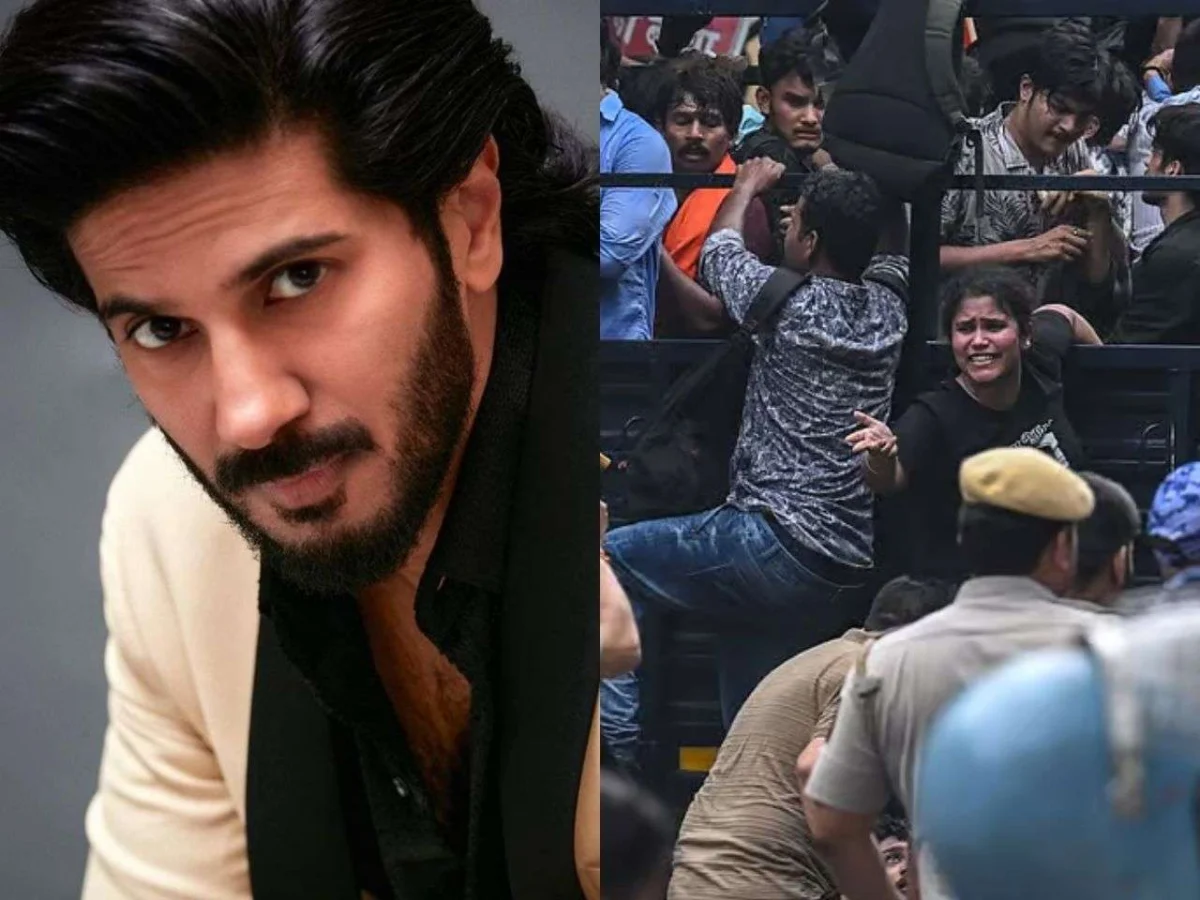
New Delhi, India – July 22, 2026 – The nation remains abuzz with discussions and outrage following the clashes that erupted between students and the Delhi Police during the "Sansad Chalo" march, culminating in scenes of unrest at Jantar Mantar. In the wake of the disturbing visuals, prominent Malayalam and Tamil actor Dulquer Salmaan has lent his voice to the growing chorus of concern, penning an emotional note on social media that underscores the human cost of such confrontations. His statement, which has resonated deeply with many, highlights the despair felt by students and calls for a more compassionate and understanding approach to addressing their grievances.
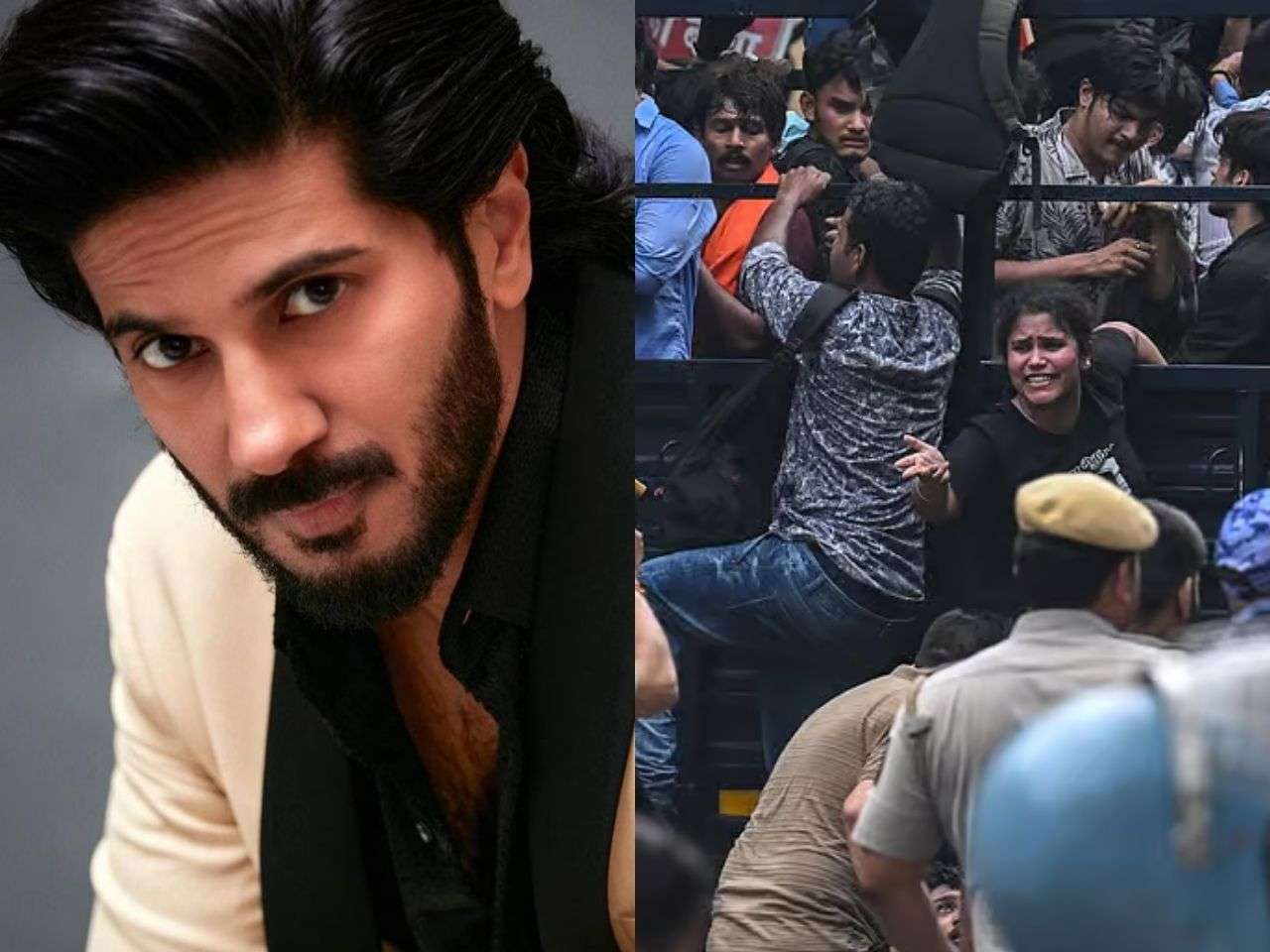
The events unfolded as a large contingent of students, many of whom are reportedly grappling with the pressures of competitive examinations and unemployment, attempted to march towards Parliament to voice their demands. What began as a peaceful protest, however, quickly devolved into a tense standoff with the Delhi Police. Reports and video footage circulating widely on social media depict scenes of alleged police brutality, with students being forcefully dispersed, some sustaining injuries. This incident has not only sparked domestic debate but has also drawn international attention, raising questions about the government’s handling of youth dissent and the broader socio-economic issues facing the nation’s young populace.
)
The Unfolding Events: A Chronology of Concern
The "Sansad Chalo" march, organized by various student groups and youth organizations, was intended as a direct appeal to the government regarding mounting concerns over educational policies, examination irregularities, and the lack of adequate job opportunities. The initial phase of the protest at Jantar Mantar saw a significant gathering of students, a sea of faces representing the nation’s future, united in their plea for attention and action.
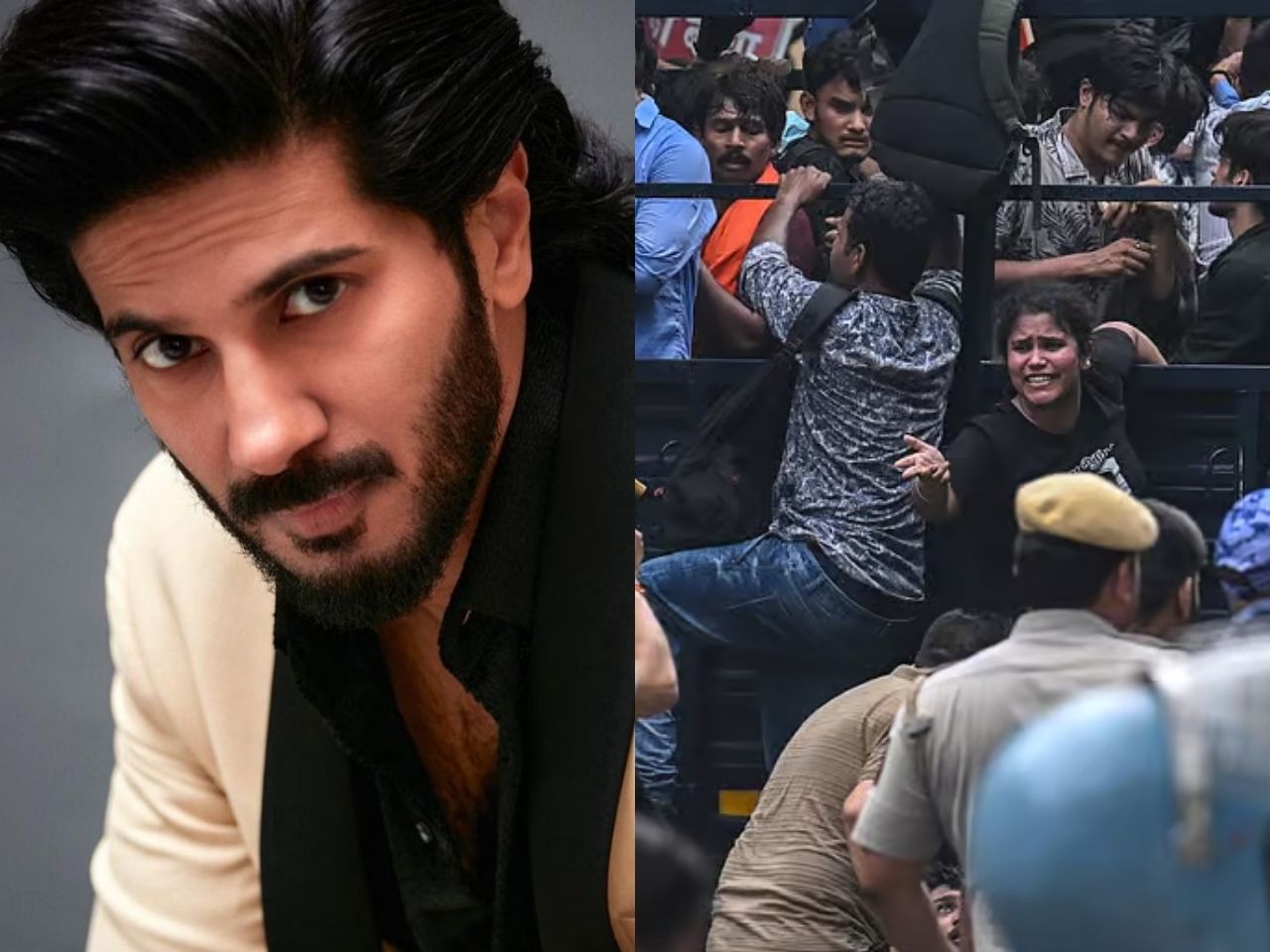)
However, as the students attempted to move towards the Parliament, a significant police presence was deployed to prevent their advance. The situation escalated rapidly, with eyewitness accounts and media reports detailing a breakdown in communication and an increasingly aggressive posture from law enforcement. The use of water cannons, tear gas, and alleged lathi charges has been widely reported, leaving several students injured and shaken. The visual evidence of young individuals being manhandled and subjected to force has ignited a firestorm of criticism from various quarters, including civil society, political leaders, and, now, the entertainment fraternity.

Dulquer Salmaan’s Emotional Appeal: A Voice for the Voiceless
It is against this backdrop of unrest and concern that Dulquer Salmaan, son of veteran actor Mammootty and a celebrated star in his own right, took to social media to express his profound distress. Sharing his thoughts on Instagram, Salmaan described the scenes at Jantar Mantar as "gut-wrenching," a sentiment that has been echoed by countless others witnessing the unfolding events.
)
In a statement that eschews political pronouncements for a focus on the human element, Salmaan articulated the deep sorrow he felt upon seeing the "country’s future being brutally handled by the officials." He emphasized that the conflict between the police and the young generation was not merely a political issue but a human tragedy with far-reaching implications.
)
His statement, shared widely, reads: "What’s happening at Jantar Mantar is a reminder to pause, listen, and choose understanding. Education has always been about hope, opportunity, and the promise of a better future. Seeing young people face uncertainty is gut-wrenching."
)
Salmaan’s words delve deeper into the psychological and emotional toll that such circumstances can inflict on young individuals. He continued, "What breaks my heart even more is knowing some students feel they have no way forward, whilst others even choose to end everything. And parents carrying that pain and debts, trying to keep their hopes alive. Beyond every opinion are individuals with dreams, aspirations, families, and hopes that deserve compassion and respect."
)
This poignant observation highlights the multifaceted crisis faced by many students – a combination of academic pressure, economic anxieties, and the perceived lack of governmental responsiveness. The mention of students feeling "no way forward" and the devastating consequence of such despair is a stark reminder of the mental health challenges that can arise from systemic pressures. The burden carried by parents, often investing heavily in their children’s education with the hope of a brighter future, is also brought to the fore, underscoring the widespread impact of this crisis.
)
Salmaan concluded his heartfelt message with a powerful call for a different approach: "My hope is for meaningful dialogue, peaceful resolutions, and decisions guided by wisdom and empathy. A future built on understanding will always be stronger than one built on division and violence." His plea for "meaningful dialogue" and "peaceful resolutions" directly addresses the perceived disconnect between the government and the protesting students, advocating for a pathway towards reconciliation rather than confrontation.
)
Broader Reactions and the Chorus of Dissent
Dulquer Salmaan is not the only prominent personality to voice concerns. Singer Arijit Singh, known for his soulful melodies, also made a strong statement, condemning what he termed "police brutality" during the student protests. Singh’s stance was unequivocal, and when some fans expressed disagreement, he advised them to unfollow him and delete his playlists, asserting his commitment to his principles.
)
"I am not worried about the fact that somebody respects me or not," Singh reportedly wrote. "I am also not bothered about anyone’s opinion, as everyone has their own. My words might have hurt your emotions. I am truly sorry; I never meant it that way. It’s just that I am angry. Forgive me to become free. You can delete all my playlists and forget my existence." This strong reaction from Singh underscores the deep emotional impact of the events and the moral imperative felt by many public figures to speak out against perceived injustices.
)
The criticism directed at the government’s handling of the situation is mounting. Many are arguing that rather than addressing the root causes of student discontent, the authorities are resorting to force, thereby exacerbating the problem. The demand for Union Education Minister Dharmendra Pradhan’s resignation, as mentioned in the original report, further illustrates the intensity of the public outcry and the calls for accountability.
)
Supporting Data and the Socio-Economic Context
The current unrest among students is not an isolated incident but rather a symptom of deeper socio-economic challenges that have been brewing for years. Data from various reports and surveys paint a grim picture of the employment landscape for young Indians.
)
- Unemployment Rates: While official figures fluctuate, multiple reports from organizations like the Centre for Monitoring Indian Economy (CMIE) have consistently indicated high unemployment rates among educated youth. This creates a sense of disillusionment and frustration, as years of academic pursuit do not translate into viable career opportunities.
- Exam Irregularities and Delays: The recurring instances of alleged irregularities in recruitment examinations conducted by government agencies, coupled with significant delays in the examination and selection processes, have further fueled student anger. This creates a perception of unfairness and a lack of transparency, undermining the faith of students in the system.
- Educational System Pressures: The highly competitive nature of higher education and the subsequent pressure to secure admission into prestigious institutions, followed by the daunting task of finding employment, places immense stress on students. The current crisis at Jantar Mantar is a manifestation of this cumulative pressure.
- Economic Slowdown: Broader economic trends, including periods of slowdown and the impact of global events, have also contributed to a tighter job market, making it harder for fresh graduates to find their footing.
These underlying issues, when combined with the perceived lack of effective governmental response, create a fertile ground for protests and public dissent. The "Sansad Chalo" march and the subsequent clashes are a direct consequence of these systemic failures and the growing desperation among the youth.
)
Official Responses and the Path Forward
As of now, official responses have largely focused on maintaining law and order and refuting allegations of excessive force. While some statements have acknowledged the concerns of students, there has been a discernible lack of concrete policy announcements or immediate redressal mechanisms that could assuage the widespread discontent.
)
The government’s stance, as often articulated by spokespersons, tends to emphasize the need for adherence to legal procedures and maintaining public order. However, critics argue that this approach fails to acknowledge the legitimate grievances of the students and risks alienating a significant demographic.
)
The implications of this ongoing situation are significant. The government’s handling of student protests can have a profound impact on its public image, particularly among the youth, who constitute a crucial segment of the electorate. The erosion of trust between the youth and the authorities can lead to a more disengaged citizenry and a perpetuation of the very issues that fuel these protests.
)
Dulquer Salmaan’s plea for "meaningful dialogue, peaceful resolutions, and decisions guided by wisdom and empathy" serves as a powerful reminder of the path that needs to be forged. Moving forward, a more proactive and empathetic approach from the government, involving genuine engagement with student representatives, addressing the systemic issues plaguing the education and employment sectors, and ensuring transparency and fairness in all processes, will be crucial to de-escalating the current tensions and building a more hopeful future for India’s youth. The voices of concern, like those of Salmaan and Singh, underscore the urgent need for a shift from confrontation to collaboration, ensuring that the nation’s future is not jeopardized by division and violence.