New Delhi, May 30, 2026 – The Common University Entrance Test (CUET UG) 2026, a crucial gateway for undergraduate admissions across numerous Indian universities, was marred by significant disruptions today, with a widespread technical glitch delaying the commencement of examinations at several centres nationwide. The National Testing Agency (NTA), responsible for administering the test, confirmed a technical issue reported by its exam partner, TCS, as the cause of the delays. The incident has reignited concerns over the integrity of national-level examinations and triggered protests from anxious parents and candidates, alongside sharp criticism from political leaders.
The technical snag, which affected the afternoon session of the CUET UG 2026, forced a rescheduling of the examination. Candidates were initially slated to report by 2:30 pm for an exam commencing at 3 pm. However, due to the unforeseen technical difficulties, reporting times were pushed to 2:30 pm, with the examination now scheduled to begin at 4 pm. The NTA assured all affected candidates that they would be granted full compensatory time to ensure no student faced academic disadvantage.
This latest disruption comes at a particularly sensitive time for the NTA, which has been under intense scrutiny following last year’s NEET-UG paper leak controversy, ongoing complaints regarding the Central Board of Secondary Education’s (CBSE) On-Screen Marking (OSM) process, and now these significant delays in the CUET UG examinations. The cumulative effect of these incidents has eroded public trust and amplified calls for greater accountability and efficiency from the examination conducting bodies.
A Day of Uncertainty and Frustration
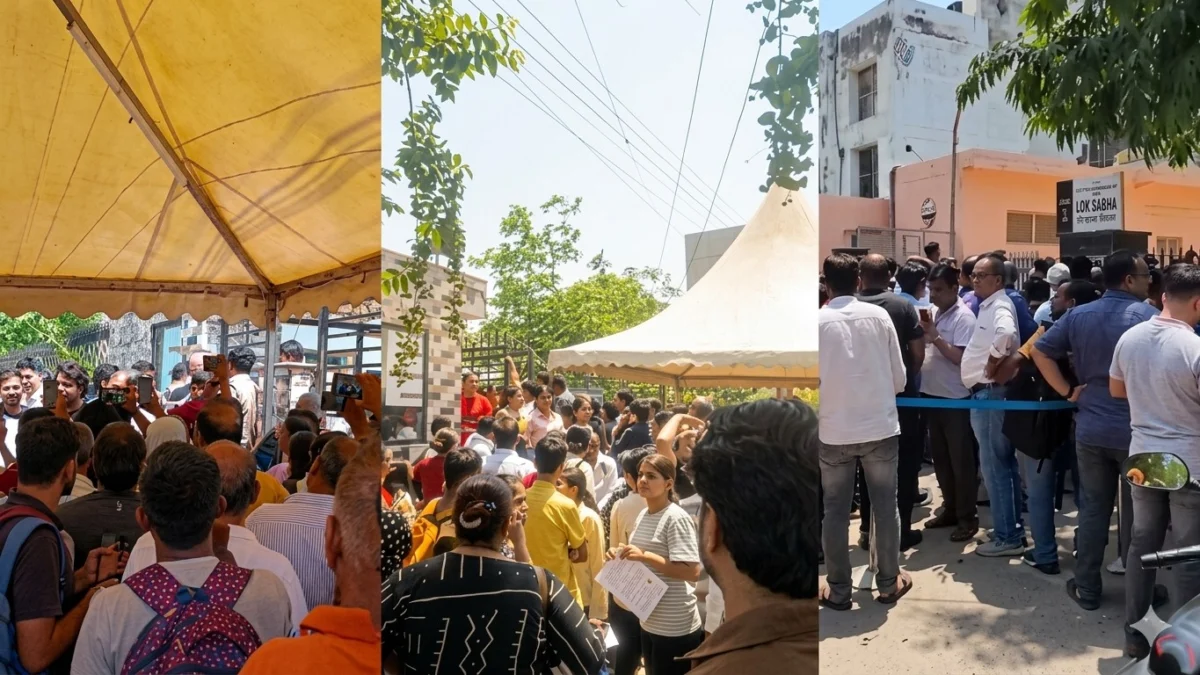
The assurances from the NTA did little to quell the palpable frustration and anxiety among parents and candidates who had gathered outside examination centres across the country. Images and videos circulating on social media platforms painted a stark picture of confusion and distress. Large crowds of concerned parents were seen waiting for hours outside centre gates, desperately seeking updates on the status of the examination.
Many parents voiced their disappointment and anger, questioning the preparedness of the NTA and its technical partners. "Why were these technical issues not identified and resolved before the scheduled exam day?" questioned one parent outside a centre in Delhi, echoing the sentiments of many. The prolonged waiting periods, often under the scorching May sun, coupled with a lack of clear communication from officials, exacerbated the stressful situation for students who had often travelled long distances to reach their assigned examination venues.
One video, recorded at an exam centre in Delhi, depicted hundreds of students and their guardians standing behind barricades. The footage highlighted the extent of the delay, with the individual recording the video claiming that the examination, scheduled to begin at 9 am, had not commenced even by 11:30 am. Such scenes were replicated in various other locations, including Noida, Ambala, Varanasi, Bengaluru, and Kanpur, as reported by various media outlets and political commentators.
Political Firestorm Ignites
The CUET UG disruptions quickly escalated into a political issue, with prominent opposition leaders launching scathing attacks on the central government. Rahul Gandhi, Leader of Opposition, took to the social media platform X (formerly Twitter) to express his dismay, labelling the incident as part of a pattern of failures in the conduct of major national examinations.
In a strong post, Gandhi articulated his frustration: "NEET. CBSE. SSC. And today CUET. Four exams. One crore children. Not a single one conducted with honesty." His statement underscored the widespread perception that the examination system, meant to be a meritocratic platform, was increasingly plagued by mismanagement and irregularities.
The sentiment was echoed by other political figures. Saurabh Bharadwaj, a leader of the Aam Aadmi Party (AAP), questioned the NTA’s handling of the examination process. He specifically raised concerns about the implications of candidates receiving question papers at significantly different times due to the delays, suggesting it could constitute a serious breach of examination integrity.
Former Delhi Education Minister Atishi also joined the chorus of criticism. Drawing parallels with the recent controversies surrounding NEET and CBSE, she termed the CUET UG incident an example of "remarkable incompetence." Her statement highlighted the growing public impatience with repeated lapses in the administration of crucial academic assessments.
NTA’s Response and Assurances
In response to the unfolding crisis, the NTA issued a notice clarifying the situation. The agency acknowledged the technical glitch reported by TCS, its exam partner, and stated that the issue had been identified and rectified. The notice reiterated the commitment to ensuring that no candidate would be disadvantaged due to the delay, promising compensatory time for all affected students.
"A technical glitch reported by our exam partner TCS has caused a delay in the commencement of the CUET UG 2026 at some examination centres across the country. The issue has now been resolved. All candidates affected by the delay will be provided with full compensatory time," the NTA stated in its official communication.
The NTA’s statement, however, did little to immediately assuage the fears of those directly impacted. The prolonged uncertainty and the visible distress outside the centres indicated a significant communication gap and a need for more robust contingency planning by the agency.
Deepening Crisis of Confidence
The recurring issues plaguing national-level examinations, including the NEET-UG paper leak, CBSE’s marking controversies, and now the CUET UG delays, have collectively contributed to a deepening crisis of confidence in the NTA and the broader examination system. For millions of students and their families, these examinations represent years of hard work and aspirations for higher education and future careers.
The disruptions not only cause immediate stress and anxiety but also raise fundamental questions about fairness and equal opportunity. Candidates who manage to reach their centres on time and are prepared to start their examination at the scheduled hour face the disadvantage of potentially altered conditions compared to those who might benefit from extended preparation time due to the delays. The integrity of the ranking and selection process comes under severe doubt when such discrepancies are allowed to persist.
Furthermore, the economic and social implications of these repeated failures are substantial. Families invest significant resources in preparing their children for these competitive exams, including coaching fees, travel, and accommodation. The uncertainty and potential cancellation or rescheduling of exams can lead to substantial financial losses and immense emotional strain.
The Road Ahead: Demands for Reform
The persistent challenges faced by the NTA have fueled demands for comprehensive reforms in the examination system. Critics argue that the agency, despite its mandate to conduct examinations efficiently and transparently, has repeatedly fallen short of expectations. There are growing calls for greater oversight, stricter accountability measures, and the implementation of advanced technological safeguards to prevent future occurrences.
The political condemnation, while providing a platform for expressing public anger, also highlights the need for systemic changes. The opposition’s narrative points towards a broader critique of governance and administrative capabilities, particularly in sectors vital to the nation’s youth.
Experts in education administration suggest that a multi-pronged approach is necessary. This includes:
- Enhanced Technological Infrastructure: Investing in more robust and secure IT infrastructure for examination delivery and monitoring.
- Improved Pre-Examination Audits: Conducting thorough technical audits and mock drills well in advance of examination days to identify and rectify potential glitches.
- Strengthened Vendor Management: Implementing stringent selection criteria and continuous performance monitoring for third-party vendors like TCS.
- Transparent Communication Protocols: Establishing clear and proactive communication channels to disseminate information to candidates and stakeholders during unforeseen events.
- Independent Oversight Mechanism: Considering the establishment of an independent body to oversee the functioning of the NTA and address grievances effectively.
- Legal and Penal Consequences: Ensuring that individuals and entities found responsible for deliberate malpractices or gross negligence face stringent legal action.
The CUET UG 2026 disruption serves as another stark reminder of the urgent need for the NTA to regain the trust of the nation’s students and parents. The integrity of India’s higher education admission process hinges on the ability of its examination bodies to conduct tests fairly, securely, and efficiently. The coming days will likely see further political debate and public pressure for concrete actions to address the systemic issues that continue to plague the conduct of national examinations. The aspirations of a crore children, as alluded to by Rahul Gandhi, depend on it.