

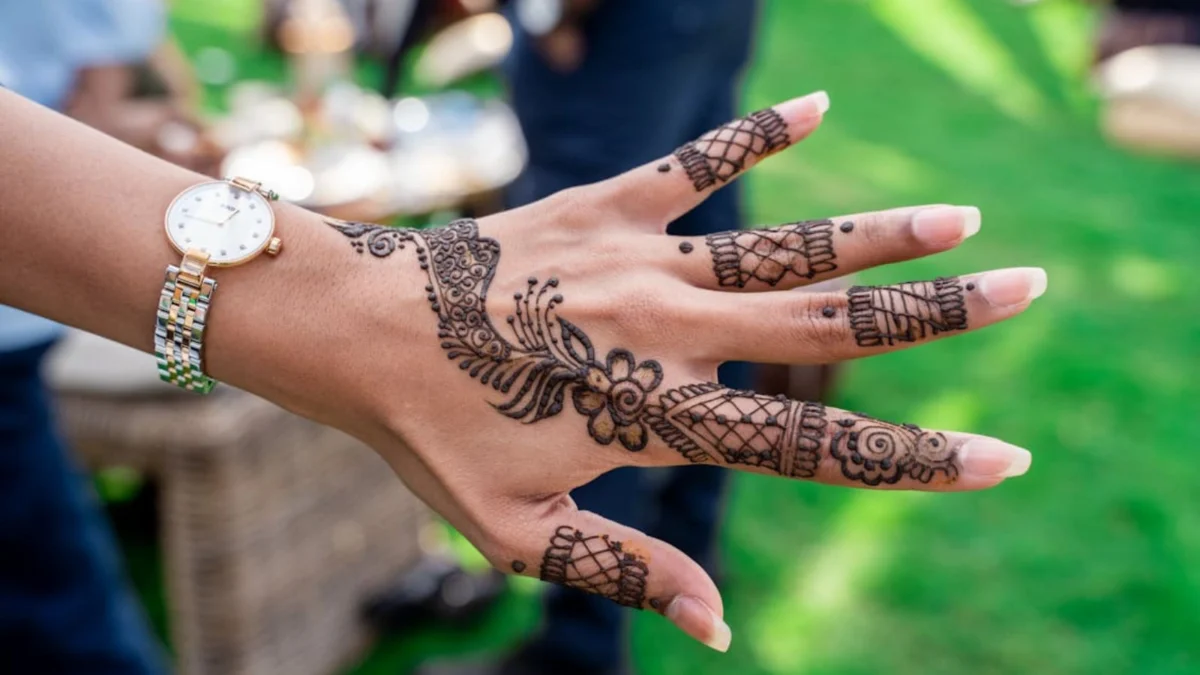
New Delhi, May 27, 2026, 18:00 IST – As the crescent moon ushers in the joyous occasion of Eid al-Fitr, a spirit of celebration and tradition permeates the air. This year, the festival, marking the end of Ramadan, falls on a date that promises warm summer evenings, making it the perfect backdrop for vibrant gatherings and cherished customs. Central to these celebrations, particularly for women, is the art of mehendi – intricate henna designs that adorn hands and feet, adding a touch of ephemeral beauty to the festivities.
This article delves into the world of contemporary mehendi artistry, offering readers a curated selection of "Pinterest-worthy" designs that are not only aesthetically pleasing but also accessible for home application. From delicate floral patterns to grounding mandalas, these designs are tailored to complement the festive summer vibes of Eid al-Fitr 2026, allowing individuals to express their personal style while honouring this significant religious observance. We will explore the evolution of mehendi trends, provide practical tips for application, and highlight the cultural significance that makes this art form so integral to the Eid experience.
The Cultural Tapestry of Mehendi: A Timeless Tradition
Mehendi, derived from the henna plant, has been a part of South Asian, Middle Eastern, and North African cultures for millennia. Its application transcends mere decoration; it is steeped in symbolism, believed to bring blessings, good fortune, and protection. Historically, mehendi was used in various rituals, weddings, and festivals, with its intricate patterns often telling stories or conveying specific meanings.
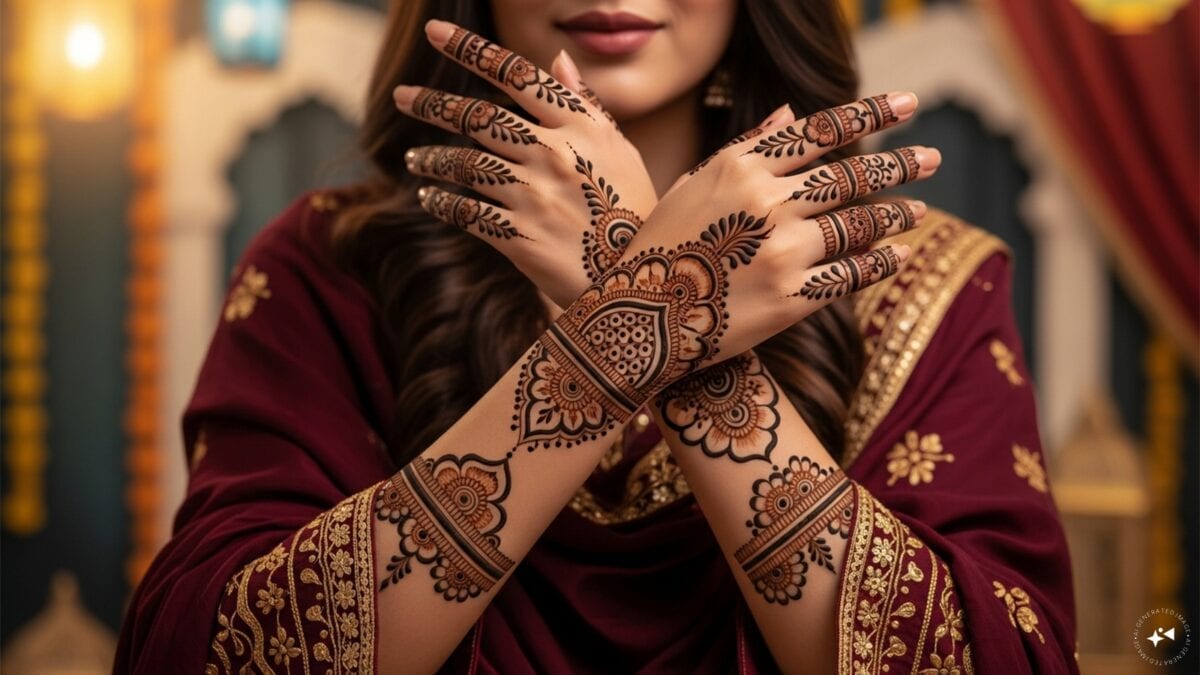
The application of mehendi is a communal activity, often enjoyed with family and friends in the days leading up to Eid. It fosters a sense of togetherness and shared anticipation for the festival. The deep, reddish-brown stain left by the henna is a temporary adornment, a beautiful reminder of the celebration that fades gracefully over time, much like the fleeting nature of joyful moments.
Eid al-Fitr 2026: A Summer Celebration of Joy and Gratitude
Eid al-Fitr, meaning "Festival of Breaking the Fast," is a joyous celebration that marks the culmination of Ramadan, a month of fasting, prayer, reflection, and community. It is a time of immense gratitude for the blessings received during Ramadan and a period for strengthening bonds of family and friendship. The festival is characterized by special prayers (Salat al-Eid), feasts, gift-giving, and acts of charity.
In 2026, Eid al-Fitr is anticipated to fall on a date conducive to outdoor gatherings and festivities, aligning perfectly with the vibrant energy of summer. This temporal confluence encourages a celebration that is both spiritually fulfilling and socially engaging, with mehendi playing a vital role in enhancing the aesthetic appeal of individuals participating in these joyous occasions. The choice of mehendi designs often reflects the mood of the festival – celebratory, elegant, and deeply personal.
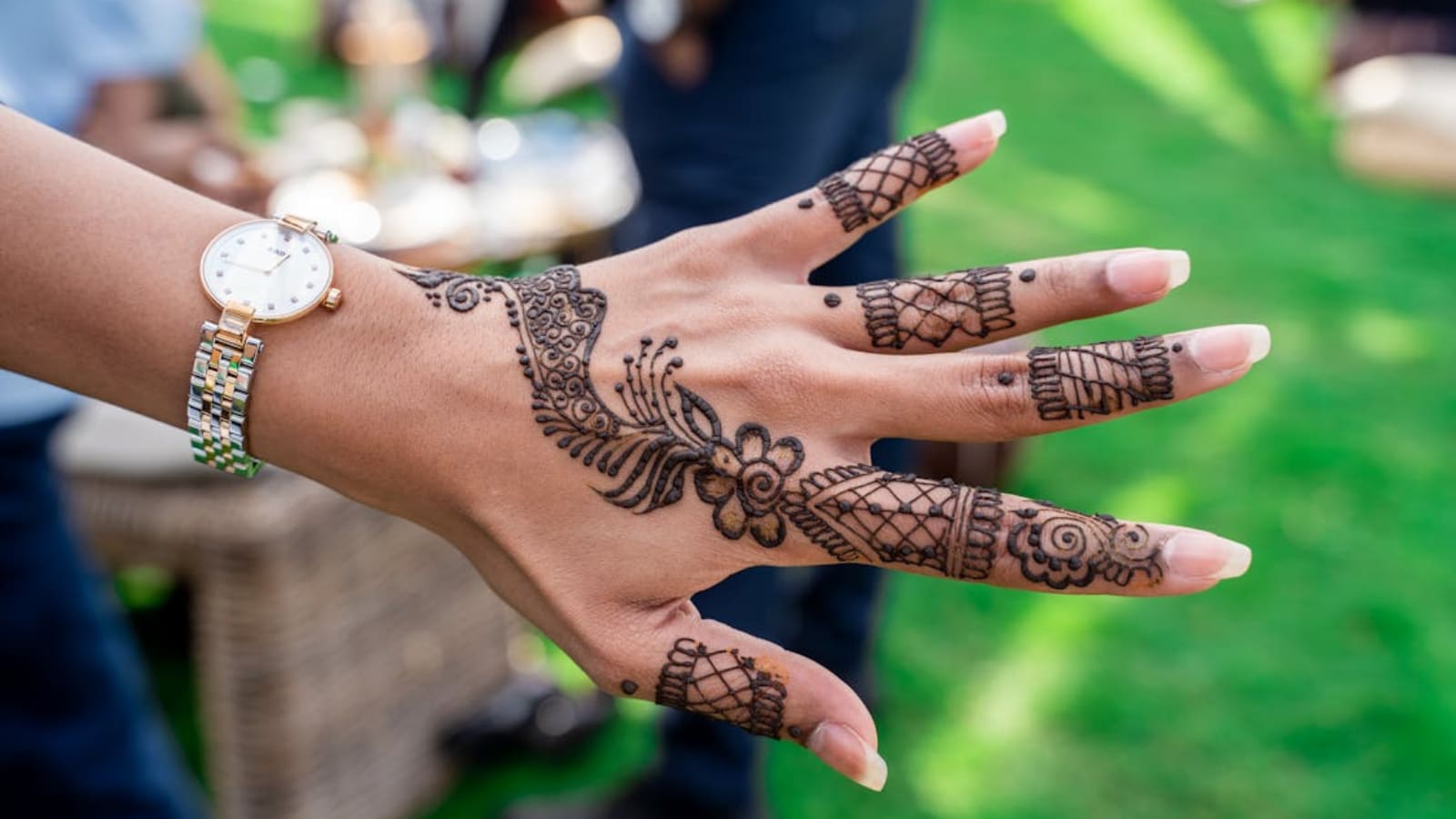
Curated Mehendi Designs for Eid al-Fitr 2026: A Visual Guide to Festive Flair
This year’s mehendi trends blend traditional motifs with contemporary aesthetics, offering a diverse range of options to suit every preference. The emphasis is on designs that are both visually striking and relatively easy to recreate, making them ideal for at-home applications.
1. Minimal Finger Trails: Subtle Elegance, Maximum Impact
For those who prefer a understated yet chic look, Minimal Finger Trails offer a sophisticated choice. This style features delicate lines, dots, and fine patterns that gracefully trail across the fingers, leaving the palms largely unadorned. The beauty of this design lies in its simplicity and the subtle enhancement it provides.
- Description: This design focuses on the tips and sides of the fingers, creating a delicate, almost jewellery-like effect. It can involve thin, flowing lines that connect small dots, or intricate geometric patterns that encircle the fingertips.
- Why it’s perfect for Eid: The subtlety of minimal finger trails makes them incredibly versatile, complementing any outfit and occasion. They are quick to apply, allowing for more time to enjoy other preparations and celebrations. Their minimalist nature also makes them ideal for those who may be new to mehendi or prefer a less elaborate adornment.
- DIY Friendly: This style is highly adaptable for home application. Simple tools like a fine-tipped mehendi cone and a steady hand are sufficient. Practicing basic dot and line techniques can lead to beautiful results.
2. Bracelet Style Bands: Modern Adornment, Timeless Appeal
Mimicking the elegance of bangles and bracelets, Bracelet Style Bands offer a contemporary twist on traditional mehendi. These slim bands, meticulously drawn around the wrist, provide a sophisticated and modern aesthetic.
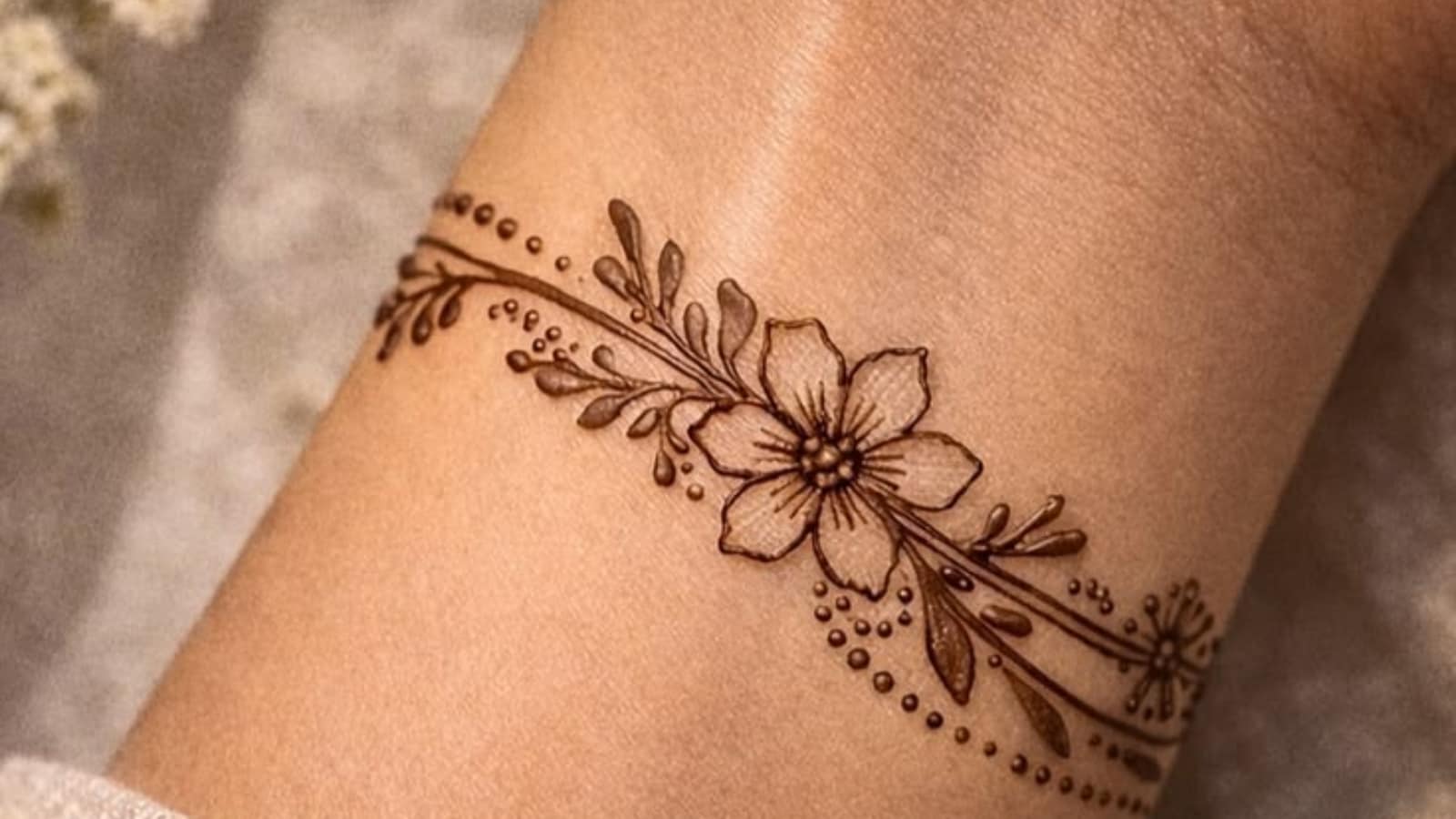
- Description: These designs typically feature a clean, defined band encircling the wrist, often embellished with small motifs like flowers, leaves, or geometric patterns. They can be a single, bold band or a series of delicate lines.
- Why it’s perfect for Eid: This design exudes a chic and modern vibe, appealing to a younger demographic as well as those who appreciate a sophisticated look. It’s a statement piece that doesn’t overwhelm the entire hand, allowing for other adornments like rings or bracelets to be showcased.
- DIY Friendly: The linear nature of bracelet bands makes them relatively easy to draw. Careful measurement and a steady hand are key. Many online tutorials demonstrate how to create clean, even bands.
3. Arabic Side Sweep: Bold Strokes, Graceful Flow
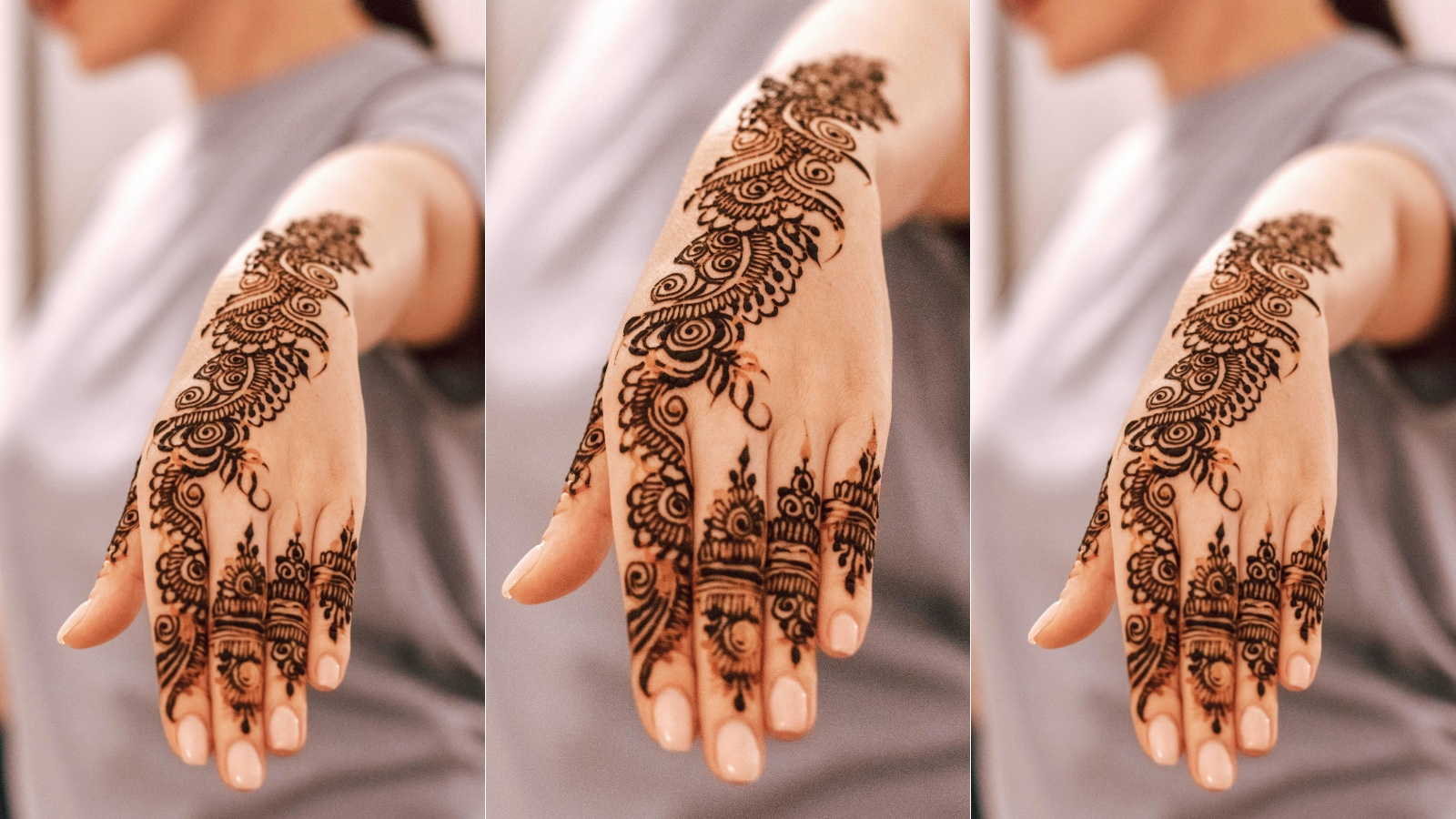
The Arabic Side Sweep is renowned for its bold, flowing patterns and its ability to create a striking visual impact while keeping a significant portion of the hand visible. This style is characterized by prominent leaves, vines, and swirls that sweep gracefully along the side of the hand.
- Description: This design often features larger, more prominent motifs like paisleys, floral elements, and swirling vines that extend from the wrist or the base of the fingers, flowing outwards. The use of negative space is crucial in Arabic mehendi, allowing the skin to show through and enhance the intricate artwork.
- Why it’s perfect for Eid: The Arabic style is a perennial favourite for its inherent beauty and festive appeal. The bold strokes add a touch of drama and elegance, making it a perfect choice for a celebratory occasion like Eid. It’s a design that is both eye-catching and artistically satisfying.
- DIY Friendly: While Arabic designs can appear complex, their open nature and flowing lines can be more forgiving for home application than dense, intricate patterns. Focusing on mastering individual elements like leaves and swirls can lead to impressive results.
4. Mandala Dot Design: Spiritual Harmony, Minimalist Charm
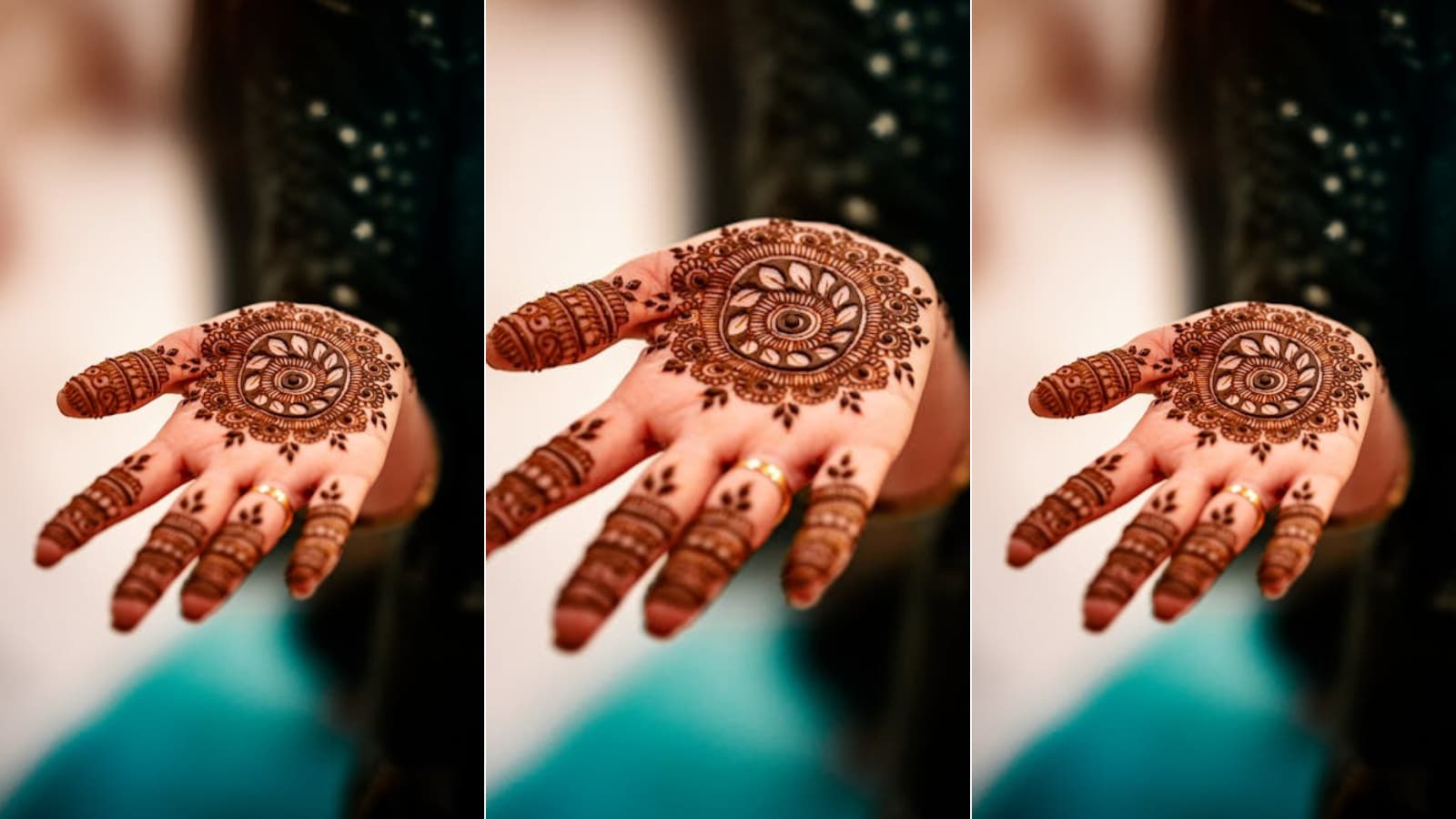
The Mandala Dot Design offers a blend of spiritual symbolism and minimalist aesthetics. A small, intricate mandala placed at the centre of the palm, often surrounded by delicate dots, creates a design that is both meaningful and visually appealing.
- Description: This design features a circular, symmetrical pattern (mandala) at the core, typically composed of geometric shapes, floral elements, or abstract motifs. It is often accentuated by a scattering of small dots around the mandala or extending outwards.
- Why it’s perfect for Eid: Mandalas are deeply symbolic, representing the universe, wholeness, and spiritual harmony. This design adds a layer of meaning to the festive adornment, aligning with the spiritual essence of Eid al-Fitr. Its minimalist execution makes it a sophisticated choice.
- DIY Friendly: Creating a perfect circle and symmetrical mandala can be challenging but is achievable with practice. Focusing on a simpler mandala pattern and using dots as filler can simplify the process. Online guides for drawing basic mandalas can be very helpful.
5. Finger Tip Accents: Trendy, Quick, and Delightfully Chic
For those seeking a quick, trendy, and contemporary mehendi look, Finger Tip Accents are the ideal choice. This design focuses on adorning just the fingertips with small, charming motifs.
- Description: This involves applying small stars, delicate petals, tiny geometric shapes, or simple dots precisely on the tips of the fingers. The designs are usually very small and unobtrusive, adding a subtle yet stylish touch.
- Why it’s perfect for Eid: This is the epitome of modern mehendi trends. It’s incredibly quick to apply, making it perfect for last-minute preparations. The focus on fingertips adds a fashionable edge and is perfect for those who want a hint of mehendi without full hand coverage.
- DIY Friendly: This is perhaps the easiest design to attempt at home. With a fine-tipped mehendi cone, one can create these small accents with ease. It’s an excellent way to experiment with mehendi application for beginners.
Practical Tips for At-Home Mehendi Application
Achieving beautiful mehendi designs at home requires a combination of the right materials, patience, and a few key techniques.
Choosing Your Mehendi Cone:
- Natural Henna: Opt for cones made from 100% natural henna powder, essential oils (like eucalyptus or tea tree), and water or lemon juice. Avoid cones with harsh chemicals or artificial dyes, which can be harmful and cause allergic reactions.
- Freshness: Ensure your mehendi cones are fresh. Older cones may have a weaker colour payoff. Look for cones that feel pliable and have a good flow.
Preparation is Key:
- Clean Hands: Wash your hands thoroughly with soap and water to remove any oils or lotions. Exfoliating your hands a day before application can help the stain adhere better.
- Design Selection: Decide on your design beforehand. You can print out images or draw a template on paper to practice.
- Patch Test: If you have sensitive skin, perform a small patch test on your wrist a day or two before applying mehendi to check for any allergic reactions.
Application Techniques:
- Steady Hand: Hold the mehendi cone like a pen, applying gentle pressure. Practice drawing lines and dots on a piece of paper before moving to your hands.
- Even Pressure: Maintain consistent pressure on the cone to ensure an even flow of henna.
- Start Simple: Begin with simpler designs if you are a beginner. Focus on clean lines and basic shapes.
- Drying Time: Allow the mehendi paste to dry completely. This can take anywhere from 30 minutes to a few hours, depending on the thickness of the paste and the humidity.
- Removing the Paste: Once the paste is dry, gently scrape it off. Avoid washing your hands immediately with water.
Enhancing the Stain:
- Sugar and Lemon: A paste of sugar and lemon juice can be applied over the dried mehendi to help it stay on the skin longer and deepen the colour.
- Avoid Water: Keep your hands dry for at least 12-24 hours after removing the mehendi paste. Water can cause the stain to fade prematurely.
- Warm Oil: Gently rub some warm mustard oil or coconut oil on your hands after the initial drying period to help the stain develop to its full potential.
Supporting Data and Emerging Trends
The global mehendi market has seen steady growth, driven by cultural celebrations and the increasing popularity of henna as a natural body art form. In recent years, there has been a noticeable shift towards more contemporary and minimalist designs, mirroring global beauty trends.
- Digital Influence: Platforms like Pinterest and Instagram have become invaluable resources for discovering and sharing mehendi designs. Hashtags like #EidMehndi, #HennaArt, and #FestiveHenna trend heavily in the weeks leading up to Eid.
- Fusion Designs: There’s a growing interest in fusion designs that incorporate elements from different cultural art forms, such as traditional Indian motifs with Moroccan geometric patterns.
- Colour Innovation: While traditional reddish-brown henna remains popular, there’s also experimentation with coloured henna (though caution is advised due to potential chemical additives) and glitter accents for a festive sparkle.
Official Responses and Cultural Significance
Religious scholars and community leaders consistently emphasize the permissibility and cultural importance of mehendi for women during Eid al-Fitr, provided it adheres to Islamic principles of modesty and does not involve harmful substances. The art form is seen as a beautiful expression of joy and tradition, a way for women to beautify themselves for the celebratory occasion.
The Ministry of Culture in various countries often promotes traditional arts and crafts, including mehendi, as vital components of cultural heritage. Awareness campaigns often highlight the importance of using natural henna and supporting local artisans.
Implications and Future Outlook
The enduring popularity of mehendi for Eid al-Fitr signifies its deep cultural roots and its ability to adapt to evolving tastes. As technology continues to influence how we discover and share artistic trends, mehendi design is likely to see further innovation.
- Sustainability: There will be an increasing focus on sustainable sourcing of henna and eco-friendly application methods.
- Global Reach: The accessibility of online tutorials and social media will continue to broaden the appeal of mehendi globally, fostering cross-cultural appreciation.
- Personal Expression: Mehendi will remain a powerful medium for personal expression, allowing individuals to creatively interpret and celebrate their cultural identity and festive spirit.
As Eid al-Fitr 2026 approaches, the allure of mehendi continues to captivate, offering a timeless way to adorn oneself with beauty, tradition, and festive joy. The designs highlighted offer a glimpse into the possibilities, encouraging everyone to embrace the artistry and make this Eid a visually resplendent celebration.
