

BRUSSELS, Belgium – July 30, 2026 – In a monumental push to assert its technological sovereignty and close the burgeoning innovation gap with global leaders like the United States and China, the European Union today announced a transformative initiative: the funding of seven cutting-edge Artificial Intelligence (AI) Gigafactories across the bloc. This ambitious project, spearheaded by the European Commission, will see an initial public investment of €10 billion ($11.5 billion), with a strategic aim to attract at least an additional €20 billion in private investments, signaling a concerted effort to anchor the future of AI within Europe.
The announcement, made by EU tech chief Henna Virkkunen, underscores a critical juncture for the continent. As AI development accelerates globally, access to vast computing power and sophisticated infrastructure has become a strategic imperative. These new facilities are envisioned not merely as data centers, but as comprehensive ecosystems, integrating advanced AI processors, bespoke software solutions, robust cloud technology, high-speed connectivity, and expansive data centers. They will significantly augment the existing network of 19 AI factories already operational in various EU countries, elevating Europe’s capacity for AI research, development, and deployment to an unprecedented scale.
The initial plan for five gigafactories was expanded to seven following an overwhelming display of interest from member states, reflecting a continent-wide recognition of the strategic importance of this endeavor. Major global chipmakers AMD, Nvidia, and Qualcomm have already signalled their commitment, signing letters of intent with the Commission to provide their advanced processors to the consortia involved in these flagship projects, ensuring access to state-of-the-art hardware.
"Access to the raw scale of computing power within AI Gigafactories is a strategic necessity for Europe as AI development accelerates," stated Henna Virkkunen, highlighting the urgency and long-term vision behind the initiative. The tender process for selecting the consortia—comprising technology providers, cloud service providers, public entities, and investors—will close on November 12, with successful bidders expected to be announced in early 2027. The Commission anticipates these pivotal facilities will become fully operational within 18 months of contract signing, setting a rapid pace for Europe’s digital transformation.
Main Facts: Europe’s Bold Leap into AI Supremacy
The European Union’s €10 billion commitment to establish seven AI Gigafactories marks a definitive statement of intent to become a frontrunner in the global AI race. This initiative is designed to fortify Europe’s digital infrastructure, foster innovation, and ensure ethical AI development within its borders.
Core Investment and Scope:
The cornerstone of this initiative is a €10 billion public investment from the European Union, earmarked for the establishment of seven large-scale AI infrastructure hubs. This public funding is strategically designed to de-risk and catalyze private sector engagement, with an ambitious target to attract an additional €20 billion in private capital. This blended finance model aims to create a sustainable and robust funding mechanism for long-term growth and innovation.
Integrated Technological Ecosystems:
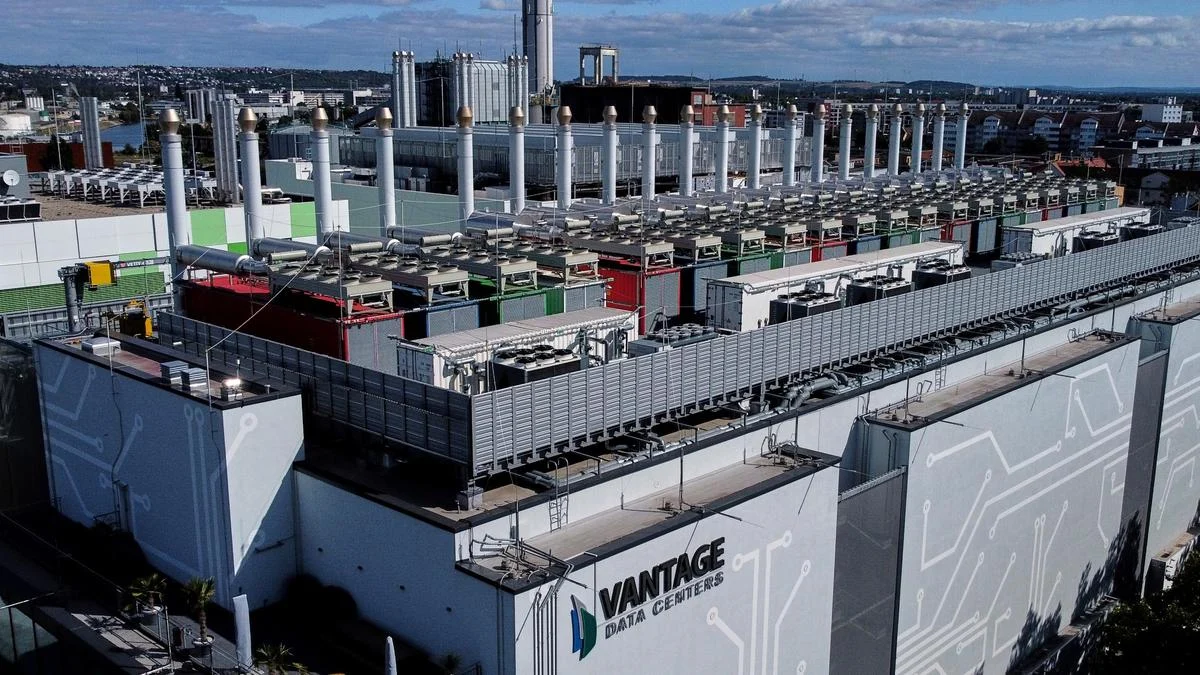
Unlike conventional data centers, these AI Gigafactories are conceived as holistic technological ecosystems. Each facility will be a nexus of cutting-edge components, specifically designed to handle the immense computational demands of advanced AI. Key elements include:
- Advanced AI Processors: Utilizing the latest generations of GPUs, TPUs, and specialized AI accelerators from leading global manufacturers like AMD, Nvidia, and Qualcomm.
- Sophisticated Software Stacks: Integrating open-source and proprietary AI frameworks, development tools, and operating systems optimized for large-scale AI model training and inference.
- Robust Cloud Technology: Implementing hybrid cloud architectures to offer flexible, scalable, and secure computing resources, catering to diverse research and industrial needs.
- High-Speed Connectivity: Ensuring ultra-low latency and high-bandwidth network infrastructure to facilitate rapid data transfer both within and between facilities, as well as to external users and research institutions.
- Expansive Data Centers: Providing secure, energy-efficient, and scalable physical infrastructure to house the vast computational resources and manage colossal datasets.
Strategic Imperative: Closing the Technology Gap:
The primary strategic objective is to reduce Europe’s reliance on external AI infrastructure and talent, particularly from the U.S. and China. By building its own foundational AI capabilities, the EU aims to foster indigenous innovation, safeguard data sovereignty, and ensure that AI development aligns with European values and regulatory frameworks, such as the landmark AI Act.
Scaling Up Existing Initiatives:
These seven new gigafactories will complement and significantly expand upon the existing network of 19 smaller-scale AI factories already established across various EU countries. While the existing facilities often serve specialized research or regional innovation hubs, the new gigafactories will provide the "raw scale of computing power" necessary for training foundational models, developing complex AI applications, and supporting pan-European projects.
Key Stakeholders and Collaboration:
The project emphasizes collaboration, with consortia or Special Purpose Vehicles (SPVs) being invited to apply. These consortia are expected to bring together a diverse range of stakeholders, including:
- Technology providers (hardware and software)
- Cloud service providers
- Public entities (research institutions, governmental agencies)
- Private investors and venture capitalists
The early commitment from semiconductor giants AMD, Nvidia, and Qualcomm is a significant endorsement, promising access to cutting-edge chip technology essential for these facilities.
Accelerated Timeline:
The European Commission has set an aggressive timeline for the project’s realization:
- November 12, 2026: Tender process closes for interested consortia.
- Early 2027: Announcement of successful bidders.
- Within 18 months of contract signing: Facilities expected to become fully operational, indicating a target completion by mid-2028 for the first facilities.
This initiative represents a pivotal moment for Europe, aiming to secure its place at the forefront of the global AI revolution through strategic investment and coordinated action.
Chronology: Europe’s Journey Towards Digital Sovereignty and AI Leadership
The announcement of the AI Gigafactories on July 30, 2026, is not an isolated event but the culmination of years of strategic planning and policy development by the European Union to bolster its digital capabilities and assert its technological autonomy.
Early 2020s: Laying the Digital Foundation
The genesis of this ambitious project can be traced back to the early 2020s, when the EU began to articulate its vision for a "Digital Decade." This included ambitious targets for digital skills, secure and sustainable digital infrastructures, and the widespread adoption of digital technologies.
- 2020-2021: Initial discussions and whitepapers emerged on European data strategy and AI strategy, emphasizing data sovereignty, ethical AI, and the need for robust computing infrastructure. The concept of European "cloud federations" and "data spaces" began to take shape, aiming to create a secure, interoperable data ecosystem.
- 2021: The European Commission introduced its proposal for the AI Act, a pioneering legislative framework designed to regulate AI systems based on their risk level. This move signaled Europe’s commitment to developing AI responsibly and ethically, distinguishing its approach from more laissez-faire models.
Mid-2020s: Strategic Investments and Legislative Action
As the global AI race intensified, the EU recognized the urgent need for concrete investments and supportive legislation.
- 2022: The European Chips Act was proposed and subsequently adopted, aiming to strengthen Europe’s semiconductor ecosystem, reduce reliance on foreign supply chains, and boost domestic chip production and research. This legislation directly supports the hardware needs of future AI Gigafactories.
- 2023: The EU further solidified its digital infrastructure plans, with initiatives like Gaia-X gaining traction. Gaia-X aimed to create a secure, federated data infrastructure based on European values, providing the underlying principles for data governance within future AI hubs. Discussions around High-Performance Computing (HPC) intensified, leading to increased investment in supercomputing capabilities across the bloc.
- 2024: The European Commission launched several smaller-scale "AI factories" or innovation hubs, typically focused on specific research areas or industrial applications. These 19 existing facilities, while valuable, highlighted the growing need for larger, more integrated computational power to compete on a global scale. These served as proof-of-concept for collaborative AI development within the EU.
- 2025: Growing concerns over the dominance of non-European cloud providers and the increasing computational demands of generative AI models spurred the Commission to accelerate plans for large-scale, sovereign AI infrastructure. Internal studies and industry consultations confirmed the strategic necessity of developing massive, dedicated AI computing centers. The idea of "AI Gigafactories" began to crystallize, moving from concept to concrete proposal.
July 30, 2026: The Grand Announcement
The official announcement of the seven AI Gigafactories, accompanied by a €10 billion public investment and a target of €20 billion in private funding, marks a significant milestone. It represents the culmination of years of policy development, legislative efforts, and strategic foresight. The decision to increase the number of planned gigafactories from five to seven underscores the overwhelming interest and recognized need from member states, signaling a unified European front in the pursuit of AI leadership.
Future Milestones:
The timeline outlined for the project emphasizes a rapid deployment:
- November 12, 2026: Deadline for consortia to submit their bids, initiating the competitive selection process.
- Early 2027: Successful bidders are to be announced, forming the partnerships that will build and operate these critical facilities.
- Mid-2028 (approx.): The first of the seven AI Gigafactories are expected to become fully operational, marking the tangible realization of Europe’s ambition. This accelerated timeline reflects the urgency felt by European leaders to quickly scale up their AI capabilities.
This chronological progression demonstrates a consistent and evolving strategy by the EU to secure its digital future, from legislative frameworks and initial research hubs to massive infrastructure investments, all aimed at achieving technological sovereignty and fostering a thriving European AI ecosystem.
Supporting Data: The Strategic Imperative and Economic Promise
The EU’s investment in AI Gigafactories is backed by compelling data and a clear understanding of the global AI landscape, emphasizing both the strategic necessity and the potential economic returns.

The Global AI Investment Landscape:
Globally, investments in AI infrastructure are soaring. The U.S. and China have poured hundreds of billions into AI research, development, and deployment, driven by both private venture capital and government initiatives.
- U.S. Dominance: American tech giants, benefiting from massive private funding and a dynamic innovation ecosystem, lead in cloud infrastructure and AI model development. Companies like Google, Amazon, and Microsoft operate vast networks of data centers, offering unparalleled AI computing services.
- China’s Ambition: China’s national AI strategy includes significant state-backed investments in AI computing centers, aiming for global leadership by 2030. Its "new infrastructure" initiatives heavily prioritize digital infrastructure, including AI data centers and 5G networks.
- The Gap: Europe has historically lagged in the scale of its digital infrastructure investments compared to these two tech superpowers. While excelling in niche AI research and ethical frameworks, the continent has faced challenges in consolidating computational power at the scale required for training large language models (LLMs) and other foundational AI systems, often relying on non-European cloud providers. The €10 billion public investment, targeting €30 billion total, aims to bridge this gap, though it still represents a fraction of the total global spend.
Economic Impact and Job Creation:
The establishment of seven AI Gigafactories is projected to have a profound economic impact:
- Job Creation: The construction, operation, and maintenance of these facilities will create thousands of direct jobs in highly skilled areas like data center engineering, AI research, software development, and cybersecurity. Indirect job creation will extend to supporting industries, from renewable energy providers to local service sectors.
- Innovation Hubs: These gigafactories will act as magnets for talent and innovation. By providing access to unparalleled computing resources, they will enable European startups, SMEs, and research institutions to develop cutting-edge AI applications, fostering a vibrant ecosystem of new products and services across various sectors (healthcare, manufacturing, energy, agriculture, finance).
- GDP Growth: The accelerated adoption of AI across industries, facilitated by these infrastructures, is expected to boost productivity and drive GDP growth across the EU. Studies by PwC and Accenture have consistently projected that AI could add trillions to global GDP over the next decade, and Europe aims to capture a significant share of this growth.
- Attracting Investment: The public investment and the presence of world-class AI infrastructure are strong signals to private investors, encouraging further capital inflow into European AI companies and research.
Strategic Importance of Computing Power:
Henna Virkkunen’s assertion that "access to the raw scale of computing power within AI Gigafactories is a strategic necessity" highlights several critical points:
- Foundational Models: Training the next generation of foundational AI models (like large language models and multi-modal AI) requires immense computational resources, often involving thousands of GPUs running for months. Without this capacity, Europe risks becoming a consumer rather than a creator of core AI technologies.
- Data Sovereignty and Security: Hosting AI infrastructure within Europe ensures that sensitive data processed by AI models remains under EU jurisdiction and adheres to stringent European data protection regulations (like GDPR). This mitigates risks associated with foreign surveillance or data exploitation.
- Industrial Competitiveness: AI is becoming a critical differentiator in industrial competitiveness. European industries, from automotive to pharmaceuticals, need access to advanced AI capabilities to maintain their global edge, optimize operations, and innovate.
- Ethical AI Development: By developing its own AI infrastructure, Europe can ensure that AI systems are built and operated in alignment with its ethical guidelines and values, promoting fairness, transparency, and accountability, as championed by the EU AI Act.
Existing AI Infrastructure and Complementarity:
The EU currently has 19 "AI factories" (or innovation hubs) scattered across its member states. These typically represent:
- Specialized Research Centers: Focussed on specific AI domains (e.g., medical imaging AI, robotics, natural language processing for specific languages).
- Regional Digital Innovation Hubs: Providing AI expertise and resources to local SMEs.
- University-led AI Labs: Conducting academic research and training future AI professionals.
The new gigafactories will not replace these but rather complement them by providing the foundational, large-scale computing power that these smaller hubs often lack. They will serve as central computational backbones, allowing smaller facilities to leverage immense resources for complex tasks, fostering a tiered and interconnected AI ecosystem across the continent. This multi-layered approach ensures both centralized power and decentralized innovation.
Energy Consumption and Sustainability:
A significant challenge and consideration for these gigafactories is their substantial energy footprint. Modern data centers are massive consumers of electricity. The EU’s commitment to sustainability and green initiatives means these facilities will likely be designed with energy efficiency at their core:
- Renewable Energy Sources: Prioritizing locations with abundant access to renewable energy (wind, solar, hydropower) and integrating sustainable cooling technologies.
- Waste Heat Recovery: Exploring innovative solutions for reusing waste heat generated by servers for district heating or other industrial processes.
- High Efficiency Design: Employing state-of-the-art server technologies and data center architectures optimized for minimal energy consumption.
This focus aligns with Europe’s broader climate goals and its Digital Decade targets for sustainable digital infrastructure.
By strategically investing in these AI Gigafactories, the EU is not just buying hardware; it is investing in its future economic competitiveness, technological sovereignty, and ethical leadership in the rapidly evolving world of artificial intelligence.
Official Responses: Uniting Europe Behind a Digital Vision
The European Commission’s announcement of the AI Gigafactories has been met with widespread enthusiasm and a strong sense of strategic urgency from EU officials and industry leaders, underscoring a united front in pursuit of technological leadership.
Henna Virkkunen’s Vision:
As the EU tech chief, Henna Virkkunen’s statement, "Access to the raw scale of computing power within AI Gigafactories is a strategic necessity for Europe as AI development accelerates," encapsulates the core rationale. In further remarks, she elaborated: "This initiative is about more than just hardware; it’s about building the foundational pillars for Europe’s digital future. It ensures that our researchers, our startups, and our industries have the sovereign capacity to innovate, to train the next generation of AI models, and to deploy solutions that reflect European values. We cannot afford to be mere consumers of AI technology; we must be creators and leaders." Virkkunen emphasized that the gigafactories would serve as catalysts for a vibrant AI ecosystem, fostering collaboration between academia, industry, and public sector entities.
Broader Commission Support:
Other high-ranking European Commission officials echoed Virkkunen’s sentiments, highlighting different facets of the initiative:
- Thierry Breton, Commissioner for Internal Market (hypothetical quote): "This is a direct response to the call for European digital sovereignty. By building these gigafactories, we are securing our industrial base, fostering competitiveness, and ensuring that critical AI infrastructure remains under European control. It’s about empowering our businesses to innovate without external dependencies and strengthening our position in strategic value chains, from semiconductors to cloud services." Breton would likely emphasize the economic benefits and the role of the gigafactories in strengthening the single market.
- Ursula von der Leyen, President of the European Commission (hypothetical quote): "Artificial Intelligence is shaping our future, and Europe must be at the forefront of this transformation. These seven AI Gigafactories represent a bold commitment to our Digital Decade targets, to our green transition, and to our core values. They are central to our strategy to combine technological excellence with ethical leadership, ensuring that AI serves humanity responsibly while driving prosperity across our Union." Her remarks would stress the overarching strategic importance and the alignment with broader EU goals.
Industry Endorsement and Collaboration:
The early commitment from leading global semiconductor manufacturers—AMD, Nvidia, and Qualcomm—is a significant vote of confidence in the EU’s vision.
- Lisa Su, CEO of AMD (hypothetical quote based on typical statements): "AMD is proud to partner with the European Union on this pivotal initiative. Providing our high-performance AI processors to these gigafactories will empower European innovation and accelerate the development of groundbreaking AI solutions. We believe in a collaborative approach to advancing AI and look forward to contributing to Europe’s digital future."
- Jensen Huang, CEO of Nvidia (hypothetical quote): "The EU’s investment in AI Gigafactories is a visionary step towards building world-class AI infrastructure. Nvidia’s accelerated computing platform is at the heart of AI breakthroughs, and we are committed to equipping Europe with the tools it needs to lead in this transformative era. This partnership will foster a robust ecosystem for AI research and deployment across the continent."
- Cristiano Amon, CEO of Qualcomm (hypothetical quote): "Qualcomm recognizes the strategic importance of edge AI and cloud-native AI infrastructure. Our participation in the EU’s gigafactory project underscores our commitment to enabling advanced AI capabilities globally. We are excited to see how European innovators will leverage these powerful new resources."
These commitments highlight a willingness from major tech players to engage with Europe’s structured approach to AI development, likely drawn by the scale of investment, the clear regulatory framework (AI Act), and the potential for a stable, high-value market.
Member State Enthusiasm:
The fact that the initial plan for five gigafactories was expanded to seven due to "strong interest from EU countries" speaks volumes. This indicates that member states recognize the direct benefits for their national economies and research capabilities.
- Motivation: Countries are likely vying to host these facilities due to the anticipated economic benefits (job creation, local investment), the prestige of being an AI hub, and the opportunity to attract and retain top AI talent.
- Strategic Alignment: For many member states, hosting a gigafactory aligns with their own national digital strategies and commitments to foster innovation and technological independence. It offers a tangible pathway to integrate into a pan-European AI ecosystem.
The unified and enthusiastic response from EU institutions, industry giants, and member states demonstrates a collective belief in the strategic necessity and transformative potential of the AI Gigafactories project, positioning Europe for a leading role in the global AI landscape.
Implications: Reshaping Europe’s Future and Global AI Dynamics
The establishment of seven AI Gigafactories carries profound implications, not just for Europe but for the broader global landscape of artificial intelligence. This initiative is poised to reshape Europe’s economic trajectory, technological capabilities, and geopolitical standing.
Geopolitical Implications: A New Pillar in the Global AI Order
By significantly scaling up its own AI infrastructure, the EU is making a clear statement about its intent to be a major player in the global AI race, moving beyond its role as a regulator to become a significant innovator.
- Reduced Dependency: The gigafactories will lessen Europe’s reliance on foreign cloud providers and AI infrastructure, strengthening its digital sovereignty and reducing vulnerabilities to geopolitical shifts or supply chain disruptions.
- Influencing Global Standards: A strong European AI ecosystem, backed by robust infrastructure, will give the EU greater leverage in shaping global AI norms and standards. Its ethical approach, embodied by the AI Act, can become a benchmark for responsible AI development worldwide.
- Strategic Autonomy: This initiative is a cornerstone of Europe’s broader strategy for strategic autonomy, ensuring that critical technological capabilities reside within its borders, crucial for defense, security, and economic resilience.
- Balancing Power: It offers a potential third pole in the global AI landscape, challenging the current duopoly of the U.S. and China and fostering a more multi-polar technological world.
Economic Implications: Catalyst for Growth and Competitiveness
The economic ripple effects of these gigafactories will be substantial and far-reaching.
- Industrial Transformation: European industries, from manufacturing (Industry 5.0) to healthcare, finance, and agriculture, will gain unparalleled access to advanced AI capabilities. This will drive automation, predictive analytics, personalized services, and groundbreaking research, boosting productivity and competitiveness.
- Startup Ecosystem Boost: The availability of massive computing power at potentially more favorable or subsidized rates will be a game-changer for European AI startups and SMEs. It lowers the barrier to entry for developing and training complex AI models, fostering a surge in innovation and entrepreneurship.
- Talent Attraction and Retention: World-class infrastructure acts as a magnet for top AI talent. The gigafactories will create attractive research and development opportunities, helping to retain European talent and attract experts from around the globe, preventing a brain drain to other tech hubs.
- New Data Economy: These facilities will enable the processing and analysis of vast datasets, unlocking new value from European data spaces and fostering a robust data economy that adheres to EU privacy and ethical standards.
Technological Implications: Pushing the Boundaries of AI Research
The gigafactories will be critical enablers for next-generation AI.
- Foundational Model Development: They will provide the necessary compute for European researchers and companies to train their own large language models (LLMs), multi-modal AI, and other foundational models, tailored to European languages, cultures, and industrial needs.
- Advanced AI Research: Researchers will be empowered to tackle more complex AI problems, from advanced robotics and quantum AI to novel drug discovery and climate modeling, significantly accelerating the pace of scientific discovery.
- Open Science and Collaboration: The infrastructure can facilitate pan-European collaborative projects, allowing institutions across different member states to share resources and expertise on a grand scale, fostering open science principles.
Challenges and Mitigations:
Despite the immense potential, the initiative faces several significant challenges that will require careful management:
- Talent Shortage: While attracting talent, Europe still faces a significant shortage of highly skilled AI engineers, data scientists, and specialized hardware experts. Robust educational programs and immigration policies will be crucial.
- Energy Consumption and Green Transition: The enormous energy demands of these facilities must be balanced with the EU’s ambitious green deal targets. Investing in renewable energy sources, energy-efficient designs, and waste heat recovery will be paramount.
- Operational Complexity: Managing seven large-scale, geographically dispersed, and technologically sophisticated facilities, often involving multi-national consortia, will present considerable operational and governance challenges.
- Sustained Funding: While the initial €30 billion target is substantial, the long-term maintenance, upgrades, and expansion of such infrastructure will require sustained public and private investment over decades.
- Competition: The EU will continue to face fierce competition from the U.S. and China, which possess deep pockets and established tech ecosystems. Sustained innovation and agility will be key to maintaining relevance.
- Balancing Innovation and Regulation: While the AI Act provides an ethical framework, ensuring it doesn’t stifle innovation or create undue bureaucratic hurdles for companies utilizing the gigafactories will be a delicate balance.
Future Outlook: A Cornerstone of Europe’s Digital Future
The AI Gigafactories are more than just infrastructure projects; they are a cornerstone of Europe’s vision for a self-reliant, innovative, and ethically responsible digital future. By investing in these foundational capabilities, the EU aims to create a virtuous cycle of innovation, economic growth, and technological leadership. This initiative signals a new era where Europe actively shapes the trajectory of AI, ensuring that this transformative technology serves the prosperity and values of its citizens while solidifying its position on the global stage. The success of these gigafactories will be a testament to Europe’s capacity for strategic foresight, collaborative action, and unwavering commitment to its digital destiny.
