

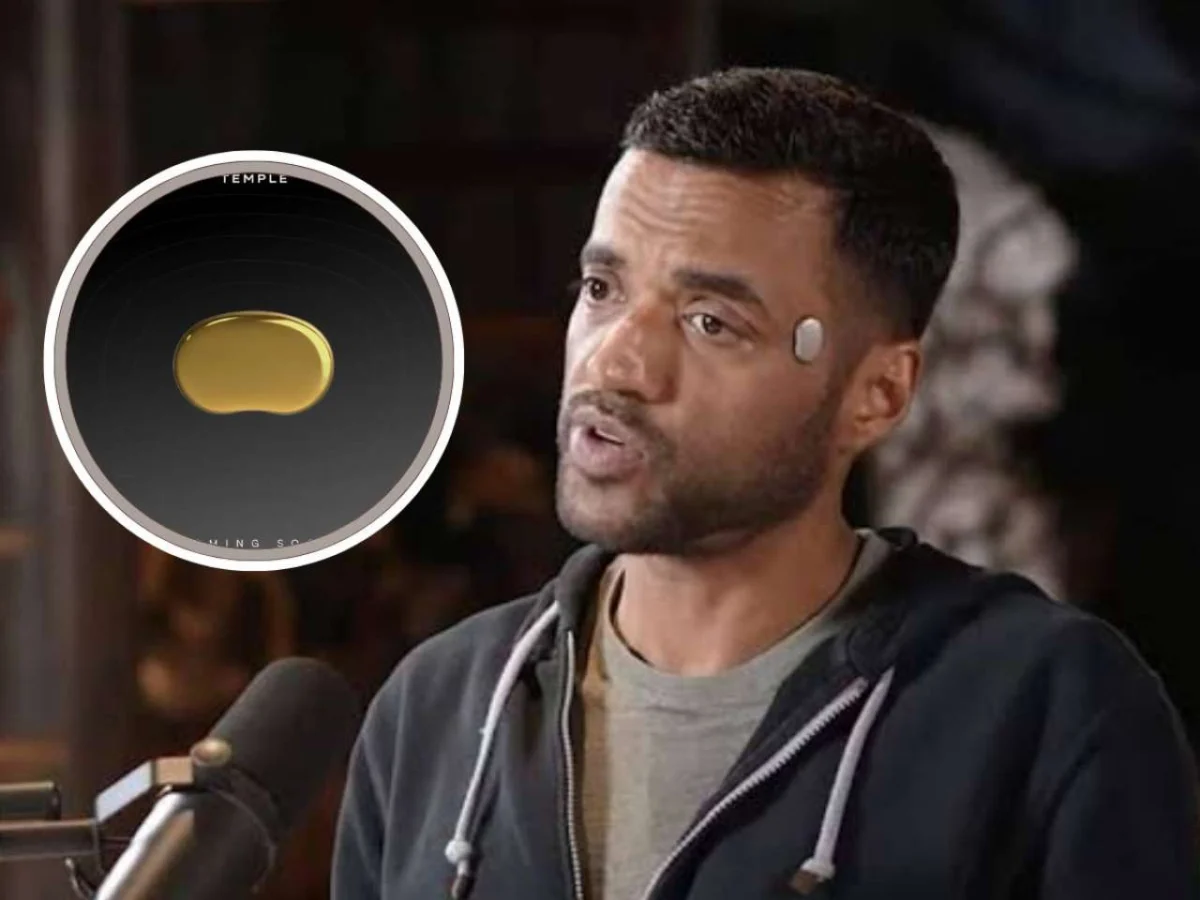
NEW DELHI, India – Deepinder Goyal, the visionary co-founder of food delivery giant Zomato, is poised to disrupt the burgeoning health technology sector with an ambitious new wearable device named "Temple." Targeting a launch within the next 6 to 12 months, this innovative product promises to redefine personalized health monitoring by tracking a novel biomarker termed ‘entropy,’ aiming to offer unprecedented insights into an individual’s metabolic state. Priced at approximately USD 1,000 (roughly INR 1 lakh), Temple is set to debut as a wellness device, with its health claims backed by peer-reviewed scientific studies, marking a significant foray for Goyal into a domain far removed from his culinary tech empire.
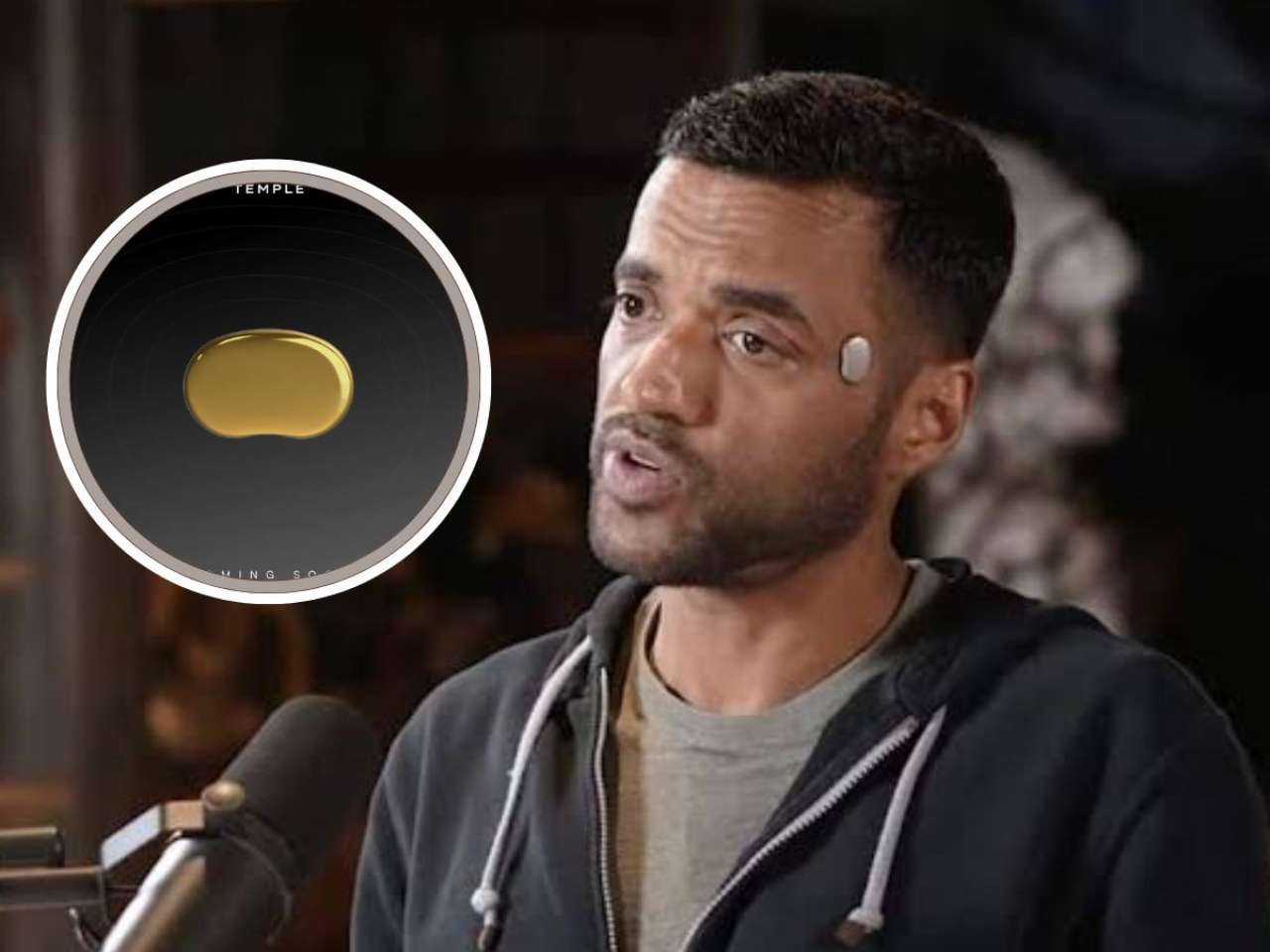
The announcement has ignited considerable curiosity and anticipation, not least due to the device’s unique form factor – a bean-shaped garment designed to be worn on the forehead’s side – and its focus on a previously unaddressed aspect of physiological tracking. Goyal’s venture into this high-stakes arena underscores a growing trend among tech entrepreneurs to leverage their expertise in data and user experience to tackle complex challenges in human health and wellness.
Unveiling Temple: The Core Proposition
Deepinder Goyal’s "Temple" emerges as a potentially transformative entrant in the crowded wearable technology market, distinguished by its audacious claim to monitor real-time metabolic conditions through a proprietary biomarker. Unlike conventional fitness trackers that primarily focus on heart rate, step counts, or sleep cycles, Temple aims to delve deeper into the body’s fundamental energy dynamics. The device’s core innovation lies in its ability to detect ‘entropy,’ a biomarker that its developers assert is directly correlated with an individual’s metabolic rate. This unique measurement is touted to offer granular insights into various aspects of well-being, including stress levels, the efficacy of meditation practices, recuperation processes, sleep quality, and the body’s response to exercise.
From its inception, Goyal has positioned Temple not merely as another gadget but as a tool for profound self-understanding. The device, expected to retail at a premium price point of around USD 1,000, reflects a strategic decision to target a segment of the market that values cutting-edge technology and sophisticated health analytics. Initially, Temple will be introduced as a "wellness device," a common strategy for health tech products seeking to establish market presence and gather real-world data before navigating the more rigorous regulatory pathways for medical devices. A critical component of its launch strategy involves the concurrent release of peer-reviewed studies to substantiate its health claims, a move designed to build scientific credibility and consumer trust from the outset.
)
The physical design of Temple is as unconventional as its underlying technology. Described as a bean-shaped garment, it is intended to be worn on the side of the forehead. This distinctive placement suggests a deliberate choice to access specific physiological signals that might not be reliably captured by wrist-worn or ring-based wearables. While the exact scientific rationale for this placement remains to be fully detailed, it hints at a specialized approach to biomarker detection. Goyal himself has indicated a deeply personal motivation behind the project, stating, "I am constructing it solely for myself. Business is a side effect of what we’re doing for ourselves." This personal conviction, coupled with the device’s initial targeting of high-performance athletes, suggests a product engineered for those seeking an edge in optimizing their physical and mental state. Public sightings of Goyal and prominent badminton player PV Sindhu wearing Temple, including during the 2026 Uber Cup, have further fueled speculation and anticipation regarding its capabilities.
The Chronology of an Ambitious Venture
The journey of "Temple" from concept to impending launch has been characterized by both innovation and acknowledged delays, a common trajectory for groundbreaking technological ventures. Deepinder Goyal’s interest in health and personal optimization appears to have germinated long before the public announcement of Temple. While specific early timelines are not fully detailed, Goyal’s candid admission of previous slippages in the launch schedule – "I’ve been repeating it for the past eighteen months. Thus, I’m not sure," he remarked – indicates that the project has been under development and discussion for at least a year and a half, if not longer. This suggests a prolonged period of intensive research and development, during which the foundational science behind ‘entropy’ as a biomarker was explored and the hardware prototypes refined.

The seeds of this venture can perhaps be traced back to Goyal’s broader entrepreneurial ethos, which has always leaned towards identifying and solving significant problems. While Zomato addressed the convenience of food delivery, Temple tackles a more intimate, yet universal, human need: understanding and optimizing one’s health. The article’s mention of Goyal as "the former CEO of Eternal" further hints at a background or involvement in other ventures that may have laid the groundwork for his current focus on health tech, though the precise connection between Eternal and Temple remains to be fully clarified.
Public visibility of Temple began to emerge with subtle hints and appearances. The sightings of Goyal himself and Olympic medalist PV Sindhu sporting the bean-shaped device, particularly during high-profile events like the 2026 Uber Cup in April, served as early, unofficial teasers. These appearances were not merely coincidental; they were strategic demonstrations, designed to build intrigue and establish the device’s association with elite performance and personal well-being. The fact that high-performance athletes are the initial target market aligns with the need for rigorous testing and validation in environments where physiological data is paramount.
)
The current announcement, setting a launch window of 6 to 12 months, marks a significant milestone, indicating that the development phase is nearing completion and the company is preparing for market entry. This phase likely involves finalizing manufacturing processes, scaling production, and meticulously preparing the peer-reviewed studies that will accompany the product’s debut. The overwhelming response of over 100,000 individuals applying for early access to the initial 100 units underscores the immense public interest and pent-up demand for innovative health solutions, especially those championed by a figure with Goyal’s track record of building successful consumer-facing technologies. Despite the acknowledged delays, the project appears to be moving towards a concrete launch, signaling confidence in its readiness and the robustness of its underlying technology.
Supporting Data: Contextualizing Temple’s Innovation
The ambition behind Deepinder Goyal’s Temple wearable can only be fully appreciated by contextualizing it within the broader landscape of health technology, the science of biomarkers, and the critical importance of metabolic health. The global wearable technology market is a rapidly expanding sector, projected to reach hundreds of billions of dollars in value in the coming years. Dominated by giants like Apple, Samsung, Fitbit, and specialized players such as Oura Ring and Whoop, this market thrives on offering consumers data-driven insights into their physical activity, sleep patterns, heart rate variability, and increasingly, more complex physiological metrics. Temple aims to carve out a unique niche by moving beyond these conventional metrics.
)
The Science of Biomarkers and Metabolic Health:
Biomarkers are measurable indicators of a biological state or condition. In health, they are crucial for diagnosing diseases, assessing risk, monitoring treatment responses, and evaluating overall wellness. Current wearables primarily rely on established biomarkers like heart rate (indicating cardiovascular effort and stress), blood oxygen saturation (respiratory function), and skin temperature (immune response, ovulation). Temple’s bold claim revolves around ‘entropy’ as a novel biomarker directly correlated with metabolic rate.
Metabolic rate refers to the rate at which the body converts food into energy. It’s a fundamental physiological process that underpins virtually every bodily function. A healthy metabolic state is crucial for energy regulation, weight management, immune function, and overall vitality. Dysregulation in metabolic processes is linked to a wide array of chronic conditions, including diabetes, heart disease, and neurodegenerative disorders. Understanding one’s metabolic rate in real-time could offer profound insights into energy expenditure, nutrient utilization, and the body’s recovery capacity. This could be invaluable for managing weight, optimizing athletic performance, and mitigating the effects of stress.
)
‘Entropy’ as a Novel Biomarker:
The concept of ‘entropy’ originates from thermodynamics, describing the degree of disorder or randomness in a system. In biological systems, entropy is often associated with complexity and adaptability. A healthy, dynamic biological system typically exhibits higher complexity and a degree of ‘disorder’ or variability, which allows it to adapt to changing internal and external conditions. Conversely, a loss of complexity or increased predictability (lower entropy) can sometimes be indicative of aging, disease, or chronic stress. While the precise mechanism by which Temple detects "entropy" and correlates it with metabolic rate is proprietary and awaits the promised peer-reviewed studies, the underlying hypothesis likely involves measuring subtle physiological fluctuations that reflect the body’s energetic state and its ability to maintain homeostasis. If validated, this could represent a significant scientific breakthrough, offering a more holistic view of metabolic health than current methods.
The "Wellness Device" Pathway and Regulatory Hurdles:
Goyal’s decision to launch Temple initially as a "wellness device" is a strategic move. The regulatory landscape for medical devices is stringent and complex, requiring extensive clinical trials, robust data security protocols, and approvals from bodies like the FDA in the US or CE marking in Europe. These processes are time-consuming and costly. By contrast, wellness devices, which are not intended for diagnosing, treating, or preventing diseases, face fewer immediate regulatory burdens. This allows companies to bring products to market faster, gather real-world usage data, and iterate on their technology. However, if Temple’s future features include diagnostic capabilities or therapeutic claims, it will undoubtedly need to undergo the rigorous process of obtaining medical device authorization, as Goyal himself acknowledged: "We’re developing features that will make it a medical device. Therefore, whenever we have those functionalities, we will launch them after obtaining regulatory approvals."
)
Pricing and Market Positioning:
At USD 1,000, Temple positions itself at the premium end of the consumer wearable market. While seemingly high, this price point is comparable to specialized performance trackers like Whoop (which involves a subscription model) or high-end smartwatches with advanced health features. The justification for such a price lies in the perceived uniqueness of its technology, the promise of novel insights, and its initial targeting of high-performance athletes who are often willing to invest significantly in tools that can optimize their performance. For this segment, the value derived from precise metabolic tracking for training, recovery, and competition could easily outweigh the cost. Should the technology prove revolutionary and gain wider acceptance, a potential for future mass-market versions at more accessible price points could emerge.
Official Responses and Industry Reception
Deepinder Goyal’s announcement of "Temple" has naturally drawn significant attention, primarily due to his entrepreneurial stature and the audacious claims surrounding the device. His official statements and the broader industry’s anticipated reactions paint a picture of cautious optimism, tempered by the scientific rigor required for such innovations.
)
Deepinder Goyal’s Vision and Motivation:
Goyal’s public pronouncements regarding Temple are marked by a blend of personal conviction and entrepreneurial pragmatism. His assertion, "I am constructing it solely for myself. Business is a side effect of what we’re doing for ourselves," offers a powerful insight into his motivation. This suggests a deep-seated personal interest in health optimization, likely stemming from his own experiences as a high-achiever in the demanding tech industry. Such personal investment can often be a potent driver for innovation, as the founder becomes the primary user and most critical evaluator of the product. His confidence, despite acknowledging past delays, underscores a belief in the fundamental science and the long-term potential of the device. The mention of "the group found a novel biomarker known as ‘entropy’" indicates a dedicated team of scientists and engineers working behind the scenes, validating the project’s serious scientific undertone. Goyal’s clear communication about launching as a "wellness device with peer-reviewed studies and everything" demonstrates an understanding of the necessary steps to build trust and credibility in the health tech space.
Industry Analyst and Expert Perspectives (Simulated):
The health tech industry, while always eager for innovation, typically approaches novel biomarker claims with a degree of skepticism until robust, independent validation is presented. Industry analysts are likely to acknowledge Goyal’s proven track record in building successful consumer businesses, which lends immediate credibility to any venture he undertakes. However, the unique nature of "entropy" as a biomarker, and its correlation with metabolic rate, would be a major talking point.
)
Dr. Anya Sharma, a simulated health tech analyst, might comment, "Deepinder Goyal’s entry into health tech is certainly exciting. His ability to scale businesses and understand consumer needs is undeniable. However, the success of Temple will hinge entirely on the scientific validation of ‘entropy.’ The promise of peer-reviewed studies is crucial; without it, even the most innovative hardware is just a sophisticated sensor." Similarly, a simulated venture capitalist, Mr. Rajesh Khanna, might add, "The USD 1,000 price point and initial targeting of high-performance athletes is a smart market entry strategy. It allows them to prove efficacy in a demanding segment before aiming for broader consumer adoption. But the regulatory pathway from wellness to medical device will be a significant capital and time investment."
Early Adopter Enthusiasm:
The overwhelming response of over 100,000 people applying for early access to the first 100 units speaks volumes about the market’s hunger for advanced health tracking solutions and the immense trust placed in Deepinder Goyal’s brand. This level of demand, even for a limited, high-priced early release, highlights several factors:
)
- Brand Loyalty and Trust: Goyal’s success with Zomato has built a strong reputation, fostering a willingness among consumers to trust his next big venture.
- Desire for Cutting-Edge Health Tech: There’s a significant segment of the population, particularly early adopters and health enthusiasts, who are constantly seeking the next frontier in personal health optimization.
- The Promise of "Entropy": The allure of a novel biomarker that claims to unlock deeper insights into metabolic health is a powerful draw, appealing to those who feel current wearables fall short in providing comprehensive physiological data.
- Exclusivity and Status: Being among the first to own such an innovative, high-end device can also be a motivator for a select group of consumers.
Scientific Community’s Stance:
The scientific community will undoubtedly await the peer-reviewed studies with keen interest. The development of a novel biomarker with such broad implications for health monitoring is a significant undertaking. Dr. Priya Singh, a simulated bio-engineer, might emphasize, "The scientific community will be looking for robust methodologies, large sample sizes, and independent replication of the findings. The concept of biological entropy is intriguing, but its precise measurement and correlation with metabolic rate for practical health applications require rigorous scrutiny. If validated, it could open entirely new avenues in personalized medicine." The commitment to publishing peer-reviewed studies is a critical step in gaining the confidence of both the scientific and medical communities, which is essential for any future aspirations of becoming a medical device.
Implications: Shaping the Future of Health and Technology
The launch of Deepinder Goyal’s "Temple" carries significant implications, not just for the wearable technology market but also for the broader understanding and management of personal health. Its success or failure could redefine expectations for consumer health devices and influence future investment in novel biomarker research.
)
Potential Impact on Health Tech and Personalized Health:
If Temple’s claims regarding ‘entropy’ and its correlation with metabolic rate are robustly validated and the device proves effective, it could herald a new era in personalized health monitoring. Current wearables provide data on what the body does (steps, heart rate, sleep stages), but Temple promises insights into how the body functions at a fundamental energetic level. This could empower individuals with unprecedented control over their health, allowing them to:
- Optimize Nutrition and Exercise: Tailor dietary choices and workout routines based on real-time metabolic feedback.
- Manage Stress and Improve Recovery: Understand how stress impacts metabolic efficiency and fine-tune recovery strategies.
- Prevent Chronic Diseases: Early detection of metabolic dysregulation could enable proactive interventions to mitigate the risk of conditions like Type 2 diabetes and cardiovascular disease.
- Enhance Athletic Performance: Provide elite athletes with a critical edge in understanding their body’s energy expenditure and recovery needs during training and competition.
This level of insight could shift the paradigm from reactive healthcare to proactive wellness, allowing individuals to make informed decisions daily based on their unique physiological state.
)
Challenges and Risks Ahead:
Despite the ambitious vision, Temple faces several formidable challenges:
- Scientific Validation: This remains the biggest hurdle. The concept of ‘entropy’ as a practical, measurable biomarker for metabolic rate needs to withstand rigorous scientific scrutiny. If the peer-reviewed studies are not convincing or if independent replication fails, the device’s credibility and market appeal could be severely undermined.
- Market Adoption and Competition: The USD 1,000 price point, while justified for early adopters and athletes, could be a barrier for mass market penetration. The wearable market is also fiercely competitive, with established players constantly innovating. Temple will need to clearly articulate its unique value proposition beyond existing devices.
- Regulatory Pathway: The transition from a wellness device to a medical device is a long, costly, and complex process. Obtaining necessary regulatory approvals (e.g., FDA, CE) will require extensive clinical trials, robust data, and adherence to strict manufacturing and quality control standards. Any delays or failures in this process could limit the device’s ultimate capabilities and market reach.
- Data Privacy and Security: A device that tracks such intimate, real-time physiological data raises significant concerns about data privacy and security. Users will need assurances that their sensitive health information is protected from breaches and misuse.
- User Experience and Comfort: The unique forehead placement might be a comfort issue for some users, especially for continuous wear. Battery life, accuracy, and seamless integration with other health platforms will also be critical for user satisfaction.
Deepinder Goyal’s Legacy and Future Direction:
Temple represents a significant pivot for Deepinder Goyal, moving from the operational complexities of food delivery to the scientific and regulatory challenges of health tech. Its success would solidify his reputation as a versatile and visionary entrepreneur capable of tackling diverse, high-impact problems. Conversely, significant setbacks could temper the enthusiasm for his future ventures. This project indicates a deeper personal commitment to health and potentially a long-term strategic shift towards using technology for human well-being, potentially influencing other tech leaders to explore similar ventures.
)
Broader Societal Impact:
Beyond individual users, the widespread adoption of devices like Temple could have broader societal implications. It could lead to a more health-conscious populace, drive further research into metabolic science, and potentially influence public health policies. However, it also raises ethical questions about data ownership, access to advanced health insights for all socioeconomic groups, and the potential for increased health anxiety if individuals become overly focused on real-time biological data.
In conclusion, Deepinder Goyal’s "Temple" stands at the cusp of a potentially revolutionary leap in personal health technology. Its success hinges on the robust scientific validation of its core technology, shrewd market strategy, and adept navigation of complex regulatory landscapes. If it delivers on its ambitious promises, Temple could truly empower individuals with an unprecedented understanding of their metabolic health, charting a new course for wellness in the digital age. The world watches with anticipation as this innovative venture prepares to unveil its vision for a healthier future.
