

NEW DELHI, India – In a significant move underscoring India’s escalating scrutiny of global technology giants, the Ministry of Electronics and Information Technology (MeitY) has summoned Meta’s senior-most representatives to New Delhi. The directive follows a brief but high-profile incident where a video message from Prime Minister Narendra Modi, addressing concerns about examination paper leaks, was temporarily removed from Facebook, a platform owned by Meta. The government has unequivocally demanded comprehensive explanations at both policy and technical levels, signaling a deepening resolve to ensure accountability and compliance from digital platforms operating within its borders.
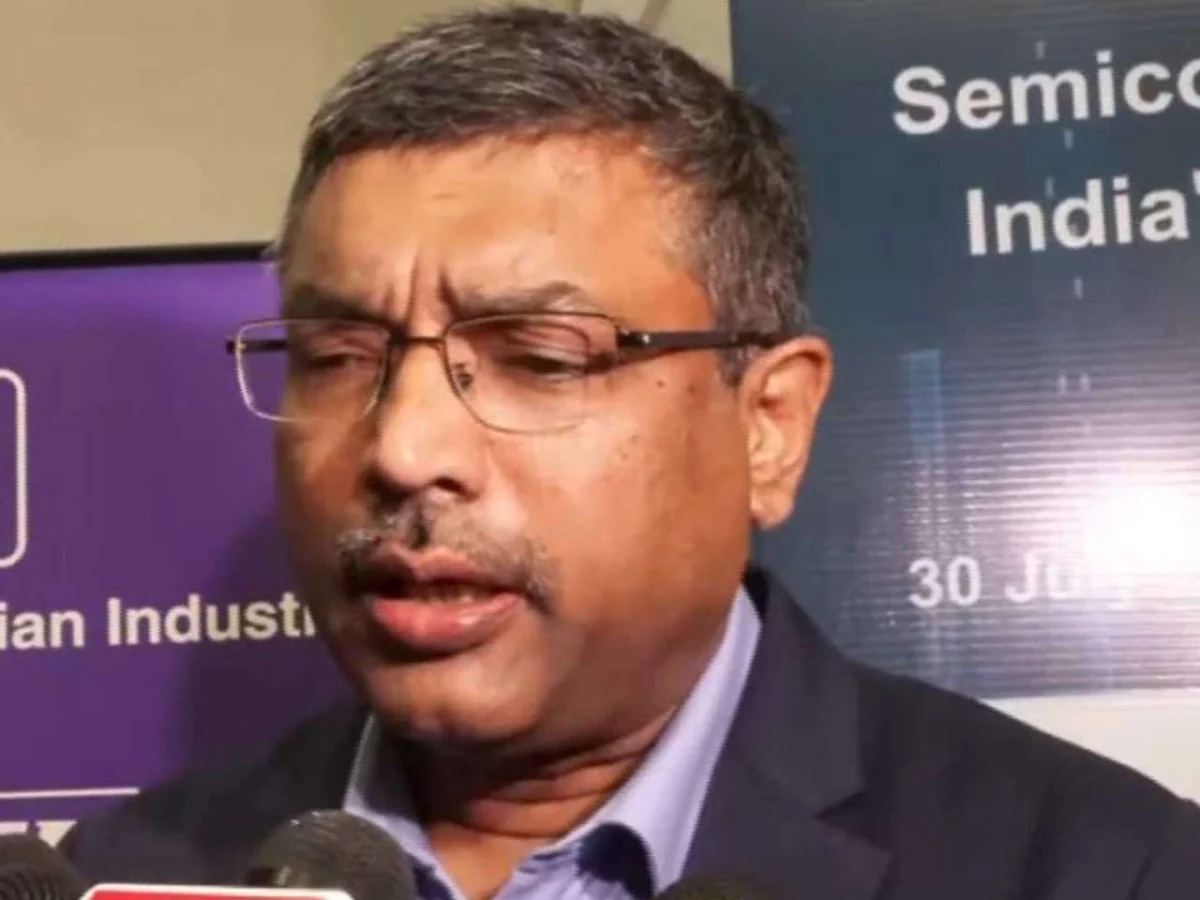
MeitY Secretary S Krishnan confirmed the summons on Thursday, revealing that Meta has agreed to dispatch its top officials for a crucial meeting within the next week to ten days. The government’s primary objective is to gain a thorough understanding of the circumstances surrounding the flagged issues and to assess how Meta intends to adapt its practices to align with India’s burgeoning regulatory expectations. This incident, while seemingly a technical glitch, has illuminated broader concerns regarding content moderation, platform transparency, and the potential impact of such errors on public discourse and national sentiment.
A Timeline of Digital Scrutiny
The summons to Meta is not an isolated event but rather the latest development in an increasingly assertive regulatory environment in India. The sequence of events leading to this high-stakes meeting reveals a government determined to exert greater control over the digital ecosystem.
The Incident: PM Modi’s Video Glitch
The immediate catalyst for MeitY’s intervention occurred in the early hours of July 28. A video featuring Prime Minister Narendra Modi, addressing the sensitive issue of examination paper leaks, was briefly restricted on Facebook. The content, originally released on July 23, marked the Prime Minister’s first direct communication with Gen Z amidst widespread student agitation. This unrest, spearheaded by a group identified as the Cockroach Janta Party (CJP), revolved around alleged irregularities in the highly competitive NEET-UG 2026 examination, a critical gateway for medical aspirants in India.
)
The video’s temporary unavailability sparked immediate concern and drew swift attention from authorities. Meta later issued a statement acknowledging the error: "The content was removed in error and has since been restored," a Meta spokesperson confirmed, attributing the incident to a "technical error." While the video was promptly restored, the brief lapse in its availability involving a prominent national leader underscored the vulnerabilities inherent in content moderation systems and the potential for such glitches to be misinterpreted or politicized.
Government’s Swift Response
The Indian government’s reaction was immediate and firm. Recognizing the gravity of an incident involving the Prime Minister’s official communication on a platform with hundreds of millions of Indian users, MeitY moved swiftly. Secretary S Krishnan articulated the government’s demand for a thorough explanation, emphasizing the need to delve into both the policy frameworks and the underlying technical mechanisms that led to the error. "Meta, we have asked them to come in at the highest level and explain what is happening and why the kind of issues that we see…," Krishnan stated, highlighting the government’s intent to understand the root causes and prevent recurrence. The promptness of the summons demonstrates India’s proactive stance in holding global tech platforms accountable for their operational integrity within its jurisdiction.

Meta’s Acknowledgment and New Protocols
In response to the government’s demand, Meta has conveyed its regret over the incident. According to Krishnan, Meta has not only expressed remorse but has also provided its understanding of the reasons behind the glitch. Crucially, the tech giant informed the government that it has already taken proactive steps to prevent similar occurrences. As of July 28, the very day the incident occurred, Meta claims to have established "new protocols relating to accounts of prominent persons." This move indicates Meta’s recognition of the high stakes involved in managing content related to public figures, especially in a politically charged environment like India. The specifics of these new protocols remain undisclosed, but they are expected to be a key point of discussion during the upcoming meeting with MeitY officials.
Broader Regulatory Landscape
The incident involving PM Modi’s video occurs within a broader context of India’s evolving digital regulatory landscape. The government has been actively engaged in crafting comprehensive laws to govern the digital space, including the Information Technology (Intermediary Guidelines and Digital Media Ethics Code) Rules, 2021, and the forthcoming Digital India Act, intended to replace the two-decade-old IT Act, 2000. These regulatory efforts aim to address critical issues such as data privacy, content moderation, online safety, and the accountability of social media platforms. The summoning of Meta, therefore, serves as a potent reminder to all digital intermediaries that India is serious about enforcing its regulatory frameworks and expects robust compliance and transparent operations.
)
Supporting Data and Context
India’s digital ecosystem is one of the largest and fastest-growing in the world, making it an indispensable market for global tech companies like Meta. Understanding this scale and the specific challenges it presents is crucial to grasping the significance of the government’s actions.
India’s Digital Footprint and Meta’s Dominance
With over 880 million internet users, India represents a colossal market for digital services. This figure is projected to grow further, underpinning the nation’s digital transformation. Meta, through its family of applications – Facebook, WhatsApp, and Instagram – holds an unparalleled position in India’s digital landscape. WhatsApp alone boasts over 500 million users in India, making it its largest market globally. Facebook and Instagram also command hundreds of millions of users, cementing Meta’s role as a primary conduit for communication, commerce, and content dissemination in the country. This immense user base translates into significant influence, but also considerable responsibility, making any operational glitch, especially one involving national leaders, a matter of national concern. The sheer volume of content, diversity of languages, and cultural nuances in India present unique content moderation challenges that often push global platforms to their operational limits.
)
Regulatory Frameworks and Challenges
India’s regulatory journey for digital platforms has been marked by a continuous effort to balance innovation with accountability. The IT Rules, 2021, introduced stringent requirements for "significant social media intermediaries," including the appointment of resident grievance officers, proactive content moderation, and traceability of messages. The proposed Digital Personal Data Protection (DPDP) Act, 2023, and the upcoming Digital India Act aim to further strengthen data privacy and establish a comprehensive legal framework for the digital age.
These frameworks reflect India’s desire to assert its digital sovereignty and ensure that global platforms adhere to local laws and cultural sensitivities. Challenges abound, particularly in defining "harmful content," managing cross-border data flows, and implementing effective grievance redressal mechanisms for a diverse user base. The government’s engagement with Meta underscores its intent to ensure that platform policies and technical implementations are not just compliant on paper but effective in practice, especially when dealing with high-visibility content.
)
Political Sensitivities and Content Moderation
The temporary removal of Prime Minister Modi’s video highlights the acute political sensitivities inherent in content moderation within India. The video itself was a direct response to a significant national issue: widespread allegations of irregularities in the NEET-UG 2026 examination. The NEET (National Eligibility cum Entrance Test) is a highly competitive examination for admission to undergraduate medical courses, and any perceived unfairness can ignite widespread public anger and student protests. The "Cockroach Janta Party" (CJP), as described in the original report, appears to be a moniker for a student-led protest movement, reflecting the intensity of the agitation.
In such a charged atmosphere, a message from the Prime Minister directly addressing these concerns carries immense weight. Its brief disappearance, regardless of the cause, could fuel speculation, misinformation, and erode public trust in both the platform and the information being conveyed. For the government, ensuring the unimpeded dissemination of official communications, particularly from the nation’s leader on critical issues, is paramount. This incident serves as a stark reminder of the delicate balance platforms must strike between automated moderation, human review, and political implications.
)
Global Precedents and Platform Scrutiny
India’s actions against Meta are not unique in the global context. Governments worldwide are grappling with the immense power and influence of tech giants, leading to increased regulatory scrutiny. From the European Union’s Digital Services Act (DSA) and Digital Markets Act (DMA) to the United States’ ongoing antitrust investigations and debates over Section 230, nations are seeking to rein in the unbridled autonomy of platforms. Issues such as misinformation, data privacy breaches, algorithmic bias, and inadequate content moderation have prompted legislative action and hefty fines across continents. India’s summoning of Meta fits squarely within this global trend, demonstrating a collective push by sovereign nations to establish clearer rules of engagement for digital intermediaries. This global context empowers India’s stance, as it operates from a position shared by many other democracies.
The "WhatsApp Username Issue"
While less detailed in the original report, Secretary Krishnan’s mention of "WhatsApp username issue" indicates a broader inquiry beyond just the Facebook video incident. This could refer to a range of potential concerns:
)
- Privacy and Identity: Questions around how usernames are managed, linked to personal data, and used for communication, especially concerning privacy in group chats or direct messages.
- Traceability and Anonymity: Government concerns about the potential for anonymous or pseudonymous accounts to spread misinformation or engage in illegal activities, and the platform’s ability (or lack thereof) to trace real identities behind such usernames.
- Security Vulnerabilities: Potential for exploitation of username systems for spam, phishing, or other cyber threats.
- Compliance with IT Rules: The IT Rules 2021 have provisions related to the identification of the "first originator" of messages, and any username-related features could intersect with these requirements.
Krishnan noted that MeitY is examining this matter and has already sought views from "a number of the platforms, messaging platforms." This suggests a systemic review of how user identities are handled across various communication applications, indicating a comprehensive approach to digital governance rather than focusing solely on one incident or platform.
Official Responses and Expectations
The upcoming meeting between MeitY and Meta’s senior leadership is anticipated to be a pivotal moment, with clear expectations set by the Indian government.
)
MeitY’s Stance: Demand for Clarity
MeitY Secretary S Krishnan has made it clear that the government’s primary demand is for comprehensive clarity. This entails explanations that delve into both the policy frameworks governing content moderation on Meta’s platforms and the intricate technical mechanisms that underpin these policies. The government wants to understand:
- Policy Gaps: Are there deficiencies in Meta’s existing policies, particularly concerning content involving prominent political figures or sensitive national issues?
- Algorithmic Transparency: How do Meta’s algorithms identify, flag, and action content? What are the fail-safes and review processes?
- Human Oversight: What role does human review play, especially for high-profile content, and how are errors rectified?
- Adaptation to Indian Context: How can Meta’s global policies and technical infrastructure be adapted to better address India’s unique socio-political landscape, linguistic diversity, and regulatory mandates?
The government’s insistence on "highest level" representation from Meta underscores the seriousness of its concerns and its expectation for decisive action and accountability from the very top of the organization.
)
Meta’s Position: Cooperation and Regret
Meta’s response so far indicates a willingness to cooperate. Their expression of regret for the incident and their agreement to send senior representatives demonstrate an understanding of the gravity of the situation and the importance of maintaining a constructive relationship with the Indian government, its largest market. The company’s proactive announcement of "new protocols relating to accounts of prominent persons" effective July 28, even before the meeting, suggests an attempt to show good faith and a commitment to address the issues. During the meeting, Meta will likely aim to:
- Present Technical Explanations: Detail the exact cause of the glitch and the technical steps taken to resolve it and prevent recurrence.
- Outline Policy Revisions: Explain any updates or refinements to their content moderation policies, especially those concerning official government communications and high-profile accounts.
- Reaffirm Commitment to India: Reiterate their dedication to complying with Indian laws and regulations, and to serving the Indian user base responsibly.
- Address Broader Concerns: Be prepared to discuss other issues flagged by the government, including the "WhatsApp username issue," and demonstrate their ongoing efforts in areas like misinformation, data privacy, and user safety.
The Broader Dialogue: Multiple Platforms
Krishnan’s statement that MeitY has "got the views of a number of the platforms, messaging platforms" concerning the "WhatsApp username issue" is particularly revealing. It signifies that the government’s current scrutiny is not limited to Meta alone, nor is it confined to a single incident. Instead, it suggests a broader, systemic review of how digital platforms operate in India, particularly regarding aspects of user identity, privacy, and content control. This wider engagement indicates a strategic effort by MeitY to develop a comprehensive understanding of the challenges across the digital ecosystem and potentially to formulate industry-wide guidelines or regulations. The outcome of the Meta meeting could therefore set a precedent for how other messaging and social media platforms are expected to operate in India.
)
Timeline and Future Steps
The timeline for Meta’s appearance is "within the next week, ten days," indicating a sense of urgency from the government. Following this crucial meeting, several outcomes are possible:
- Further Guidelines: MeitY might issue specific guidelines or directives to Meta and potentially other platforms based on the explanations provided.
- Policy Adjustments: Meta might be required to implement further policy or technical adjustments to ensure stricter compliance.
- Regulatory Action: In the event of unsatisfactory explanations or continued non-compliance, the government could explore stronger regulatory or legal actions, as permissible under existing and upcoming laws.
- Ongoing Dialogue: The meeting could also mark the beginning of a more structured and ongoing dialogue between the government and tech platforms to proactively address emerging challenges.
Implications and Future Outlook
The summoning of Meta’s top brass by the Indian government carries significant implications, not only for the tech giant but also for the broader landscape of digital governance in India and globally.
)
For Meta in India
For Meta, India represents an indispensable market, crucial for its global growth strategy. This incident and the subsequent government summons underscore the increasing operational risks and regulatory complexities of operating in such a critical geography. The implications include:
- Enhanced Scrutiny: Meta can expect heightened government scrutiny over its content moderation policies, algorithmic decisions, and compliance mechanisms.
- Reputational Impact: Incidents involving high-profile political figures can damage Meta’s reputation among users and policymakers, potentially affecting its social license to operate.
- Increased Compliance Costs: Adapting to India’s evolving regulatory framework, including potentially implementing more granular content moderation protocols and investing in local teams, could lead to increased operational costs.
- Strategic Re-evaluation: Meta may need to re-evaluate its strategy for engaging with the Indian government, prioritizing proactive communication and robust compliance measures.
The company’s ability to provide satisfactory explanations and implement credible solutions will be crucial in rebuilding trust and ensuring its long-term success in the Indian market.
)
For Digital Governance in India
This incident reinforces India’s assertiveness in regulating global tech platforms. It sends a clear message that the government is prepared to actively intervene and demand accountability when perceived missteps occur, especially concerning matters of national importance or involving official communications.
- Strengthened Regulatory Hand: The incident empowers MeitY’s position in ongoing legislative efforts, such as the development of the Digital India Act, by highlighting the perceived need for stronger regulatory oversight.
- Precedent for Platform Accountability: The summons sets a precedent for how the government will respond to similar incidents involving other platforms, signaling a hardening stance on platform responsibility.
- Focus on Content Integrity: The emphasis on the PM’s video underscores the government’s concern about the integrity and reliability of content disseminated through social media, especially during periods of public discourse on sensitive issues.
India’s actions reflect a growing global trend where nations are seeking to establish greater sovereign control over their digital spaces, ensuring that global tech companies adhere to local laws and national interests.
)
For User Trust and Content Integrity
Beyond the government-platform dynamic, such incidents invariably impact user trust. When official communications, especially from the nation’s leader, are temporarily removed due to "technical errors," it can erode public confidence in the reliability of information on these platforms.
- Skepticism Towards Platforms: Users may become more skeptical of the neutrality and operational integrity of social media platforms.
- Impact on Information Flow: Any perceived disruption to critical information flow, particularly concerning national issues like exam irregularities, can have tangible social consequences.
- Demand for Transparency: The incident could amplify calls from civil society and users for greater transparency from platforms regarding their content moderation policies and error resolution mechanisms.
Maintaining content integrity and ensuring the uninterrupted flow of legitimate information are paramount for fostering a healthy digital public sphere.
)
The Evolution of Tech Regulation
The episode with Meta is a microcosm of the larger global debate on tech regulation. It highlights the inherent tension between the global, borderless nature of digital platforms and the sovereign demands of nation-states. As technology continues to evolve, so too will the regulatory challenges, requiring governments and tech companies to engage in continuous dialogue and adaptation. India’s proactive stance is part of this global evolution, pushing for a future where digital platforms are not just enablers of communication but also responsible digital citizens, accountable to the laws and citizens of the countries they serve.
In conclusion, the summoning of Meta’s senior leadership by the Indian government marks a critical juncture in India’s digital governance journey. It underscores a clear message: global tech giants, despite their immense influence and user base, are expected to operate with utmost diligence, transparency, and accountability within India’s jurisdiction. The outcome of the upcoming meeting will undoubtedly shape the future of platform regulation in one of the world’s most dynamic digital markets.
