

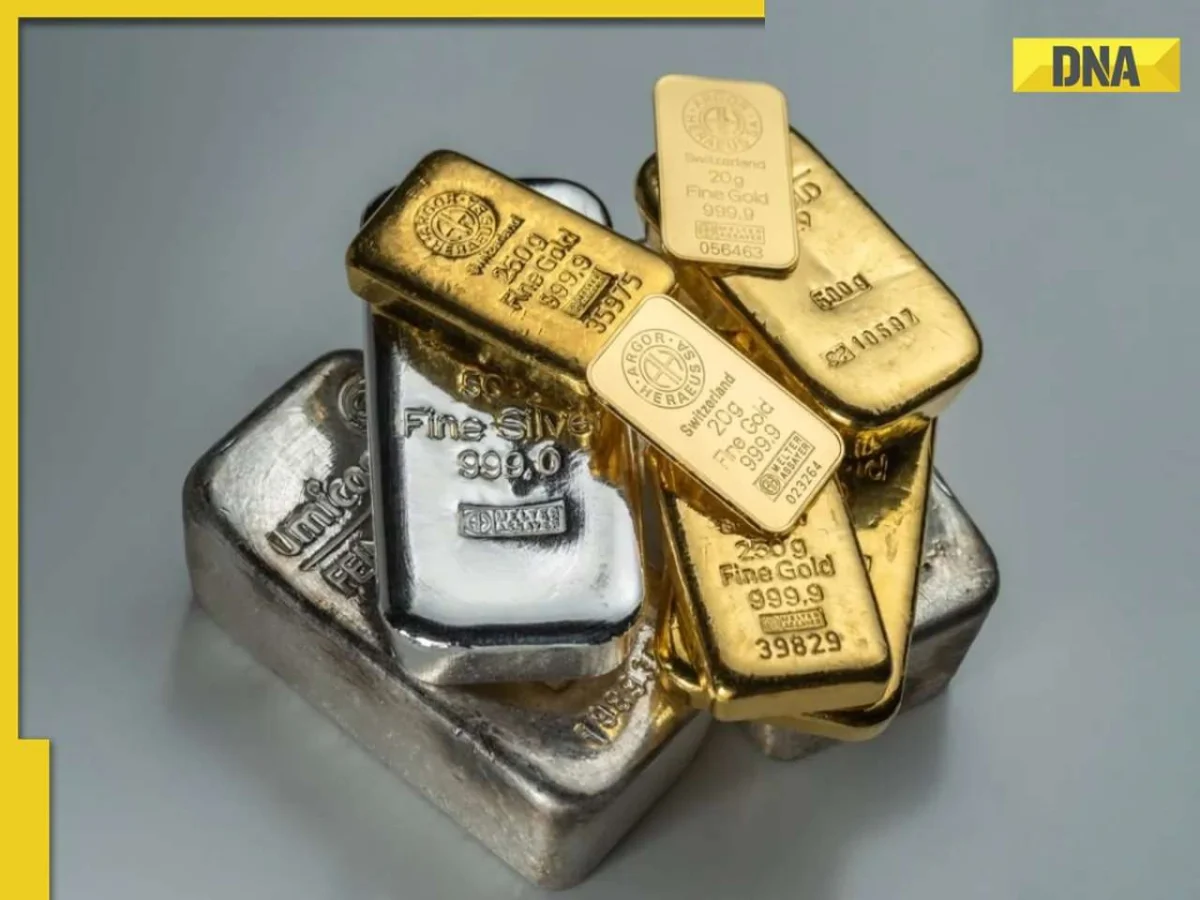
Precious Metals Continue Upward Trajectory as Investors Seek Safe Havens
New Delhi, India – May 17, 2026 – India’s vibrant bullion market is once again in the spotlight as gold and silver prices demonstrate a sustained upward trend. As of Saturday, May 17, 2026, both precious metals have witnessed a slight but significant rise, driven by a complex interplay of global economic uncertainties, persistent inflationary pressures, and resilient local demand. The burgeoning interest from investors seeking refuge from currency fluctuations and geopolitical tensions continues to underscore the enduring appeal of these traditional assets in the Indian financial landscape.
The benchmark price for 24K gold (999 purity) today stands at an average of Rs 15,693 per 1 gram across major Indian cities, while 22K gold, widely favored for jewellery, is priced at Rs 14,881 per 1 gram. Silver, often seen as gold’s more volatile counterpart, has also recorded robust figures, with 999 pure silver trading at approximately Rs 2,80,000 per kilogram. These figures reflect a market grappling with external influences while maintaining its characteristic domestic buoyancy, particularly as the nation anticipates upcoming festive and wedding seasons.
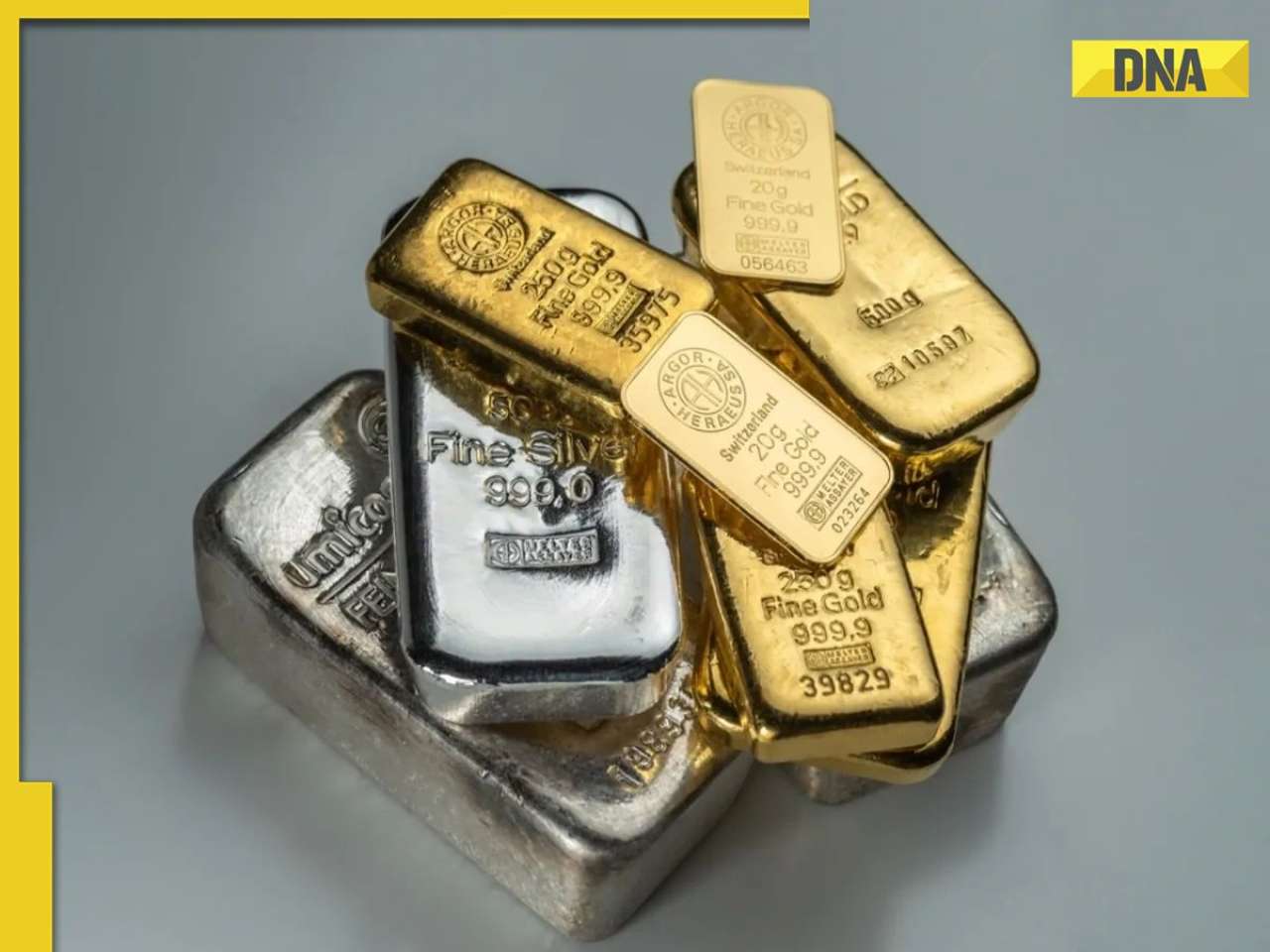
Main Facts: A Snapshot of Today’s Bullion Market
The Indian bullion market, a significant global player, continues to exhibit dynamic movements, reflecting both international commodity trends and intrinsic local factors. As of May 17, 2026, the key price points for gold and silver are as follows:
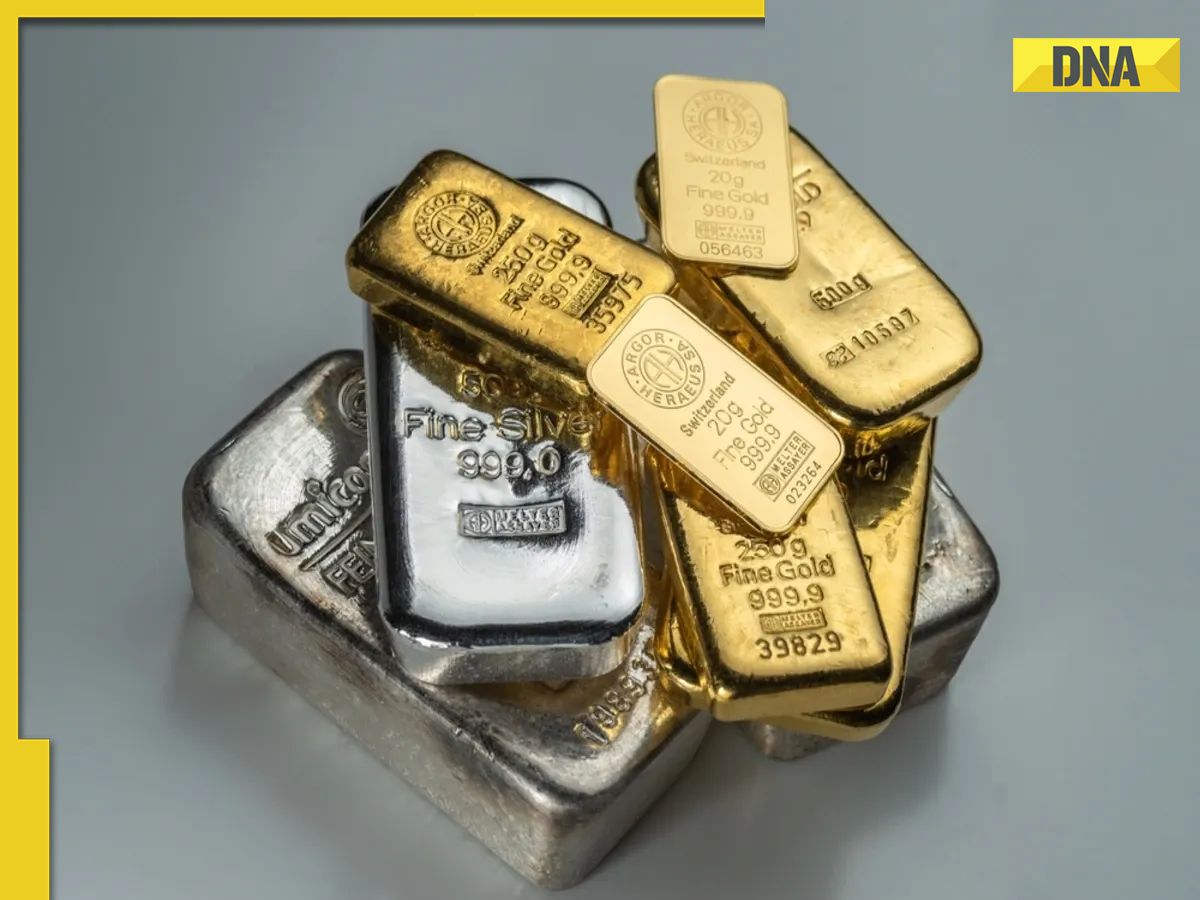
Gold Prices (May 17, 2026):
)
- 24K Gold (999 Purity):
- National Average: Rs 15,693 per 1 gram
- Delhi: Rs 15,708 per 1 gram
- Mumbai: Rs 15,693 per 1 gram
- Kolkata: Rs 15,693 per 1 gram
- Chennai: Rs 16,091 per 1 gram (notably higher due to regional demand and taxes)
- 22K Gold (91.67% Purity, Jewellery Standard):
- National Average: Rs 14,881 per 1 gram
- Delhi: Rs 14,440 per 1 gram
- Mumbai: Rs 14,385 per 1 gram
- Kolkata: Rs 14,385 per 1 gram
- Chennai: Rs 14,750 per 1 gram
Silver Prices (May 17, 2026):
- 999 Pure Silver:
- National Average: Rs 2,80,000 per 1 kilogram (equivalent to Rs 2,800 per 10 grams)
- Delhi: Rs 2,800 per 10 grams
- Mumbai: Rs 2,800 per 10 grams
- Kolkata: Rs 2,800 per 10 grams
- Chennai: Rs 2,800 per 10 grams
- 925 Sterling Silver:
- National Average: Rs 2,79,000 per 1 kilogram
The slight variance in gold prices across major Indian cities can be attributed to several factors, including state-specific taxes, transportation costs, and differing local demand patterns. Chennai, for instance, often observes higher gold prices due to its strong cultural affinity for gold jewellery and significant regional buying. Silver prices, while generally more uniform, still reflect the underlying forces of industrial demand and global supply chains.

Chronology: Tracing the Ascent of Precious Metals
The current price levels for gold and silver are not isolated figures but represent the culmination of a multi-year trajectory influenced by a series of global and domestic events. Over the past few years, precious metals have steadily gained prominence as reliable hedges against economic volatility and inflation.
A Look Back at 2024-2025:
The period between 2024 and 2025 saw significant shifts in global monetary policy, with central banks worldwide navigating the aftermath of unprecedented quantitative easing and subsequent inflationary pressures. Interest rate hikes by the US Federal Reserve, while initially putting downward pressure on gold by strengthening the dollar and increasing the opportunity cost of holding non-yielding assets, eventually led to a pivot. As concerns over a potential global recession mounted towards late 2024 and early 2025, investors flocked back to safe-haven assets. Geopolitical tensions, particularly in Eastern Europe and the Middle East, also provided a consistent tailwind for gold prices, elevating its status as a crisis commodity.
)
The First Quarter of 2026:
The start of 2026 continued this trend. Market sentiment was largely dominated by anticipation of potential interest rate cuts by major central banks, a move that typically supports gold prices. A weaker US Dollar Index (DXY) during this period made dollar-denominated gold more attractive to international buyers. Furthermore, India’s own robust economic growth, coupled with rising disposable incomes, contributed to a steady increase in domestic demand for both investment-grade bullion and jewellery. Silver, too, benefited from this renewed interest, with its dual role as an industrial metal seeing increased demand from the burgeoning green energy sector and electronics manufacturing.
Recent Weeks Leading to May 17, 2026:
In the weeks leading up to today, May 17, 2026, market analysts observed a slight consolidation followed by the current upward momentum. Persistent global inflationary figures, particularly from key economies, reignited fears of sustained price increases, prompting a fresh wave of investment into gold as an inflation hedge. The rupee’s relatively stable, albeit slightly depreciating, stance against the US dollar also contributed to higher domestic prices for imported gold and silver. The approach of India’s summer wedding season and the commencement of advance bookings for major festivals have also begun to exert upward pressure on local demand, a perennial factor in the Indian bullion market.
)
Supporting Data: Unpacking the Drivers of Price Dynamics
The current pricing structure of gold and silver in India is a microcosm of intricate global and local economic forces. A deeper dive into these influencing factors provides clarity on the market’s behavior.
Global Economic Headwinds and Inflationary Pressures
One of the primary catalysts for the recent surge in precious metals is the prevailing global economic environment. Despite efforts by central banks to tame inflation, persistent supply chain disruptions, elevated energy costs, and robust consumer spending in certain sectors have kept inflationary pressures stubbornly high. Gold, traditionally revered as a hedge against inflation, thrives in such conditions as investors seek to preserve purchasing power. "When real interest rates are low or negative, the appeal of non-yielding assets like gold significantly increases," explains Dr. Ananya Sharma, a Senior Economist at the National Institute of Financial Research. "The current global scenario, marked by moderate growth and lingering inflation, perfectly sets the stage for gold’s continued outperformance."
)
The US Dollar and International Gold Prices
The international price of gold, predominantly denominated in US dollars, plays a crucial role. A weaker US dollar makes gold cheaper for holders of other currencies, thereby boosting global demand. Conversely, a stronger dollar tends to make gold more expensive. In recent times, the US Dollar Index (DXY) has experienced periods of fluctuation, but a general trend of cautious weakening, partly due to expectations of future Fed rate cuts or concerns over the US fiscal deficit, has provided support for gold. Indian gold prices, which are a derivative of the international spot price adjusted for the USD-INR exchange rate, directly reflect these movements. A depreciating Indian Rupee, even if marginal, effectively makes gold imports more expensive in local currency terms, pushing up domestic prices.
Robust Domestic Demand: The Indian Imperative
India’s cultural and economic relationship with gold is unparalleled. Gold is not merely a commodity; it is an intrinsic part of religious ceremonies, weddings, festivals, and a traditional store of wealth passed down through generations.
)
- Festive and Wedding Seasons: The period leading up to and including the summer wedding season and subsequent major festivals like Diwali and Akshaya Tritiya are historically periods of heightened demand. Families invest in gold jewellery for auspicious occasions and as gifts, creating a significant demand-side push. Retail jewellers report steady footfall, indicating sustained consumer confidence in gold as an investment.
- Investment Demand: Beyond cultural consumption, Indian households and institutional investors view gold as a long-term investment. In times of economic uncertainty, small-scale investors often shift funds into physical gold or gold-backed financial instruments like Gold ETFs and Sovereign Gold Bonds, further bolstering demand.
The Dual Role of Silver: Industrial and Investment Demand
Silver’s price dynamics are influenced by its unique dual identity as both a precious metal and an industrial commodity.
- Industrial Demand: A significant portion of global silver production is consumed by industries. Its excellent electrical and thermal conductivity makes it indispensable in electronics (smartphones, computers), solar panels, medical devices, and automotive manufacturing. The global push towards green energy and technological advancements, particularly in electric vehicles and renewable energy infrastructure, has amplified industrial demand for silver. This sector-specific demand provides a floor for silver prices and often triggers upward movements during periods of industrial expansion.
- Investment Demand: Like gold, silver is also considered a safe-haven asset and an inflation hedge, albeit with higher volatility. Investors often turn to silver coins and bars during economic uncertainty, viewing it as a more affordable entry point into the precious metals market compared to gold.
Purity Standards and Pricing Nomenclature
Understanding the purity standards is crucial for consumers and investors:
)
- 24K Gold (999 Purity): This represents 99.9% pure gold, the highest form of gold available, primarily used for investment in coins and bars.
- 22K Gold (91.67% Purity): This contains 91.67% pure gold mixed with other metals like copper or silver to increase its durability, making it ideal for crafting intricate jewellery. The remaining percentage accounts for alloys.
- Silver 999: This signifies 99.9% pure silver, typically used for investment-grade bars and coins.
- Silver 925 (Sterling Silver): This is 92.5% pure silver, with the remaining 7.5% usually copper, making it stronger and more suitable for jewellery and decorative items.
The price differential between 24K and 22K gold, and similarly between 999 and 925 silver, reflects the pure metal content.
Official Responses: Expert Insights and Industry Perspectives
The current surge in precious metal prices has elicited varied responses from market analysts, industry bodies, and financial institutions, all attempting to decipher the trajectory and implications of these movements.
)
"The current gold price surge is fundamentally driven by a confluence of global macroeconomic factors," states Mr. Rajesh Kumar, Head of Commodities Research at Quantum Wealth Management. "Persistent global inflation, coupled with a cautious stance from central banks regarding future rate cuts, has reinforced gold’s appeal as a store of value. We are seeing institutional investors increasing their allocations to gold, viewing it as an essential portfolio diversifier in these uncertain times." Kumar further predicts that gold could maintain its upward momentum through the latter half of 2026, especially if geopolitical tensions persist and major economies face further headwinds.
The India Bullion and Jewellers Association (IBJA) echoes sentiments of strong domestic demand. "Despite the higher price points, consumer demand for gold jewellery and investment products remains robust," noted Mr. Surendra Mehta, National Secretary of IBJA. "The cultural significance of gold in India ensures a steady baseline demand, which then gets amplified during festive and wedding seasons. Jewellers are adapting by offering lighter weight designs and flexible purchasing schemes to cater to various consumer segments." Mehta also highlighted the increasing trend of digital gold purchases and Gold ETFs, indicating a modernization of India’s gold market.
)
Regarding silver, industry experts point to its increasing strategic importance. "Silver’s dual nature makes it particularly compelling," says Ms. Priya Singh, a metals analyst at Capital Insights. "While it benefits from safe-haven demand alongside gold, its significant industrial applications, especially in the burgeoning solar energy and electric vehicle sectors, provide a unique demand driver. Governments globally are pushing for renewable energy, and silver is a critical component in this transition. This industrial demand component provides a robust floor for silver prices and has the potential for significant upside in the long term, making it an attractive option for growth-oriented investors."
The Reserve Bank of India (RBI) has been closely monitoring global commodity price movements, including bullion, given their potential impact on India’s current account deficit and inflation outlook. While the RBI typically does not comment on daily price fluctuations, its overall monetary policy stance – particularly concerning interest rates and foreign exchange management – indirectly influences domestic gold and silver prices. Any future changes in import duties on precious metals, a tool previously used by the government to manage demand and stem imports, could also significantly alter the price landscape.
)
Implications: What the Price Surge Means for Stakeholders
The escalating prices of gold and silver carry significant implications for various stakeholders, from individual consumers and investors to the broader Indian economy and the jewellery industry.
For Consumers and Households:
- Increased Cost of Jewellery: For families planning weddings or festive purchases, the higher prices mean a larger outlay for gold and silver jewellery. This might lead to a shift towards purchasing lighter weight items, opting for alternative metals, or postponing purchases in hopes of a price correction.
- Value of Existing Holdings: Conversely, households holding physical gold and silver as part of their ancestral wealth or previous investments will see the value of their assets appreciate. This provides a sense of financial security, especially during uncertain economic times.
- Savings and Investment Decisions: Consumers looking to invest in precious metals face a dilemma: buy now before prices rise further, or wait for a potential dip? Financial advisors often recommend a staggered approach (Dollar-Cost Averaging) for long-term investments.
For Investors:
- Safe-Haven Appeal: Gold and silver reinforce their role as safe-haven assets, attracting investors seeking to protect their capital from market volatility and currency depreciation. This is particularly relevant for those looking to diversify their portfolios beyond traditional equities and bonds.
- Portfolio Diversification: The current market conditions underscore the importance of portfolio diversification. Precious metals offer a counterbalance to other asset classes, potentially cushioning losses during economic downturns.
- Opportunities in Digital Gold and ETFs: The rise in physical prices often translates into increased interest in digital gold platforms, Gold ETFs, and Sovereign Gold Bonds (SGBs), which offer convenient and secure ways to invest in gold without the hassles of physical storage. These instruments have gained popularity for their liquidity and cost-effectiveness.
For the Jewellery Industry:
- Pricing Challenges: Jewellers face the challenge of managing inventory and pricing in a volatile market. Higher raw material costs can impact profit margins if not effectively passed on to consumers.
- Design Innovations: To maintain sales volumes, many jewellers are focusing on innovative designs that use less gold while retaining aesthetic appeal, or promoting studded jewellery where the value is distributed across gold and gemstones.
- Consumer Behaviour Shift: The industry might observe a shift in consumer preferences towards 22K gold over 24K for jewellery, or an increased demand for silver ornaments in regions where it is culturally prevalent, especially if gold prices remain prohibitively high for some segments.
For the Indian Economy:
- Import Bill: India is a major importer of gold. Higher global and domestic prices, coupled with sustained demand, can inflate the country’s import bill, potentially widening the current account deficit and putting pressure on the Indian Rupee.
- Inflationary Impact: As gold is often considered a proxy for wealth and a hedge against inflation, its rising price can also contribute to inflationary expectations within the economy, even if indirectly.
- Impact on Savings: For a nation with a high savings rate, a significant portion of which is traditionally held in gold, the appreciation of this asset class has a broad impact on household wealth.
Future Outlook: Navigating the Uncertain Terrain
Looking ahead, several factors will continue to shape the trajectory of gold and silver prices:
)
- Global Monetary Policy: Decisions by major central banks, particularly the US Federal Reserve, regarding interest rates will be paramount. Any indication of aggressive rate cuts could significantly boost gold prices.
- Geopolitical Stability: The ongoing geopolitical landscape remains a critical determinant. Any escalation of conflicts or new global crises would likely reinforce gold’s safe-haven appeal.
- Economic Data: Upcoming inflation reports, GDP growth figures, and employment data from key economies will provide further clues about the health of the global economy and its impact on precious metals.
- Indian Monsoons and Agricultural Output: A good monsoon and robust agricultural output in India often translate into higher rural incomes, which historically correlates with increased gold demand in rural areas.
- Technological Advancements: For silver, continued advancements in green technologies and electronics will be crucial for sustaining industrial demand.
- Regulatory Changes: Any potential changes in import duties, GST rates, or other regulations concerning precious metals by the Indian government could swiftly alter market dynamics.
While the current upward trend brings cheer to investors and those holding existing bullion, it also presents a complex environment for new buyers and the jewellery industry. The prudent approach for all stakeholders involves staying informed, understanding market fundamentals, and making decisions aligned with long-term financial goals amidst the glittering allure of gold and silver.
