

PERSONAL FINANCE
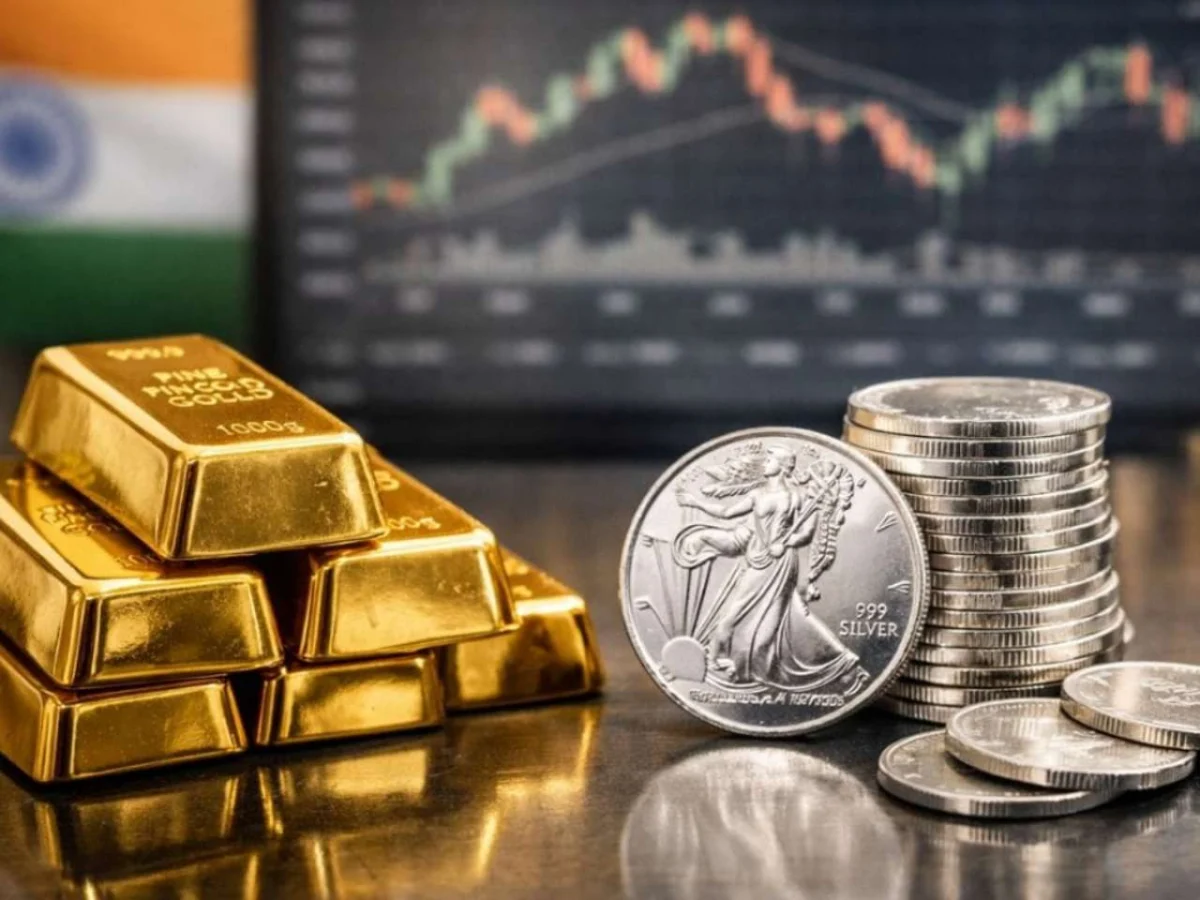
Mumbai, India – August 14, 2026 – India’s enduring fascination with gold and silver continues to drive a dynamic precious metals market, one profoundly influenced by a complex interplay of global economic currents, domestic cultural demand, and fluctuating currency valuations. As of today, August 14, 2026, both gold and silver have registered a notable uptick, signalling resilience amidst a volatile global landscape and underscoring their perennial appeal as both adornment and investment.
The current market sentiment reflects a cautious optimism, with investors and consumers alike closely monitoring international developments and local economic indicators. The slight but significant increase in prices for both commodities is a testament to their intrinsic value, especially in a nation where precious metals are deeply woven into the fabric of society, from ceremonial rituals to critical financial hedges.
Main Facts: Precious Metals Market Snapshot Today
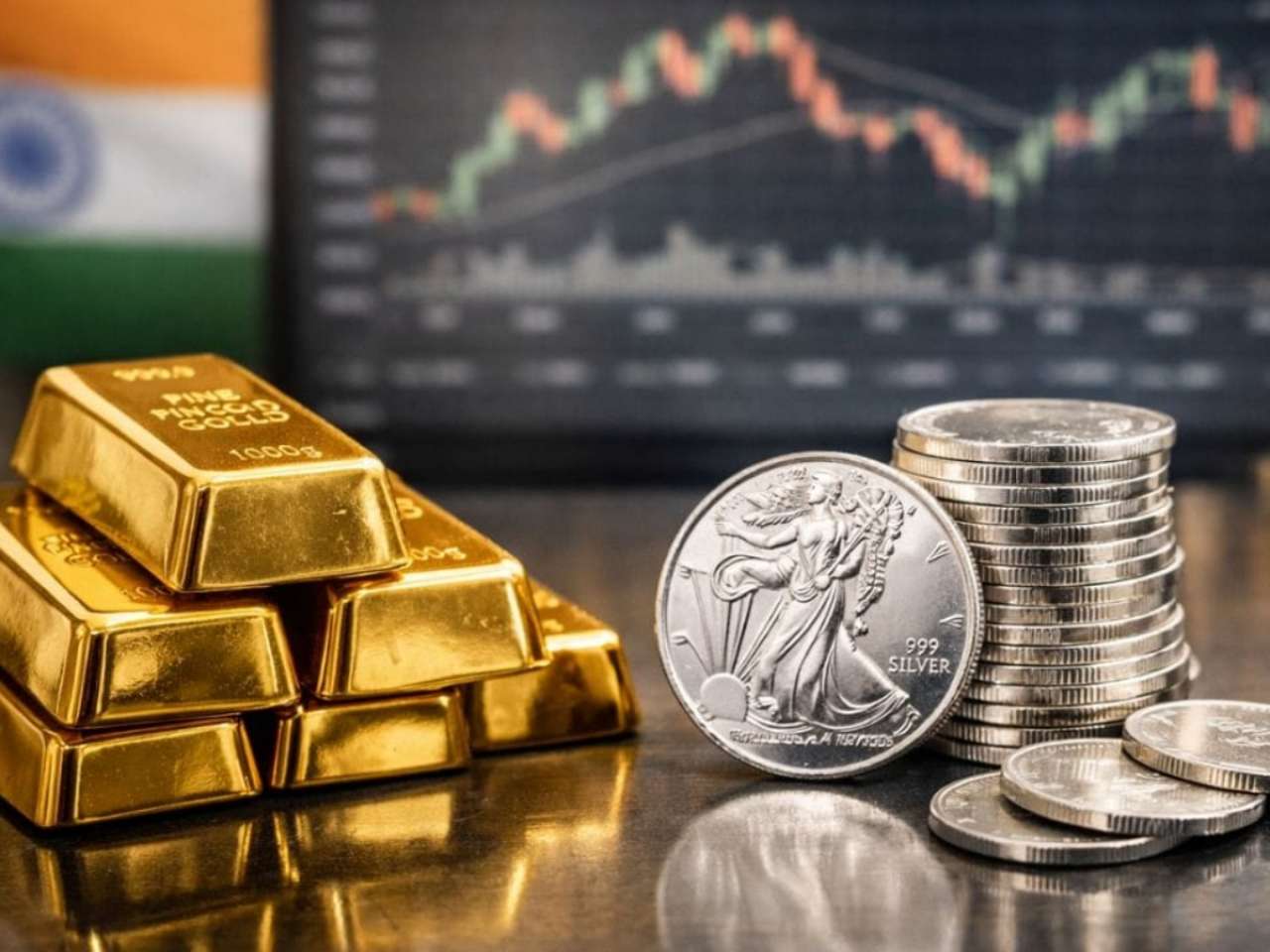
The Indian precious metals market opened on August 14, 2026, with a positive sentiment, reflecting an upward trajectory for both gold and silver. This increase is primarily attributed to a confluence of global demand-side pressures, persistent inflationary concerns across major economies, and the strategic positioning of these metals as safe-haven assets.
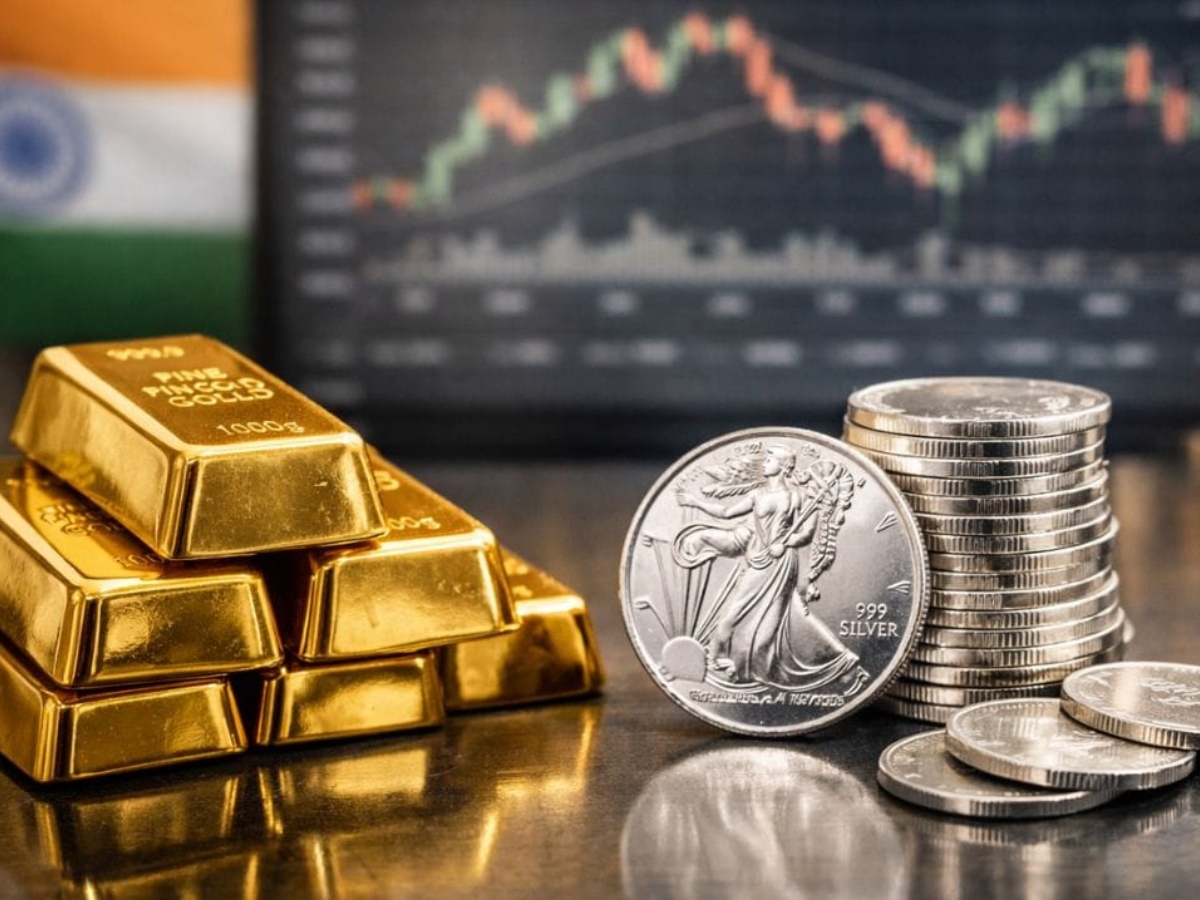
For gold, the benchmark 24-carat (999 pure gold) is currently trading at an average of Rs 15,487 per gram across major Indian cities. Its widely preferred counterpart for jewellery, 22-carat gold (91.67% pure), is priced at an average of Rs 14,196 per gram. These figures represent a marginal but consistent climb, signalling robust investor interest and steady consumer confidence ahead of India’s impending festive season.
Silver, often considered the ‘poor man’s gold’ but increasingly valued for its industrial applications, has also seen a healthy appreciation. The price of 999 pure silver (fine silver) stands at approximately Rs 2,54,900 per kilogram, or Rs 2,549 per 10 grams. Sterling silver (925 purity) is valued at Rs 2,54,000 per kilogram. The surge in silver prices highlights its dual role: a traditional investment vehicle and a critical industrial commodity driven by demand in sectors like renewable energy and electronics.
)
The market’s current performance underscores the strategic importance of precious metals in Indian households and investment portfolios. While global factors set the broad trend, local dynamics, including cultural significance, festival-driven buying sprees, and the Rupee’s performance against the US Dollar, significantly refine the daily price points for millions of Indian consumers and investors. This intricate dance of global supply-demand and domestic sentiment makes the Indian precious metals market a fascinating barometer of economic health and cultural traditions.
Chronology: A Trajectory of Resilience and Volatility
The journey of gold and silver prices leading up to August 14, 2026, has been characterized by periods of both steady ascent and sharp corrections, largely mirroring the ebb and flow of global macroeconomic sentiment and geopolitical developments. The past few months, in particular, have painted a picture of precious metals reasserting their traditional roles amidst persistent uncertainties.
Early 2026: Inflationary Concerns and Safe-Haven Demand
The year 2026 began with a continuation of inflationary pressures that had been building since late 2025. Major central banks, including the US Federal Reserve and the European Central Bank, continued to grapple with balancing economic growth and price stability. This environment typically bolsters gold’s appeal as a hedge against inflation. Throughout January and February, gold prices saw a gradual but consistent rise, driven by institutional investors seeking safe havens amidst concerns over potential global economic slowdowns and continued currency debasement. Silver, with its significant industrial demand, also benefited from a general uptick in global manufacturing data, albeit with greater volatility due to its cyclical nature.

Spring 2026: Geopolitical Tensions and Market Jitters
March and April witnessed a renewed surge in geopolitical tensions in Eastern Europe and parts of the Middle East. Such events historically send ripples through financial markets, prompting a flight to safety. Gold, in particular, experienced sharp spikes as investors divested from riskier assets like equities. The US Dollar’s strength during these periods provided some counter-pressure, but the overriding sentiment was one of caution, pushing gold towards higher resistance levels. Silver also saw increased interest, particularly as supply chain disruptions in key mining regions were anticipated, further tightening its availability.
Summer Lull and Pre-Festive Accumulation (May-July 2026)
As the peak of geopolitical anxieties subsided somewhat in May and June, precious metal markets entered a period of consolidation. Gold prices stabilized, occasionally pulling back as central banks signaled a hawkish stance to combat inflation. However, these pullbacks were often met with robust buying interest, especially from Asian markets. In India, the period from May to July is traditionally a time of strategic accumulation for consumers and jewellers ahead of the major festive and wedding seasons that commence in late summer and autumn. This domestic demand provided a strong floor for prices, preventing any significant downward spirals. Reports from the World Gold Council and local jewellery associations indicated a healthy uptake, particularly for smaller denominations of gold and silver coins, reflecting retail investor confidence.
August 2026: The Current Upswing
The recent weeks leading up to August 14 have seen a renewed positive momentum. This latest upswing can be attributed to several factors:
)
- Renewed Inflationary Data: Fresh economic reports indicating persistent inflationary trends in key global economies have once again positioned gold as an attractive inflation hedge.
- Currency Weakness: A slight weakening of the US Dollar against a basket of major currencies has made dollar-denominated gold more affordable for international buyers, consequently increasing demand.
- Anticipation of Indian Festivals: The imminent arrival of major Indian festivals like Ganesh Chaturthi, followed by Diwali and the wedding season, has significantly boosted domestic demand. Jewellers are restocking, and consumers are making purchases, contributing to the current positive price pressure.
- Industrial Demand for Silver: Strong performance in the solar energy sector and ongoing expansion in electric vehicle manufacturing have amplified industrial demand for silver, propelling its price upward.
This chronological overview illustrates that the current prices on August 14, 2026, are not isolated figures but rather a culmination of sustained global economic pressures, geopolitical undercurrents, and the deeply ingrained cultural and investment habits within India. The market demonstrates a mature response to both external shocks and internal demand drivers, reinforcing the enduring value proposition of gold and silver.
Supporting Data: Decoding the Drivers of Precious Metal Prices
The prices of gold and silver in India are not merely numbers; they are intricate reflections of a sophisticated global and local ecosystem. Several pivotal factors converge to determine their daily valuations, creating a dynamic environment for investors and consumers.
H3: Global Market Trends: The Dominant Influencer
At the forefront of price determination are global market trends. The international price of gold, typically benchmarked in US Dollars per troy ounce, is the primary driver.
)
- US Federal Reserve Policy: Decisions by the US Federal Reserve on interest rates and quantitative easing/tightening profoundly impact the Dollar’s strength and investor sentiment. Higher interest rates typically strengthen the Dollar and make non-yielding assets like gold less attractive, and vice-versa. However, in an inflationary environment, even with rising rates, gold’s appeal as a store of value can persist.
- Geopolitical Stability: Global conflicts, political instability, or major international crises often trigger a ‘flight to safety,’ with investors flocking to gold. Events in regions like the Middle East or Eastern Europe in recent years have repeatedly demonstrated this correlation.
- Economic Growth Indicators: Reports on global GDP growth, manufacturing output (especially for silver’s industrial uses), and employment figures influence market confidence. A robust global economy can boost industrial demand for silver, while concerns about recession can enhance gold’s safe-haven appeal.
- Inflationary Pressures: Gold is a classic hedge against inflation. When the purchasing power of fiat currencies erodes, investors turn to tangible assets. The sustained inflationary environment observed globally throughout 2025 and 2026 has been a significant tailwind for gold prices.
H3: Local Demand: India’s Unique Influence
India’s domestic demand plays an unparalleled role in shaping local prices, often creating premiums over international rates.
- Cultural Significance: Gold is not just an investment in India; it’s a cultural cornerstone. It is central to weddings, religious festivals like Diwali, Akshaya Tritiya, and Durga Puja, and is often given as gifts and passed down through generations. This deep-rooted cultural affinity ensures a consistent baseline demand regardless of minor price fluctuations.
- Wedding Season: India’s extensive wedding season, spanning multiple months, is a colossal driver of gold and silver jewellery demand. Families save for years to purchase gold for brides, making this a predictable surge period.
- Investment Habits: Beyond jewellery, many Indians view gold as a traditional form of savings and wealth preservation, especially in rural areas where access to formal banking might be limited. Gold coins and bars are popular investment choices.
- Seasonal Buying: Specific festivals are auspicious for buying gold, leading to concentrated periods of high demand that can influence local pricing.
H3: Changing Currency Rates: The USD-INR Equation
The exchange rate between the US Dollar and the Indian Rupee (USD-INR) is a critical determinant for prices in India, given that a significant portion of gold and silver is imported.
- When the Rupee weakens against the Dollar, importing gold becomes more expensive in Rupee terms, pushing up local prices. Conversely, a stronger Rupee makes imports cheaper, potentially leading to a price decrease.
- Even if the international dollar price of gold remains constant, a fluctuation in the USD-INR rate can directly impact the cost for Indian consumers.
H3: Inflationary Pressures and Monetary Policy
The current slight increase in gold prices, as highlighted in the main facts, is explicitly linked to global demand and inflationary pressures. As central banks worldwide continue to navigate complex monetary policies, the perception of inflation as a persistent threat makes gold an attractive asset. It offers a tangible store of value when confidence in fiat currencies or other financial instruments wavers.
)
H3: Industrial Demand for Silver
Unlike gold, silver boasts significant industrial applications, which account for over 50% of its global demand.
- Electronics: Silver’s high electrical conductivity makes it indispensable in electronics, including smartphones, computers, and various electrical components.
- Solar Panels: The booming renewable energy sector, particularly solar photovoltaics, is a major consumer of silver, utilizing it in solar cells.
- Automotive Industry: Silver is used in various automotive components, especially in the growing electric vehicle (EV) market.
- Medical and Photography: Its antimicrobial properties find use in medical applications, and it remains essential in traditional photography.
Fluctuations in global manufacturing output and technological advancements directly impact silver’s industrial demand and, consequently, its price.
H3: City-wise Price Breakdown: Nuances Across the Nation
The city-wise prices reflect subtle regional variations influenced by local supply chains, transportation costs, and specific local demand patterns.
-
Gold Prices on August 14, 2026 (per gram):
)
- Delhi: 24K: Rs 15,502; 22K: Rs 14,211
- Mumbai: 24K: Rs 15,487; 22K: Rs 14,196
- Kolkata: 24K: Rs 15,487; 22K: Rs 14,196
- Chennai: 24K: Rs 15,492; 22K: Rs 14,201
- Analysis: Delhi consistently shows a slightly higher premium for gold, possibly due to its status as a major trading hub and higher logistical costs for distribution to the northern regions. Mumbai and Kolkata often align closely with the national average, while Chennai, a significant jewellery manufacturing and consumption center, also exhibits unique pricing dynamics.
-
Silver Prices on August 14, 2026 (per 10 grams of 999 pure silver):
- Delhi: Rs 2,549
- Mumbai: Rs 2,549
- Kolkata: Rs 2,549
- Chennai: Rs 2,599
- Analysis: Chennai’s higher silver price is particularly noteworthy. This could be attributed to stronger regional demand for silver ornaments and industrial applications in South India, or specific local taxes and transportation costs.
This detailed breakdown reveals that while global macroeconomic forces cast a long shadow, local nuances and logistical considerations are equally critical in shaping the final prices that Indian consumers encounter at the jeweller’s counter.
Official Responses: Expert Insights and Market Commentary
The current uptick in gold and silver prices on August 14, 2026, has drawn commentary from leading market analysts, jewellers’ associations, and economists, who offer varied perspectives on the underlying dynamics and future outlook.
)
Mr. Alok Sharma, a Senior Commodities Analyst at FinCorp India, commented on the resilience of precious metals. "The slight increase we’re observing today for both gold and silver is indicative of a market that is not just reacting to inflation, but actively seeking stability amidst ongoing global uncertainties. Gold continues to be the preferred safe haven, while silver benefits from both its monetary history and its growing indispensability in modern industrial applications, particularly green technologies."
Regarding the domestic demand, Ms. Kavita Singh, President of the All India Jewellers & Gem Dealers Association (AIJGDA), expressed optimism. "We are seeing healthy pre-festive buying across the country. Consumers are strategically purchasing ahead of Ganesh Chaturthi and the full swing of the wedding season. This consistent local demand, coupled with global cues, provides a strong support level for prices. While prices have risen, they remain within a range that consumers find acceptable for their traditional purchases and investment needs." She also highlighted the government’s role, "Stable import duties and GST rates on precious metals have helped in maintaining market transparency and discouraging illicit trade, which is crucial for healthy price discovery."
Economist Dr. Rohan Mehta, from the Institute for Economic Studies, emphasized the role of the Rupee. "The marginal weakening of the Indian Rupee against the US Dollar in recent weeks has certainly played a part in making imported gold and silver marginally more expensive in local currency terms. This is a fundamental factor that often goes unnoticed by the average consumer but is critical for traders and large-scale importers. We anticipate that if global interest rate differentials widen, the Rupee could face further pressure, potentially translating to higher domestic prices for precious metals."
)
On the investment front, Mr. Vivek Jain, Head of Wealth Management at Zenith Capital, advised caution but acknowledged the enduring appeal. "For long-term investors, gold and silver continue to offer portfolio diversification benefits. Their low correlation with traditional asset classes like equities provides a hedge against market volatility. However, short-term traders should remain vigilant to global macroeconomic data releases and central bank pronouncements, which can trigger swift price movements." He also pointed towards the burgeoning digital gold and silver investment platforms, noting, "These platforms are democratizing access to precious metals, allowing even small investors to participate without the complexities of physical storage, thereby adding another layer of demand to the market."
These expert opinions collectively suggest that the current price movements are a nuanced response to both global macroeconomic forces and India’s unique demand characteristics. While the underlying factors appear robust, stakeholders remain watchful of future policy shifts and economic indicators.
Implications: Far-Reaching Effects of Precious Metal Movements
The daily fluctuations in gold and silver prices, while seemingly minor, carry significant implications across various segments of the Indian economy and society. From household budgets to national trade balances, the ripples of these movements are far-reaching.
)
H3: For Consumers and Households:
- Affordability of Jewellery: Higher prices directly impact the affordability of gold and silver jewellery, which are integral to Indian culture, especially for weddings and festivals. Families might opt for lighter pieces, lower caratage gold, or shift towards silver if gold becomes prohibitively expensive.
- Investment Decisions: For millions of Indian households, gold is a primary form of savings and investment. Rising prices can enhance the value of existing holdings but make fresh purchases more costly. Conversely, price dips often stimulate buying, seen as an opportunity to accumulate wealth.
- Sentimental Value vs. Financial Prudence: Consumers often balance the sentimental and cultural value of precious metals with the practicalities of financial outlay, making purchasing decisions complex during volatile periods.
H3: For Investors and Traders:
- Safe-Haven Appeal: The continued strength of gold reinforces its role as a safe-haven asset, attracting investors seeking to protect their wealth during times of economic uncertainty, geopolitical tension, or inflation.
- Portfolio Diversification: Gold and silver offer diversification benefits, as their price movements often run counter to or are uncorrelated with other asset classes like stocks and bonds. This helps in risk mitigation for institutional and retail portfolios.
- Commodity Market Activity: Higher prices stimulate trading activity on commodity exchanges, attracting both speculative and hedging interest from various market participants.
H3: For Jewellers and the Industry:
)
- Inventory Management: Jewellers face challenges in managing inventory. Rising prices increase the cost of holding stock, while falling prices can lead to inventory valuation losses. They must carefully balance procurement with anticipated demand.
- Design and Innovation: To cater to budget-conscious consumers during high-price periods, jewellers often innovate with lighter designs, intricate craftsmanship using less metal, or focus on studded jewellery where diamonds or gemstones form the bulk of the value.
- Profit Margins: Volatile prices can impact profit margins, especially for smaller jewellers who might have less hedging capability compared to larger chains.
H3: For the Indian Economy:
- Balance of Payments: As a major importer of gold and silver, India’s trade balance is significantly affected by their prices. Higher international prices and increased import volumes can widen the current account deficit, impacting the Rupee’s stability.
- Impact on Savings: Gold is a significant component of household savings in India. Price appreciation can contribute to household wealth, while depreciation can erode it, influencing overall consumer sentiment and spending patterns.
- Government Policies: The government closely monitors precious metal prices and trade, sometimes adjusting import duties to manage demand and curb illicit trade. Any significant price disparity between domestic and international markets can encourage smuggling.
- Monetary Policy: The Reserve Bank of India (RBI) observes gold prices as an indicator of inflationary expectations and global economic health, which can subtly influence its monetary policy decisions.
H3: Future Outlook:
Looking ahead, the trajectory of gold and silver prices will likely remain sensitive to global central bank policies, particularly regarding inflation control and interest rates. Any shifts in geopolitical stability, especially in major commodity-producing regions or consumption hubs, will also be critical. Domestically, the onset of the festive and wedding seasons is expected to sustain robust demand, providing a floor for prices. However, the strength of the Indian Rupee against the US Dollar will continue to be a crucial variable, potentially dictating whether international price movements translate into higher or more stable domestic costs for these cherished metals. The increasing industrial application of silver, particularly in the burgeoning green energy sector, positions it for potentially higher demand growth than gold in the medium to long term, though gold’s safe-haven status is unlikely to diminish.
In conclusion, the current prices of gold and silver on August 14, 2026, are a snapshot of a market in constant flux, balancing ancient traditions with modern economic realities. Their continued importance in India underscores not just their monetary value, but their enduring cultural resonance and strategic significance in a world seeking tangible security.
)
Find your daily dose of All Latest News including Sports News, Entertainment News, Lifestyle News, explainers & more. Stay updated, Stay informed- Follow DNA on WhatsApp.
