

BUSINESS
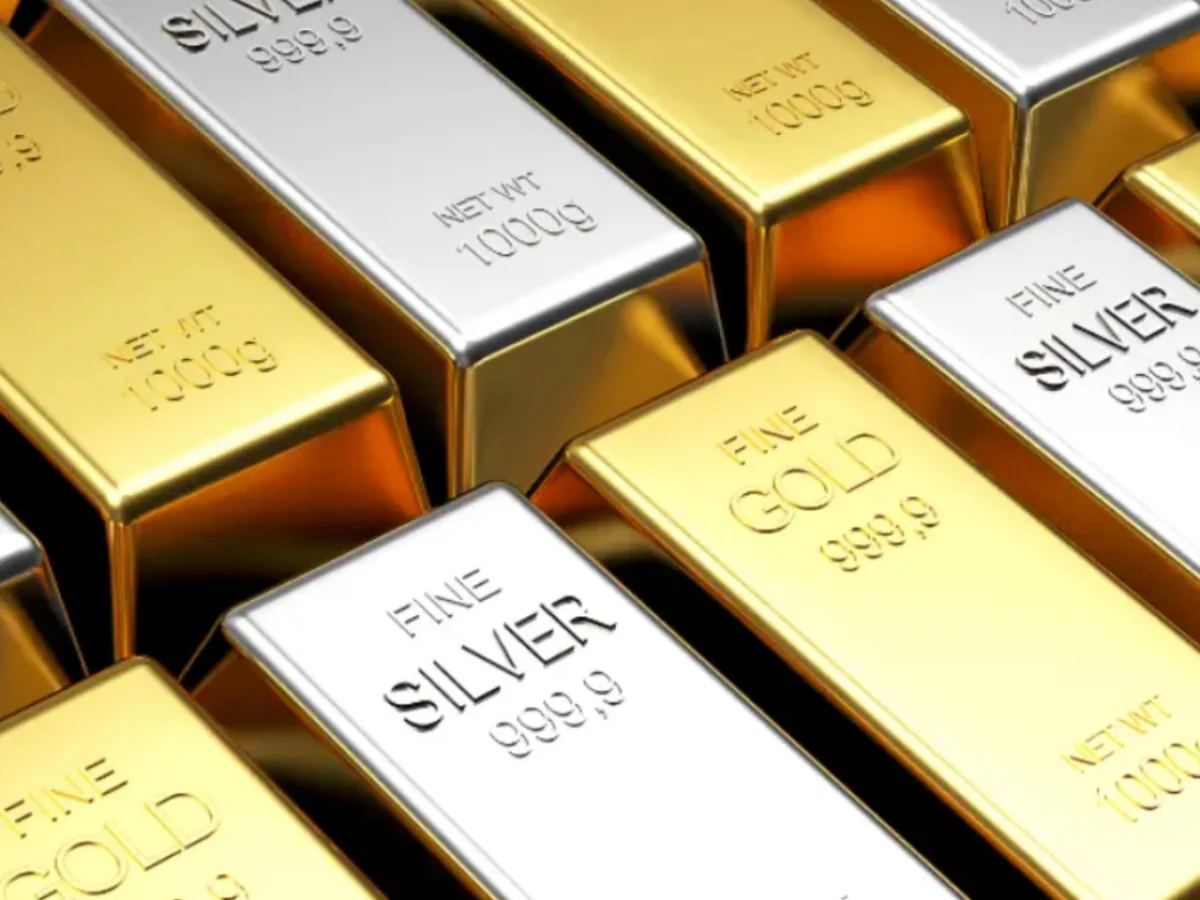
NEW DELHI, INDIA – July 24, 2026 – India’s vibrant bullion market is experiencing a significant uplift today, with gold and silver prices demonstrating a notable ascent influenced by a complex interplay of global economic shifts, sustained domestic demand, and fluctuating currency dynamics. As of July 24, 2026, the precious metals sector reflects a cautious optimism among investors and consumers alike, navigating a landscape marked by both opportunities and uncertainties.
The allure of gold, often considered a safe-haven asset, has once again been reaffirmed, with prices experiencing a slight but steady increase across major Indian cities. Similarly, silver, a metal with dual appeal for both investment and industrial applications, continues to command strong interest, maintaining its robust pricing trajectory. This detailed analysis delves into the current market scenario, dissecting the factors driving these trends and offering insights into the broader implications for the Indian economy and its vast consumer base.
Navigating the Current Landscape: Key Price Points on July 24, 2026
The bullion market on July 24, 2026, presents a dynamic picture, with city-specific variations reflecting local demand patterns, logistical costs, and regional taxation structures. These nuances are crucial for both investors making strategic decisions and consumers planning their purchases.
Gold Prices on July 24, 2026: A City-Wise Snapshot
As of today, gold prices in India have experienced a slight increase, propelled by persistent global demand and underlying inflationary pressures that have been simmering in major economies. The benchmark price for 24-carat gold (999 pure gold) and 22-carat gold (commonly used for jewellery, containing 91.67% pure gold) showcases this upward momentum.
)
| City | 24K Gold (999 Pure) per gram | 22K Gold (916 Hallmarked) per gram |
|---|---|---|
| Delhi | Rs 14,632 | Rs 13,414 |
| Mumbai | Rs 14,617 | Rs 13,399 |
| Kolkata | Rs 14,617 | Rs 13,399 |
| Chennai | Rs 14,729 | Rs 13,501 |
Source: Good Returns
Silver Prices on July 24, 2026: Purity and Regional Variations
Silver, often referred to as the "poor man’s gold," has also demonstrated resilience, buoyed by its growing industrial utility and continued investor interest. The metal remains a popular choice for both investment and ornamental purposes, particularly in regions where silver ornaments hold significant cultural value.

| City | Silver 999 (per 10 grams) | Silver 999 (per kilogram) | Silver 925 (per kilogram) |
|---|---|---|---|
| Delhi | Rs 2,399 | Rs 2,39,900 | Rs 2,39,000 |
| Mumbai | Rs 2,399 | Rs 2,39,900 | Rs 2,39,000 |
| Kolkata | Rs 2,399 | Rs 2,39,900 | Rs 2,39,000 |
| Chennai | Rs 2,449 | Rs 2,44,900 | Rs 2,44,000 |
Note: Silver 999 (fine silver) and Silver 925 (sterling silver) are priced differently based on purity.
The subtle differences in prices across cities like Chennai (consistently higher for both gold and silver) can be attributed to factors such as local taxes, transportation costs, and specific regional demand spikes often tied to cultural events or investment patterns unique to South India. Mumbai and Kolkata, as major trading hubs, often exhibit similar pricing structures, reflecting efficient market mechanisms.
A Chronology of Influence: Tracing the Path to July 2026
The current prices of gold and silver on July 24, 2026, are not isolated figures but rather the culmination of a series of global and domestic economic events that have unfolded over the preceding years and months. Understanding this chronology is vital to grasp the underlying market sentiment.
)
The Post-Pandemic Bull Run and Persistent Inflation (2020-2024)
Following the initial economic shock of the COVID-19 pandemic in 2020, central banks globally unleashed unprecedented monetary easing measures, coupled with expansive fiscal stimuli. This influx of liquidity, while preventing a deeper recession, laid the groundwork for inflationary pressures. Gold, traditionally a hedge against inflation, saw significant gains during this period. Silver also benefited from its dual role, with industrial demand recovering swiftly alongside investment interest. Geopolitical tensions, particularly those escalating in Eastern Europe, further amplified gold’s safe-haven appeal, driving prices upwards as investors sought refuge from market volatility.
Navigating Monetary Tightening and Geopolitical Realignment (2024-2025)
)
As inflation proved more persistent than initially anticipated, major central banks, led by the US Federal Reserve, embarked on aggressive interest rate hiking cycles through 2023 and into 2024. This period presented a mixed bag for precious metals. Higher interest rates typically make non-yielding assets like gold less attractive compared to bonds. However, persistent inflation and concerns about global economic stability continued to provide a floor for gold prices. The Indian rupee, susceptible to global capital flows and the strength of the US dollar, experienced periods of depreciation, which inherently makes dollar-denominated gold more expensive in local currency terms, supporting domestic prices.
Furthermore, the period of 2024-2025 witnessed a significant realignment of global trade blocs and supply chains. Countries, including India, focused on bolstering domestic manufacturing and diversifying their economic partnerships. This shift, while contributing to long-term resilience, also introduced short-term uncertainties and supply-side inflationary pressures that indirectly supported precious metal valuations.
The Run-Up to Mid-2026: Stabilisation and Renewed Growth Impetus (Late 2025 – Early 2026)
)
Heading into late 2025 and early 2026, global economic indicators began to show signs of stabilization, with many central banks pausing their rate hike cycles, signaling a potential pivot towards easing in the foreseeable future. While inflation remained a concern, it showed signs of moderating in some key economies. This environment created a renewed impetus for growth, particularly in emerging markets like India.
For India, robust domestic consumption, government infrastructure spending, and a relatively stable political environment contributed to strong economic growth projections. The monsoon season in 2025 proved largely favourable, ensuring agricultural prosperity and boosting rural demand for precious metals, a critical segment of the Indian market. Meanwhile, the global adoption of green technologies, particularly solar energy and electric vehicles, continued to drive demand for industrial metals, with silver being a primary beneficiary. These factors collectively set the stage for the price levels observed on July 24, 2026, reflecting a market that is cautiously optimistic but still highly sensitive to external shocks.
Supporting Data and Deeper Market Dynamics
A thorough understanding of gold and silver prices necessitates a detailed examination of the intricate web of factors influencing them, from global benchmarks to specific domestic consumption patterns.
)
The Global Nexus: COMEX, LBMA, and the Dollar Index
Indian gold and silver prices are inextricably linked to international benchmarks. The COMEX (Commodity Exchange Inc.) in New York and the London Bullion Market Association (LBMA) fix set the global tone. Any movement in these international prices, often denominated in US dollars, directly translates to Indian markets. For instance, if COMEX gold rises, Indian prices tend to follow suit, adjusted for the prevailing USD-INR exchange rate.
The US Dollar Index (DXY), which measures the dollar’s strength against a basket of major currencies, plays a pivotal role. A stronger dollar typically makes gold more expensive for holders of other currencies, potentially dampening demand and putting downward pressure on prices. Conversely, a weaker dollar makes gold cheaper, often leading to increased demand and higher prices. On July 24, 2026, the USD-INR exchange rate, hovering around 83.50, reflects a relatively stable rupee, indicating a balanced influence on the imported price of gold and silver.
)
Furthermore, global crude oil prices exert an indirect but significant influence. Higher oil prices fuel inflationary expectations, pushing investors towards gold as a hedge. The current trajectory of global oil prices, influenced by geopolitical stability and OPEC+ decisions, remains a key watch factor for precious metal analysts.
Domestic Demand: The Indian Heartbeat of Bullion
India is one of the world’s largest consumers of gold, and its domestic demand dynamics are unique and powerful.
)
- Cultural and Festive Demand: Gold is deeply embedded in Indian culture. Weddings, festivals like Diwali, Akshaya Tritiya, and Durga Puja, and religious ceremonies are incomplete without the exchange or purchase of gold. These seasonal peaks create predictable surges in demand. On July 24, 2026, with the festive season still a few months away, demand is steady, but anticipatory buying is beginning to pick up, particularly from retailers restocking for the upcoming rush.
- Investment Demand: Beyond adornment, gold serves as a traditional store of wealth and a hedge against economic uncertainty. Indian investors flock to physical gold (coins, bars), Gold Exchange Traded Funds (ETFs), and the government-backed Sovereign Gold Bonds (SGBs). The latter has gained considerable traction in recent years due to its interest-bearing nature and sovereign guarantee, offering an alternative to physical holdings.
- Rural Demand: A significant portion of India’s gold consumption comes from rural areas, where it is often seen as a tangible asset and a form of financial security. The health of the agricultural sector, heavily dependent on the monsoon, directly impacts rural purchasing power. The favourable monsoon of 2025 and good agricultural output in early 2026 have contributed positively to this segment of demand.
Silver’s Dual Engine: Industrial and Investment Prowess
Silver’s market dynamics are more complex due to its dual nature as both a precious metal and an industrial commodity.
- Industrial Demand: This is a rapidly growing segment for silver. The expansion of green technologies like solar panels (photovoltaics), electric vehicles (EVs), and 5G technology relies heavily on silver for its excellent electrical conductivity. Medical applications, water purification, and electronics manufacturing also consume substantial quantities. Global efforts towards decarbonization and technological advancement are expected to keep industrial demand for silver robust for the foreseeable future.
- Investment and Jewellery Demand: Similar to gold, silver is bought in physical form (bars, coins) for investment. In many parts of India, particularly in western and northern regions, silver jewellery and artifacts hold significant cultural and aesthetic appeal, driving consistent demand.
Supply Side Considerations
)
Global mining output, primarily from countries like Mexico, Peru, China, and Australia, forms the bulk of new supply. Recycling of old jewellery and industrial scrap also contributes. Central bank purchases, particularly by emerging economies seeking to diversify their reserves away from the US dollar, have become a notable factor in the demand equation, subtly influencing global prices.
Official Responses and Expert Projections
The current market movements and future outlook are subjects of intense discussion among economists, industry leaders, and policymakers. Their insights provide critical perspectives on the prevailing trends.
Economists Weigh In on Macroeconomic Headwinds and Tailwinds
)
"The slight uptick in gold prices on July 24, 2026, is a clear signal that underlying inflationary concerns haven’t entirely dissipated, despite central banks largely pausing their rate hike cycles," stated Dr. Anjali Sharma, Chief Economist at Axis Financial Services. "While global growth projections for the second half of 2026 appear stable, geopolitical uncertainties continue to underpin gold’s safe-haven appeal. The Indian economy’s resilience and robust domestic demand are acting as significant tailwinds, ensuring that even with a strong rupee, local prices remain elevated due to sheer purchasing power."
She further added, "We anticipate the US Federal Reserve and European Central Bank to maintain a hawkish stance for longer than initially expected if inflation proves stubborn, which could cap gold’s upside. However, any signs of economic slowdown in major economies would quickly reignite interest in precious metals."
Industry Voices: Optimism for the Festive Season
)
Mr. Surendra Mehta, National Secretary of the India Bullion and Jewellers Association (IBJA), expressed cautious optimism. "The current price levels, though higher than previous years, are being absorbed by the market. We are seeing steady consumer interest, particularly from investors who view gold as a long-term asset. With the festive season approaching, we expect a significant surge in demand. Retailers are already preparing their inventories, anticipating strong sales during Diwali and the wedding season."
He highlighted the importance of transparent pricing and hallmarking. "Consumers are increasingly sophisticated. They demand purity and transparency. The mandatory hallmarking regime has instilled greater trust, which in turn supports sustained demand even at elevated price points."
Government and Regulatory Insights
)
The Reserve Bank of India (RBI) continues to monitor gold imports closely, given their impact on India’s current account deficit. While there haven’t been any immediate announcements regarding changes in import duties as of July 24, 2026, analysts suggest that the government remains vigilant. "The government’s stance has consistently been to manage the balance between facilitating legitimate trade and controlling non-essential imports," commented a senior official from the Ministry of Finance, who preferred to remain anonymous. "Schemes like the Sovereign Gold Bond continue to be promoted to channel domestic savings away from physical gold and into financial assets, thereby reducing import dependence in the long run." The stability of the rupee is also a key concern for the RBI, as any significant depreciation could further inflate gold prices in local currency terms.
Implications and the Road Ahead: What to Expect
The current dynamics in the gold and silver markets carry significant implications for consumers, investors, and the broader Indian economy. Understanding these implications is crucial for navigating the future landscape.
For Consumers: Strategic Buying and Shifting Preferences
)
High gold prices often lead to two distinct consumer behaviours: deferral of purchases or a shift towards lighter jewellery. On July 24, 2026, while demand remains robust, consumers are becoming more discerning. There is a growing trend towards buying gold for investment purposes in forms like digital gold or SGBs, which offer convenience and security without the associated making charges of physical jewellery. For jewellery, there’s an increasing preference for intricate designs in lighter weights or a tilt towards silver ornaments, especially in regions where silver holds cultural significance and offers a more affordable alternative.
The persistent city-wise price variations also imply that savvy consumers might consider purchasing from cities where prices are marginally lower, although this is often offset by travel and logistical costs for significant quantities.
For Investors: A Portfolio Anchor in Turbulent Times
)
For investors, gold continues to serve as a crucial portfolio diversifier and a hedge against inflation and economic uncertainty. The slight increase in prices on July 24, 2026, reinforces its role as a stable asset during periods of global volatility. Silver, with its strong industrial demand story, presents a unique proposition. Its price movements can be more volatile than gold, offering higher potential returns but also greater risk.
Long-term investors are likely to continue accumulating both metals, viewing them as essential components of a balanced portfolio. Short-term traders, however, will need to closely monitor global macroeconomic data, central bank announcements, and geopolitical developments for potential trading opportunities. The availability of various investment instruments, from physical bullion to ETFs and SGBs, provides flexibility for investors with different risk appetites and financial goals.
Economic Implications: Current Account and Policy Responses
)
India’s significant appetite for gold often translates into substantial imports, which can widen the current account deficit (CAD) – the difference between the inflow and outflow of foreign currency. While the rupee has been relatively stable, a sustained surge in gold imports could put pressure on the currency and the CAD. The government and the RBI remain vigilant, and any significant deterioration could potentially trigger policy responses, such as adjustments to import duties or further promotion of non-physical gold investment schemes.
On the other hand, the robust domestic demand for precious metals also indicates underlying economic strength and consumer confidence. It reflects a certain level of disposable income and a cultural inclination towards saving in tangible assets.
The Road Ahead: Key Indicators to Watch
)
Several factors will dictate the trajectory of gold and silver prices in the latter half of 2026 and beyond:
- Global Inflation Trajectory: Whether inflation truly subsides or remains persistent will be a primary driver for gold’s safe-haven appeal.
- Central Bank Monetary Policy: Decisions by the US Fed, ECB, and RBI regarding interest rates will profoundly impact currency strength and investor sentiment.
- Geopolitical Stability: Any escalation or de-escalation of global conflicts and trade tensions will directly influence risk aversion and demand for precious metals.
- USD-INR Exchange Rate: Fluctuations in the rupee’s value against the dollar will continue to be a critical determinant of local prices.
- Indian Monsoon and Agricultural Output: The performance of the monsoon in 2026 will be crucial for rural demand, a significant component of India’s bullion market.
- Industrial Growth and Green Energy Adoption: Continued expansion in sectors like solar power and EVs will bolster industrial demand for silver.
In conclusion, as of July 24, 2026, the Indian bullion market stands at a fascinating juncture. Gold and silver continue to command premium prices, reflecting a blend of global economic complexities and deeply entrenched domestic cultural and investment imperatives. While short-term volatility is always a possibility, the long-term outlook for precious metals in India remains robust, underpinned by their enduring appeal as stores of value and essential components of both tradition and modern industry. Staying informed and adaptable will be key for all stakeholders in this dynamic market.
