

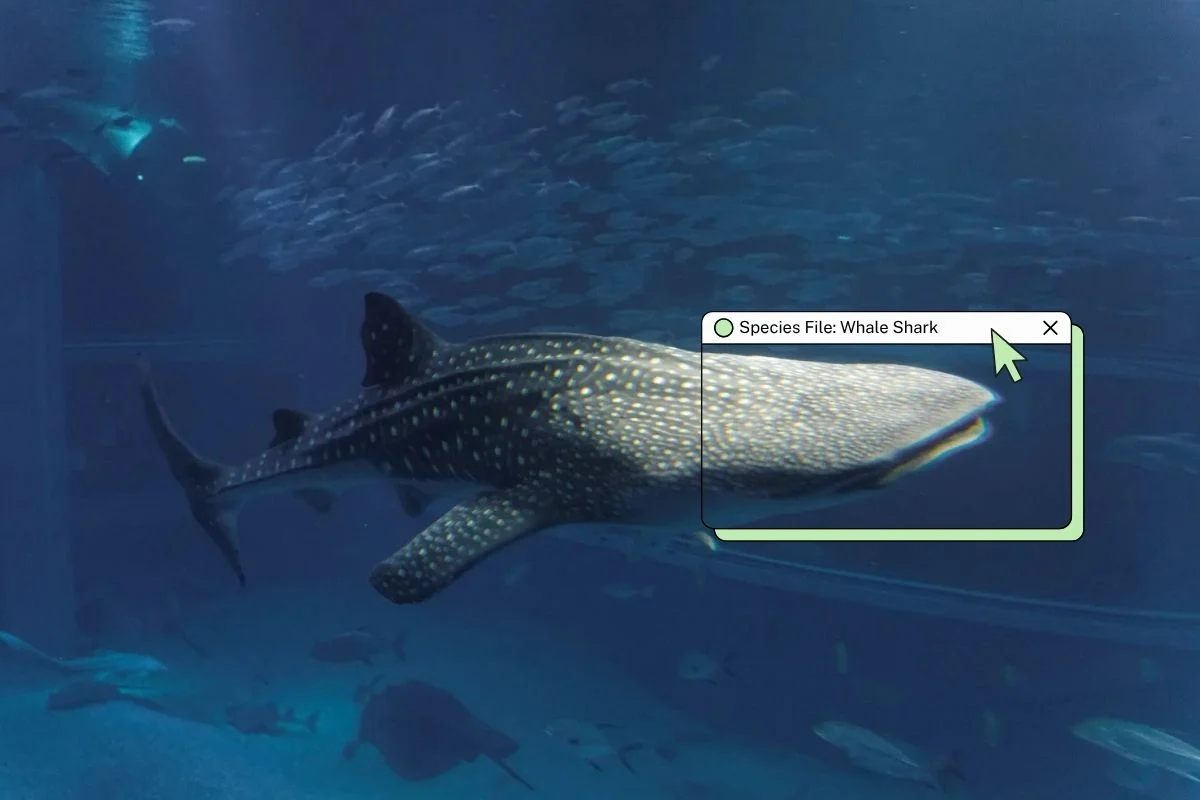
The ocean’s most magnificent inhabitant is a study in contradictions. The whale shark (Rhincodon typus), despite its intimidating name and colossal size, is a gentle giant—a filter feeder that poses no threat to humans. To visualize its scale, one must imagine five mid-sized cars parked bumper-to-bumper; that is the approximate length of a fully grown adult, reaching up to 18 meters. Yet, despite its status as the world’s largest fish, it remains one of the most vulnerable species in the marine ecosystem.
Across India’s 7,500-kilometer coastline, particularly along the shores of Gujarat, a quiet revolution is taking place. Once hunted for its oil and meat, the whale shark has become a symbol of community-led conservation. However, as global populations continue to plummet, the story of the whale shark in Indian waters is a complex narrative of legal protection, technological innovation, and the looming shadows of climate change.
Main Facts: The Biology and Ecology of a Marine Titan
The whale shark is not a whale but a shark, belonging to the class of cartilaginous fish. Unlike the predatory reputation of its cousins, the Great White or the Tiger shark, the whale shark is a slow-moving filter feeder. It cruises the upper layers of the ocean with its massive mouth agape, straining plankton, krill, and small fish through a sophisticated filtration system.
The Biological "Fingerprint"
One of the most striking features of the whale shark is its skin. It is adorned with a celestial pattern of pale-yellow spots and stripes against a dark blue-grey background. Biologically, these patterns serve a purpose beyond camouflage; they are unique to each individual. Much like a human fingerprint, no two whale sharks share the same spot configuration. This characteristic has allowed scientists and conservationists to use photo-identification software to track individual movements, growth rates, and site fidelity without the need for invasive tagging.
Ecological Role
The whale shark is an apex regulator of the marine food chain. By consuming vast quantities of plankton and small nekton, they prevent the overgrowth of specific organisms that could otherwise lead to oxygen depletion in certain marine strata. Their presence is often an indicator of a healthy, nutrient-rich marine environment. In India, they are found along both the East and West coasts, but the largest seasonal aggregations occur off the coast of Gujarat between the months of September and May.
Chronology: From Exploitation to Empathy
The history of the whale shark in India is marked by a dramatic shift in human perception, moving from a commodity to a "daughter" of the sea.
- Pre-2001: The Era of Hunting. Before the turn of the millennium, whale sharks were actively hunted along the shores of Gujarat, specifically in Veraval, Okha, and Diu. Local fishers targeted them for their liver oil, which was used to waterproof wooden boats, and for their fins and meat, which were exported to Southeast Asian markets. During this period, hundreds of sharks were slaughtered annually.
- 2001: A Landmark Legal Shift. In a historic move, the Government of India became the first in the world to grant the whale shark the highest level of legal protection. On May 28, 2001, it was placed under Schedule I of the Wildlife (Protection) Act, 1972. This put the fish on the same legal footing as the Bengal Tiger and the Asian Elephant.
- 2004: The Birth of "Vhali". Recognizing that law alone could not save the species, the Wildlife Trust of India (WTI), in collaboration with the Gujarat Forest Department and Tata Chemicals, launched the Whale Shark Campaign. The campaign enlisted the help of religious leader Morari Bapu, who famously compared the whale shark to a "daughter" (Vhali) coming home to her parents’ house to give birth. This cultural reframing changed the mindset of the fishing community overnight.
- 2019-2025: The Digital Frontier. The introduction of the "Vhali Watcher" mobile application marked a shift toward data-driven conservation. By 2025, the focus expanded from mere protection to active rescue and the documentation of strandings along the Andhra Pradesh and Odisha coasts, indicating a broader migratory range than previously understood.
Supporting Data: A Population in Peril
Despite local successes, the global outlook for the whale shark remains grim. According to the International Union for Conservation of Nature (IUCN), the species is listed as Endangered.
The 75-Year Decline
Global data suggests that whale shark populations have shrunk by more than 50% in the last 75 years. The Indo-Pacific population, which includes those found in Indian waters, has seen an even more significant decline—estimated at roughly 63%.
Threats and Mortality Factors
The pressures facing the whale shark are multifaceted:
- Bycatch: While targeted hunting has ceased in India, accidental entanglement in fishing nets remains a primary threat.
- Ship Collisions: As global shipping lanes become more congested, slow-moving whale sharks feeding near the surface are frequently struck by large vessels, often with fatal consequences.
- Climate Change: Warming oceans are altering the distribution of plankton. As food sources move, whale sharks are forced to change their migratory routes, often bringing them into busier shipping lanes or less protected waters.
- Habitat Degradation: Offshore drilling, coastal construction, and plastic pollution are degrading the coastal nurseries where juvenile sharks are often found.
Official Responses: Policy and Community Action
The response to the whale shark crisis in India is a multi-tiered approach involving government legislation, NGO intervention, and community participation.

The Compensation Scheme
One of the most effective official policies has been the Gujarat Forest Department’s compensation scheme. When a whale shark becomes entangled in a fishing net, the fisher often has to cut the net to release the animal, resulting in a significant financial loss. To mitigate this, the government provides a monetary reimbursement for the damaged nets.
Sajan John, the head of marine projects at the Wildlife Trust of India, highlights the success of this initiative: "Earlier, the whale sharks died tangled in gear. Now, they’re released alive before they reach shore. It’s a complete reversal of the previous trend."
The Vhali Watcher App
Technology has streamlined this process. The "Vhali Watcher" app allows fishers to document the rescue in real-time. By uploading photos of the entangled shark and the cut net, fishers can provide immediate proof for compensation claims. This not only speeds up the administrative process but also creates a massive database of whale shark sightings and health metrics for researchers.
Legal Enforcement
Under Schedule I of the Wildlife (Protection) Act, any person found harming or possessing parts of a whale shark faces a minimum of three to seven years of imprisonment and a substantial fine. This strict legal framework has effectively ended the commercial trade of whale shark products within Indian borders.
Implications: The Future of Marine Conservation
The story of the whale shark in India serves as a blueprint for other marine conservation efforts, but it also highlights the gaps that remain.
The "Umbrella Species" Effect
By protecting the whale shark, India is effectively protecting the entire marine ecosystem. Conservation efforts aimed at the shark necessitate cleaner coastal waters and regulated fishing practices, which benefit a myriad of other species, from sea turtles to coral reefs. The whale shark acts as an "umbrella species"—its survival ensures the survival of the habitat it occupies.
Transboundary Challenges
The primary implication for the future is the need for international cooperation. Whale sharks are migratory; a shark protected in Indian waters may swim into the waters of a neighboring country where legal protections are weaker or non-existent. The next phase of conservation must involve regional "Blue Corridors"—protected migratory paths that span international boundaries.
Economic Shift: From Extraction to Tourism
There is a growing potential for whale shark eco-tourism in India, similar to models seen in the Philippines or Australia. If managed sustainably, whale shark watching could provide a more lucrative and stable income for coastal communities than fishing ever did. However, experts warn that this must be strictly regulated to avoid stressing the animals.
Conclusion
The whale shark’s journey from the brink of localized extinction in Gujarat to becoming a celebrated "daughter of the coast" is one of India’s greatest environmental success stories. However, the 50% global population decline over the last three-quarters of a century serves as a stark reminder that the battle is far from won.
While community efforts and apps like "Vhali Watcher" have successfully addressed the threat of bycatch, the larger shadows of climate change and industrialization loom large. The survival of the world’s largest fish will ultimately depend on our ability to view the ocean not as a resource to be harvested, but as a fragile ecosystem that requires our stewardship. In the spots of the whale shark, we see a map of the ocean’s health; it is a map we cannot afford to lose.
