

The Indian automotive landscape, long dominated by the utilitarian charm of the hatchback, continues to exhibit a complex set of market dynamics as of mid-2026. While the "SUV-ification" of the Indian roads remains a dominant narrative, the latest sales data for June 2026 and the second quarter (Q2) of the calendar year suggests that the hatchback segment is far from obsolete. On the contrary, it is undergoing a period of significant year-on-year (YoY) resurgence, even as it faces short-term month-on-month (MoM) volatility.
This report provides an in-depth analysis of the performance of 16 key hatchback models, examining the dominance of Maruti Suzuki, the fluctuating fortunes of Tata and Hyundai, and the emerging niche occupied by electric and budget-friendly alternatives.
1. Executive Summary: The Paradox of Growth and Contraction
The hatchback segment in June 2026 presented a statistical paradox. Collectively, the 16 primary models in the segment registered 79,419 units. When compared to the 67,725 units sold in June 2025, this represents a healthy YoY growth of 17.27%, or an increase of 11,694 units. This growth suggests a revitalized interest in entry-level and premium hatchbacks, possibly driven by urban congestion and the rising cost of larger vehicle ownership.
However, the short-term perspective is less rosy. Compared to May 2026, where sales hit a peak of 92,837 units, the June figures represent a sharp decline of 14.45%. Industry analysts attribute this MoM dip to seasonal factors, including the onset of the monsoon which traditionally slows down retail activity, and a correction in dealer inventory following aggressive dispatches in the previous month.
Despite the monthly cooling, the quarterly performance remains robust. Total hatchback sales for Q2 CY2026 reached 2,68,163 units, marking a substantial 24.15% increase over the 2,16,000 units recorded during the same period in 2025.
2. Model-Wise Chronology and Performance
The Top Tier: Maruti Suzuki’s Unshakeable Trio
The podium for June 2026 remains a familiar sight, occupied entirely by Maruti Suzuki.
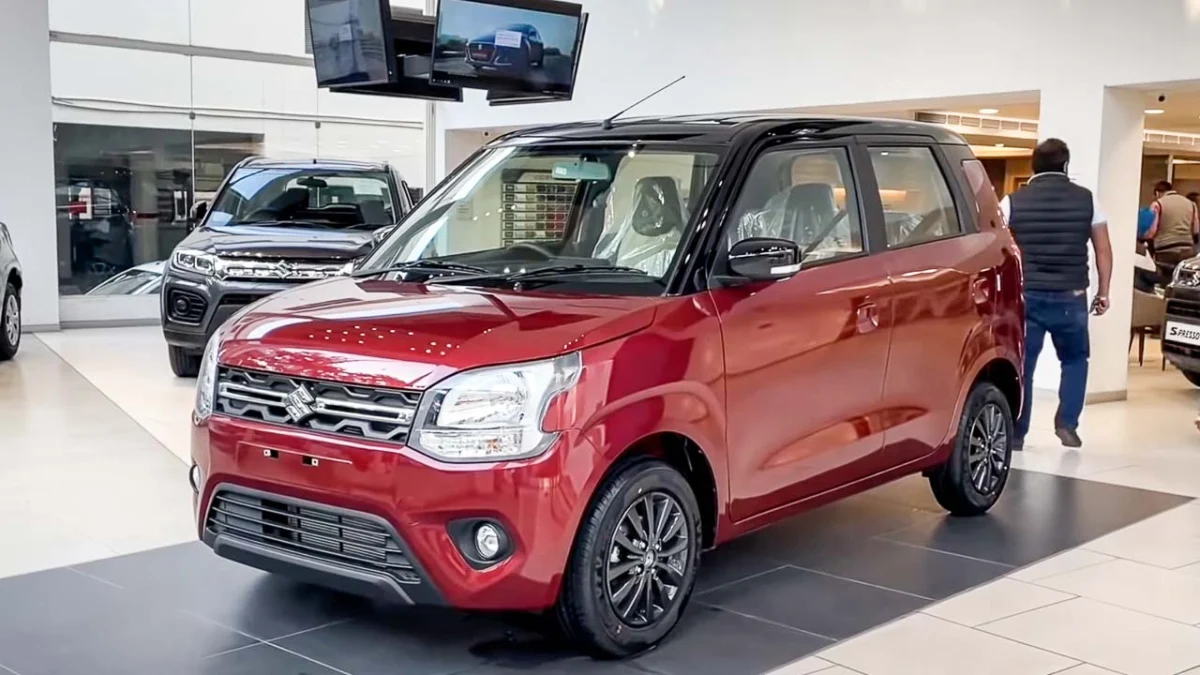
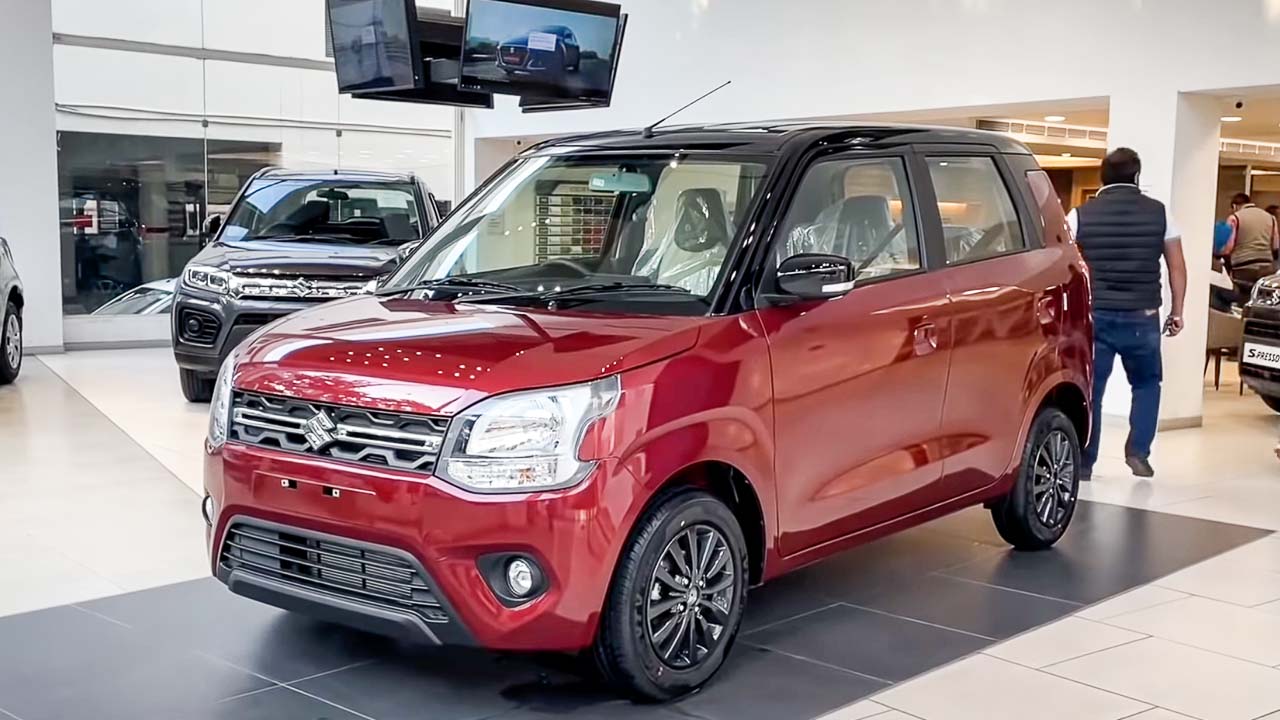
- Maruti WagonR: The "Tall Boy" continues its reign as India’s favorite hatchback. In June 2026, it registered 16,952 units, a 31.11% increase YoY. Although it saw a 6.22% MoM decline, its Q2 performance was stellar, with 53,676 units sold—a 33.22% jump over the previous year.
- Maruti Swift: Following closely, the Swift recorded 15,215 units in June. While it enjoyed a 14.61% YoY growth, it suffered a more pronounced 13.15% MoM drop. For the quarter, the Swift maintained strong momentum with 50,563 units, up 20.38%.
- Maruti Baleno: The premium hatchback leader saw 12,488 units move in June. While its YoY growth was a staggering 39.28%, its MoM performance was the most volatile among the leaders, crashing 32.12% from May levels. Nevertheless, its Q2 total of 49,190 units (up 45.69%) cements its position as a high-volume pillar for the brand.
The Resurgence of the Entry-Level: Maruti Alto
One of the most significant takeaways from the June 2026 data is the massive resurgence of the Maruti Alto. Registering 10,388 units, the Alto saw a YoY growth of 105.91%. Unlike its stablemates, it also managed a MoM increase of 5.07%. This trend suggests that the "bottom of the pyramid" buyers are returning to the market, perhaps deterred by the soaring prices of micro-SUVs. For Q2 2026, Alto’s sales nearly doubled to 31,131 units.
The Mid-Tier: Tata and Hyundai
The battle for the middle ground saw mixed results:

- Tata Tiago / EV: Tata’s entry-level offering showed remarkable resilience in June, with 7,329 units. This represents a 21.50% YoY increase and a massive 75.42% MoM surge, likely fueled by the increasing penetration of the Tiago EV variant. However, its Q2 performance was down 17.96% YoY, suggesting a slow start to the year that is only now being rectified.
- Hyundai Grand i10 NIOS: Hyundai’s workhorse saw 4,865 units in June, up 14.82% YoY and 66.61% MoM. Despite this June recovery, the model ended Q2 down by 6.16% compared to the previous year.
- Toyota Glanza: A consistent performer, the Glanza registered 3,512 units in June (+19.54% YoY). However, its quarterly performance dipped by 14.83%, indicating that while it has a loyal monthly following, it struggled to maintain the high volumes of early 2025.
3. The Struggle of Premium and Niche Models
While the entry-level and mid-range hatchbacks saw growth, the premium and niche segments faced significant headwinds in June 2026.
- Tata Altroz: The premium hatchback from Tata slipped to 2,426 units, a 38.95% YoY decline and a 16.78% MoM drop.
- Hyundai i20: Once a segment benchmark, the i20 witnessed a steep contraction, falling 51.70% YoY to 1,828 units. Its MoM decline of 61.51% is one of the most drastic in the data set, though it oddly finished Q2 with a 7.03% overall gain, suggesting a very strong April and May.
- Maruti Celerio & S-Presso: Both models saw declines in June. The S-Presso, however, remains a quarterly outlier, posting a massive 223.66% growth in Q2 2026 compared to Q2 2025, moving from a low base to 12,626 units.
Emerging and Budget Players
- Citroen C3: The French manufacturer is finally finding its footing. The C3 grew 185.08% YoY in June (707 units) and an incredible 248.29% for the quarter.
- MG Comet EV: The quirky electric city car remained stable with 857 units in June, showing a 24.44% quarterly growth. This suggests a consistent, albeit niche, demand for ultra-compact urban mobility.
- Renault Kwid: The Kwid showed signs of life with 492 units in June, up 9.58% YoY and 64% MoM, though it remains a shadow of its former self in terms of total volume.
4. OEM Market Share: The Maruti Monolith
The data reinforces the "Maruti-centric" nature of the Indian hatchback market. In June 2026, Maruti Suzuki commanded a staggering 72.19% market share of the hatchback segment with 57,332 units. This dominance grew even more pronounced in the quarterly figures, where Maruti accounted for 75.98% of all hatchbacks sold in India.
| OEM | June 2026 Units | YoY Growth | Market Share (June) |
|---|---|---|---|
| Maruti Suzuki | 57,332 | 27.10% | 72.19% |
| Tata Motors | 9,755 | -2.51% | 12.28% |
| Hyundai | 6,693 | -16.57% | 8.43% |
| Toyota | 3,512 | 19.54% | 4.42% |
| Citroen | 778 | 124.21% | 0.98% |
Tata Motors and Hyundai, the nearest competitors, saw their market shares squeezed. Tata’s 12.28% share and Hyundai’s 8.43% share in June highlight the difficulty other manufacturers face in challenging Maruti’s economies of scale and distribution network in this price-sensitive segment.
5. Official Responses and Industry Perspectives
While official statements from the "Big Three" (Maruti, Tata, Hyundai) regarding these specific June figures have focused on "inventory rebalancing," industry analysts provide a more nuanced view.

Analysts at Automotive Insights India noted: "The June dip is a classic case of ‘post-peak’ cooling. May saw aggressive pushes for summer sales and fleet refreshments. What is more vital is the YoY growth. The fact that the segment grew by over 17% YoY in June—and 24% for the quarter—proves that the hatchback is the safety net of the Indian auto industry. When inflation bites, buyers retreat from SUVs back to the reliability and efficiency of the WagonR and Swift."
Tata Motors’ internal communications have reportedly shifted focus toward the "EV-first" strategy for hatchbacks. A spokesperson recently hinted that the volatility in Tiago and Altroz numbers is partly due to a transition in production lines to accommodate higher battery-electric vehicle (BEV) output, which is expected to pay dividends in the festive Q3 and Q4 periods.
6. Implications and Future Outlook
The data from June and Q2 2026 carries several long-term implications for the Indian automotive market:
1. The Return of the Rational Buyer
The massive YoY growth of the Maruti Alto and WagonR suggests a return to "rational" buying. As fuel prices and insurance premiums rise, the low cost of ownership associated with hatchbacks—particularly those with CNG and EV options—is becoming more attractive than the "lifestyle" appeal of larger SUVs.

2. The Premium Hatchback Identity Crisis
The decline of the i20 and Altroz suggests that the premium hatchback segment is being cannibalized by compact SUVs (like the Tata Nexon or Maruti Brezza). Buyers in the 10-12 lakh INR bracket are increasingly opting for the higher ground clearance and "status" of an SUV over the driving dynamics of a premium hatch.
3. Electrification as a Lifeline
For models like the Tata Tiago and MG Comet, electrification is not just an option; it is the primary driver of growth. The hatchback form factor remains the most efficient for city-centric EVs, and this sub-segment is expected to grow at a faster rate than the internal combustion engine (ICE) equivalent.
4. Maruti’s Defensive Moat
With a 76% quarterly market share, Maruti Suzuki has created a "defensive moat" that seems impenetrable. Their ability to grow 39.34% YoY in Q2, while rivals like Tata and Toyota saw double-digit declines, suggests that in times of market uncertainty, Indian consumers gravitate toward the brand with the largest service footprint.
Conclusion
As the industry moves into the second half of 2026, the hatchback segment remains the bedrock of Indian mobility. While SUVs capture the headlines and the imagination, the humble hatchback—led by the indomitable WagonR—continues to capture the majority of the volume. Manufacturers who can balance affordable pricing with modern features like electric drivetrains and advanced safety will likely find the hatchback segment a fertile ground for growth in the years to come.
