

New Delhi, June 28, 2026 – While India’s royal history is often synonymous with formidable hill forts and sprawling desert palaces, a less-explored yet equally captivating facet of its regal past lies cradled by water. These magnificent water palaces, envisioned as opulent pleasure retreats, serene summer residences, or strategic havens, stand as testaments to the ingenious blend of engineering prowess and refined aesthetics that characterized Indian royalty. They offer a unique perspective on a bygone era, where architecture not only commanded respect but also harmonized with the natural environment. This article delves into five such remarkable water palaces, each a portal to the grandeur and ingenuity of India’s royal heritage.
The Allure of Aquatic Residences: A Historical Overview
The concept of building royal residences amidst or in close proximity to water bodies in India is not merely a matter of aesthetic preference; it often stemmed from a confluence of practical considerations and profound symbolism. For centuries, water has been revered in Indian culture, associated with purity, life, and prosperity. Royal patrons likely found in its presence a sense of tranquility and a connection to the divine.
Beyond the spiritual, the practical advantages were undeniable. In a land with diverse and often extreme climates, water bodies offered natural cooling, mitigating the harsh summer heat. Lakes and rivers also served as vital arteries for transportation and defense, making strategically located palaces inherently more secure. Furthermore, the reflective surfaces of water could amplify the grandeur of the architecture, creating breathtaking vistas and an illusion of floating majesty.
The construction of these water palaces demanded a sophisticated understanding of hydraulics, structural engineering, and material science. Architects and engineers of the time had to contend with the challenges of building on marshy land, controlling water levels, and ensuring the longevity of structures exposed to moisture. The resulting palaces are therefore not just beautiful edifices but also marvels of ancient Indian engineering.
Five Jewel Boxes Adorned by Water: Unveiling India’s Water Palaces
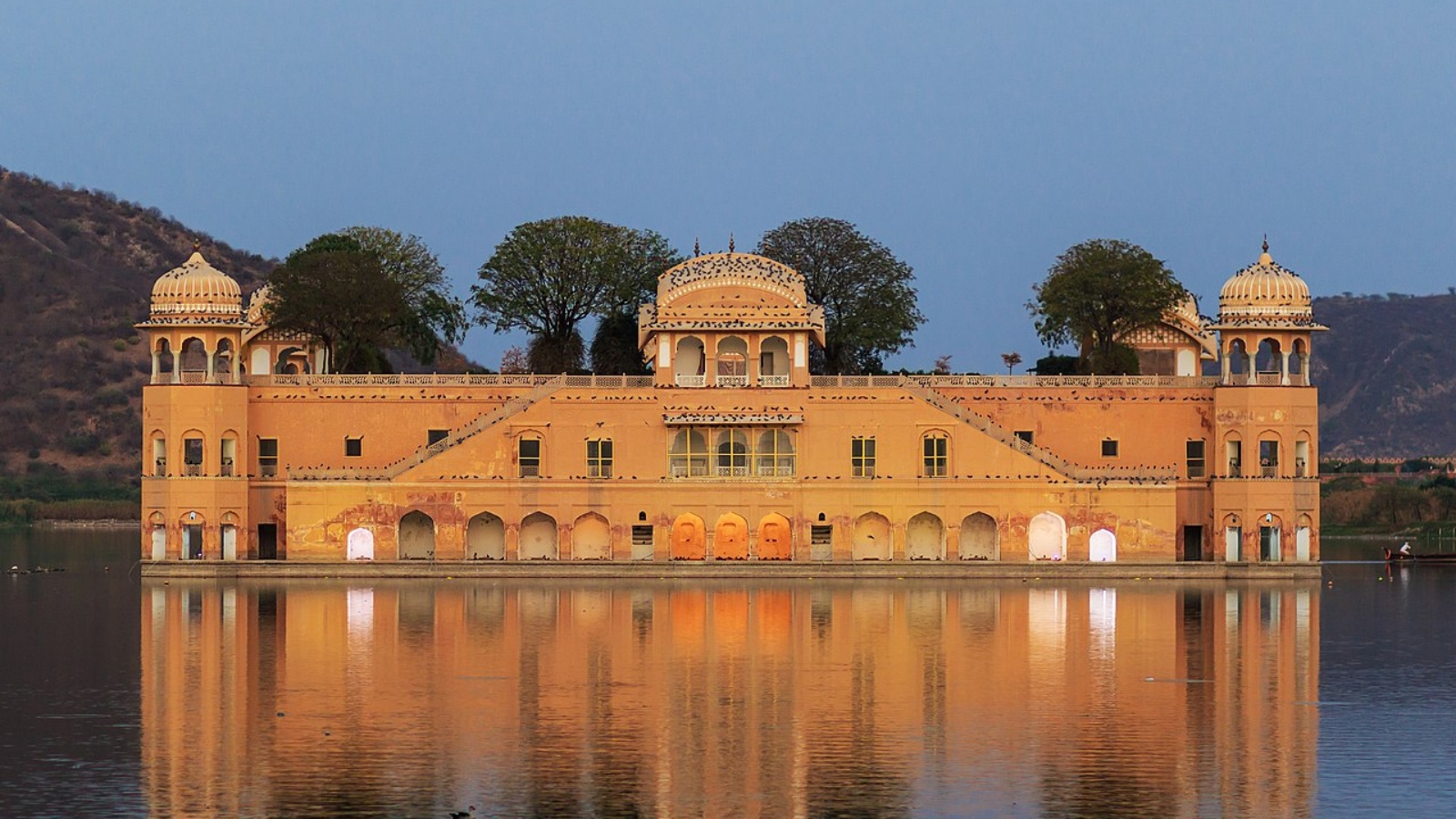
1. Jal Mahal, Jaipur: The Floating Jewel of Man Sagar Lake
Rising with ethereal grace from the shimmering expanse of Man Sagar Lake in Jaipur, the Jal Mahal, or "Water Palace," is an undisputed icon of Rajasthan’s regal splendor. Commissioned in the 18th century by Maharaja Madho Singh I, this architectural marvel initially served as a hunting lodge and a cherished leisure retreat for the royal family. Its most captivating feature is the ingenious design that sees four of its five storeys submerged when the lake is at its fullest, creating a mesmerizing illusion of a palace gracefully floating on the water’s surface.
The architectural style of Jal Mahal is a sublime fusion of Rajput grandeur and Mughal influences. Its symmetrical design, punctuated by elegant chhatris (domed pavilions) and sweeping terraces, speaks of meticulous planning and artistic vision. While access to the palace interiors is restricted, the views from the lakeside promenade are undeniably among Jaipur’s most memorable and sought-after experiences. The play of light and shadow on the palace walls, the reflections in the water, and the backdrop of the Aravalli hills create a scene of unparalleled beauty, drawing visitors and photographers alike. The surrounding landscape, once a barren tract, was transformed by the construction of the lake, showcasing the rulers’ ability to reshape their environment to complement their architectural ambitions.
Chronology of Jal Mahal’s Significance:
- 18th Century: Construction initiated by Maharaja Madho Singh I, serving as a royal hunting lodge and pleasure retreat.
- Subsequent Centuries: Continued use by the royal family for leisure and diplomatic gatherings.
- Late 20th/Early 21st Century: Periods of neglect and ecological concern for Man Sagar Lake.
- Early 21st Century: Undertaking of significant restoration and environmental conservation efforts, revitalizing the lake and preserving the palace’s heritage.
- Present Day: Recognized as a national heritage site, a significant tourist attraction, and a symbol of Jaipur’s unique architectural identity.
Supporting Data: The engineering behind Jal Mahal’s submerged levels involved intricate water management systems designed to withstand seasonal variations in the lake’s water level. The use of robust local stone and traditional lime mortar contributed to its structural integrity over centuries. The palace’s symmetrical façade, a hallmark of Rajput architecture, is enhanced by the water’s reflective properties, creating a visually stunning effect that amplifies its grandeur.
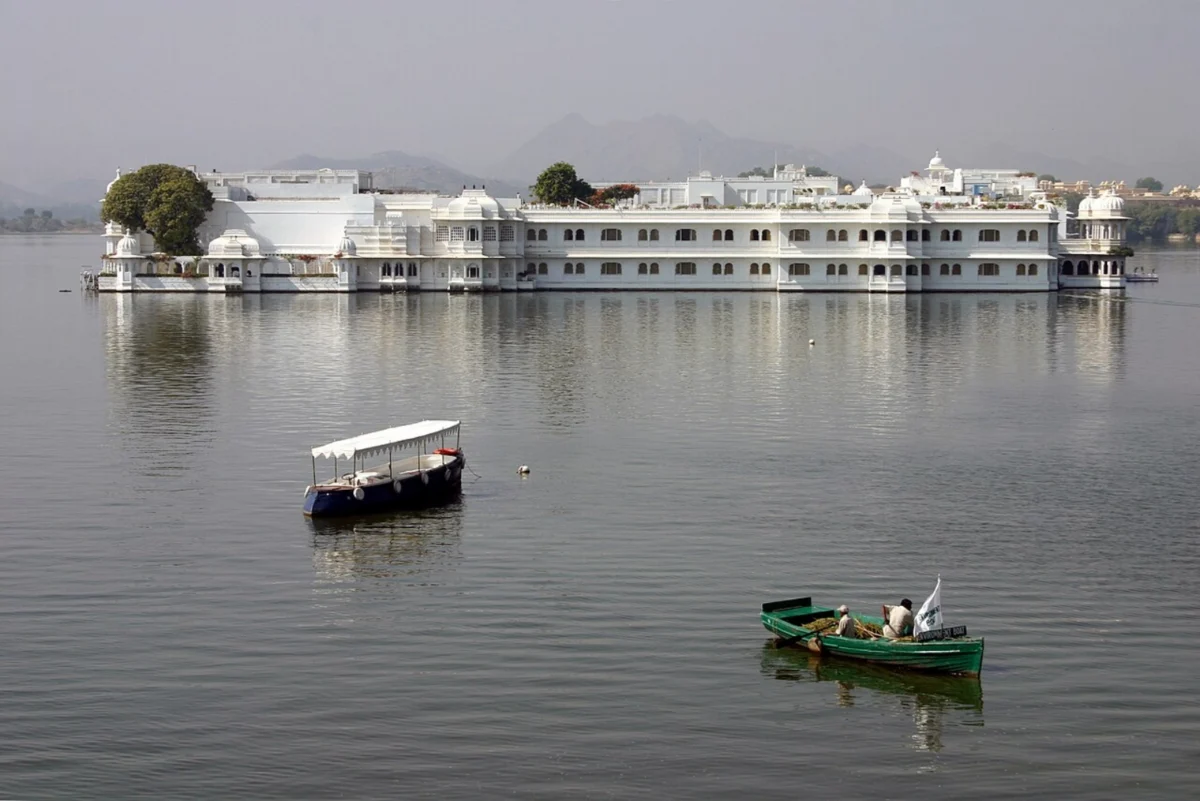
2. Taj Lake Palace, Udaipur: The Marble Dream on Lake Pichola
Nestled in the heart of Lake Pichola, the Taj Lake Palace in Udaipur appears as if it has materialized directly from the water itself. Built between 1743 and 1746 by Maharana Jagat Singh II, this exquisite white marble edifice was originally known as Jag Niwas and served as a tranquil summer sanctuary for the Mewar royal family. Its unparalleled location offers breathtaking panoramic vistas of Udaipur’s majestic City Palace, the verdant Aravalli hills, and the ever-shimmering waters of Lake Pichola.
The palace is a masterpiece of Mewar architecture, characterized by its delicate marble latticework, ornate courtyards, and beautifully carved balconies. Every element, from the intricate jali work to the opulent interiors, exudes an aura of regal splendor and refined artistry. Today, the Taj Lake Palace has been transformed into one of India’s most luxurious heritage hotels, attracting discerning travelers from across the globe who seek an immersive experience of royal living. Guests arrive by boat, a journey that enhances the sense of exclusivity and wonder as the palace gradually reveals its magnificent facade.
Chronology of Taj Lake Palace’s Evolution:
- Mid-18th Century (1743-1746): Construction of Jag Niwas by Maharana Jagat Singh II as a royal summer palace.
- Colonial Era: Continued use by the royal family, albeit with changing political landscapes.
- Late 20th Century: Transformation into a luxury heritage hotel under the management of Taj Hotels Resorts and Palaces.
- Present Day: Celebrated globally as a premier luxury destination, meticulously maintained to preserve its historical and architectural integrity while offering contemporary hospitality.
Supporting Data: The construction of the Taj Lake Palace involved quarrying and transporting vast quantities of white marble, a testament to the logistical capabilities of the era. The palace’s design incorporates traditional Indian architectural elements such as courtyards, fountains, and intricate carvings, all adapted to its unique aquatic setting. The hotel’s operations ensure the preservation of its heritage, employing skilled artisans for ongoing maintenance and restoration work.
3. Neermahal, Tripura: The Eastern Jewel of Rudrasagar Lake
Residing majestically in the middle of Rudrasagar Lake, Neermahal stands as India’s largest water palace in the eastern part of the country. Commissioned in 1930 by Maharaja Bir Bikram Kishore Manikya Bahadur, the last ruling king of Tripura, this grand structure served as a royal summer residence and a venue for grand festivities. Neermahal is a captivating blend of Hindu and Mughal architectural styles, reflecting the syncretic cultural influences prevalent in the region.
The palace is thoughtfully divided into two distinct sections: the western side, known as Andar Mahal, served as the royal residential quarters, while the eastern side, known as the Nagmahal, was designed for entertainment and hosting royal gatherings. These areas once resonated with the sounds of cultural performances, theatrical events, and elaborate royal feasts. Visitors today reach Neermahal by boat, an experience that adds a layer of charm and adventure to its exploration. The annual Neermahal Water Festival further amplifies its cultural significance, drawing crowds to witness its beauty and the vibrant traditions associated with it.
Chronology of Neermahal’s Historical Trajectory:
- Early 20th Century (Commissioned 1930): Construction of Neermahal by Maharaja Bir Bikram Kishore Manikya Bahadur.
- Mid-20th Century: Served as a primary summer residence and entertainment hub for the Tripura royal family.
- Post-Independence: Transitioned into a state-maintained heritage property.
- Late 20th/Early 21st Century: Increased focus on tourism promotion and heritage conservation.
- Present Day: A significant tourist attraction and a symbol of Tripura’s rich royal history and architectural heritage, hosting the annual water festival.
Supporting Data: The architectural fusion in Neermahal is evident in its domes, arches, and minarets, characteristic of Mughal design, integrated with the characteristic chhatris and balconies of Rajput influence. The palace’s strategic location in the middle of the lake not only offered aesthetic appeal but also served as a natural defense mechanism. The surrounding lake ecosystem is a crucial element of its heritage, requiring careful environmental management.
4. Jal Vilas Palace, Gwalior: A Legacy of Grandeur with Aquatic Embellishments
While not entirely ensconced by water today, the sprawling Jai Vilas Palace in Gwalior, though built in 1874 by Maharaja Jayajirao Scindia, was conceived with an elaborate integration of water features, including intricate fountains and ornamental pools. This design choice was a deliberate nod to European palace aesthetics, showcasing a progressive royal vision that embraced global architectural trends while retaining its Indian essence. Jai Vilas Palace remains one of India’s most magnificent royal residences, a testament to the Scindia dynasty’s opulence and architectural patronage.
The palace is renowned for its striking fusion of Tuscan, Italian, and Corinthian architectural styles, a remarkable departure from more traditional Indian designs. Its Durbar Hall, a highlight of the palace, is adorned with colossal chandeliers, reputedly among the largest in the world, adding to its overwhelming grandeur. The strategic incorporation of water elements, such as expansive pools and elaborate fountains, was not merely for visual appeal; it served the practical purpose of creating a cooling microclimate within the palace complex, a crucial consideration in Gwalior’s often hot climate. This demonstrates a sophisticated understanding of how water could enhance both the comfort and the visual splendor of a royal dwelling.
Chronology of Jai Vilas Palace’s Historical Context:
- Late 19th Century (1874): Construction of Jai Vilas Palace by Maharaja Jayajirao Scindia.
- Early to Mid-20th Century: Continued as the primary residence of the Scindia family and a symbol of their power.
- Post-Independence: A portion of the palace was converted into a museum, showcasing artifacts and the royal lifestyle.
- Present Day: Continues to be a residence of the royal family and a significant tourist attraction, offering insights into the Scindia dynasty’s history and architectural tastes.
Supporting Data: The palace’s European architectural influences are evident in its facade, interior décor, and the integration of water features. The construction involved advanced engineering for its time, particularly in the installation of the grand chandeliers and the complex water systems. The palace’s scale and the opulence of its interiors reflect the immense wealth and influence of the Scindia rulers.
5. Bekal Palace, Kerala: Harmonizing with the Backwaters’ Embrace
Kerala’s unique landscape, defined by its extensive network of backwaters and serene lakes, has historically inspired a distinctive architectural tradition characterized by its seamless integration with the aquatic environment. Among these are historic palatial residences and mansions, strategically built along the water’s edge, where water served multifaceted roles – both practical and aesthetic. While perhaps not "water palaces" in the same submerged or island sense as their northern counterparts, these Kerala residences embody a profound harmony with their watery surroundings.
These heritage structures, often nestled amidst lush tropical landscapes and overlooking tranquil waters, exemplify how rulers and architects in this region adapted their designs to the prevailing humid climate and the natural topography. Traditional wooden craftsmanship, characterized by its intricate carvings and robust construction, is a hallmark of Kerala’s architecture. The characteristic sloping roofs are designed to efficiently channel rainwater, a vital adaptation to the monsoon climate. The waterfront settings of these residences, with their direct access to the backwaters, not only provided a picturesque setting but also facilitated transportation and a connection to the local way of life. These elements distinguish Kerala’s royal residences from the marble and sandstone palaces of North India, offering a unique glimpse into a different facet of India’s royal architectural heritage.
Chronology of Kerala’s Water-Integrated Residences:
- Historical Periods: Development of palatial residences and mansions along Kerala’s backwaters and lakes, adapting to the local environment.
- Focus on Traditional Craftsmanship: Emphasis on timber construction, intricate wood carvings, and vernacular architectural styles suited to the climate.
- Post-Colonial Era: Many of these structures have been preserved as heritage sites, some converted into boutique hotels or private residences.
- Present Day: Recognized for their unique architectural style and their harmonious integration with the natural landscape, attracting tourists interested in cultural heritage and responsible tourism.
Supporting Data: The architectural style of these residences is deeply rooted in the principles of Vastu Shastra, adapted to the specific environmental conditions of Kerala. The use of locally sourced materials like teak and laterite, combined with skilled craftsmanship, has ensured their longevity. The integration of courtyards, verandas, and open spaces facilitates natural ventilation, a crucial aspect of living in a tropical climate.
Implications and Future Directions
The existence of these magnificent water palaces across India underscores several critical implications for our understanding of history, architecture, and cultural heritage. Firstly, they highlight the advanced engineering capabilities and the deep ecological understanding possessed by ancient Indian civilizations. The ability to construct and maintain such structures in water, often in challenging terrains, is a testament to their ingenuity.
Secondly, these palaces represent a significant part of India’s tangible cultural heritage, offering invaluable insights into the lifestyle, aesthetic sensibilities, and political power of its erstwhile rulers. Their preservation and interpretation are crucial for future generations to connect with their past.
Official Responses and Conservation Efforts:
Recognizing the immense heritage value of these structures, various governmental and private organizations are actively involved in their preservation and promotion. The Archaeological Survey of India (ASI) plays a pivotal role in protecting and maintaining historically significant monuments, including many of these palaces. State tourism departments, in collaboration with heritage bodies, are working to enhance visitor experiences and promote sustainable tourism around these sites. Initiatives often involve restoration projects, infrastructure development around the palaces, and the organization of cultural events that celebrate their history. For instance, the revival of Man Sagar Lake around Jal Mahal is a prime example of a concerted effort to conserve both the natural and built heritage. Similarly, the Taj Lake Palace, as a luxury heritage hotel, adheres to strict preservation guidelines, ensuring its long-term survival.
Challenges and Future Outlook:
Despite ongoing efforts, the preservation of these water palaces faces several challenges. Environmental degradation, particularly the pollution of water bodies, poses a significant threat. Climate change, with its potential for increased rainfall and extreme weather events, can also impact the structural integrity of these ancient edifices. Furthermore, balancing tourism development with the need for conservation requires careful planning and management to prevent over-commercialization and damage to the sites.
The future of these water palaces lies in a multi-pronged approach:
- Continued Research and Documentation: Further scholarly research can unlock more about their construction, usage, and socio-cultural significance.
- Sustainable Tourism Models: Developing tourism strategies that prioritize conservation and community involvement is essential.
- Technological Integration: Utilizing modern technology for monitoring structural health and environmental conditions can aid in proactive conservation.
- Public Awareness and Education: Engaging the public through educational programs and immersive experiences can foster a sense of stewardship and pride in these national treasures.
In conclusion, India’s water palaces are not merely relics of the past; they are living testaments to a rich and multifaceted heritage. They stand as enduring symbols of royal ingenuity, architectural brilliance, and a profound connection with nature, inviting us to explore the captivating narratives they hold within their shimmering reflections. Their continued preservation and thoughtful interpretation are vital for safeguarding a unique chapter of India’s glorious history.
