

Bengaluru, a city synonymous with technological innovation and a vibrant cosmopolitan spirit, is increasingly becoming a melting pot of diverse cultures. While its culinary landscape has long been celebrated for its South Indian staples and international fare, a significant gastronomic evolution is underway, spearheaded by the growing presence of Naga restaurants. These establishments, primarily clustered in areas like Kammanahalli and Kalyan Nagar, are doing more than just serving food; they are meticulously curating an experience, introducing discerning diners to the rich, complex, and often misunderstood flavors of Nagaland. Moving beyond the widely recognized fiery Bhut jolokia, these eateries are showcasing a cuisine deeply rooted in tradition, heritage, and the profound sense of home.
The Genesis of a Culinary Movement: From Necessity to Celebration
The emergence of these Naga restaurants in Bengaluru is a narrative woven with threads of necessity, entrepreneurial spirit, and a deep-seated longing for familiar tastes. Many of these ventures are helmed by first-generation entrepreneurs who migrated to the city in pursuit of economic opportunities. Facing the challenge of finding authentic North-Eastern cuisine, a void that resonated deeply within their community, these individuals embarked on a mission to create culinary havens that would not only serve their own people but also introduce the broader Bengaluru populace to the authentic essence of Naga gastronomy.
"There was a distinct lack of Naga representation in the city’s food scene," explains Helis Achumi, founder of Naga Relish, one of the pioneering Naga restaurants in Kammanahalli. "We wanted to bridge that gap and offer a genuine taste of our homeland." This sentiment is echoed by many in the community, highlighting a shared desire to preserve and promote their culinary heritage in a new urban setting.
Naga Relish: A Pioneer’s Commitment to Authenticity
Established in 2023, Naga Relish stands as a testament to the vision of Helis Achumi, a proud member of the Sumi tribe. Her decision to open a dedicated Naga restaurant stemmed from a personal quest for authentic North-Eastern food in Bengaluru, a quest that revealed a significant lacuna. "The lack of Naga representation was palpable," Achumi states, her voice conveying a deep-seated passion. "That’s precisely why I felt compelled to undertake this endeavor."
At Naga Relish, the commitment to authenticity is paramount. The menu is a meticulously crafted reflection of traditional Naga cooking practices. To ensure an unwavering standard of freshness and authenticity, a crucial element of Naga cuisine, all ingredients are flown in directly from Nagaland every fortnight. This logistical feat underscores the dedication of these restaurateurs to delivering an uncompromised culinary experience.
During a recent visit, the culinary team at Naga Relish showcased a selection of their signature dishes. The Wai Wai soup proved to be a hearty and warming revelation. Transforming the ubiquitous instant noodle into a substantial and comforting dish, it was perfectly suited for Bengaluru’s often unpredictable weather. The soup’s depth of flavor, achieved through a thoughtful preparation, hinted at the complex flavor profiles that Naga cuisine offers.

Following this, the pork rinds arrived, a symphony of textures and tastes. Served piping hot, they were exquisitely crisp and crackling, their satisfying crunch a prelude to the accompanying chutney. This chutney, a vibrant burst of spice, offered a welcome kick that perfectly complemented the richness of the pork.
The culinary journey culminated with the Samtu hot wings. These deep-fried chicken wings, generously coated in a dark, potent sauce crafted from the legendary king chilli, delivered an unforgettable sensory experience. Each bite left a lingering tingle on the lips, a testament to the controlled yet exhilarating heat that Naga cuisine is known for, particularly when featuring its celebrated chillies.
Naga Relish Details:
- Estimated Cost for Two: ₹1,000
- Location: HRBR Layout, Kalyan Nagar
- Contact: 079757 96955
The Naga Kitchen: From Cloud Kitchen Dreams to Rooftop Realities
A mere 15-minute walk from Naga Relish leads to The Naga Kitchen, a vibrant establishment helmed by Pichano Tungoe. Pichano’s journey to Bengaluru began nearly nine years ago, seeking better professional prospects. Her background in the hospitality sector provided her with the acumen and passion to eventually launch a small cloud kitchen. This modest beginning, fueled by dedication and a vision for authentic Naga food, eventually blossomed into the charming rooftop restaurant that patrons enjoy today.
"At The Naga Kitchen, our aspiration is to encourage people to look beyond the common perceptions of Naga cuisine and truly immerse themselves in its inherent richness," Pichano explains, her enthusiasm evident. "Our ultimate goal is to share the authentic flavors and cultural tapestry of Nagaland with the diverse community of Bengaluru, one memorable meal at a time." The menu at The Naga Kitchen is characterized by its simplicity, focusing on dishes executed with exceptional skill and deeply inspired by the culinary traditions of the Lotha tribe.
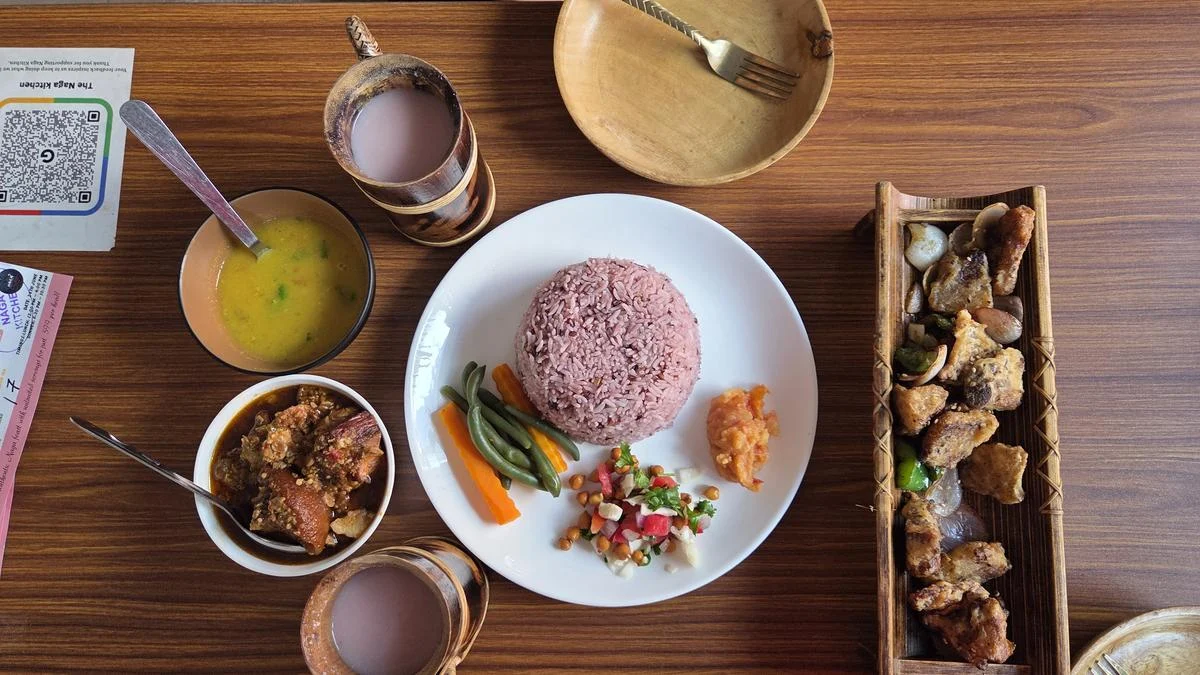
The culinary team recommended a small portion of their crispy pork, a perennial bestseller. This dish was a masterclass in texture and flavor. The pork, simultaneously crunchy and succulently fatty, delivered a rich, savory experience. The interplay of salt, vinegar, and a subtle peppery spice created a harmonious balance that was utterly addictive.

Next, the classic smoked pork bamboo shoot thali was ordered, featuring the distinctive axone (fermented soybean). The undisputed highlight of this thali was the smoked pork curry. It was an explosion of flavor, a true "flavor bomb" where tender pieces of pork were infused with a profound, barbecue-like smokiness. This intensely savory curry was expertly balanced by the accompaniments: fragrant purple rice, a comforting daal, simply steamed vegetables, and a refreshing channa salad, all contributing to a well-rounded and deeply satisfying meal.
The Naga Kitchen Details:
- Estimated Cost for Two: ₹1,400
- Location: Kammanahalli
- Contact: 9611402268
Roots and Ferns: A Newer Generation’s Homely Interpretation
The evolving culinary landscape of Bengaluru is further enriched by newer establishments like Roots and Ferns – The Homely North East Kitchen. Opened in 2024, this restaurant continues the tradition of showcasing authentic Naga cuisine while infusing it with its own unique interpretations. Loni, the proprietor, articulated a desire to fill a void felt by many in her community – the absence of "home food" that evoked comfort and familiarity.
"I wanted to create a space where people could reconnect with the flavors of their childhood and the warmth of home-cooked meals," Loni shares, emphasizing the emotional significance of her venture. The restaurant’s ethos is centered on home-style North-Eastern cooking, meticulously prepared using locally sourced ingredients whenever possible, a pragmatic approach that complements the direct import of certain specialty items.
The menu at Roots and Ferns offers a delightful exploration of textures and tastes. The crispy pork salad, for instance, artfully balances the richness of the pork with a bright, zesty acidity, creating a refreshing starter. The Brinjal bora, a dish of battered and fried eggplant, offers a delightful crunch, a textural contrast that is immensely satisfying. To conclude the meal, the black rice pudding provides a gentle and comforting finish. Its texture, reminiscent of Japanese mochi, combined with the familiar sweetness of a traditional kheer, topped with slivers of almonds, offered a subtly sweet and deeply satisfying end to the dining experience.
Roots and Ferns – The Homely North East Kitchen Details:

- Estimated Cost for Two: ₹800
- Location: HRBR Layout 2nd Block
- Contact: 9713 74777
Supporting Data and Cultural Significance
The proliferation of Naga restaurants in Bengaluru is not merely a culinary trend; it represents a significant cultural phenomenon. It signifies the growing visibility and acceptance of Northeast Indian cultures within a broader Indian context. These eateries serve as vital cultural touchpoints, offering not only sustenance but also a platform for cultural exchange and understanding.
- Economic Impact: The establishment of these restaurants contributes to the local economy by creating employment opportunities for individuals from Nagaland and other parts of Northeast India. It also fosters entrepreneurship within the community.
- Culinary Education: By introducing authentic Naga dishes, these restaurants are educating a wider audience about the diversity of Indian cuisine, moving beyond popular stereotypes. This includes familiarizing diners with ingredients like axone, local herbs, and a spectrum of chillies beyond the universally known Bhut jolokia.
- Community Building: These spaces often become informal community hubs for the Naga diaspora in Bengaluru, providing a sense of belonging and a shared space to celebrate their heritage.
- Sourcing and Sustainability: The practice of importing ingredients from Nagaland highlights a commitment to authenticity but also raises questions about supply chain logistics and potential environmental impacts. However, for many restaurateurs, this is a necessary compromise to ensure the genuine taste of their homeland. Newer establishments like Roots and Ferns are exploring the integration of locally sourced ingredients, indicating a potential shift towards more sustainable practices.
Implications and Future Outlook
The growing presence of Naga restaurants in Bengaluru portends a significant shift in the city’s culinary narrative. It signals an increasing appetite for authentic, regional cuisines and a greater appreciation for the diverse cultural tapestry of India. As more Naga entrepreneurs venture into the food business, we can anticipate:
- Further Diversification: Beyond the popular dishes, a wider array of regional Naga specialties are likely to emerge, showcasing the culinary nuances of different Naga tribes.
- Fusion and Innovation: While authenticity remains key, there is also potential for creative fusion dishes that blend Naga flavors with other culinary traditions, appealing to a broader palate.
- Increased Recognition: The success of these establishments could pave the way for greater recognition of Naga cuisine on a national and international scale.
- Challenges and Opportunities: The restaurateurs will continue to navigate challenges related to sourcing, logistics, and adapting to a new urban market. However, the burgeoning interest in their cuisine presents a significant opportunity for growth and cultural preservation.
In conclusion, the culinary landscape of Bengaluru is being vibrantly reshaped by the emergence of Naga restaurants. These establishments are not just serving delicious food; they are custodians of culture, storytellers of heritage, and pioneers in introducing a nuanced and sophisticated cuisine to a city eager to explore the diverse flavors of India. As these culinary pioneers continue to flourish, they are undoubtedly enriching Bengaluru’s gastronomic identity, one flavorful dish at a time.
