

BUSINESS
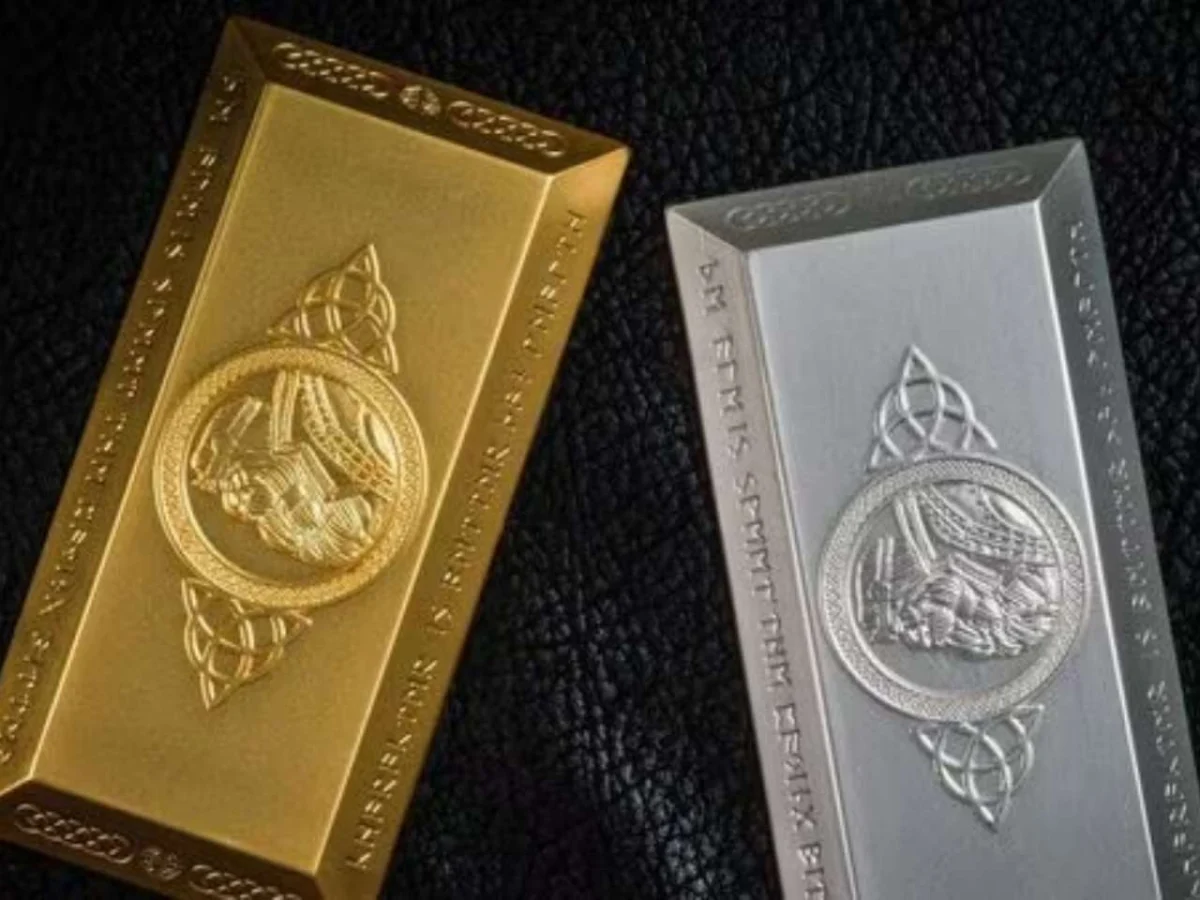
New Delhi, India – July 9, 2026 – India’s vibrant precious metals market continues to exhibit the intricate dance between global economic forces and deeply ingrained domestic traditions. As of July 9, 2026, the prices of gold and silver across the nation reflect a complex interplay of international market trends, fluctuating currency exchange rates, and the enduring local demand that characterises the Indian subcontinent. Today’s figures reveal a slight upward trajectory for gold, primarily driven by persistent global demand and inflationary pressures, while silver maintains its dual role as an industrial commodity and a coveted investment asset.
The Indian market, a significant global consumer of both gold and silver, remains acutely sensitive to shifts in the international financial landscape. From the monetary policies of major central banks to geopolitical tensions, every external tremor sends ripples through the bullion market. Domestically, cultural milestones, particularly the upcoming festive and wedding seasons, exert a predictable, yet powerful, influence on demand, often creating unique price dynamics distinct from global benchmarks. This comprehensive report breaks down the current prices, explores the multifaceted factors at play, and examines the broader implications for investors, consumers, and the Indian economy.
Executive Summary: Precious Metals Market Snapshot
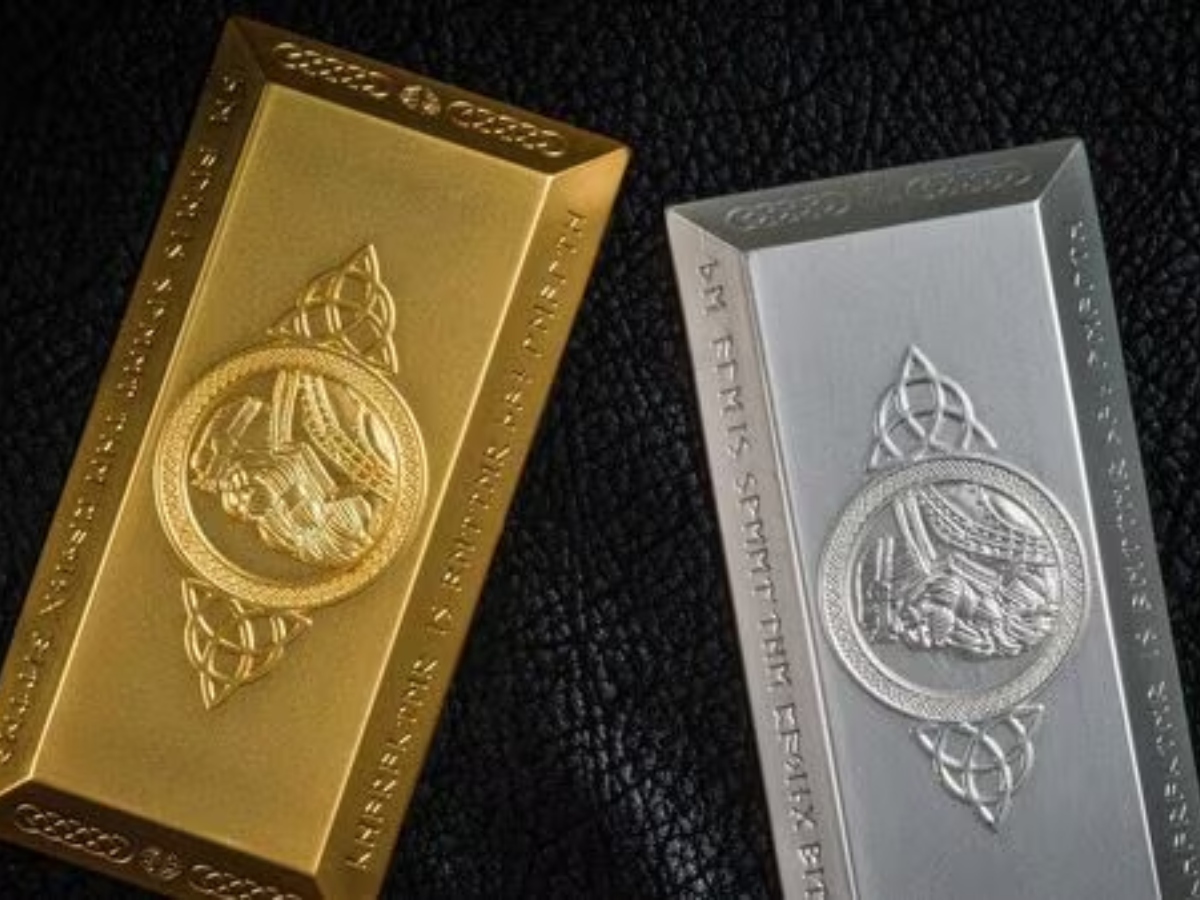
As of Wednesday, July 9, 2026, the Indian precious metals market is characterised by a cautious optimism for gold and a steady performance for silver. The price of 24K gold (999 purity) averages approximately ₹14,525 per gram, with 22K gold (91.67% purity) following at around ₹13,314 per gram. Silver, specifically 999 purity, is trading at approximately ₹244,900 per kilogram. These figures are not merely numbers but indicators of underlying economic currents, including global inflationary concerns, the strength of the US Dollar, and India’s robust domestic consumption patterns. The market’s stability, despite global uncertainties, underscores the deep-rooted faith in gold and silver as tangible assets and hedges against economic volatility.
)
Decoding Gold’s Ascent: Current Rates and Underlying Dynamics
Gold, often revered as a safe-haven asset, has seen its prices inch upwards today, reflecting a global sentiment where investors seek refuge from economic uncertainties and the erosion of purchasing power due to inflation. India, being the second-largest consumer of gold globally, experiences these shifts profoundly, with local prices intricately linked to international benchmarks and the INR-USD exchange rate.
Gold Prices Across Major Indian Metros
The price of gold exhibits minor variations across different Indian cities, primarily due to state-specific taxes, logistical costs, and regional demand patterns. These localized rates provide a granular view of the market’s pulse:

-
Gold Prices in Delhi:
- 24K Gold (999 Purity): ₹14,540 per gram
- 22K Gold (91.67% Purity): ₹13,329 per gram
- Delhi, as a major commercial and political hub, often sees a slight premium due to its role as a distribution centre.
-
Gold Prices in Mumbai:
)
- 24K Gold (999 Purity): ₹14,525 per gram
- 22K Gold (91.67% Purity): ₹13,314 per gram
- Mumbai, India’s financial capital and a significant bullion trading centre, often sets the benchmark for the national average.
-
Gold Prices in Kolkata:
- 24K Gold (999 Purity): ₹14,525 per gram
- 22K Gold (91.67% Purity): ₹13,314 per gram
- Kolkata, with its rich cultural heritage and strong affinity for gold jewellery, mirrors Mumbai’s rates today, indicating widespread market equilibrium in these major cities.
-
Gold Prices in Chennai:
)
- 24K Gold (999 Purity): ₹14,617 per gram
- 22K Gold (91.67% Purity): ₹13,399 per gram
- Chennai, a prominent market in South India where gold holds immense cultural and social significance, often displays slightly higher rates due to robust regional demand and traditional buying habits.
The distinction between 24K and 22K gold is crucial for consumers. 24K gold, or 99.9% pure gold, is typically used for investment purposes in the form of coins and bars. 22K gold, containing 91.67% pure gold mixed with other metals like copper or silver to increase its durability, is the preferred choice for crafting intricate jewellery. The price difference reflects the purity levels and the additional making charges often associated with jewellery.
The Global Tapestry: International Influences on Gold
The primary driver for gold’s current valuation remains its status as a global commodity. Several international factors are critically shaping its price:
)
- Global Demand for Safe-Haven Assets: In an era marked by lingering geopolitical uncertainties, trade tensions, and unpredictable economic forecasts, gold continues to be the asset of choice for investors seeking stability. Any escalation of global conflicts or significant economic downturns in major economies invariably pushes gold prices higher.
- Inflationary Pressures: The global economy has been grappling with persistent inflationary pressures stemming from supply chain disruptions, expansionary fiscal policies, and energy price volatility. Gold traditionally acts as a hedge against inflation, as its intrinsic value is perceived to be immune to the depreciation of fiat currencies. The current uptick in gold prices strongly suggests that investors are bracing for continued inflation.
- Central Bank Policies and Interest Rates: The monetary policies adopted by central banks, particularly the U.S. Federal Reserve, play a pivotal role. Higher interest rates typically make non-yielding assets like gold less attractive compared to interest-bearing bonds. Conversely, an environment of stable or declining interest rates, or even the anticipation of such, can boost gold’s appeal. The market is currently weighing potential future rate adjustments against ongoing inflation.
- Strength of the US Dollar (USD): Gold is primarily denominated in U.S. dollars. A stronger dollar makes gold more expensive for buyers holding other currencies, potentially dampening demand and lowering prices. Conversely, a weaker dollar makes gold more affordable, often leading to increased demand and higher prices. The current fluctuations in the INR-USD exchange rate thus directly influence the landed cost of gold in India.
Domestic Factors: India’s Unique Gold Appetite
While global factors set the baseline, India’s domestic dynamics add a layer of complexity and often amplify price movements:
- Cultural Significance and Festive Demand: Gold is deeply intertwined with Indian culture, religion, and social customs. It is an auspicious gift for weddings, festivals like Diwali and Akshaya Tritiya, and births. These seasonal peaks in demand are a powerful determinant of domestic prices, often creating a premium over international rates.
- Exchange Rate of the US Dollar (INR-USD): Since India imports almost all of its gold, the exchange rate between the Indian Rupee and the US Dollar is a critical factor. A depreciating Rupee makes gold imports more expensive, directly translating to higher local prices for consumers.
- Government Policies and Import Duties: The Indian government frequently adjusts import duties on gold to manage the current account deficit and regulate demand. Higher duties increase the cost of imported gold, subsequently raising retail prices. Changes in these policies are closely watched by market participants.
- Investment Demand: Beyond cultural consumption, gold is a significant investment avenue for many Indians, particularly in rural areas where it serves as a traditional form of savings and wealth preservation. This sustained investment demand, irrespective of jewellery consumption, provides a floor to prices.
Silver’s Shine: Market Overview and Price Determinants
Silver, often termed "poor man’s gold," shares many of gold’s investment characteristics but also boasts extensive industrial applications, making its price dynamics somewhat distinct. Today, silver prices in India are hovering at significant levels, reflecting both its precious metal status and its utility in modern technology.
)
Silver Rates Across Key Indian Cities
Similar to gold, silver prices also exhibit regional variations:
- Silver Price in Delhi Today:
- Silver 999 Purity: ₹2448 per 10 grams (₹244,800 per kilogram)
- Silver Price in Mumbai Today:
- Silver 999 Purity: ₹2449 per 10 grams (₹244,900 per kilogram)
- Silver Price in Kolkata Today:
- Silver 999 Purity: ₹2449 per 10 grams (₹244,900 per kilogram)
- Silver Price in Chennai Today:
- Silver 999 Purity: ₹2499 per 10 grams (₹249,900 per kilogram)
The approximate price for Silver 925 (sterling silver) is ₹244,000 per kilogram. Silver 999 refers to 99.9% pure silver, commonly used for investment bars, coins, and industrial applications. Silver 925, or sterling silver, is 92.5% pure silver mixed with copper, primarily used for jewellery and silverware due to its enhanced durability.
)
The Dual Nature of Silver: Industrial Demand Meets Investment Appeal
Silver’s price is influenced by a unique blend of factors:
- Industrial Demand: A significant portion of global silver production is consumed by industries. It is indispensable in electronics (conductors, switches), solar panels (photovoltaic cells), medical applications, photography, and water purification. Economic growth, particularly in manufacturing and technology sectors, directly correlates with increased industrial demand for silver, driving its price upwards. The ongoing global push for renewable energy, especially solar, is a strong long-term demand driver for silver.
- Investment Demand: Like gold, silver is considered a store of value and a hedge against inflation and economic instability. Investors purchase silver in physical form (coins, bars) and through exchange-traded funds (ETFs) to diversify their portfolios. Its lower price point compared to gold makes it more accessible to a broader range of investors.
- Correlation with Gold Prices: Silver prices often track gold prices, albeit with higher volatility. When gold rallies, silver typically follows, often with more exaggerated movements due to its smaller market size and dual demand profile.
- Supply Dynamics: The supply of silver is largely a byproduct of mining other metals like copper, lead, and zinc. This means its supply is less responsive to its own price changes, making it susceptible to supply-side shocks from base metal mining disruptions.
A Chronology of Influence: Tracking the Market’s Trajectory
The current price points for gold and silver on July 9, 2026, are not isolated figures but rather a culmination of trends and events observed over the preceding months and years. The market has been navigating a period of heightened volatility since the early 2020s, shaped by several macro-economic and geopolitical developments.
)
Following the global economic slowdowns and subsequent recovery efforts, central banks worldwide injected massive liquidity into economies, leading to an environment conducive to inflation. Gold, in particular, benefited from this scenario, as investors increasingly sought tangible assets to preserve wealth. Silver, with its industrial applications, also saw a surge in demand as global manufacturing rebounded.
The year 2025 witnessed a period of consolidating gains, with intermittent corrections as central banks began signalling a more hawkish stance to combat persistent inflation. However, geopolitical flashpoints and ongoing supply chain realignments prevented any sustained downward pressure on precious metals. Analysts observed a consistent pattern where any significant dip in prices was quickly met by renewed buying interest, especially from institutional investors and central banks diversifying their reserves.
)
Leading up to July 2026, the market has absorbed news of mixed economic data from major economies – some showing resilience, others facing headwinds. This ambiguity, coupled with the continued strength of specific sectors like renewable energy (benefiting silver) and ongoing inflation worries, has solidified the perception of precious metals as crucial components of a diversified investment strategy. The current slight increase in gold prices can be seen as a direct response to recent global economic indicators that suggest inflationary pressures may persist longer than initially anticipated.
Expert Insights and Market Sentiment
The intricate dynamics of the precious metals market necessitate careful analysis and expert interpretation. While direct "official responses" in the form of government statements on daily price fluctuations are rare, the sentiment from market analysts, financial institutions, and indirect influences from regulatory bodies like the Reserve Bank of India (RBI) offer crucial insights.
)
Analyst Projections and Investor Outlook
Market analysts widely believe that the long-term outlook for precious metals, especially gold, remains bullish. This optimism is underpinned by several factors:
- Persistent Inflation: Many economists predict that inflation, while potentially moderating, will remain above pre-pandemic levels for the foreseeable future. This environment inherently supports gold’s role as an inflation hedge.
- Geopolitical Instability: The global geopolitical landscape remains volatile, with regional conflicts and international power shifts creating an ongoing need for safe-haven assets.
- Central Bank Buying: Several central banks around the world have been consistent net buyers of gold, diversifying their reserves away from traditional fiat currencies. This institutional demand provides a strong floor to gold prices.
- Silver’s Industrial Future: For silver, the burgeoning demand from green technologies, particularly solar energy and electric vehicles, is projected to create a structural demand increase that could outpace supply, driving prices higher in the medium to long term.
Investors are advised to adopt a balanced approach. While short-term volatility is always a possibility due to speculative trading and immediate news reactions, a long-term view suggests that gold and silver continue to offer portfolio diversification and wealth preservation benefits. Financial advisors often recommend allocating a certain percentage of one’s portfolio to precious metals, especially during periods of economic uncertainty.
)
The Role of Financial Institutions
Financial institutions, including banks and wealth management firms, play a critical role in facilitating precious metal investments. They offer a range of products, from physical gold and silver to digital gold, gold bonds, and ETFs, making it easier for investors to participate in the market. Their research divisions provide forecasts and insights that shape public perception and institutional investment strategies.
The Reserve Bank of India (RBI), through its monetary policy decisions and management of India’s foreign exchange reserves, indirectly influences the precious metals market. While the RBI does not directly intervene in daily gold and silver prices, its actions regarding interest rates and currency management have a ripple effect. For instance, a policy aimed at strengthening the Rupee could make gold imports cheaper, potentially easing domestic prices, and vice-versa. Moreover, the RBI’s own gold reserves management can send signals to the market about its confidence in the global economic outlook.
)
Broader Implications: Impact on Economy and Consumers
The daily fluctuations in gold and silver prices reverberate through various segments of the Indian economy and society, affecting consumers, industries, and national economic indicators.
Implications for Indian Consumers
For the average Indian consumer, the price of gold and silver has profound implications:
)
- Purchasing Power for Jewellery: High gold prices can make traditional jewellery, a cornerstone of Indian culture and celebrations, less affordable. This might lead consumers to opt for lighter designs, postpone purchases, or explore alternatives like silver or imitation jewellery.
- Traditional Savings Instrument: For millions, especially in rural India, gold is not just an adornment but a primary form of savings and financial security, often passed down through generations. Rising prices increase the value of these assets, potentially enhancing household wealth, but also make fresh accumulation more challenging.
- Wedding Season Planning: The timing of weddings in India is often planned around auspicious dates, irrespective of gold prices. However, persistently high prices can significantly increase wedding budgets, impacting family finances.
- Investment Decisions: For investors, the current prices represent an opportunity to either book profits from earlier low-cost acquisitions or to invest further, viewing precious metals as a reliable hedge against future economic turbulence. The accessibility of digital gold and sovereign gold bonds (SGBs) has democratized gold investment beyond physical holdings.
Impact on the Jewellery Industry
The Indian jewellery industry, a significant employer and exporter, faces both challenges and opportunities:
- Challenges: High and volatile gold prices can reduce consumer demand for new purchases, particularly discretionary ones. Jewellers must manage inventory carefully, hedging against price risks, and adapting to changing consumer preferences for lighter, more modern designs or even shifting to silver or diamond jewellery.
- Opportunities: For established players, the current environment encourages innovation in design, better supply chain management, and leveraging digital platforms for sales. There’s also a growing market for hallmarked gold, ensuring purity and transparency for consumers. The recycling of old gold also becomes more lucrative for consumers, driving supply to jewellers.
Economic Ramifications for India
At a macroeconomic level, gold and silver imports have significant implications for India:
)
- Balance of Payments: India is a major importer of gold. High international gold prices coupled with a depreciating Rupee can lead to a substantial outflow of foreign exchange, widening the current account deficit (CAD). The government carefully monitors gold imports and often adjusts duties to manage this.
- Inflation Metrics: While gold acts as an inflation hedge for individuals, its price movements can also feed into broader inflation perceptions within the economy, albeit indirectly.
- Informal Economy: A substantial portion of gold trade still occurs in the informal sector. Government policies, such as mandatory hallmarking and the push towards formalizing transactions, aim to bring more of this trade into the regulated economy, improving transparency and revenue collection.
Navigating the Future: Outlook for Precious Metals
Looking ahead, the trajectory of gold and silver prices in India will likely remain tethered to the global economic pulse. Several key factors will dictate their performance:
- Sustained Inflationary Environment: If global inflation remains sticky, the appeal of gold as a store of value will only strengthen.
- Global Economic Slowdown: A significant slowdown in major economies could trigger a flight to safety, benefiting gold. However, a severe recession could dampen industrial demand for silver.
- Geopolitical Stability: Any resolution or de-escalation of major geopolitical tensions could temporarily reduce gold’s safe-haven appeal, but persistent low-level friction tends to support it.
- Technological Advancements: For silver, continuous innovation in solar technology, 5G networks, and electric vehicles will be crucial in sustaining and growing industrial demand.
- Central Bank Policies: The future path of interest rates and quantitative measures by central banks will be a dominant factor, influencing the opportunity cost of holding non-yielding precious metals.
The enduring appeal of gold and silver as tangible assets, deeply rooted in Indian culture and globally recognized as hedges against economic volatility, ensures their continued relevance. While short-term fluctuations are inevitable, the long-term fundamentals suggest that these precious metals will remain integral to both investment portfolios and cultural practices in India.
)
Conclusion
As of July 9, 2026, the Indian gold and silver markets present a dynamic picture, shaped by a confluence of global economic forces, specific national policies, and deep-seated cultural demand. Gold’s slight appreciation reflects its continued role as a haven against inflation and uncertainty, while silver’s robust industrial demand underpins its value. For consumers and investors alike, understanding these multifaceted drivers is paramount to navigating the precious metals market effectively. The journey of gold and silver prices in India is a microcosm of global economic trends, filtered through the unique lens of one of the world’s most significant bullion markets, ensuring that these ancient metals remain a focal point of economic discussion and personal wealth.
