

New Delhi | May 9, 2026, 05:00 PM IST
As the mercury relentlessly climbs and the spectre of prolonged heatwaves looms larger each year, the challenges of surviving summer become increasingly palpable, even for humans. Yet, amidst the sweltering conditions that test our resilience, a remarkable array of animals across the globe not only endure but actively thrive. These creatures, through millions of years of evolutionary refinement, have developed extraordinary adaptations – from specialized physiologies to ingenious behavioral strategies – that allow them to navigate scorching deserts, arid grasslands, and sun-baked savannas with remarkable ease. They demonstrate that for many species, summer is not a season to merely escape, but a vibrant period for survival and flourishing.
This exploration delves into the fascinating world of eight animals that have perfected the art of summer survival, showcasing the ingenious ways nature equips its inhabitants to conquer the heat. Their adaptations offer a profound lesson in resilience, resourcefulness, and the intricate balance of ecosystems in the face of environmental extremes.
The Unseen Battle Against the Sun: Understanding Heat Adaptation
The escalating intensity and frequency of heatwaves, a stark consequence of a warming planet, highlight the urgent need to understand how life adapts to extreme temperatures. For animals, the physiological and behavioral challenges posed by prolonged heat are multifaceted. They must contend with the risk of dehydration, overheating (hyperthermia), and the depletion of essential resources like food and water. Survival hinges on an animal’s ability to:
- Conserve Water: Minimizing water loss through excretion, respiration, and perspiration is paramount.
- Dissipate Heat: Efficiently releasing excess body heat is crucial to prevent cellular damage.
- Maintain Activity Levels: Finding ways to forage, reproduce, and evade predators even when temperatures are at their peak.
- Access Resources: Locating and utilizing scarce water and food sources in arid environments.
These challenges have driven the evolution of a breathtaking diversity of adaptations. From the physiological marvels of water conservation to the behavioral shifts that leverage the cooler parts of the day or night, each species presents a unique blueprint for resilience.
Eight Creatures That Command the Summer Heat
The following animals represent a cross-section of the natural world, each a testament to the power of adaptation in the face of extreme summer conditions.
1. The Camel: The Quintessential Desert Navigator
Often hailed as the "ship of the desert," the camel stands as an icon of heat resilience. Its physiology is a masterclass in surviving arid extremes. The iconic humps, contrary to popular belief, store fat, not water. This fat reserve serves as a crucial energy source when food is scarce, and its metabolic conversion also produces water as a byproduct. Camels possess an extraordinary ability to tolerate significant dehydration, losing up to 30-40% of their body weight in water and rehydrating rapidly when a source becomes available. Their specialized red blood cells are oval-shaped, allowing them to flow easily even when blood thickens due to dehydration. Furthermore, their thick eyelashes and closable nostrils provide vital protection against the abrasive sand and searing winds of desert sandstorms, ensuring their vision and respiratory systems remain clear.
2. The Fennec Fox: Sahara’s Nocturnal Heat-Dodger
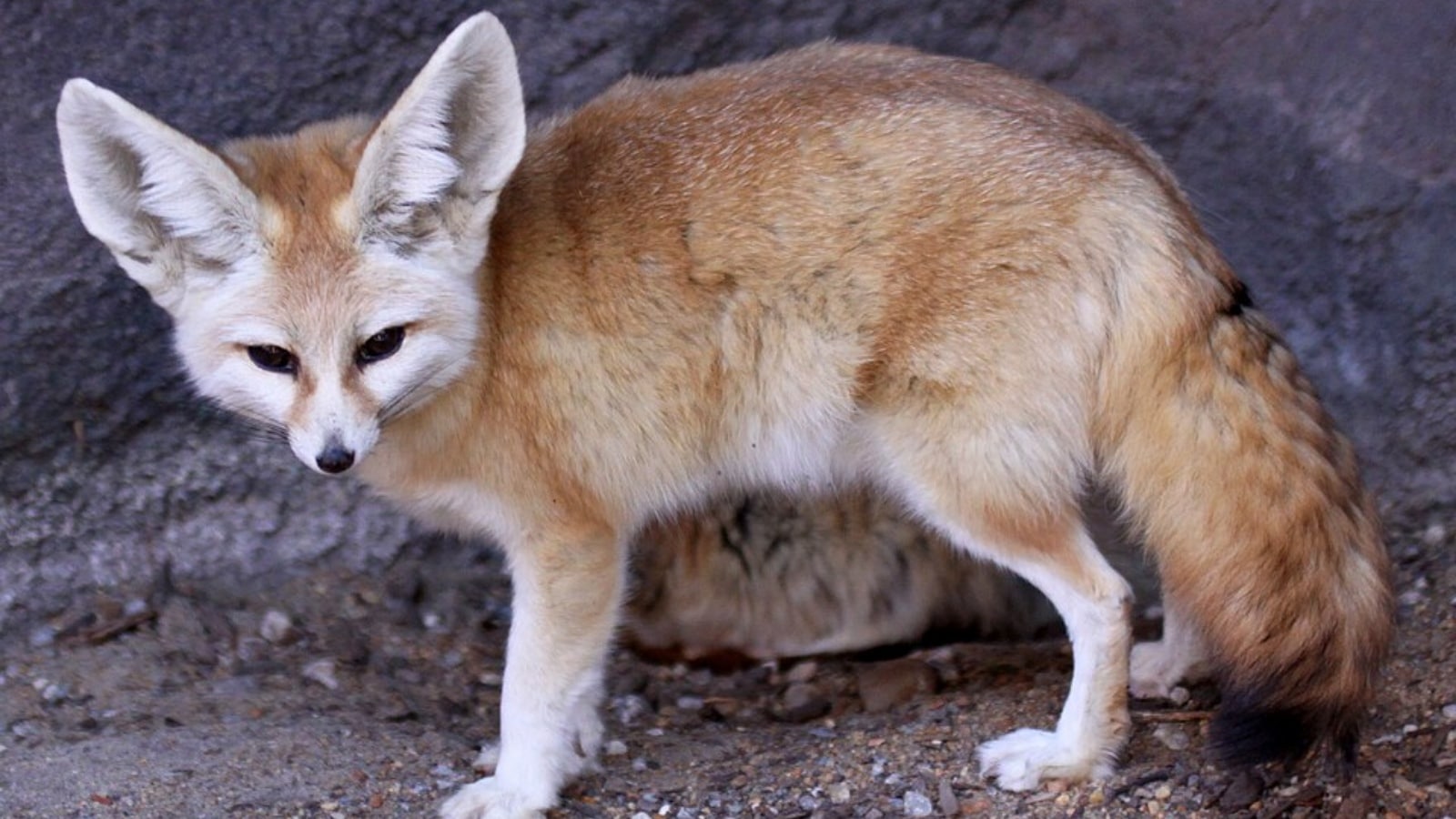
Native to the vast and unforgiving Sahara Desert, the fennec fox is instantly recognizable by its disproportionately large ears. These magnificent appendages are not merely for show; they are sophisticated thermoregulatory organs. The extensive network of blood vessels close to the skin’s surface allows the fox to radiate excess body heat into the cooler desert air, effectively acting as built-in radiators. Its pale, sandy-colored fur provides excellent camouflage against the desert landscape and reflects the intense sunlight during the day, while also offering insulation against the surprisingly cold desert nights. The fennec fox is primarily nocturnal, a behavior that allows it to avoid the most extreme temperatures of the day, emerging to hunt small prey when the sun dips below the horizon and the desert air begins to cool.
3. The Kangaroo Rat: The Arid Oasis of Efficiency
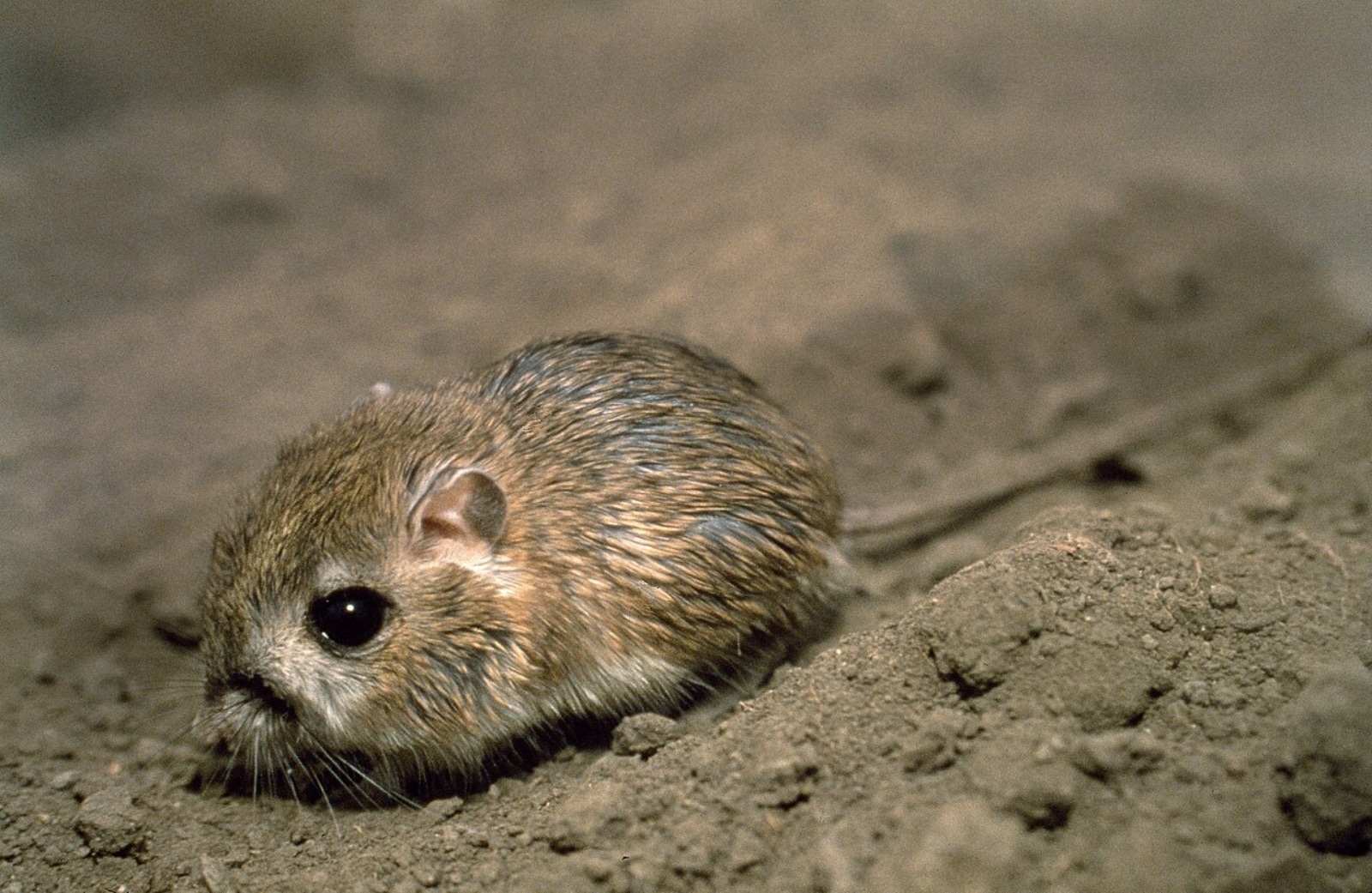
The diminutive kangaroo rat, found in the arid deserts of North America, is a marvel of water conservation. This rodent has evolved to survive without ever needing to drink free-standing water. Its primary source of hydration comes from the seeds and succulent plants it consumes. The kangaroo rat’s kidneys are exceptionally efficient, producing highly concentrated urine that minimizes water loss. They also possess specialized nasal passages that recapture moisture from exhaled air. Like many desert dwellers, they are nocturnal and spend the scorching daylight hours in cool, humid burrows dug deep underground, emerging only after dusk to forage. Their ability to extract and retain water from their diet is a testament to nature’s ingenuity in resource-scarce environments.
4. The Ostrich: Africa’s Giant of Heat Management
Africa’s largest bird, the ostrich, thrives in the harsh conditions of hot savannas and arid open lands. Its impressive stature and long legs are not just for covering vast distances in search of food and water with remarkable energy efficiency; they also play a role in thermoregulation. The bird can regulate its body temperature by adjusting blood flow to its legs and feet, radiating heat into the environment. Its dense plumage, while providing insulation, also creates a layer of cool air close to the skin, helping to dissipate heat. Ostriches also exhibit behavioral adaptations, such as panting and seeking shade when temperatures soar, demonstrating a multifaceted approach to heat survival.
5. The Desert Tortoise: The Master of Subterranean Coolness
The desert tortoise, a slow and steady survivor of arid regions, embodies the principle of conserving energy and resources. Its primary strategy for combating extreme heat is to retreat to the cool, stable environment of underground burrows. These subterranean havens maintain significantly lower temperatures than the surface, offering respite from the blistering sun. The tortoise possesses a remarkable capacity to store water in its urinary bladder, allowing it to survive for extended periods without access to fresh water sources. During periods of extreme heat, they drastically reduce their activity levels, minimizing water loss through evaporation and preventing overheating. Their deliberate pace and deep burrowing are key to their long-term survival.
6. The Meerkat: The Social Sentinels of the Kalahari
Meerkats, the charismatic inhabitants of southern Africa’s dry and hot environments, are masters of social adaptation to heat. They live in intricate underground burrow systems, which provide a crucial sanctuary from the intense daytime temperatures. These burrows maintain a remarkably stable and cooler microclimate. Meerkats also exhibit a distinctive behavior: standing upright on their hind legs to scan for predators. This posture, while serving a defensive purpose, also allows them to expose less of their body surface to direct sunlight and catch any available breeze. Their characteristic dark eye patches act like natural sunglasses, reducing glare from the sun and enhancing their vision, particularly under strong sunlight, enabling them to spot prey and threats more effectively.
7. The Thorny Devil: The Australian Lizard’s Moisture Harvesting Prowess
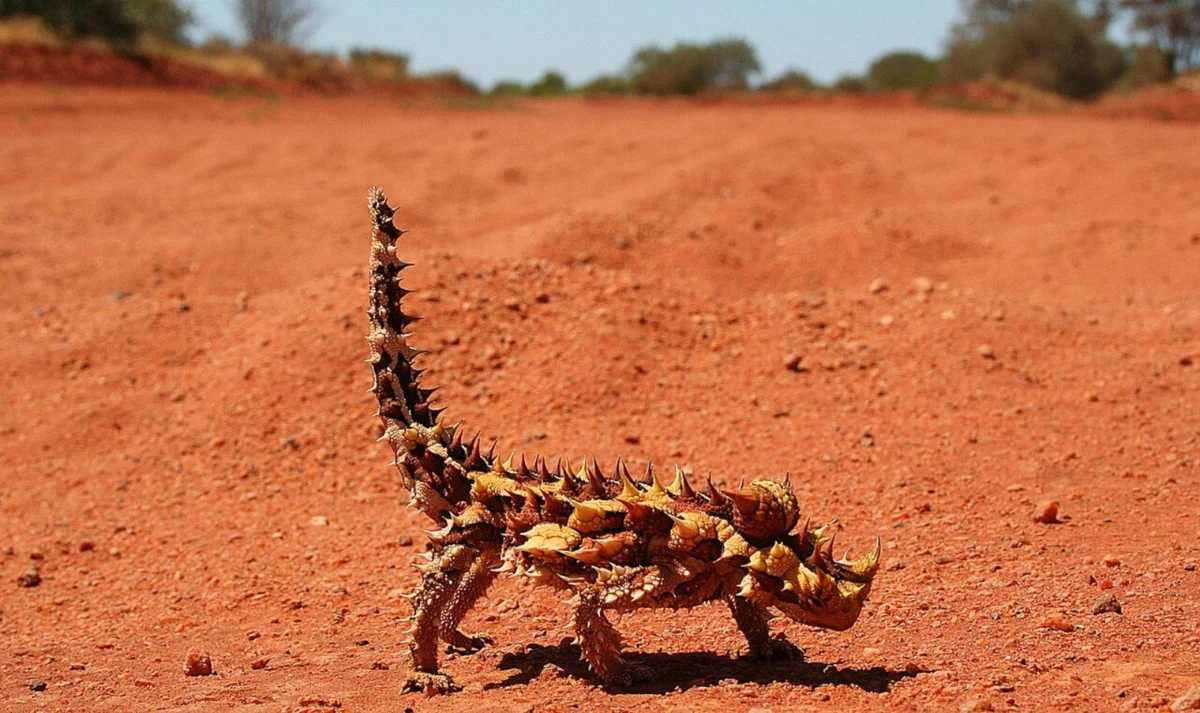
This bizarre and fascinating lizard from Australia’s harsh desert interiors showcases an extraordinary method of water acquisition. The thorny devil is covered in a mosaic of sharp, conical spines. These spines are not just defensive; they are ingeniously designed to channel even the slightest amounts of dew or rainfall towards the corners of the lizard’s mouth. Its specialized skin texture allows it to absorb tiny droplets of moisture from the ground or air. This unique adaptation enables the thorny devil to survive in regions where surface water is virtually non-existent, demonstrating a remarkable synergy between its physical form and its environment.
8. The Elephant: Gentle Giants’ Cooling Strategies
While not exclusively desert dwellers, African elephants are remarkably adept at managing heat in their often arid and hot environments. Their most prominent cooling feature is their enormous ears. These thin, vascularized appendages act as highly efficient radiators, allowing the elephants to dissipate excess body heat into the air. They actively flap their ears to enhance this cooling effect. Elephants also engage in behaviors that directly combat heat: they frequently indulge in mud baths and dust showers, which create a protective, cooling layer on their skin. Access to water sources is crucial, and they will travel considerable distances to find relief. Their activity patterns also shift with the weather, becoming more active during the cooler dawn and dusk hours, conserving energy and water during the peak heat of the day.
The Evolutionary Clockwork: A Look at Chronological Adaptations
The adaptations observed in these animals are not recent developments. They are the product of eons of natural selection, a continuous evolutionary process where traits that enhance survival and reproduction in specific environments are favored.
- Early Vertebrates and Water Conservation: The evolutionary transition of vertebrates from aquatic to terrestrial life was a monumental challenge, demanding the development of mechanisms to prevent desiccation. Early amniotes, the ancestors of reptiles, birds, and mammals, evolved impermeable skin and efficient kidneys to conserve water.
- The Rise of Deserts and Specialized Niches: As arid environments became more prevalent over geological time, animals living in these regions faced intensified selective pressures related to heat and water scarcity. This led to the diversification of desert-adapted fauna, with species evolving unique strategies to exploit available resources and mitigate extreme conditions. The kangaroo rat’s lineage, for instance, can be traced back to ancestors who likely inhabited drier regions, gradually honing their water-saving abilities.
- Behavioral Evolution in Response to Climate Cycles: The development of nocturnal activity, burrowing behaviors, and migratory patterns are all evolutionary responses to seasonal temperature fluctuations. These behaviors allow animals to align their activity with periods of more favorable temperatures, minimizing exposure to the harshest conditions. The fennec fox’s nocturnal lifestyle is a classic example of this.
- Recent Accelerations and the Anthropocene: While these adaptations have evolved over vast timescales, the current era of rapid climate change, driven by human activity, presents an unprecedented challenge. The speed at which temperatures are rising may outpace the ability of some species to adapt, leading to population declines and increased vulnerability. The study of these naturally resilient animals provides crucial insights into the potential for adaptation in a rapidly changing world.
Supporting Data: The Science Behind Survival
Scientific research provides concrete data that underpins the remarkable survival strategies of these animals.
- Physiological Limits: Studies on camels have quantified their remarkable ability to tolerate dehydration and fluctuating body temperatures. Their internal body temperature can vary by up to 6-7 degrees Celsius without ill effect, a significant advantage in minimizing water loss for evaporative cooling.
- Kidney Efficiency: Research on rodents like the kangaroo rat has revealed the extreme efficiency of their nephrons (functional units of the kidney), allowing them to produce urine with solute concentrations many times higher than that of humans, thereby maximizing water reabsorption.
- Thermoregulation Mechanisms: Biologists have extensively studied the vascularization of fennec fox ears and ostrich legs, demonstrating the physiological pathways for heat dissipation. Infrared thermography, for example, has been used to visualize heat loss from these extremities.
- Behavioral Ecology: Long-term observational studies have documented the specific foraging patterns, shelter-seeking behaviors, and social interactions of animals like meerkats and elephants in response to environmental cues, including temperature and water availability.
- Skin and Structural Adaptations: Microscopic analysis of the thorny devil’s skin has revealed the intricate micro-channels that facilitate capillary action for water absorption, a testament to sophisticated biological engineering.
Implications for Conservation and Understanding Climate Change
The survival strategies of these heat-adapted animals offer critical insights with far-reaching implications:
- Understanding Ecosystem Resilience: Studying these species helps us understand the limits of ecological resilience in the face of rising global temperatures. Their success in arid and hot environments provides a benchmark against which we can assess the vulnerability of other species.
- Informing Conservation Efforts: By understanding the specific adaptations that allow these animals to thrive, conservationists can better identify critical habitats, potential threats, and develop targeted strategies to protect vulnerable populations. For example, ensuring access to water sources for elephants or preserving the underground burrowing habitat for meerkats becomes paramount.
- Biomimicry and Technological Innovation: The ingenious designs found in nature, such as the thorny devil’s water-harvesting skin or the camel’s heat tolerance, can inspire technological innovations. Concepts derived from biomimicry could lead to more efficient cooling systems, advanced water purification technologies, and sustainable materials.
- A Call to Action on Climate Change: The ongoing challenges faced by many species due to rapid climate change underscore the urgency of global efforts to mitigate greenhouse gas emissions. The very existence of these masters of the inferno highlights the delicate balance of nature and the profound impact of human-induced environmental shifts.
Conclusion: Nature’s Enduring Ingenuity
As heatwaves become an increasingly familiar facet of our changing climate, the study of animals that have long mastered the art of summer survival offers not only a fascinating glimpse into the wonders of evolution but also a vital lesson in resilience. From the camel’s water-hoarding physiology to the fennec fox’s radiator ears, each species represents a triumph of adaptation. Their continued existence is a testament to the power of natural selection and a stark reminder of the intricate interconnectedness of life on Earth. Understanding their strategies is not merely an academic pursuit; it is an essential step in comprehending the challenges of a warming planet and in safeguarding the biodiversity that enriches our world. These creatures, in their silent endurance, challenge us to rethink our own relationship with the environment and to act decisively to protect the natural world that sustains us all.
