

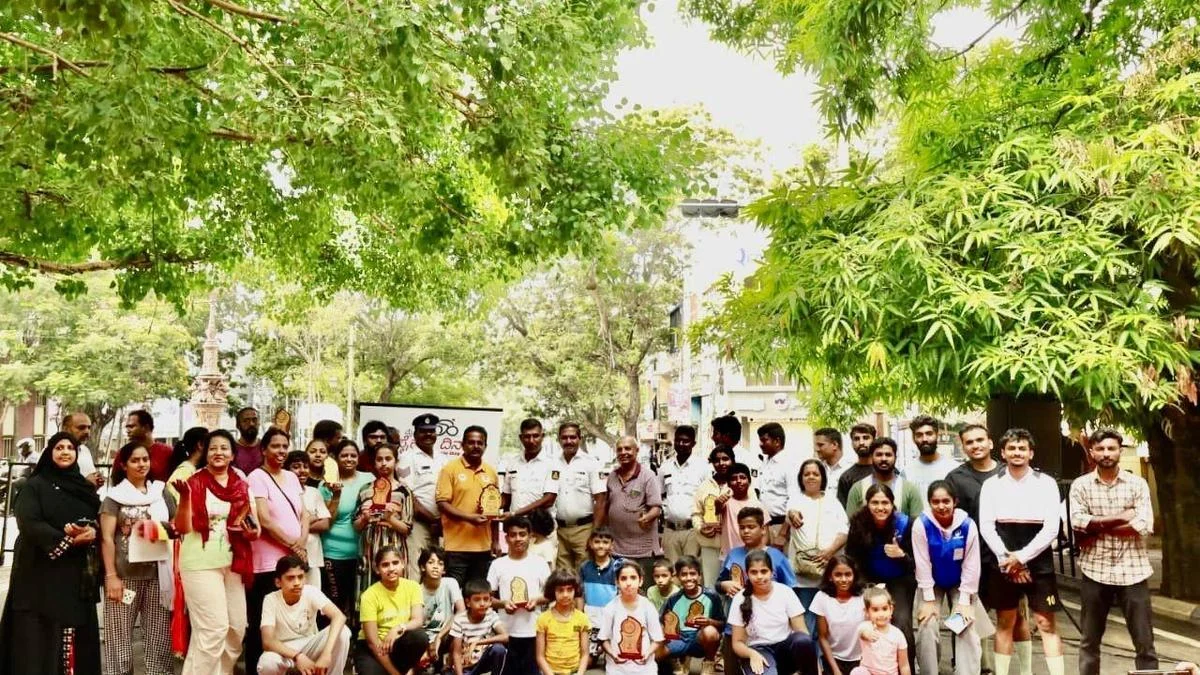
Mysuru, India – May 11, 2026 – The city of Mysuru demonstrated a vibrant commitment to environmental consciousness and active living on Monday as it hosted the fourth annual "Mysuru Cycle Day" at Saraswathipuram. The event, a significant initiative by the Mysuru City Corporation (MCC) in collaboration with GIZ and ESAF, under the umbrella of the Sustainable Urban Mobility-Air Quality (SUM-AQ) project, saw an impressive turnout, underscoring a growing public embrace of eco-friendly transportation and community engagement.
A Day Dedicated to Cleaner Commutes and Healthier Lifestyles
The core of Mysuru Cycle Day was a spirited five-kilometer cycle rally that saw hundreds of participants, ranging from dedicated cycling enthusiasts and students from various educational institutions to local residents, pedaling through the city’s streets. This mass participation served as a powerful visual testament to the growing desire for sustainable transportation alternatives and a healthier way of life. Beyond the cycling contingent, the event transformed a significant stretch of road into a lively public space, featuring "Open Street" activities and traditional games. This deliberate repurposing of urban arteries aimed to foster a sense of community and reimagine the potential of city roads as vibrant, people-centric hubs, rather than solely conduits for vehicular traffic.
The overarching objective of Mysuru Cycle Day, now in its fourth iteration, is to champion the critical importance of environment conservation, bolster public health, and advocate for pollution-free urban living. By providing a platform that actively encourages cycling and outdoor activities, the MCC and its partners are actively working to integrate sustainable practices into the daily fabric of Mysuru’s urban landscape. The success of this year’s event signals a positive trajectory in shifting public perception and behavior towards more environmentally responsible choices.
Chronology of a Greener Initiative
The journey of Mysuru Cycle Day reflects a deliberate and growing commitment to sustainable urban development within the city. While specific historical details for the prior editions are not elaborated in the provided snippet, the progression to its fourth year indicates a foundational establishment and subsequent expansion of the initiative.
The inaugural Mysuru Cycle Day likely laid the groundwork, introducing the concept of a car-free day or a day dedicated to cycling to the city’s residents. This initial phase would have focused on raising awareness and garnering initial support from local authorities and community groups.
The second and third editions would have built upon this foundation, refining the event’s logistics, expanding its reach, and potentially introducing new elements like the "Open Street" concept or collaborations with a wider array of organizations. Each year likely saw an increase in participation and a deeper integration of the event’s message into the city’s consciousness.
The fourth edition, as reported, showcases a mature and well-established event. The strong collaboration with international organizations like GIZ, a German development agency, and ESAF, a non-governmental organization, suggests a significant level of strategic planning and international backing for the SUM-AQ initiative. This collaboration likely brings expertise in sustainable mobility and air quality management, further strengthening the impact of Mysuru Cycle Day.
The meticulous organization, involving the Mysuru City Police, Traffic Police, NCC cadets, numerous educational institutions, and various government departments, points to a well-oiled machinery that has been honed over the past few years. This widespread support network ensures the smooth execution of the event, from traffic management to public engagement.
Looking ahead, the continued success and growing popularity of Mysuru Cycle Day suggest a promising future. The MCC’s stated aim to establish it as an "important platform to promote clean mobility and a healthy lifestyle" indicates an intention for sustained growth and a deeper embedding of these principles within the city’s developmental agenda. Future editions could potentially see even more ambitious goals, such as expanding the car-free zones, incorporating cycling infrastructure development alongside the event, or fostering even closer ties with the private sector to promote cycling-friendly workplaces and residential areas.
Supporting Data and the Environmental Imperative
The significance of Mysuru Cycle Day is amplified when viewed against the backdrop of global and national concerns regarding air quality and urban pollution. While specific local data for Mysuru regarding air quality levels or the impact of previous Cycle Day events is not provided, the broader context of urban mobility challenges is well-documented.
Globally, transportation is a major contributor to air pollution, releasing harmful particulate matter, nitrogen oxides, and greenhouse gases into the atmosphere. These pollutants have detrimental effects on human health, leading to respiratory illnesses, cardiovascular problems, and premature deaths. Cities worldwide are grappling with the consequences of increased vehicular emissions, including smog, reduced visibility, and long-term environmental degradation.
In India, rapid urbanization and a burgeoning vehicle population have exacerbated these issues. Many Indian cities consistently rank among the most polluted in the world, posing a significant public health crisis. Initiatives like Mysuru Cycle Day directly address this by promoting a shift away from single-occupancy vehicle usage and encouraging active modes of transport.
The five-kilometer cycle rally, while seemingly a modest distance, represents a powerful symbolic act. It demonstrates that everyday commutes can be made without reliance on fossil fuel-powered vehicles. By closing off streets for a period, the event also allows for a tangible experience of what a less congested, less polluted urban environment could feel like. This experiential aspect is crucial in shifting mindsets and encouraging long-term behavioral change.
Furthermore, the "Open Street" activities and traditional games highlight the multi-faceted benefits of prioritizing people over vehicles. These activities foster social interaction, promote physical activity beyond just cycling, and can revitalize public spaces, making them more vibrant and engaging for residents. This holistic approach acknowledges that sustainable mobility is not just about reducing emissions but also about creating more livable and community-oriented cities.
The collaboration with GIZ and ESAF under the SUM-AQ initiative is particularly noteworthy. Such partnerships bring access to international best practices, technical expertise, and potentially funding for further sustainable urban mobility projects. The focus on "Air Quality" in the initiative’s name underscores the direct link between transportation choices and the health of the urban environment and its inhabitants. The success of Mysuru Cycle Day serves as a quantifiable indicator of public engagement and a potential model for other cities looking to implement similar initiatives.
Official Responses and Future Aspirations
The Mysuru City Corporation (MCC) has positioned Mysuru Cycle Day as a cornerstone of its strategy for promoting sustainable urban development. The active organization and promotion of the event by the MCC demonstrate a clear commitment from the municipal leadership.
"Mysuru Cycle Day is steadily emerging as an important platform to promote clean mobility and a healthy lifestyle among citizens," stated an organizer, reflecting the official sentiment. This statement highlights a dual focus: the environmental imperative of reducing pollution and the health benefits derived from active transportation. The MCC’s recognition of the event’s growing significance suggests a long-term vision for integrating cycling and other sustainable modes of transport into the city’s master plans.
The collaboration with GIZ and ESAF under the Sustainable Urban Mobility-Air Quality initiative further underscores the official endorsement and the strategic importance placed on this endeavor. The involvement of international organizations suggests that Mysuru is aligning its local initiatives with global best practices and potentially leveraging external expertise and resources to achieve its sustainability goals.
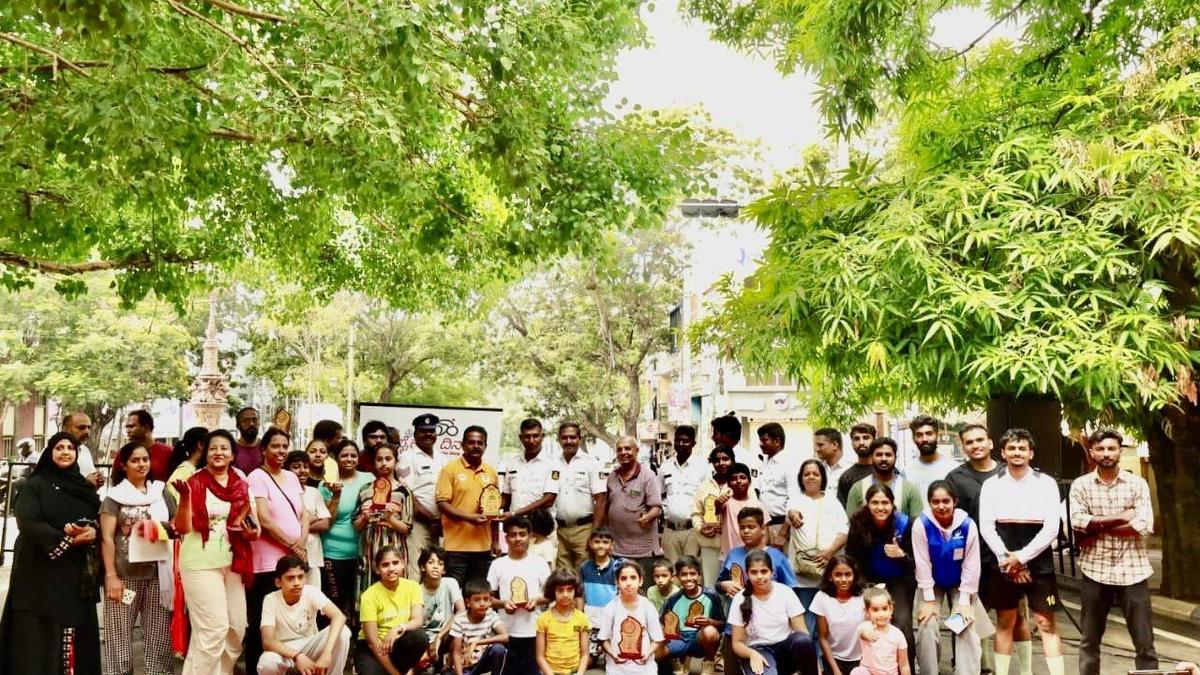
The Mysuru City Police and Traffic Police’s active support, alongside the participation of NCC cadets and various government departments, signifies a unified approach by city authorities. This cross-departmental cooperation is essential for the successful implementation of urban mobility initiatives that often require coordinated efforts in traffic management, public awareness campaigns, and infrastructure development.
The MCC expressed its gratitude to volunteers, partner organizations, and the public for their contributions to the event’s success. This acknowledgment of community involvement is crucial for fostering a sense of ownership and encouraging continued participation in future initiatives. It indicates a recognition that sustainable change is a collective effort, requiring the active engagement of all stakeholders.
Looking ahead, the MCC’s efforts with Mysuru Cycle Day are likely to pave the way for more ambitious urban mobility projects. This could include:
- Expansion of Cycling Infrastructure: Investing in dedicated cycle lanes, secure bicycle parking facilities, and cycle-sharing programs.
- Public Awareness Campaigns: Sustained efforts to educate citizens about the benefits of sustainable transport and encourage behavioral change.
- Policy Integration: Incorporating principles of sustainable mobility into urban planning policies, building codes, and transportation regulations.
- Partnerships with Businesses: Encouraging corporate adoption of cycling-friendly policies, such as providing bicycle parking or shower facilities for employees.
- Data Collection and Monitoring: Establishing systems to track the impact of these initiatives on air quality, traffic congestion, and public health.
The success of Mysuru Cycle Day is a strong indicator of the city’s potential to become a leader in sustainable urban mobility in India.
Implications for Urban Living and a Greener Future
The success of the fourth Mysuru Cycle Day carries significant implications for the city’s future development and the broader discourse on sustainable urban living. The event serves as a powerful microcosm of the transformative potential that embracing cleaner and healthier modes of transportation can bring to an urban environment.
Enhanced Public Health: By actively promoting cycling, Mysuru Cycle Day directly contributes to improved public health. Regular cycling is a proven method for combating sedentary lifestyles, reducing the risk of obesity, cardiovascular diseases, diabetes, and certain types of cancer. The event encourages a shift towards active commuting, which can lead to a healthier and more productive citizenry. The reduction in air pollution, a direct consequence of decreased vehicular emissions, further mitigates the prevalence of respiratory and other pollution-related ailments.
Improved Air Quality: The most immediate and visible implication of events like Mysuru Cycle Day is the improvement in air quality. With fewer vehicles on the road, the concentration of harmful pollutants diminishes, leading to clearer skies and a more breathable environment. This not only benefits human health but also contributes to the overall ecological well-being of the city. The SUM-AQ initiative’s focus highlights the direct correlation between mobility choices and air quality, making this event a critical component of a larger environmental strategy.
Vibrant and People-Centric Public Spaces: The transformation of road stretches into "Open Streets" demonstrates a fundamental rethinking of urban space. Instead of being exclusively dedicated to vehicular movement, roads can be reimagined as dynamic public areas that foster community interaction, recreation, and cultural activities. This can lead to more vibrant neighborhoods, increased social cohesion, and a greater sense of belonging among residents. The success of these "Open Street" elements suggests a strong public appetite for such spaces.
Economic Benefits: While not explicitly detailed, sustainable mobility initiatives can also yield economic benefits. Reduced reliance on fossil fuels can lead to cost savings for individuals and the city. Furthermore, a cleaner and more attractive urban environment can boost tourism and attract businesses that prioritize sustainability. The development of cycling-related industries, such as bicycle manufacturing, repair, and tourism, can also create employment opportunities.
Behavioral Shift and Long-Term Sustainability: The recurring nature of Mysuru Cycle Day is crucial for embedding sustainable practices into the city’s culture. Each event acts as a reminder and an incentive for individuals to consider cycling or other forms of active transport for their daily commutes. This gradual but persistent shift in behavior is essential for achieving long-term sustainability goals. The event helps to normalize cycling as a legitimate and desirable mode of transportation, moving it from a niche activity to a mainstream option.
A Model for Other Cities: The success of Mysuru Cycle Day, particularly with its international collaborations, positions it as a potential model for other Indian cities grappling with similar urban mobility and environmental challenges. The event provides a tangible blueprint for organizing large-scale, community-driven initiatives that promote sustainable living and can be adapted and replicated elsewhere.
In conclusion, Mysuru Cycle Day is more than just a one-day event; it represents a growing commitment to a sustainable and healthy future for the city. By prioritizing people over pollution and community over congestion, Mysuru is pedaling towards a brighter and greener tomorrow.
