

By [Author Name], Social Affairs Editor, The Hindu
In the intricate tapestry of human interaction, where power dynamics often masquerade in mundane forms, the humble pistachio emerges as a surprisingly potent symbol. This article delves into a personal anecdote that, through the lens of satire, illuminates broader societal structures, revealing how perceived status, individual choices, and even the simple act of shelling nuts can reflect and reinforce hierarchical divisions. The narrative, rooted in a colloquial Tamil expression, unravels a tale of two distinct groups, their allegiances, and the enduring, albeit humorous, struggle for dominance.
The Pista Paradigm: Defining the Elite and the Masses
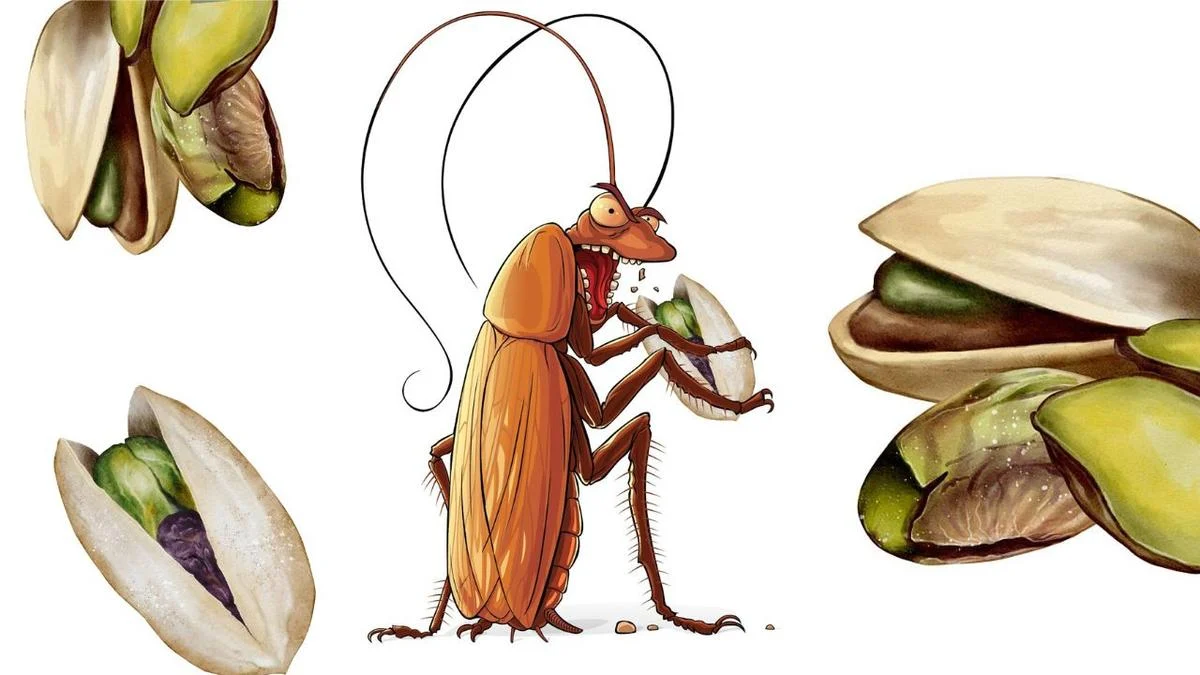
The genesis of this exploration lies in a poignant, yet revelatory, aphorism passed down from the author’s late father. In colloquial Tamil, the term "pista" transcends its literal meaning of a shelled nut to signify a "don" or a "big shot" – an individual of considerable influence and power. The father, imbued with a rebellious spirit, articulated a stark dichotomy: "There are two kinds of people. Pistas and cockroaches. Pistas are few but look after each other. The cockroaches are many but are divided. Cockroaches are more loyal to one or the other pista than to other cockroaches. That’s why pistas will always rule over cockroaches." This stark pronouncement, offered during childhood in Chennai, provided the author’s initial, and singular, understanding of the word "pista." It established a foundational metaphor for social stratification, where a select, cohesive elite holds sway over a fragmented and less influential majority.
This initial perception of "pista" as a descriptor of power and exclusivity was later broadened by the author’s move to Delhi as a teenager. The annual tradition of visitors bearing gifts of nuts, often referred to as "dry fruits," during the Diwali season, introduced a more literal interpretation of the term. These packages, invariably containing a mix of walnuts, almonds, cashews, raisins, and the distinctively shelled pistachio, presented a tangible manifestation of the nut that had previously represented an abstract concept of power. This duality – the metaphorical "big shot" and the physical nut – began to intertwine, setting the stage for a more nuanced, and eventually, humorous, examination of their relationship.
A Nutty Rivalry: Health, Habits, and the Quest for Well-being
The personal journey within this narrative takes a significant turn with the author’s burgeoning fondness for roasted cashews, a comfort food that became a ritualistic indulgence during times of stress. However, this seemingly innocuous habit soon became a focal point of concern, mirroring the author’s own perception of declining personal health and, by extension, the nation’s economic trajectory. The "mindless snacking," particularly the copious consumption of cashews, was identified as a detrimental factor, negatively impacting gut health.
It was during a consultation with a gastroenterologist that the "pista" re-entered the narrative, this time with a therapeutic imperative. The medical professional, observing the author’s dietary habits, suggested a dietary pivot: "If you love nuts so much, switch to pista." The rationale provided was compellingly pragmatic, highlighting the nutritional advantages of pistachios over cashews. "Less carbs, higher protein, more fibre," the doctor explained. Furthermore, a crucial behavioral insight was offered: "Also, having to shell each pista will slow you down, reduce overall consumption." This observation underscored the inherent mechanism within the pistachio itself that could regulate consumption, a stark contrast to the effortless indulgence of pre-shelled cashews.
The immediate aftermath of this medical advice saw a swift transition. Within hours, three packets of pistachios arrived, and a former cookie jar was repurposed as a dedicated "pista jar." This physical act of acquiring and storing pistachios marked the beginning of a conscious effort to implement the doctor’s advice, setting in motion a series of events that would test the author’s resolve and, more importantly, reveal the intricacies of familial dynamics.
The Joys and Frustrations of the Shelling Ritual
The transition to pistachios, as predicted, proved to be a more deliberate snacking experience. The act of shelling, initially perceived as an inconvenience, introduced a necessary friction to the consumption process. This physical barrier effectively slowed down the author’s intake, contributing to a reduction in overall calorie consumption and, consequently, improved sleep patterns. The initial days were marked by a sense of accomplishment and well-being, a tangible reward for adopting healthier habits.
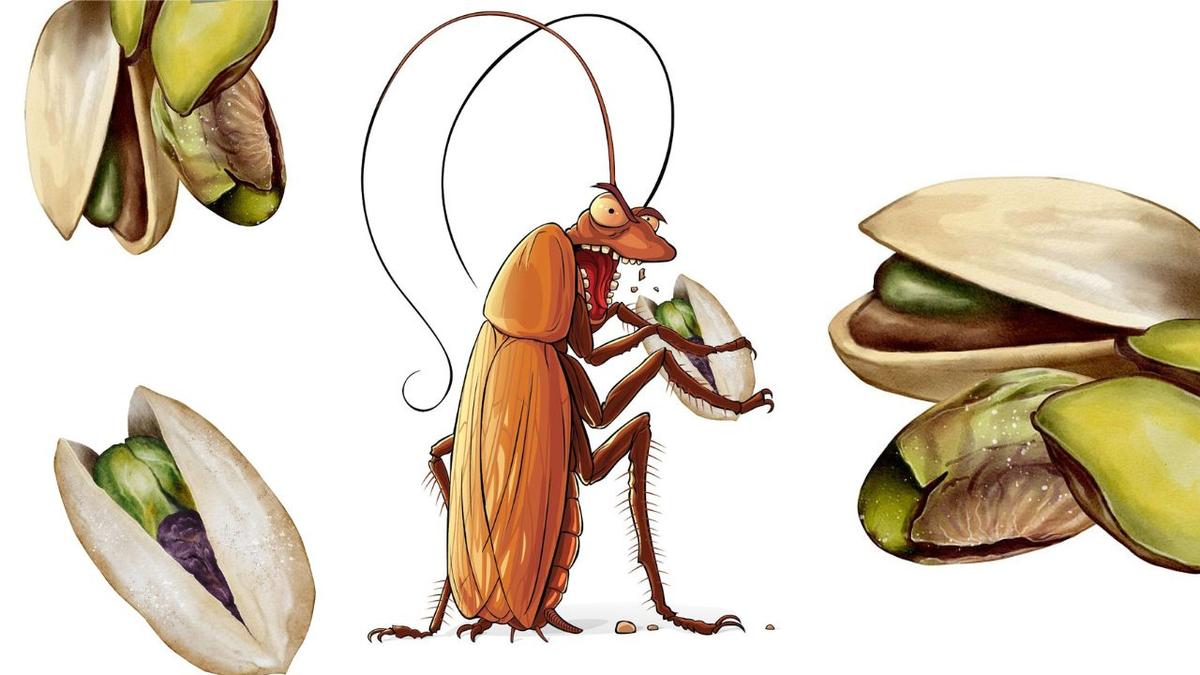
However, the narrative takes a sharp and unexpected turn, introducing an element of domestic intrigue. On the sixth day of this new dietary regime, the author reached for the pista jar, only to discover a disconcerting reality: a jar seemingly full, yet yielding nothing but empty shells. A thorough investigation revealed that every single pistachio had been hollowed out, the kernels mysteriously vanished, and the empty shells meticulously replaced. This act of apparent sabotage, performed by an unknown culprit, ignited a surge of indignation. The author questioned the very possibility of enjoying a simple pleasure, like eating pistachios, in peace within one’s own home.
The immediate suspect, Katta, the author’s son, was confronted. His denial was swift and unequivocal. When pressed, he deflected suspicion towards his grandmother, the author’s mother. The mother, herself a diabetic with a penchant for nuts, also vehemently denied any involvement, emphasizing her aversion to entering the author’s study. The familial dance of accusations and denials continued, with the mother, in turn, subtly pointing the finger back at Katta’s mother – the author’s wife.
Unraveling the Truth: Domestic Diplomacy and the Art of Blame
The investigation finally led to the author’s wife. Her confession, delivered with an air of pragmatism, revealed a culinary caper rooted in domestic inconvenience. She admitted to having consumed "a few" pistachios. However, the crucial detail that exacerbated the author’s frustration was the deliberate re-filling of the jar with empty shells. Her justification was rooted in the perpetual overflow of the waste basket in the author’s study, a long-standing point of contention. "The waste basket on your desk is perpetually overflowing," she explained, "I’ve been telling you to empty them for years now. Anyway, I don’t litter. So, I put the shells in the only container available on your table."
This revelation, while solving the mystery, simultaneously shifted the narrative’s focus. The author found himself in a position where the entire situation had, through a subtle manipulation of domestic circumstances, been construed as his own fault. The overflowing waste basket, a symbol of his own perceived disorganization, had inadvertently created the perfect alibi for his wife’s actions and the subsequent "crime." The conversation, realizing its futility, was wisely curtailed, leading to a new strategy: hiding the pista jar.
However, the problem persisted. The author’s own forgetfulness in hiding the jar after snacking meant that the cycle of discovering empty shells often repeated itself. This recurring frustration introduced a new layer of metaphorical interpretation to the pistachio experience.
The Duplicitous Pista: A Microcosm of Societal Deception
The author’s frustration with the duplicitous pistachios, those that appear promising with a slightly parted shell, yet reveal nothing but emptiness, serves as a powerful allegory for a broader societal disillusionment. These "kind-looking" pistachios, offering a false sense of reward and anticipation, mirror the experiences of individuals who encounter superficial promises and deceptive appearances in their interactions with institutions and individuals in power. The phrase "Mann ki Baat," borrowed from the Prime Minister’s radio address, evokes a sense of introspection and earnest communication, ironically juxtaposed with the deceptive nature of these particular pistachios.
The author’s declaration, "It’s these duplicitous pistas that make me really angry. But it’s a pista. Nothing I can do about it. I am just a cockroach," brings the narrative full circle, re-emphasizing the father’s original metaphor. The inability to influence or control the outcome with these deceptive pistachios, coupled with the self-identification as a "cockroach," underscores the persistent feeling of powerlessness in the face of established hierarchies. The "pista" remains the ruler, and the "cockroach" is left to navigate the consequences of their machinations, even when those machinations manifest in the seemingly trivial act of pilfering nuts.
This satirical piece, through its humorous exploration of personal dietary choices and familial interactions, cleverly dissects the underlying power dynamics that shape our social fabric. The humble pistachio, a symbol of both exclusive power and everyday indulgence, becomes a potent metaphor for the complex interplay between privilege, vulnerability, and the enduring struggle for a fair share, even in the most mundane of circumstances. The narrative serves as a poignant reminder that beneath the veneer of everyday life, the principles of hierarchy and influence, as articulated by the author’s father, continue to play out in often unexpected and amusing ways.
