

New Delhi, June 23, 2026 – The already turbulent landscape of the National Eligibility cum Entrance Test (NEET-UG) 2026 was further marred by controversy on Sunday, June 21, as a significant number of students were denied entry into examination centers for arriving mere minutes past the stipulated time. This exclusionary action has ignited widespread condemnation, with political figures and student advocacy groups questioning the Union government’s perceived "harsh" approach, particularly in the wake of repeated exam irregularities that necessitated the re-examination in the first place.
The re-NEET-UG 2026 examination, intended as a fresh start for candidates affected by the previous exam’s systemic failures, has instead become a source of profound disappointment and dashed hopes for many. The decision to strictly enforce late-entry rules, even for candidates who had already endured the stress of exam cancellations and the uncertainty surrounding the re-test, has drawn sharp criticism and amplified calls for accountability from higher authorities.
CJP Founder Denounces "Unfair" Treatment of Students
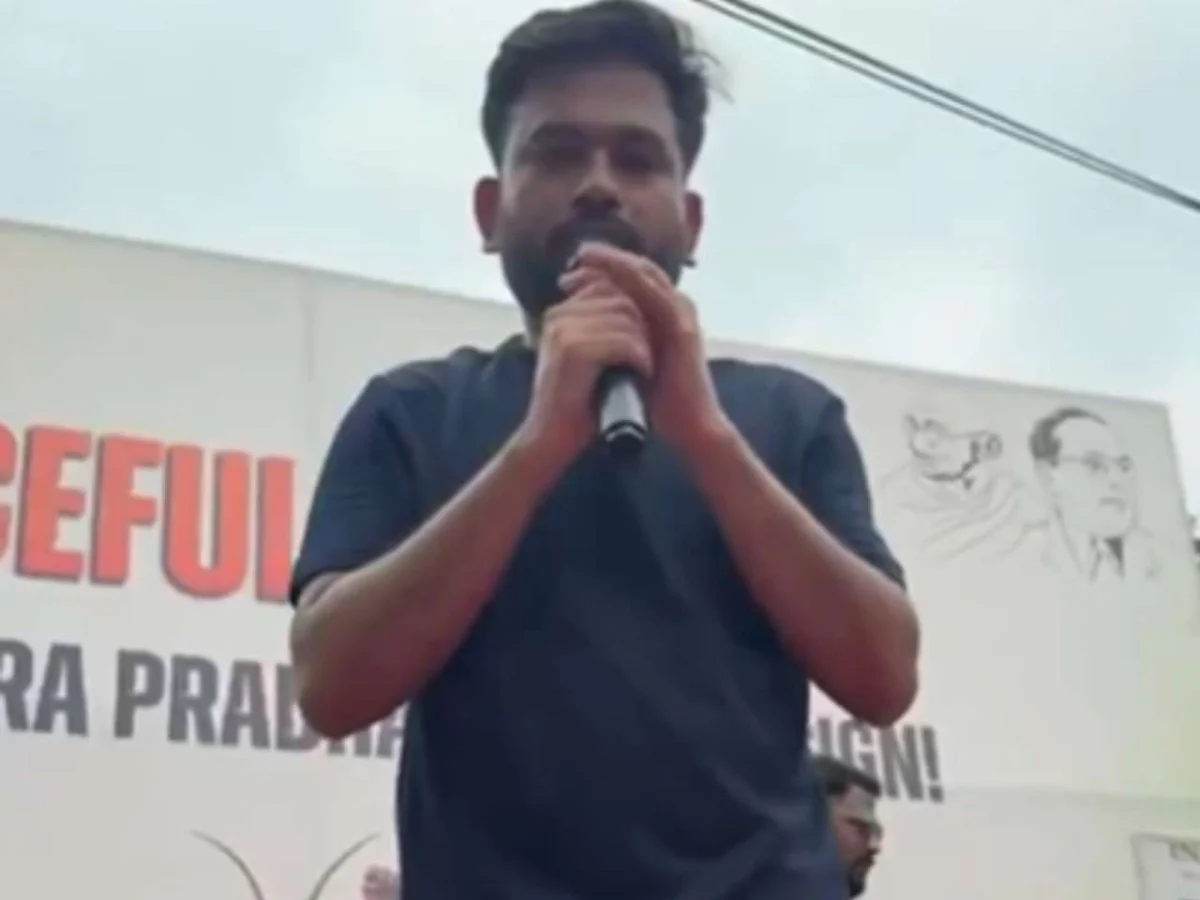
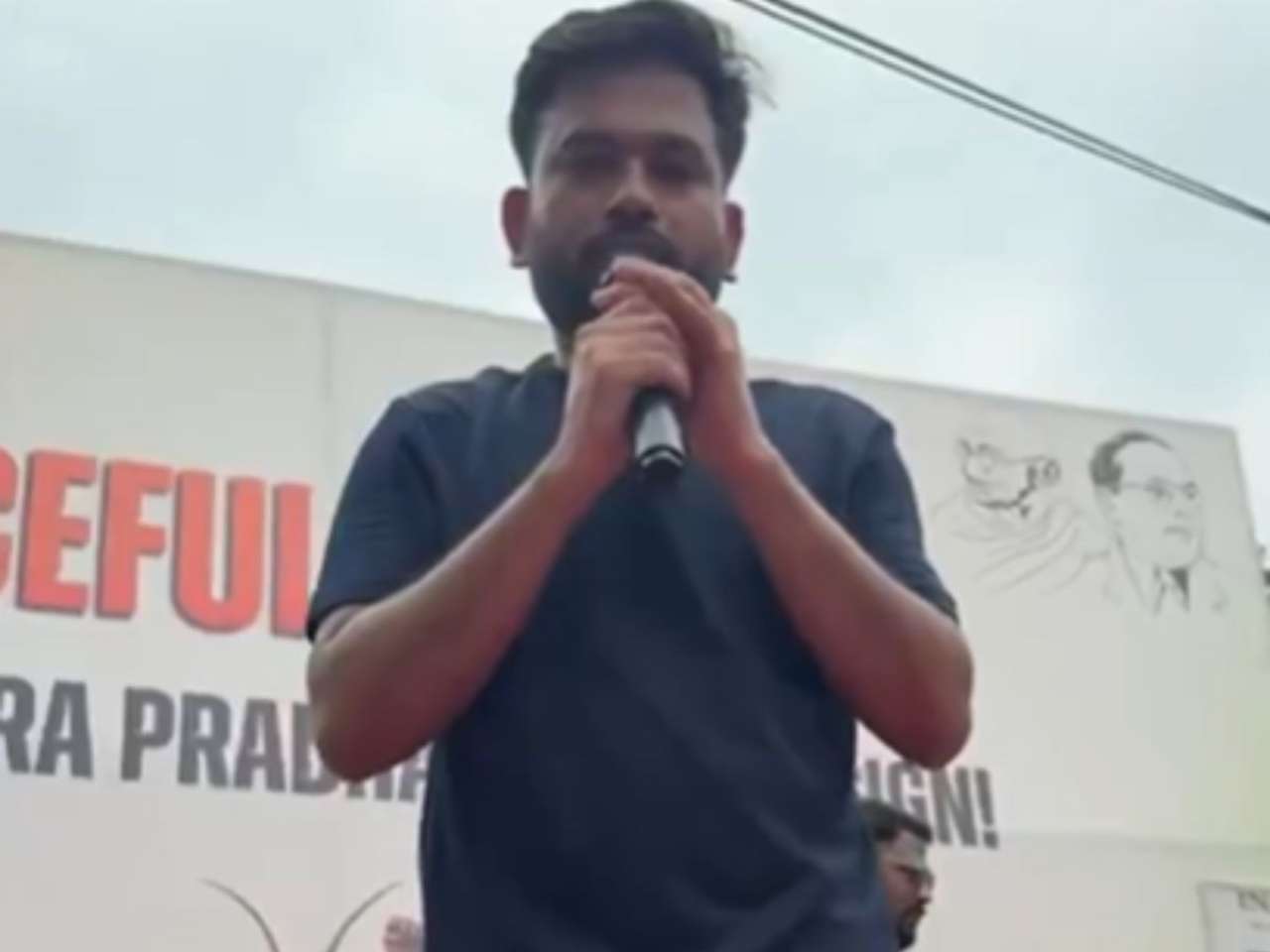
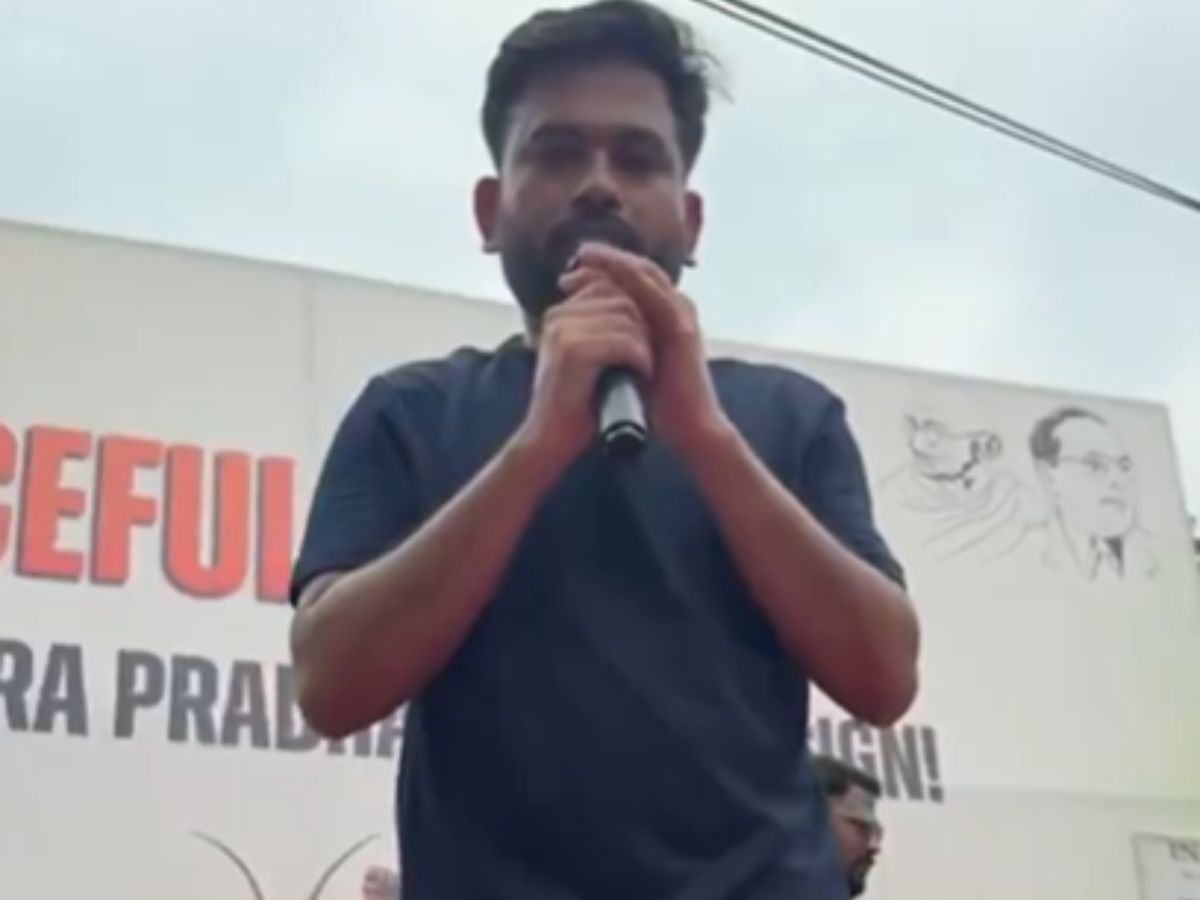
Among the most vocal critics is Abhijeet Dipke, the founder of the Cockroach Janata Party (CJP), who did not mince words in his denunciation of the government’s handling of the situation. In a strongly worded statement and a social media post, Dipke articulated the frustration felt by many, questioning the rationale behind punishing students for minor delays.
"Why is the government being so harsh on students who arrived a few minutes late for the re-exam, especially when it was the government itself that failed to conduct the exam properly?" Dipke questioned, directly addressing the Union government. "You want to punish students for arriving late. When will you punish the minister for the paper leaks?" His remarks highlight a prevalent sentiment that the burden of systemic failures is disproportionately placed on the shoulders of the students, who are the primary victims of the prolonged exam crisis.
)
Dipke’s statement, widely circulated on social media platforms, underscored the perceived hypocrisy of the government’s actions. While students are being penalized for tardiness, the individuals responsible for the initial paper leaks and subsequent mismanagement of the examination process have yet to face commensurate consequences. The CJP founder reiterated his demand for the sacking of Union Education Minister Dharmendra Pradhan, holding him accountable for the repeated disruptions and the erosion of trust in the examination system.
Chronology of Disappointment: A Re-Exam Plagued by Setbacks
The NEET-UG 2026 saga has been a protracted ordeal for aspiring medical professionals. The original examination, held on May 5, 2026, was marred by widespread allegations of paper leaks and irregularities, leading to immense distress for hundreds of thousands of students. The National Testing Agency (NTA), the body responsible for conducting the exam, faced intense scrutiny, and the government, after initial resistance, eventually ordered a re-examination for a portion of the affected candidates.

The re-NEET-UG 2026 was scheduled for June 23, 2026. However, due to logistical issues and a perceived mix-up in the examination schedule for some candidates, the exam was further rescheduled to June 21, 2026, for a specific group. This constant flux in dates and the uncertainty surrounding the examination process added to the already considerable mental burden on the students.
The events of June 21, 2026, have now added another grim chapter to this narrative. Reports from various examination centers across the country indicated that numerous students, despite having navigated the challenges of cancelled exams, leaked papers, and rescheduled dates, were turned away for arriving a few minutes late. This strict enforcement of the ‘no late entry’ rule, particularly in the context of a re-examination necessitated by the government’s own failings, has been widely decried as insensitive and counterproductive.
)
Supporting Data: The Human Cost of Bureaucratic Rigidity
The impact of being denied entry to the NEET re-exam extends far beyond a single missed opportunity. For many students, this was their last chance to secure a medical seat for the academic year 2026-27. The years of rigorous preparation, the financial investments made by families, and the immense emotional toll of aspiring for a career in medicine have now culminated in a heartbreaking exclusion, often for reasons as trivial as a few minutes of delay.
The outrage is palpable on social media and has been amplified by anecdotal evidence shared by affected students and their families. Stories of students who faced significant travel challenges, unforeseen traffic disruptions, or even minor personal emergencies, only to be barred from entering the examination hall, have flooded online forums. This has fueled a collective sense of injustice, with many questioning the lack of empathy and flexibility shown by the authorities.
)
Furthermore, the context of the re-examination is crucial. The original NEET-UG 2026 was widely reported to have been compromised by systemic failures. The government’s decision to conduct a re-exam was an acknowledgment of these lapses. To then penalize students for minor infractions on the day of this remedial examination appears to many as a cruel irony, suggesting a disconnect between the government’s stated commitment to student welfare and its actual administrative practices.
Official Responses: A Muted Acknowledgment Amidst Growing Scrutiny
While the Union Education Ministry and the NTA have yet to issue a comprehensive official statement addressing the specific incidents of students being denied entry on June 21, their general stance on examination procedures has always been one of strict adherence to rules. The NTA’s examination guidelines typically stipulate that candidates must report to the center well before the commencement of the exam, with a clear cut-off time for entry.
)
However, in the face of mounting public pressure and criticism, sources within the Ministry have indicated that the matter is being reviewed. There is a growing realization that the rigid enforcement of late-entry rules, particularly in this highly sensitive context, might have been an oversight or a misjudgment. The widespread condemnation is likely to prompt a more formal response, potentially including an inquiry into the specific instances and a review of the NTA’s protocols for future examinations.
The silence from the highest levels of government on this specific issue, while the NEET crisis continues to unfold, has only exacerbated the frustration. Students and parents are looking for reassurance and a clear indication that their concerns are being heard and addressed with the seriousness they deserve.
)
Implications: Erosion of Trust and the Future of Medical Entrance Exams
The recurring controversies surrounding NEET-UG 2026 have significant implications for the future of medical entrance examinations in India and the trust students place in the examination system.
Erosion of Trust: The repeated instances of paper leaks, administrative errors, and now the exclusion of students from a re-examination due to minor delays, have severely eroded the credibility of the NTA and the Ministry of Education. Students and their families are increasingly questioning the fairness and transparency of the examination process, leading to a general sense of disillusionment.
)
Mental Health Crisis: The prolonged uncertainty and stress associated with the NEET examinations have taken a severe toll on the mental health of students. The recent suicides of two NEET aspirants in the days leading up to the re-exam are a stark reminder of the immense pressure and emotional distress these students are enduring. The government’s response to these tragedies, and its handling of the current controversies, will be critical in addressing this burgeoning mental health crisis.
Demand for Reform: The ongoing NEET crisis has amplified calls for comprehensive reforms in the examination system. This includes greater transparency in the NTA’s operations, stricter accountability for officials responsible for exam conduct, and a more robust mechanism for addressing student grievances. The current situation demands not just damage control but a fundamental re-evaluation of how high-stakes examinations are conducted in India.
)
Political Ramifications: The CJP’s strong stance and the widespread public outcry could have political ramifications, particularly as the Cockroach Janata Party seeks to position itself as a voice for the common citizen. The government’s handling of the NEET crisis will likely be a significant factor in public perception and electoral considerations in the future.
The NEET-UG 2026 saga is far from over. As investigations continue and public pressure mounts, the government faces the crucial task of not only resolving the immediate crisis but also of rebuilding trust and ensuring that the aspirations of countless young Indians are not repeatedly shattered by systemic failures and administrative rigidity. The question of accountability, for the paper leaks, the administrative lapses, and the harsh exclusion of students, remains paramount.
