

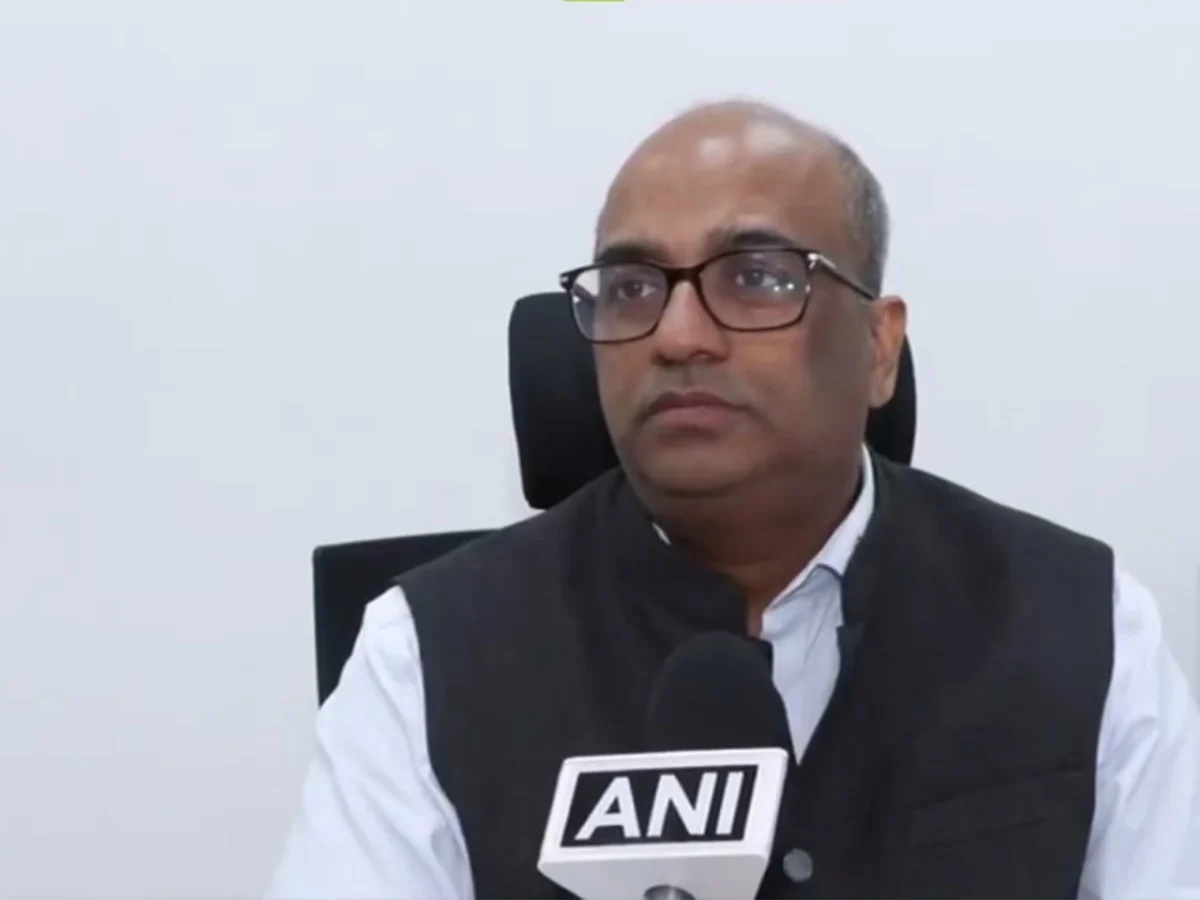
New Delhi: In a decisive move to uphold the integrity of medical entrance examinations, the National Testing Agency (NTA) successfully conducted the NEET-UG 2026 re-examination on June 21st. The nationwide and international retest, necessitated by prior irregularities, saw an impressive turnout of over 20 lakh candidates vying for a spot in undergraduate medical courses. The examination, held across 5,440 centres within India and an additional 14 international venues, was administered in 13 languages, underscoring its global reach and the NTA’s commitment to inclusivity.
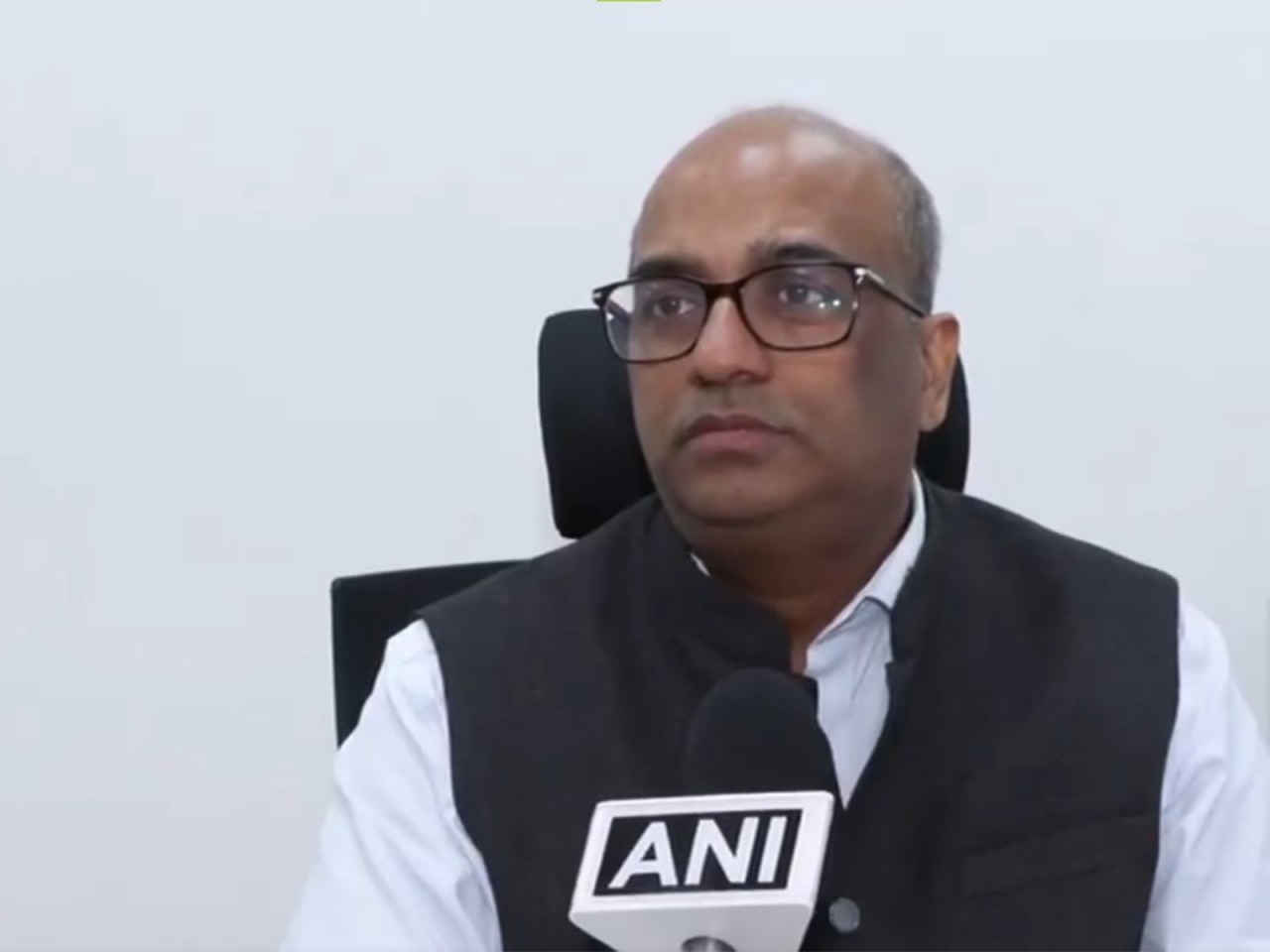
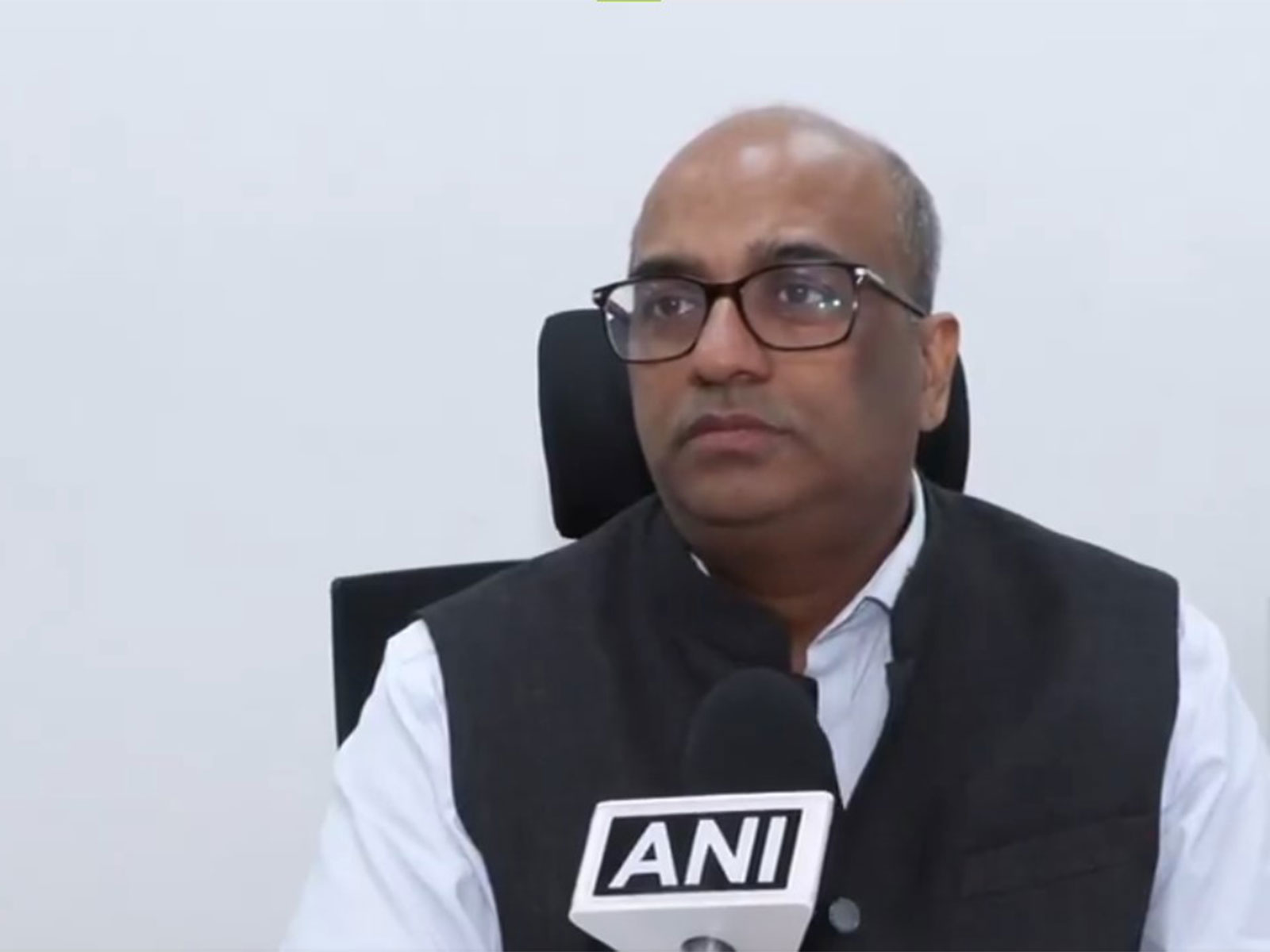
Director General of the NTA, Abhishek Singh, on Sunday, provided a comprehensive overview of the re-examination process, projecting an air of assuredness regarding its smooth execution and the absence of any reported malpractices. "So far, from what we have heard, everything went well. We have received good reports," Singh stated, highlighting the collaborative efforts of various government bodies and departments that facilitated the secure and convenient conduct of the exam. When questioned about the possibility of question paper leaks, a concern that had cast a shadow over the original examination, Singh emphatically declared, "Not so far. But NTA is working aggressively in order to ensure the integrity of the process. We are 100 percent confident. We are 100 percent confident about the whole process this time."
The significant undertaking involved the deployment of extensive security measures, meticulously designed to prevent any recurrence of past issues. These included advanced technologies such as Aadhaar-based biometric and facial authentication, a robust network of CCTV surveillance, signal jammers to thwart any electronic interference, and rigorous two-layer frisking of candidates and personnel at all examination centres. The scale of the operation was further amplified by the mobilization of approximately seven lakh personnel, encompassing police teams, observers, and examination staff, underscoring the high-stakes nature of the retest. The NTA also acknowledged the crucial support extended by several central ministries and departments, including the Ministry of Home Affairs, Ministry of Defence, Ministry of External Affairs, Ministry of Health and Family Welfare, the Department of Posts, and various banking partners, emphasizing a unified national effort to safeguard the examination’s sanctity.
The Genesis of the Retest: A Chronicle of Controversy and Correction
The NEET-UG 2026 examination, originally scheduled for May 3rd, became a focal point of national concern following allegations of a widespread question paper leak. The gravity of these accusations led to the cancellation of the original examination, triggering widespread student anxiety and demanding immediate corrective action from the authorities. The Central Bureau of Investigation (CBI) was subsequently tasked with a thorough investigation into the paper leak, aiming to identify the culprits and dismantle any organized networks involved in such fraudulent activities.
)
In response to the unprecedented situation, the NTA, after a comprehensive review and in consultation with relevant stakeholders, announced a re-examination for all candidates who had registered for the original NEET-UG 2026. This decision, while met with some logistical challenges and student apprehension, was framed as a necessary step to ensure fairness and provide a level playing field for all aspirants. The announcement of the retest date, June 21st, initiated a period of intense preparation for the affected students, who were once again thrust into the demanding rigors of exam revision.
The period leading up to the retest was characterized by heightened scrutiny of all examination-related processes. The NTA, under immense public and official pressure, pledged to implement stringent measures to prevent any further compromise of the examination’s integrity. This commitment translated into the robust security protocols observed during the June 21st re-examination, a stark contrast to the vulnerabilities exposed in the original event.

Unprecedented Security Apparatus: A Fortress of Fairness
The NTA’s commitment to a foolproof re-examination was visibly demonstrated through the deployment of a multi-layered security framework. The integration of Aadhaar-based biometric and facial authentication served as a critical first line of defense, ensuring that only the registered candidates gained access to the examination halls. This technology not only verified identities but also aimed to prevent impersonation, a common modus operandi in exam malpractices.
Complementing the biometric checks, a comprehensive CCTV surveillance system was installed across all examination centres. These cameras meticulously recorded every activity within and around the examination halls, providing an invaluable audit trail and acting as a potent deterrent against any illicit activities. The use of signal jammers was another significant measure, effectively blocking any attempts to transmit or receive information wirelessly, thereby neutralizing potential cheating methods involving electronic devices.
)
Furthermore, the implementation of a two-layer frisking process ensured that no unauthorized materials or devices were carried into the examination centres. This meticulous physical screening, conducted by trained personnel, aimed to eliminate any possibility of candidates smuggling in contraband or aids for cheating. The NTA’s proactive approach to security was not confined to technological solutions but also involved the human element, with a large contingent of trained observers and examination staff present to monitor the proceedings and address any immediate concerns.
The extensive mobilization of approximately seven lakh personnel underscored the scale of the NTA’s commitment. This included personnel from state police forces, who provided on-ground security and logistical support, as well as dedicated observers from academic institutions and government bodies, tasked with ensuring adherence to examination norms. The involvement of multiple ministries and departments, ranging from the Ministry of Home Affairs for security coordination to the Ministry of External Affairs for the smooth conduct of international centres, highlighted the collaborative nature of this national endeavor.
)
Supporting Data: Scale and Scope of the Retest
The sheer scale of the NEET-UG 2026 re-examination offers a compelling perspective on its significance.
- Candidate Turnout: Over 20 lakh candidates appeared for the retest, reflecting the immense aspirations of a generation pursuing careers in medicine. This figure represents a substantial portion of the nation’s youth aspiring to join the medical fraternity.
- Exam Centres: The examination was conducted across 5,440 centres nationwide, indicating the widespread reach required to accommodate such a large number of candidates. In addition, 14 international centres were established, demonstrating the global appeal of Indian medical education and the NTA’s capacity to manage international examination logistics.
- Linguistic Diversity: The availability of the examination in 13 languages underscored the NTA’s commitment to inclusivity and accessibility, ensuring that linguistic barriers did not impede deserving candidates from participating.
- Personnel Deployment: The mobilization of around seven lakh personnel, including police, observers, and examination staff, highlights the immense logistical and security challenges involved in conducting an examination of this magnitude.
Official Responses: Reassurance and Commitment
The NTA Director General, Abhishek Singh, emerged as the primary spokesperson for the agency, consistently reassuring the public and the student community about the integrity of the re-examination. His statements, particularly the "100 percent confident" assertion, carried significant weight, aiming to restore faith in the examination process.
)
"We have received good reports," Singh stated, indicating that initial feedback from the examination centres was overwhelmingly positive. He emphasized the extensive support received from state governments and various government departments, acknowledging that this collaboration was instrumental in achieving the desired level of security and operational efficiency.
Regarding the crucial issue of paper leaks, Singh’s response was unequivocal: "Not so far." He further elaborated on the NTA’s proactive approach, stating, "NTA is working aggressively in order to ensure the integrity of the process." This statement suggested that the agency was not merely reacting to potential threats but was actively implementing measures to pre-empt any attempts at malfeasance.
)
Singh also addressed the timeline for the declaration of results, indicating a compressed evaluation process. "As soon as possible. Let us start the evaluation process, then we will give a date," he said, further adding, "See, we conducted the exam in 37 days. We compressed the entire exam cycle. So the results will also be announced faster than what one would expect." This commitment to a swift declaration of results, following the compressed exam cycle, aimed to alleviate the anxiety of students eagerly awaiting their outcomes.
Implications and Future Outlook: Lessons Learned and a Path Forward
The NEET-UG 2026 re-examination carries significant implications for the future of medical entrance examinations in India. The successful conduct of the retest, despite the shadow of past irregularities, demonstrates the NTA’s enhanced capacity to manage complex examination processes under intense scrutiny. The stringent security measures implemented, particularly the combination of biometric authentication, CCTV surveillance, and signal jammers, are likely to become standard practice for future examinations.
)
The involvement of the CBI in investigating the original paper leak underscores the government’s commitment to holding perpetrators accountable and deterring future instances of cheating. The ongoing investigation is expected to provide deeper insights into the modus operandi of examination mafias and inform the development of more robust anti-cheating strategies.
The NTA’s focus on a faster result declaration, mirroring the compressed exam cycle, signals a shift towards greater efficiency in the examination process. This could potentially reduce the prolonged anxiety faced by students and facilitate a smoother transition to the next academic year.
)
However, the incident also highlights the persistent challenges in safeguarding large-scale examinations from sophisticated attempts at malpractice. Continuous innovation in security technologies, along with robust intelligence gathering and swift punitive actions, will be crucial to maintaining the integrity of such high-stakes assessments. The NEET-UG 2026 retest serves as a potent reminder that while vigilance and technological advancements are vital, the collective commitment of all stakeholders – the NTA, government agencies, educational institutions, and the student community – is paramount in ensuring a fair and transparent examination system. The NTA’s expressed confidence, bolstered by the smooth conduct of the retest, offers a glimmer of hope that the future of medical admissions in India will be marked by increased trust and credibility.
