

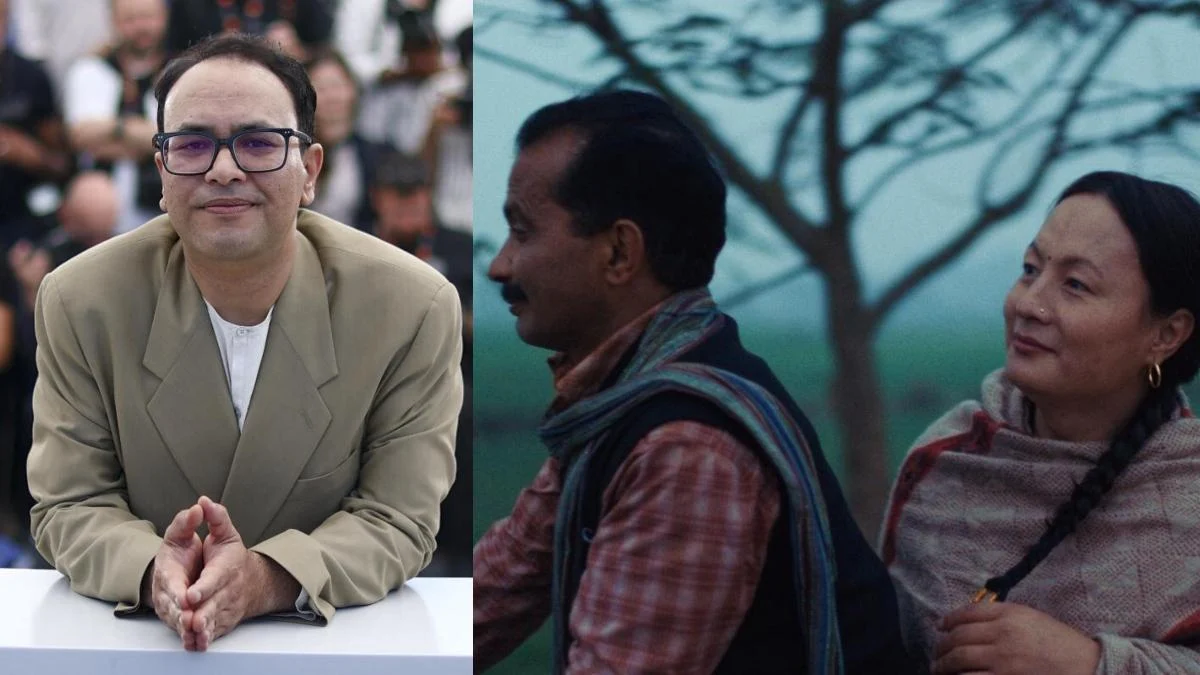
Cannes, France – May 23, 2026 – In a landmark achievement for Nepali cinema, Abinash Bikram Shah’s directorial debut, "Elephants in the Fog," has etched its name in the annals of film history by securing the prestigious Un Certain Regard Jury Prize at the 79th Cannes Film Festival. This momentous win marks the first time a film from Nepal has triumphed at the world’s most esteemed cinematic gathering, solidifying its place on the global stage and heralding a new era for filmmaking from the Himalayan nation.
The critically acclaimed film, which also holds the distinction of being the first Nepali feature to ever be selected for the Un Certain Regard section, captivated audiences and jury members alike with its poignant storytelling and powerful portrayal of marginalized lives. The Un Certain Regard strand, known for championing emerging talents and unique narrative voices, provided the perfect platform for Shah’s distinctive vision to resonate.
A Journey from the Margins to the Spotlight: The Genesis of "Elephants in the Fog"
"Elephants in the Fog" is a deeply resonant drama set against the evocative backdrop of Thori, a verdant, forested village nestled within Nepal’s southern Terai plains. The film delves into the complex and often overlooked lives of transgender women, who navigate the intricate social fabric of their community from its periphery. At the heart of the narrative is Pirati, the formidable matriarch of a Kinnar (transgender) community. Her personal dreams of escaping to a life with the man she loves are thrown into stark relief when one of her adopted daughters mysteriously disappears. This tragic turn of events forces Pirati to confront a profound dilemma: to pursue her own desires for freedom or to prioritize her unwavering responsibilities to her chosen family and community.
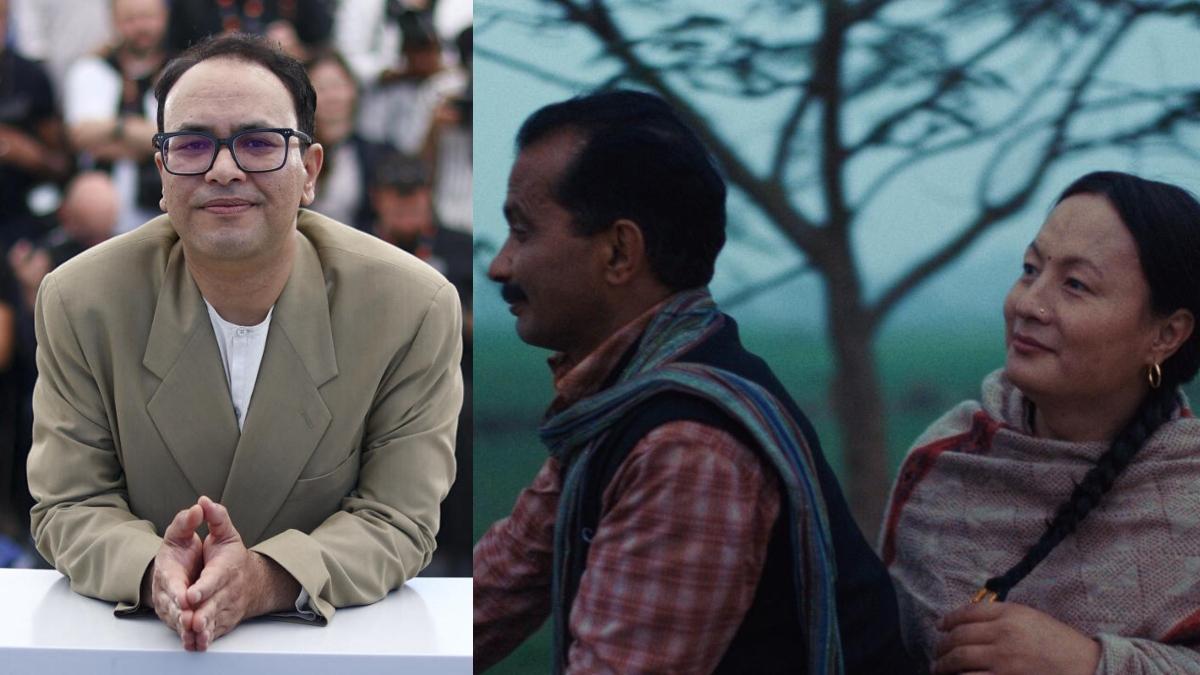
Director Abinash Bikram Shah, speaking from the glittering Palais des Festivals, articulated the profound significance of the film’s recognition. "Cinema possesses a unique power to peer into the shadows, to illuminate the spaces that have long been ignored," he stated during his acceptance speech, visibly emotional and flanked by the film’s ensemble cast. "For too long, the lives of Pirati and her daughters, the communities they belong to, and all individuals residing in the East, have been rendered invisible. By bringing our story to this esteemed platform and by its recognition with this award, we have not only pulled those margins into the light but have fundamentally made the invisible, visible." He dedicated the hard-won accolade to his dedicated cast and crew, whose collaborative spirit was instrumental in bringing this powerful narrative to life.
The film boasts a compelling cast, featuring standout performances from Pushpa Thing as Pirati, alongside Deepika Yadav, Jasmine Bishwakarma, Shanti Giri, Gauri Malla, Maotse Gurung, Sanjay Gupta Dura, Mahima Nawabag, and Akanksha Karki. Their authentic portrayals imbue the characters with a profound sense of humanity and resilience, contributing significantly to the film’s emotional impact.
A Testament to International Collaboration and Vision
"Elephants in the Fog" is a testament to the power of international collaboration, serving as a co-production between Nepali entities Underground Talkies Nepal and Jayanthi Creations. The film also benefits from strategic partnerships with production companies from France, Germany, Brazil, and Norway, underscoring a shared commitment to diverse storytelling and global cinematic reach. This multifaceted collaboration not only provided the financial and logistical backbone for the film but also enriched its creative tapestry with varied perspectives and filmmaking expertise.

A Precedent Set: Shah’s Growing Presence on the International Stage
For Abinash Bikram Shah, this Cannes triumph is not an isolated event but a culmination of a burgeoning international career. His previous short film, "Lori," garnered a Special Mention at the 75th Cannes Film Festival, marking another significant milestone as the first Nepali short film to receive such recognition. Shah’s prowess as a writer has also been recognized, with his contributions to films like "Kalo Pothi," "Highway," and "Tatini" having been screened and lauded at numerous international film festivals, consistently showcasing his unique narrative sensibilities. "Elephants in the Fog" represents the confident stride of a director who has honed his craft and is now presenting his most ambitious and impactful work to date.
The Un Certain Regard Landscape: A Celebration of Diverse Voices
This year’s Un Certain Regard section, always a vibrant showcase of cinematic innovation, presented a compelling array of films that challenged conventions and explored diverse human experiences. The top prize in the section was awarded to Austrian director Sandra Wollner’s "Everytime," a poignant drama that examines the profound impact of tragedy on a family during a summer holiday. The Special Jury Prize recognized "Iron Boy," a visually arresting, hand-painted animated feature by Louis Clichy. This marks Clichy’s solo directorial debut after a distinguished career as a Pixar animator, contributing to beloved classics like "WALL-E" and "Up."

Individual accolades within the Un Certain Regard also highlighted outstanding performances. Bradley Fiomona Dembeasset was honored with the best actor award for his role in Rafiki Fariala’s "Congo Boy." The best actress award was a shared honor, bestowed upon Marina de Tavira, Daniela Marin Navarro, and Mariangel Villegas, the three captivating leads of Valentina Maurel’s Costa Rican family drama, "Siempre Soy Tu Animal Materno."
Implications and the Future of Nepali Cinema
The historic win of "Elephants in the Fog" at Cannes carries profound implications for the Nepali film industry. It signifies a growing confidence in the quality and storytelling potential of Nepali cinema, potentially opening doors for future projects to secure international funding, distribution, and wider critical acclaim. The recognition serves as a powerful inspiration for emerging filmmakers in Nepal, demonstrating that their unique stories, when crafted with artistic integrity and presented on a global platform, can achieve significant international success.
This victory is more than just an award; it is a cultural moment that elevates Nepal’s artistic contributions and fosters a greater understanding of its diverse narratives and the vibrant lives of its people. As the film journeys from the festival circuit to broader audiences, it is poised to spark important conversations about representation, identity, and the universal human desire for belonging and freedom. The iridescent glow of the Cannes red carpet now shines a brilliant light on Nepal, promising a more prominent and celebrated future for its cinematic voice.
