

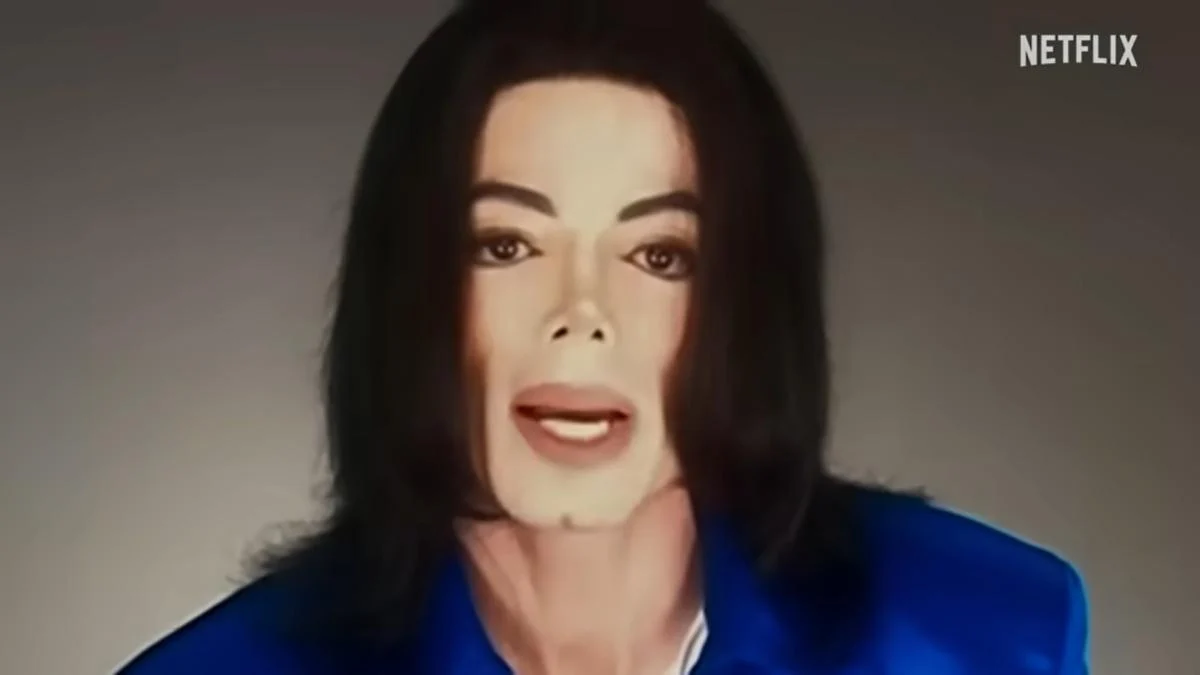
Los Angeles, CA – May 21, 2026 – In a move that is sure to reignite public discourse surrounding one of the most polarizing figures in entertainment history, streaming giant Netflix has announced a comprehensive three-part docuseries, Michael Jackson: The Verdict. Scheduled for release on Wednesday, May 20, 2026, the series aims to meticulously dissect the child molestation charges that forever cast a shadow over the King of Pop’s legacy. This ambitious project promises to offer an unparalleled deep dive into the highly publicized trials that captivated the globe, featuring direct insights from those who were present at the heart of the legal storm.
The announcement comes at a time when Michael Jackson’s life and career continue to be a subject of intense fascination and debate, recently amplified by the theatrical release of the biopic Michael. However, The Verdict appears poised to chart a distinctly different course, eschewing biographical narrative for a forensic examination of the legal battles that defined the latter part of Jackson’s life.
The Heart of the Matter: Unpacking the Allegations
Michael Jackson: The Verdict is set to break new ground by granting audiences access to perspectives rarely, if ever, heard directly. According to a press release issued by Netflix, the docuseries will feature interviews with individuals who were integral to the courtroom proceedings. This includes former jurors, eyewitnesses who testified, and both accusers and defense team members. The series’ creators have stated their commitment to presenting a balanced and multifaceted view, ensuring that the perspectives of both the prosecution and the defense are thoroughly explored.
This approach signals an intention to move beyond sensationalism and delve into the intricate details of the legal arguments, the evidence presented, and the complex human stories that unfolded within the courtroom walls. By focusing on those who experienced the trials firsthand, The Verdict aims to provide a nuanced understanding of the events that led to Jackson’s acquittal on all charges in 2005.
A Chronology of Controversy: From Accusation to Acquittal
The allegations against Michael Jackson first surfaced publicly in 1993, but it was the 2003 accusations that triggered the most intense legal scrutiny and media frenzy. Jackson was charged with multiple counts of child molestation, leading to a sprawling investigation and a subsequent trial that became a global spectacle. The sheer scale of public attention was unprecedented, with news crews and spectators descending upon Santa Barbara County Superior Court.
The trial, which commenced in January 2005, was a marathon legal battle. It involved extensive testimony from numerous witnesses, including children, their parents, medical experts, and a host of celebrity figures who spoke on Jackson’s behalf. The prosecution presented evidence and testimonies aimed at establishing a pattern of abuse, while the defense mounted a vigorous campaign to discredit the accusers and highlight inconsistencies in their accounts. Jackson himself testified, a rare and dramatic moment in the proceedings, pleading his innocence.
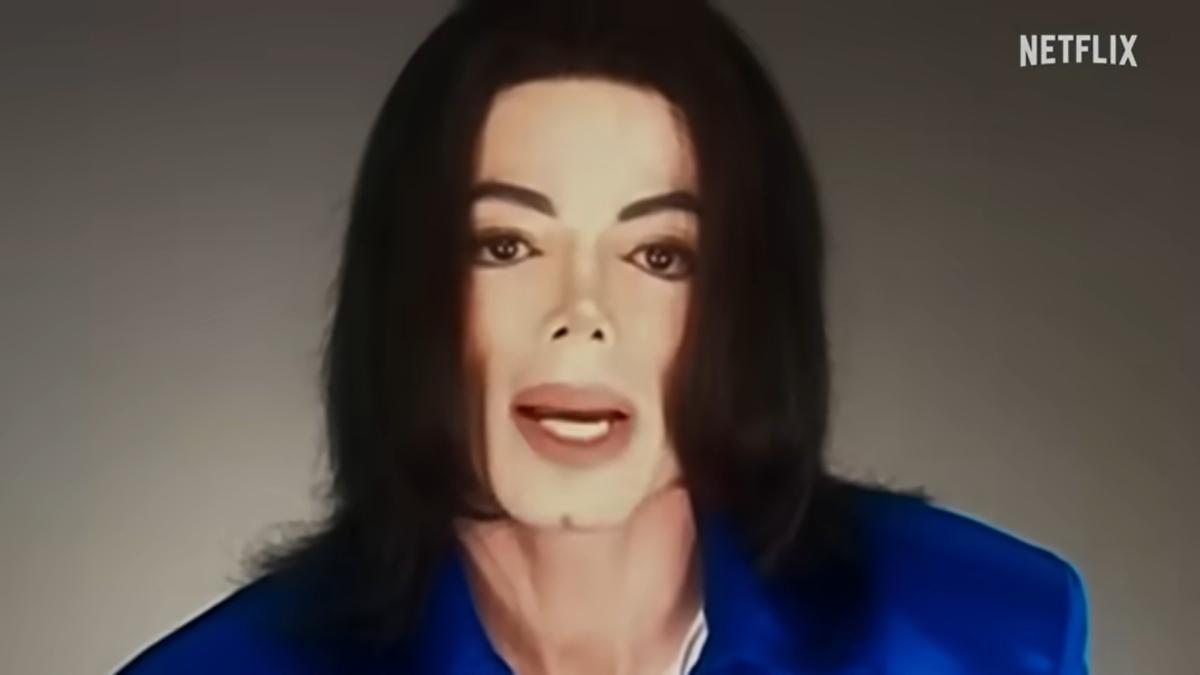
The climax of the trial arrived on June 13, 2005, when the jury delivered its verdict: not guilty on all counts. The acquittal was met with a mix of relief, jubilation, and continued skepticism. For Jackson’s supporters, it was a vindication of his character. For his detractors, it raised questions about the integrity of the justice system and the possibility of manipulation.
The pop icon tragically passed away in June 2009, leaving many of the questions surrounding the allegations unresolved in the public consciousness. Michael Jackson: The Verdict seeks to revisit these events, offering a structured examination of the legal journey that culminated in his acquittal.
Beyond the Headlines: The Making of "The Verdict"
The trailer for Michael Jackson: The Verdict, unveiled by its creators, immediately immerses viewers in the gravity of the situation. It opens with stark visuals of police cars converging on Jackson’s Neverland Ranch, an image indelibly linked to the scandal. The trailer is punctuated by powerful statements from interviewees, including one who poignantly states, "He is the most famous man in the world accused of the most heinous crime in the world." This juxtaposition of global fame and grave accusation sets the stage for the series’ exploration of the human and legal dimensions of the case.
Directed by Nick Green and executive produced by Fiona Stourton, the docuseries promises a comprehensive look at the trials. It will incorporate archival footage, including rare videos of Jackson as he navigated the legal process. The trailer culminates with Jackson’s own voice, pleading for impartiality: "Please keep an open mind and let me have my day in court." This direct appeal from the subject himself underscores the series’ commitment to offering a personal dimension to the legal narrative.
The inclusion of "old videos and visuals of Jackson as he took part in the trial" suggests that the series will not only rely on retrospective interviews but also on primary source material, allowing viewers to witness key moments of the legal proceedings. This blend of contemporary reflection and historical documentation is a hallmark of compelling true-crime and legal docuseries.
The Shadow of Controversy: Jackson’s Legacy and Recent Reinterpretations
Michael Jackson’s life was marked by extraordinary artistic achievement and profound personal controversy. His unparalleled talent as a musician, dancer, and performer earned him a global following and a place in the pantheon of music legends. However, the persistent allegations of child molestation have indelibly shaped public perception and continue to be a subject of intense debate.

The recent release of the biopic Michael, starring Jackson’s nephew Jaafar Jackson, brought a new wave of attention to his life story. Directed by Antoine Fuqua, the film focused on Jackson’s formative years, tracing his journey from the 1960s through the 1980s. While the biopic aimed to celebrate his artistic achievements, it notably skirted the more contentious aspects of his life, opting for a narrative that emphasized his musical evolution and early career.
In contrast, Michael Jackson: The Verdict signals a deliberate decision to confront the most controversial chapter of his life head-on. By focusing specifically on the legal proceedings, the docuseries intends to provide a platform for a deeper, more analytical examination of the accusations, the evidence, and the trial’s outcome. This direct engagement with the legal battles offers a distinct perspective from the more biographical approach of recent cinematic endeavors.
Broader Implications: Media, Justice, and Public Opinion
The child molestation trials of Michael Jackson were more than just legal proceedings; they were a cultural phenomenon that laid bare the power of media, the complexities of the justice system, and the enduring impact of public opinion. The intense media coverage often blurred the lines between reporting and sensationalism, creating a narrative that was difficult to escape.
Michael Jackson: The Verdict has the potential to revisit these dynamics, offering insights into how media narratives were constructed and how they influenced public perception. The series’ focus on jurors and eyewitnesses could shed light on the internal deliberations and the pressures faced by those involved in delivering a verdict in such a high-stakes case.
Furthermore, the docuseries raises important questions about the nature of justice, particularly in cases involving high-profile individuals. The acquittal, while legally definitive, did not entirely quell the debate. The series may explore the lasting impact of the allegations on Jackson’s reputation and the broader societal conversations about child abuse, celebrity influence, and the pursuit of truth.
The release of Michael Jackson: The Verdict is poised to reignite these complex discussions, offering a new generation an opportunity to engage with the legal intricacies and the human drama that surrounded one of the 20th century’s most iconic and enigmatic figures. By promising unprecedented access to courtroom participants, Netflix aims to deliver a docuseries that is not only informative but also profoundly thought-provoking, challenging viewers to consider the multifaceted nature of truth, justice, and legacy. The series’ commitment to presenting multiple perspectives suggests an effort to foster a more nuanced understanding of a case that continues to resonate in popular culture and legal discourse.
