

TECHNOLOGY
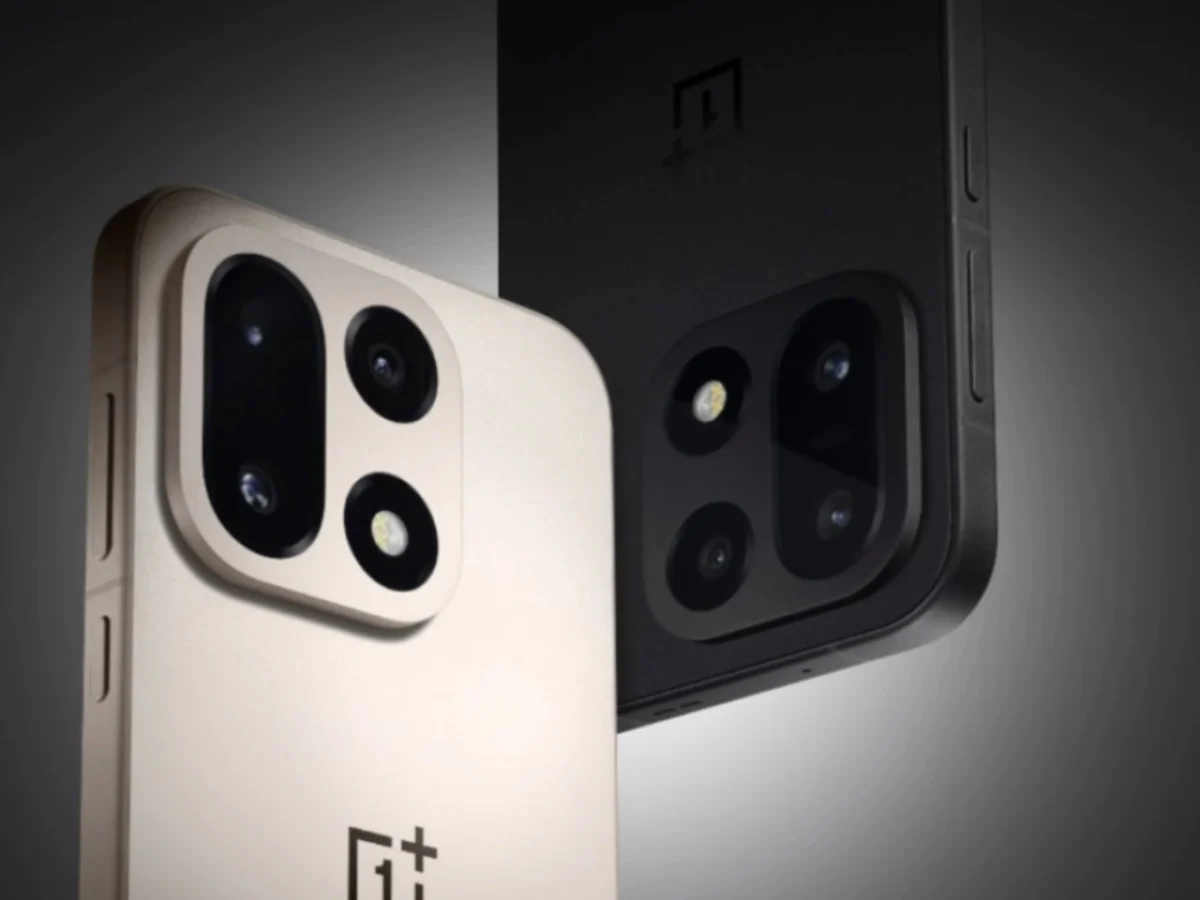
The smartphone industry is a dynamic arena, constantly shaped by technological innovation, shifting market demands, and intricate corporate strategies. Few brands exemplify this turbulent landscape more vividly than OnePlus. Once hailed as a "flagship killer" with a fervent user base drawn to its powerful hardware and clean software experience, the company now finds itself at a significant crossroads. While it has officially confirmed a pivotal software integration, replacing its beloved OxygenOS with Oppo’s ColorOS, reports of a wider global restructuring, including a potential scaling back or even exit from key markets, have cast a long shadow of uncertainty. Though OnePlus has vehemently denied plans to exit India, asserting its continued "independent entities" status in the region, the confluence of these developments warrants a comprehensive journalistic examination.
Unpacking the Core Issues: Software, Strategy, and Speculation
At the heart of the current narrative are two distinct yet interconnected developments: a confirmed strategic software shift and a wave of unconfirmed, yet widely circulated, reports concerning global operational adjustments.
The concrete change is the integration of OnePlus’s proprietary OxygenOS into Oppo’s ColorOS. This move, officially framed as part of a broader software development strategy, aims to unify resources, streamline development cycles, and accelerate software updates across the brands operating under the same parent umbrella. For long-time OnePlus users, OxygenOS was more than just an operating system; it was a cornerstone of the brand’s identity, offering a near-stock Android experience renowned for its speed, fluidity, and minimal bloatware. The transition to ColorOS, while offering its own set of features and optimizations, inevitably signals a departure from this established identity.
)
Simultaneously, reports originating from reputable financial news outlets, notably Bloomberg, have suggested that OnePlus may be undergoing a significant global restructuring. These reports claim the company could scale back operations in crucial Western markets like the US and Europe, and potentially even reduce its footprint in India by 2027. This speculation has naturally sparked alarm among consumers and industry observers alike, prompting questions about the brand’s long-term viability and commitment to its user base in these regions.
In response to these specific claims regarding India, OnePlus has issued firm denials. The company has stated that its India business continues to operate normally, urging media outlets to refrain from amplifying unverified reports that could cause unnecessary apprehension. Despite these assurances, the broader context of its parent company, Oppo, grappling with slowing global sales, rising operational costs, mounting geopolitical challenges, and even a significant trade secrets lawsuit filed by Apple, adds layers of complexity and urgency to the situation. For consumers, particularly those contemplating a new OnePlus device, the immediate future appears less straightforward, demanding a clearer roadmap from the company.

The Evolution of Integration: A Chronological Review
The current situation for OnePlus is not an abrupt shift but rather the culmination of a gradual integration process that has been unfolding for several years. Understanding this chronology is crucial to grasping the strategic rationale behind the current decisions and the nature of the speculative reports.
2020-2021: Initial Synergies and R&D Integration
The first significant signs of deeper integration between OnePlus and Oppo emerged around 2020-2021. While both companies have always shared common parentage under BBK Electronics, they largely operated as distinct entities, cultivating separate brand identities and market strategies. However, by mid-2021, OnePlus CEO Pete Lau officially announced a deeper merger of OnePlus with Oppo. This wasn’t a corporate acquisition in the traditional sense, but rather a strategic integration of their respective research and development (R&D) teams. The stated goal was to leverage shared resources, improve efficiency, and accelerate product development, particularly in areas like software and imaging technology. At this juncture, both companies maintained that their individual brands would continue to operate independently in the market.
)
Mid-2022: Software Convergence Begins
Following the R&D integration, the next logical step was software convergence. In mid-2022, OnePlus officially confirmed that its OxygenOS would be replaced by a unified operating system based on Oppo’s ColorOS. This decision was presented as a move to further optimize resources and ensure faster, more consistent software updates across a wider portfolio of devices. While initially met with mixed reactions from the loyal OnePlus community, who cherished OxygenOS for its clean, near-stock Android experience, the company emphasized that the new unified OS would retain elements of OxygenOS’s speed and fluidity while benefiting from ColorOS’s broader feature set and more mature development infrastructure.
Late 2023 – Early 2024: Reports of Global Restructuring Emerge
The most recent chapter in this unfolding saga began in late 2023 and intensified into early 2024 with reports from Bloomberg. These reports, citing anonymous sources familiar with the matter, indicated that OnePlus was embarking on a global restructuring exercise. The core of these claims centered on a significant scaling back of operations in the United States and Europe, markets where OnePlus has historically struggled to gain significant market share against established giants like Apple and Samsung. Crucially, these reports also hinted at a similar, albeit perhaps less drastic, scaling down of operations in India, a market where OnePlus has enjoyed considerable success, particularly in the premium segment. The Bloomberg report even suggested that the withdrawal from certain markets could commence as early as the current period.
)
OnePlus’s Swift Denial Regarding India
In a direct response to the specific claims about its Indian operations, OnePlus swiftly issued a denial. The company’s official statement underscored its continued commitment to the Indian market, reiterating that its business operations in the country are proceeding normally. It emphasized that OnePlus India remains an "independent entity" and urged media outlets to exercise caution and verify information before publishing reports that could potentially mislead consumers and partners. This denial, however, did not explicitly address the reports concerning the US and European markets, leaving a degree of ambiguity regarding its global strategy outside of India.
Recent Investments and Partnerships: A Counter-Narrative
Adding a fascinating counter-narrative to the scaling-down reports are OnePlus’s recent strategic investments and manufacturing partnerships in India. In a significant move, OnePlus allocated Rs 6,000 crore (approximately $725 million USD) under "Project Starlight." This ambitious initiative, announced in recent times, is aimed at strengthening localization efforts, bolstering research and development capabilities, and enhancing after-sales service infrastructure within India. Furthermore, the company formalized manufacturing partnerships in 2025: with Optiemus Electronics Limited in June for premium IoT devices and with Bhagwati Products Limited in August for premium tablets. These long-term commitments to local manufacturing and substantial investment in R&D and service infrastructure present a picture that seemingly contradicts the notion of an imminent scaling back of operations in India, suggesting a long-term strategic commitment to the market.
)
Beneath the Surface: Supporting Data and Market Dynamics
To fully understand the current situation, it’s essential to delve into the underlying market dynamics, the strategic rationale for the changes, and the broader challenges faced by OnePlus and its parent company, Oppo.
Market Share and Performance:
OnePlus has carved out a niche for itself, particularly in the premium and mid-premium segments. In India, it has consistently been a strong contender, often ranking among the top five premium smartphone brands. However, its global market share remains significantly smaller compared to industry behemoths like Samsung, Apple, Xiaomi, and even its sister company, Oppo. In Western markets like the US and Europe, despite efforts, OnePlus has struggled to gain substantial traction, often facing stiff competition and complex carrier agreements. The global smartphone market itself has experienced periods of stagnation and decline in recent years, making it increasingly challenging for smaller players or those without massive economies of scale to sustain aggressive growth. This broader market contraction could be a significant factor driving any restructuring decisions.
)
The Rationale for Software Unification:
The move to replace OxygenOS with ColorOS is a strategic decision rooted in efficiency and resource optimization. Prior to this, both OnePlus and Oppo maintained separate software development teams, leading to duplication of effort and potentially slower update cycles. By unifying their operating systems under a single, more robust platform like ColorOS, the parent company aims to:
- Streamline Development: A single codebase allows engineering teams to share resources, knowledge, and tools more effectively.
- Accelerate Updates: Consolidated development can lead to faster rollout of Android version updates and security patches across a wider range of devices.
- Cost Reduction: Eliminating redundant development efforts can result in significant cost savings.
- Ecosystem Integration: A unified OS can foster a more cohesive ecosystem across Oppo, OnePlus, and potentially other associated brands, enabling better interoperability between devices like smartphones, tablets, and IoT products.
While these benefits are clear from a corporate efficiency standpoint, the impact on user experience and brand identity remains a key concern.
)
After-Sales Service and Warranty Commitments:
A critical aspect of the restructuring, particularly for consumers, is the future of after-sales service and warranty support. OnePlus has confirmed that existing devices will continue to function, and warranty claims will be honored. Furthermore, the company has stated that after-sales service will be seamlessly integrated into Oppo’s extensive network. In India, this transition is projected to see Oppo’s service centers grow significantly, from approximately 400 to 600, theoretically enhancing accessibility for OnePlus users. However, questions linger regarding the long-term availability of spare parts for older OnePlus models and the duration of future software support, especially if product lines are streamlined or phased out in certain regions. This uncertainty is a major point of concern for consumers making significant investments in smartphones.
Broader Corporate Challenges: Oppo’s Strategic Imperative:
The potential restructuring at OnePlus cannot be viewed in isolation; it is intricately linked to the broader strategic challenges faced by its parent company, Oppo.
)
- Slowing Sales and Rising Costs: The global smartphone market has matured, and growth rates have decelerated. Coupled with rising component costs, intense competition, and inflationary pressures, maintaining profitability has become increasingly difficult. Companies are under pressure to optimize operations and reduce overheads.
- Geopolitical Challenges: Chinese smartphone manufacturers, including Oppo, have faced significant geopolitical headwinds. This includes increased scrutiny in various Western markets, trade tensions, and supply chain disruptions exacerbated by international relations. Navigating these complexities requires agile strategies and sometimes, a recalibration of global presence.
- Apple Lawsuit: Oppo is currently embroiled in a significant trade secrets lawsuit filed by Apple. While the specifics of the lawsuit are complex, such legal battles are costly, time-consuming, and can divert significant corporate resources and attention. A negative outcome could have substantial financial implications, potentially influencing strategic decisions across its brand portfolio.
These macro-level pressures provide a compelling backdrop for any decisions related to global operational restructuring, suggesting that the reported changes, if true, are not merely about OnePlus but reflect a wider corporate imperative for efficiency and resilience.
Official Statements and Counter-Narratives
In the midst of swirling rumors and confirmed strategic shifts, official communications from OnePlus and Oppo become paramount. These statements often attempt to manage perception, reassure stakeholders, and present a coherent future vision, even when the underlying reality may be complex.
)
OnePlus’s Firm Denial of India Exit:
The most emphatic official response has been OnePlus’s denial regarding its alleged exit or significant scaling down in India. The company’s statements consistently emphasize that "its India business continues to operate normally" and that it intends to remain "independent entities" within the market. This assertion of independence, even within a unified software strategy and shared parentage, is critical for maintaining consumer trust and partner relationships in a competitive market like India. The company has explicitly urged media outlets to "not amplify unverified reports," highlighting its concern over misinformation impacting its brand perception and market stability. This strong stance suggests that, at least for India, OnePlus views its presence as strategic and long-term, contrasting sharply with the global restructuring narrative.
The "Project Starlight" Investment:
Further bolstering the counter-narrative to a supposed India exit is the announcement of "Project Starlight." The allocation of Rs 6,000 crore (approximately $725 million USD) represents a substantial investment. The stated objectives of this project — to strengthen localization, research and development (R&D), and after-sales service — are indicative of a deep, long-term commitment.
)
- Localization: Investing in localization goes beyond mere translation; it involves adapting products, services, and operations to meet specific Indian market demands and consumer preferences. This suggests a bespoke strategy for the region.
- R&D: Bolstering R&D capabilities within India implies a commitment to developing products and technologies relevant to the local market, potentially fostering local talent and innovation.
- After-sales Service: Enhancing the service network, as discussed earlier, is a direct investment in customer satisfaction and brand loyalty, crucial for sustained market presence.
These commitments appear to contradict any short-term withdrawal or scaling-down plans for India, painting a picture of strategic expansion and entrenchment.
Manufacturing Partnerships as a Sign of Commitment:
The manufacturing partnerships forged in 2025 further reinforce the idea of a sustained presence in India. Collaborations with Optiemus Electronics Limited for premium IoT devices (June 2025) and with Bhagwati Products Limited for premium tablets (August 2025) signal a diversification of product offerings and a deepening of local manufacturing ties. In an era where "Make in India" initiatives are gaining traction, such partnerships are not only cost-effective but also demonstrate a commitment to the local economy and regulatory frameworks. They suggest a long-term strategy for product development and supply chain management within the country, rather than an exit.
)
Oppo’s Overarching Strategy:
While specific statements from Oppo regarding OnePlus’s individual market presence are less frequent, the broader corporate strategy emphasizes efficiency, synergy, and market consolidation. The unification of software platforms is a clear directive from the parent company, aiming to create a more cohesive and resource-efficient ecosystem across its various brands. This strategy is driven by the global market pressures discussed earlier, positioning Oppo to be more competitive and resilient in a challenging environment. The implied message is that brands under its umbrella, including OnePlus, will benefit from shared resources and a unified strategic direction, even if it means some individual brand identity elements are adapted.
Despite these official responses and strategic investments, the lack of a comprehensive, proactive communication from OnePlus detailing its global roadmap beyond India continues to fuel speculation. While India might be secure, the silence regarding other markets, coupled with credible reports, maintains an aura of uncertainty that requires clearer, more definitive statements from the company to fully dispel.
)
Navigating the Future: Implications for Consumers and the Industry
The ongoing developments surrounding OnePlus carry significant implications, not only for its existing and prospective customers but also for the broader smartphone industry, particularly in key markets like India. Understanding these potential outcomes is crucial for informed decision-making.
For Existing and Prospective Buyers in India
Existing Users:
For those who already own a OnePlus device, the immediate outlook is largely reassuring. OnePlus has explicitly stated that existing devices will continue to work normally. The transition of after-sales service and warranty support to Oppo’s network, with the planned expansion of service centers from 400 to 600, suggests continued access to repairs and assistance. This integration is designed to be seamless, leveraging Oppo’s established infrastructure. However, a lingering concern for existing users, especially those with older models, is the long-term availability of spare parts and the duration of software updates beyond the standard commitment. While current commitments are in place, any significant restructuring could, in the long run, impact the supply chain for specific components or lead to an earlier end-of-life for software support than initially anticipated. This uncertainty, while not immediate, remains a valid consideration for device longevity.
)
Prospective Buyers:
For consumers contemplating the purchase of a new OnePlus device, the situation is more nuanced.
- The "Good Deal" Factor: If one finds a OnePlus device at a particularly attractive price, especially during sales events, and plans to use it for a typical lifecycle of 2-3 years, the hardware quality remains a strong selling point. OnePlus phones traditionally offer robust performance, excellent displays, and competent camera systems. For a short to medium-term commitment, the immediate concerns about long-term support might be less pressing.
- The Uncertainty Factor: However, the overall uncertainty surrounding the brand’s global strategy, even with strong denials for India, makes a long-term investment less straightforward. While the Indian market appears secure with significant investments like Project Starlight and local manufacturing partnerships, the broader corporate climate and potential for further integration or strategic shifts could influence the brand’s trajectory. This makes buying "less straightforward" for those seeking a device for 4+ years or who prioritize a brand with an absolutely clear and stable future roadmap. Consumers valuing absolute long-term assurance might exercise caution until OnePlus provides a more comprehensive global strategic overview.
The Software Shift: OxygenOS to ColorOS
The confirmed replacement of OxygenOS with ColorOS is arguably the most tangible change for users.
)
- Loss of Distinct Identity: OxygenOS was a defining characteristic of OnePlus, celebrated for its clean, bloatware-free, and near-stock Android experience. This appealed to a segment of users who preferred simplicity and speed over heavy customization. The shift to ColorOS, while offering a feature-rich and often visually appealing interface, moves OnePlus away from this unique selling proposition.
- New User Experience: Users transitioning from older OnePlus devices will need to adapt to ColorOS’s interface, which might involve a steeper learning curve for some. While ColorOS has matured significantly and offers many useful features, its aesthetic and operational philosophy differ from OxygenOS.
- Potential Benefits: On the positive side, the unification promises faster and more consistent software updates, potentially bringing new features and security patches more regularly across the portfolio. Shared resources could also lead to more robust software development and better integration with other Oppo ecosystem products. However, whether this outweighs the loss of the distinct OxygenOS experience for loyalists remains to be seen.
Brand Identity and Market Positioning
The ongoing integration and restructuring reports inevitably impact OnePlus’s brand identity.
- Erosion of "Independent" Status: While OnePlus maintains it will operate as "independent entities" in India, the deep integration with Oppo, particularly at the software and R&D levels, blurs the lines. The perception of OnePlus as a truly independent, innovative "challenger" brand, which was foundational to its early success, is likely to diminish. It risks being perceived as just another sub-brand within the larger Oppo portfolio, similar to Realme or Vivo.
- Focus on Value: The initial "flagship killer" positioning evolved to offering premium experiences at competitive prices. The current climate suggests a further focus on efficiency and perhaps a strategic pivot towards a more value-oriented proposition within the Oppo ecosystem, rather than chasing absolute market leadership as a standalone premium brand.
- Competitive Landscape: In a fiercely competitive market, a clear and distinct brand identity is crucial. If OnePlus loses its unique appeal, it could struggle to differentiate itself from other brands, including Oppo’s own offerings, potentially leading to cannibalization within the same corporate family.
Broader Industry Trends
The OnePlus saga is also indicative of larger trends within the global smartphone industry:
)
- Consolidation: The market is increasingly consolidating, with larger players acquiring or integrating smaller brands to achieve economies of scale and combat rising costs. This trend is likely to continue as margins tighten.
- Ecosystem Strategy: Companies are moving beyond just selling smartphones to building comprehensive ecosystems of interconnected devices (IoT, tablets, wearables). The software unification at Oppo/OnePlus is a key step in this direction, aiming to create a seamless user experience across multiple product categories.
- Geopolitical Impact: The challenges faced by Chinese tech companies underscore the growing impact of geopolitical tensions on global business operations, forcing companies to re-evaluate their presence and strategies in various regions.
In conclusion, OnePlus stands at a critical juncture. While its commitment to the Indian market appears strong, backed by substantial investments and manufacturing partnerships, the broader global picture remains shrouded in speculation and strategic recalibration. The confirmed software unification with ColorOS marks a definitive shift in its user experience and brand identity. For consumers and industry watchers alike, the road ahead is unclear unless OnePlus provides a more transparent and comprehensive roadmap for its future, detailing how it plans to navigate these challenges while preserving the legacy and appeal that once made it a formidable force in the smartphone world. The coming months will be crucial in defining whether OnePlus can successfully evolve or if it risks fading into the larger shadow of its parent company.
