

SCIENCE
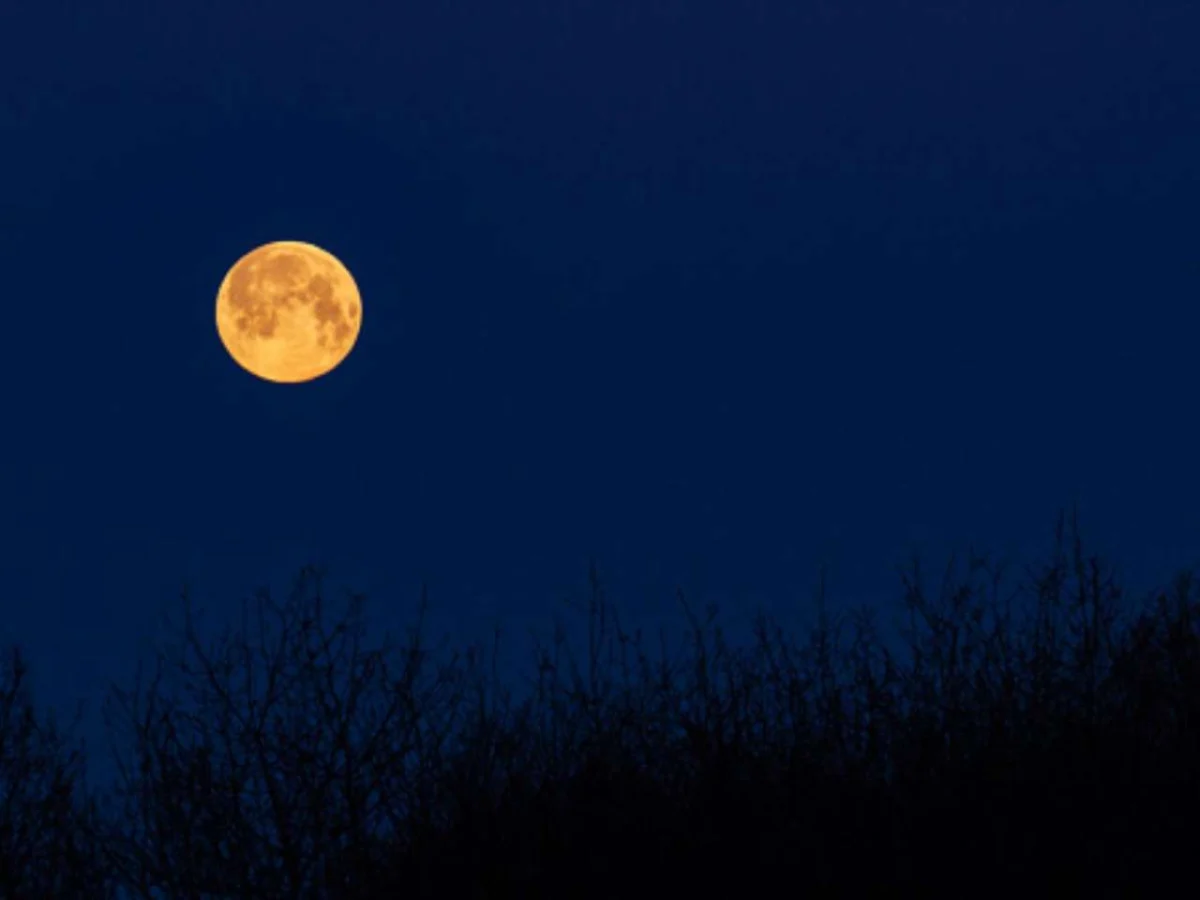
New Delhi, [Date of Publication – e.g., May 28, 2026] – Sky-gazers across the globe, and particularly in India, are preparing for a truly special celestial treat as May 2026 concludes with a rare astronomical event: a Blue Moon. This captivating phenomenon, defined as the second full moon within a single calendar month, is set to illuminate the night sky on May 31st, promising an unforgettable spectacle for enthusiasts and casual observers alike. Despite its intriguing moniker, the moon will not, in fact, appear blue; instead, it is expected to radiate a stunning golden-orange hue shortly after sunset, a visual marvel that underscores the extraordinary nature of this occurrence.
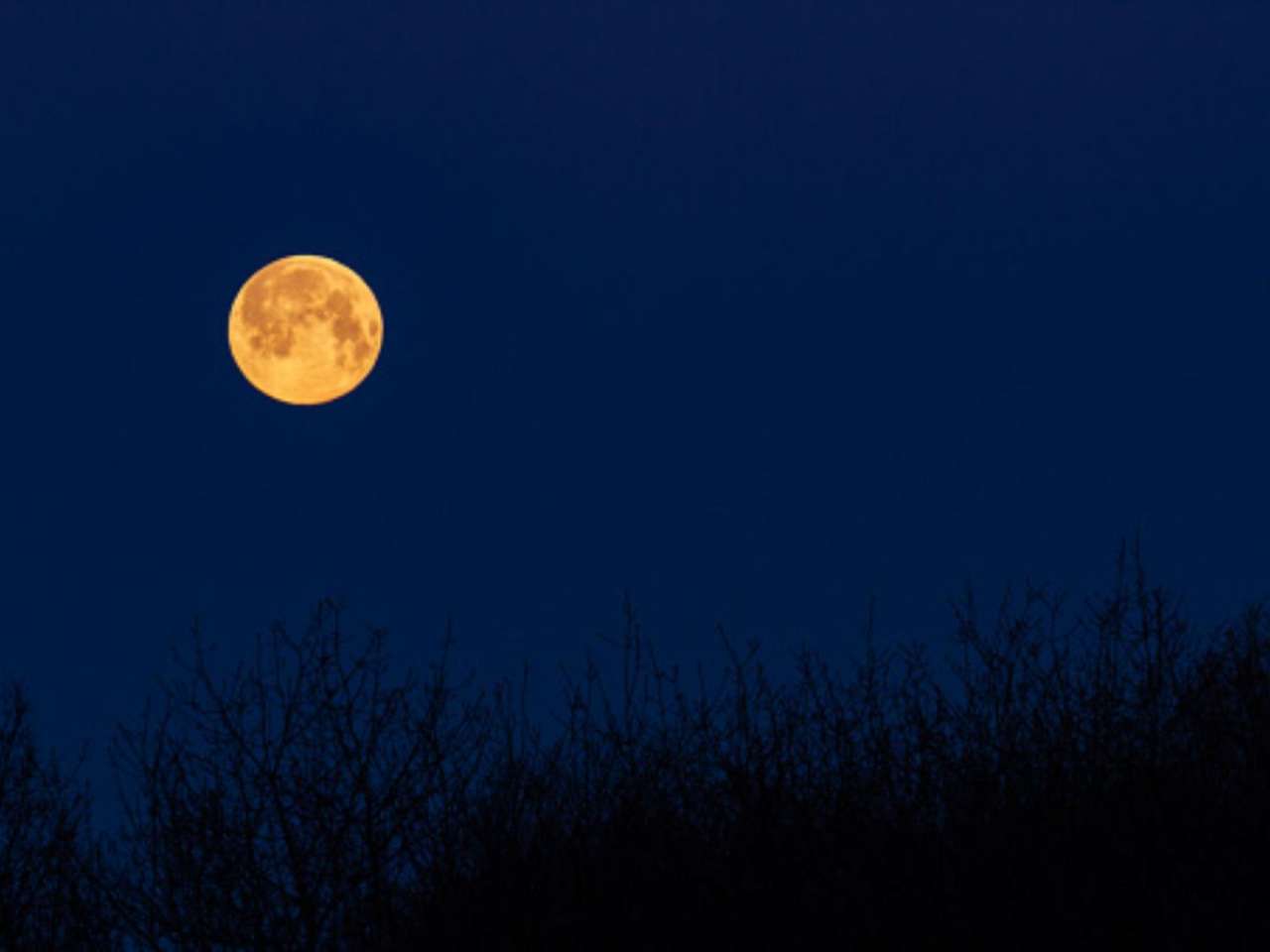
This impending Blue Moon holds significant allure not merely for its rarity but also for the underlying astronomical principles that govern its appearance. Occurring just weeks after May began with the luminous "Flower Moon," this second full moon will crown a month that deviates from the usual lunar cycle, making 2026 a year featuring 13 full moons instead of the customary 12. Such events serve as powerful reminders of the intricate cosmic ballet playing out above us, encouraging millions to cast their gaze upwards and connect with the wonders of the universe.
Understanding the "Blue Moon" Phenomenon: A Deeper Dive into its Definition and History
The term "Blue Moon" often conjures images of an azure orb hanging in the night sky, a misconception that the upcoming event will firmly put to rest. The name’s origin is far more nuanced and fascinating than a simple color change. In contemporary popular culture, the most widely accepted definition of a Blue Moon refers to the second full moon occurring within a single calendar month. This definition gained traction after a misinterpretation in a 1946 issue of Sky & Telescope magazine, which then became widely adopted.
)
Prior to this modern understanding, the traditional definition of a Blue Moon was considerably more complex and tied to seasonal cycles. Historically, a Blue Moon was understood as the third full moon in an astronomical season that unusually contained four full moons, rather than the typical three. An astronomical season, such as spring, summer, autumn, or winter, typically spans about three months, during which three full moons usually occur. However, due to the lunar cycle being shorter than most calendar months, occasionally a fourth full moon would squeeze into a single season. The third full moon in that sequence was traditionally designated the Blue Moon. This older, more intricate definition highlights the historical efforts to align lunar observations with seasonal markers and agricultural practices. While the calendrical definition (second full moon in a month) is now more prevalent, understanding its historical predecessor enriches our appreciation for the term’s evolution.
The phrase "once in a blue moon" has long been ingrained in our lexicon, signifying something exceedingly rare or infrequent. This idiom likely predates the astronomical definition, with some linguistic historians tracing its roots to older expressions referring to things that were absurd or impossible. Over time, as the astronomical definition solidified, the phrase gained an additional layer of meaning, reinforcing the notion of an event that doesn’t happen often, further cementing the Blue Moon’s status as a special occasion.

The Astronomical Mechanics: Why 13 Full Moons in a Year?
The occurrence of a Blue Moon, and consequently a year with 13 full moons, is a fascinating interplay between the lunar cycle and our Gregorian calendar. A synodic month, which is the time it takes for the Moon to complete one cycle of phases (from new moon to new moon), averages approximately 29.5 days. Our calendar months, however, have either 30 or 31 days (with February being an exception).
This slight mismatch in duration is the key. If a full moon occurs very early in a month (e.g., on the 1st or 2nd), there’s enough time for another full moon to occur before the month concludes. Given that the lunar cycle is just under 30 days, any month with 31 days is a potential candidate for hosting two full moons if the first one falls early enough. Months with 30 days can also host two if the first full moon occurs on the very first day.
)
When a calendar year contains one of these "extra" full moons, the total count for the year rises to 13, rather than the standard 12. This phenomenon is not exceedingly rare, but it doesn’t happen every year. On average, a Blue Moon occurs approximately every two to three years. The last Blue Moon, for instance, occurred on October 31, 2020, and the next one after May 2026 is projected for August 31, 2028. This predictable yet infrequent rhythm adds to the anticipation and wonder surrounding each occurrence. The May 2026 Blue Moon is therefore a testament to the elegant mechanics of our solar system, a subtle reminder of the celestial clockwork that governs our skies.
The Celestial Spectacle: What to Expect Visually on May 31st
Contrary to popular belief, the moon on May 31st will not appear blue. The instances where the moon does appear blue are exceedingly rare and are typically caused by specific atmospheric conditions, such as the presence of fine dust particles or smoke from volcanic eruptions or massive wildfires. These particles, precisely sized at about one micron, can scatter red light more effectively, allowing blue light to pass through to our eyes, giving the moon a bluish tint. Such events are sporadic and unpredictable, making the May 2026 Blue Moon a purely calendrical phenomenon.
)
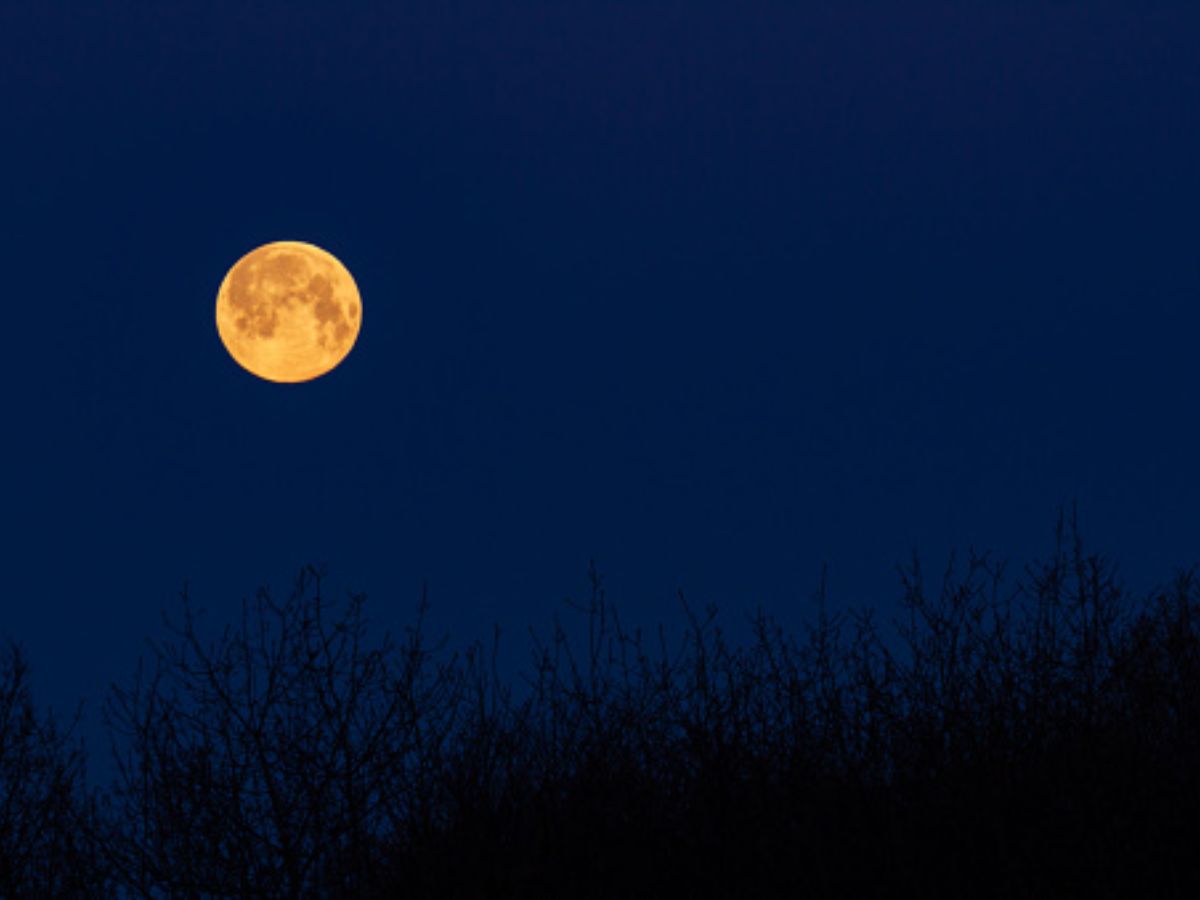
Instead, skywatchers on May 31st should prepare for a truly breathtaking sight: a moon that will likely appear in shades of golden-orange, especially shortly after it rises. This effect is a common optical illusion and atmospheric phenomenon. When the moon is low on the horizon, its light has to travel through a greater thickness of Earth’s atmosphere. The atmosphere acts like a filter, scattering shorter wavelengths of light (like blue and violet) more efficiently than longer wavelengths (like red and orange). As a result, more of the red and orange light reaches our eyes, giving the moon its warm, rich hue. This effect is similar to why sunsets and sunrises often appear red or orange.
Adding to the visual drama is the well-known "Moon Illusion." When the moon is low in the sky, it often appears significantly larger than when it is high overhead. This is not a physical change in the moon’s size or distance but a fascinating perceptual trick played by our brains. Scientists believe this illusion is caused by our brain comparing the moon to nearby objects on the horizon, such as buildings, trees, or distant mountains. These terrestrial cues provide a sense of scale, making the moon seem enormous in comparison. When the moon is high in a vast, empty sky, there are no reference points, and our brain perceives it as smaller. Therefore, observers in India and elsewhere who catch the Blue Moon shortly after sunset will not only witness its radiant golden-orange glow but also its impressive apparent size, creating an awe-inspiring vista.
)
Viewing Guide for Enthusiasts: When and How to Observe the May 2026 Blue Moon
The May 2026 Blue Moon promises to be one of the most accessible celestial events of the year, requiring no specialized equipment for observation. Its brilliance will be evident to the naked eye, making it a perfect opportunity for families, amateur astronomers, and curious individuals to engage with the night sky.
Chronology and Specifics for India:
For skywatchers across India, the optimal viewing experience for the Blue Moon will be in the evening of May 31, 2026. According to the Purnima Tithi (the full moon phase in the Hindu calendar), the full moon technically commences at 11:58 AM on May 30, 2026, and concludes at 2:14 PM on May 31, 2026. However, for visual observation, the most impactful moment will be as the moon rises in the eastern sky shortly after sunset on May 31st. This timing aligns perfectly with the Moon Illusion, maximizing the visual impact of its apparent size and golden-orange coloration.
)
General Viewing Recommendations:
- Location: Seek out a location with a clear, unobstructed view of the eastern or south-eastern horizon. Open fields, rooftops, or elevated areas away from tall buildings and dense trees are ideal.
- Light Pollution: While the full moon is bright enough to be seen even in urban areas, moving away from city lights to a darker sky will enhance the viewing experience, allowing for a clearer appreciation of its subtle colors and the surrounding stars.
- Timing: Be prepared to look towards the east shortly after local sunset on May 31st. The exact sunset time will vary by location, so checking a local weather app or astronomical calendar is advisable.
- Equipment (Optional): No special equipment is necessary. However, a pair of binoculars can offer a more detailed view of the lunar surface, revealing craters and mare (dark plains) with greater clarity. Telescopes, while not required, will provide even more intricate details but are certainly not essential for appreciating the overall grandeur of the Blue Moon.
- Patience: The moon’s ascent can be a gradual process. Allow some time for your eyes to adjust to the darkness and for the moon to climb higher into the sky, revealing its full glory.
The Blue Moon will be visible across India and indeed many other parts of the world, making it a truly global event. Its widespread visibility, coupled with the lack of need for specialized viewing equipment, makes it an excellent opportunity for public engagement with astronomy.
)
Expert Insights and Recommendations: Gazing at the Cosmos with Awareness
Astronomers and science communicators consistently emphasize the educational value of celestial events like the Blue Moon. While it might seem like a simple visual phenomenon, it provides a unique gateway into understanding the mechanics of our solar system, the history of astronomical observation, and the cultural significance of the moon across civilizations.
"Events like the Blue Moon are incredible opportunities to foster public interest in astronomy and science," remarks Dr. Anya Sharma, a senior astrophysicist at the Indian Institute of Astrophysics (a hypothetical but plausible institution). "It’s a chance to explain not just what a Blue Moon is, but why it happens, delving into the orbital mechanics of the Earth and Moon, and how our calendar interacts with natural cycles. We encourage everyone to step outside, look up, and let their curiosity ignite."
)
Observatories and astronomical societies worldwide often use such events to host public viewing sessions, workshops, and online discussions, even for events that are easily visible from home. While specific plans for May 2026 might still be in formation, the general advice remains consistent:
- Educate Yourself: Learn about the moon’s phases, its orbital characteristics, and the history of lunar observation. Resources from NASA, reputable astronomical societies, and science museums are excellent starting points.
- Share the Experience: Encourage friends, family, and especially children, to observe the Blue Moon. It’s an excellent way to introduce young minds to the wonders of space.
- Connect with Local Astronomy Groups: Many cities have local astronomy clubs that organize viewing parties or provide guidance on observing celestial events. These groups can offer valuable insights and shared experiences.
Experts also advise choosing a viewing spot that prioritizes safety and comfort. While there are no inherent dangers in observing the moon, being in a well-lit, secure area if observing outdoors, especially late at night, is always recommended. The simple act of looking up and appreciating the vastness above can be a profoundly enriching experience, and the Blue Moon provides an ideal occasion for this cosmic contemplation.
)
Cultural Reverberations and Broader Implications
Beyond its scientific intrigue, the full moon holds immense cultural and spiritual significance across numerous traditions worldwide. In India, the full moon day, known as Poornima or Purnima, is often associated with various religious rituals, fasts, and festivals. The original article mentions that traditionally, night-time rituals linked to Poornima are expected to be observed on May 30th, while daytime rituals will fall on May 31st, aligning with the Purnima Tithi. This highlights how celestial timings intersect with deeply ingrained cultural practices, making the Blue Moon not just an astronomical event but also a moment of spiritual reflection for many.
The general human fascination with the moon is ancient and enduring. It has inspired poets, artists, scientists, and philosophers for millennia. A "Blue Moon," with its inherent rarity, amplifies this fascination, drawing attention to the cosmic dance that often goes unnoticed in our busy daily lives. These events serve as potent reminders of our place in the universe, fostering a sense of wonder and humility.
)
The implications of such a prominent celestial event extend beyond immediate observation. They spark conversations about space, science education, and environmental awareness (e.g., light pollution’s impact on stargazing). They can inspire future generations to pursue careers in STEM fields, driven by the same curiosity that led early astronomers to map the stars and track the moon’s journey. In an increasingly digital world, a visible, tangible connection to the cosmos like a Blue Moon offers a vital opportunity to reconnect with the natural world and the scientific principles that govern it.
A Glimpse into the Future: The Next Blue Moons
For those who miss the May 2026 Blue Moon, or for those who simply wish to mark their calendars for future celestial delights, the phenomenon is recurrent, albeit infrequent. Following May 31, 2026, the next calendrical Blue Moon is anticipated on August 31, 2028. This will be followed by another in January 2031, showcasing the somewhat irregular pattern dictated by the interplay of the lunar cycle and our Gregorian calendar. Each Blue Moon offers a unique opportunity to witness a special moment in the celestial calendar, a chance to pause and appreciate the rhythmic beauty of our solar system.
)
Conclusion: A Golden Opportunity to Connect with the Cosmos
The upcoming Blue Moon on May 31, 2026, is more than just an astronomical curiosity; it is a golden opportunity for millions to engage with the natural world and the science of the cosmos. As the second full moon of May rises, painting the horizon with hues of golden-orange, it will serve as a poignant reminder of the universe’s ceaseless beauty and complexity. Requiring no special equipment, visible across vast swathes of the world, and steeped in both scientific explanation and cultural significance, this event invites everyone to step outside, look up, and partake in a truly spellbinding celestial moment. Let the last day of May 2026 be a day of collective wonder, as we all share in the magic of a rare Blue Moon.
