

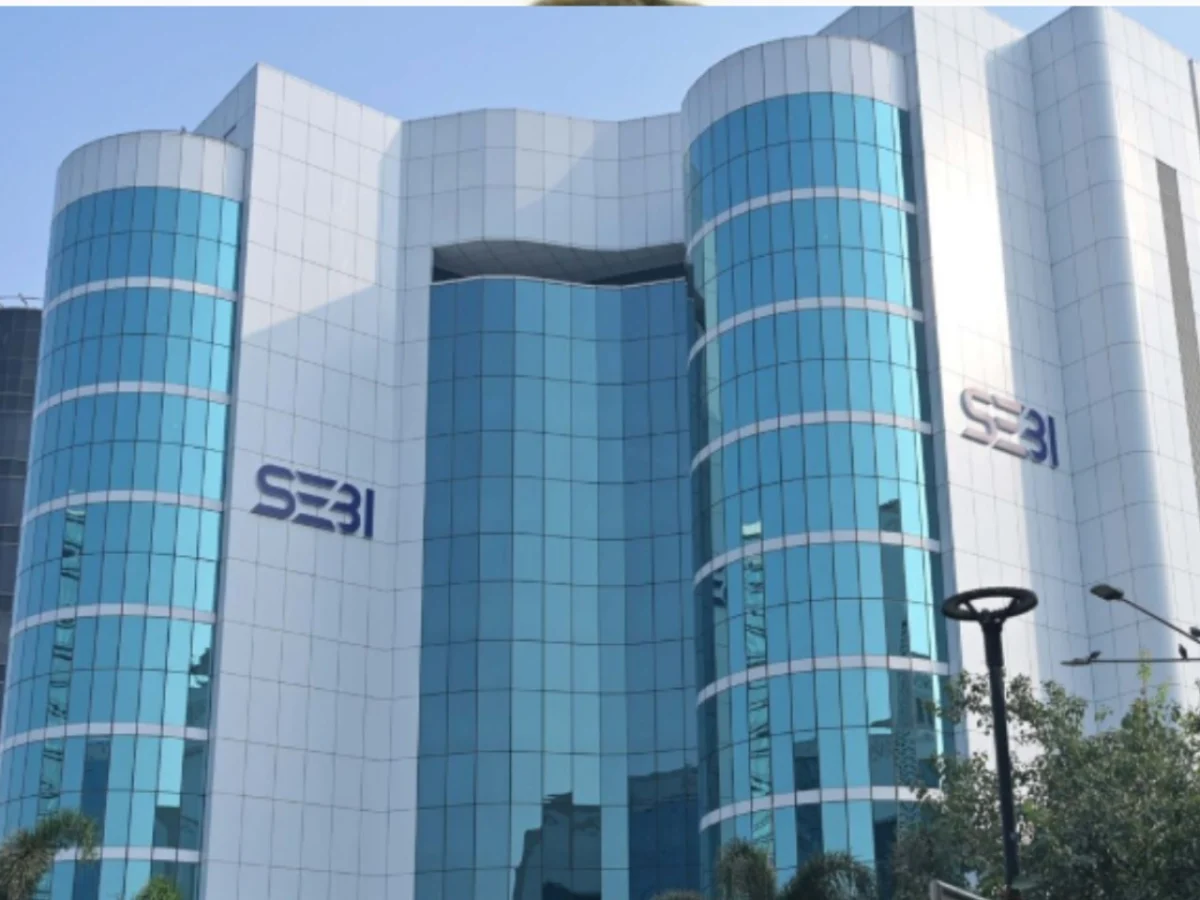
Market Regulator Acts Swiftly Against Unusual Trading Patterns on Critical Expiry Day
Mumbai, India – In a significant move to uphold market integrity and ensure fair price discovery, the Securities and Exchange Board of India (SEBI) has issued an ex-parte interim order against two entities, Copthall Mauritius Investment Limited and Mansi Share and Stock Broking Private Limited. The market regulator’s swift action comes after preliminary findings indicated prima facie manipulative trading practices during the crucial Closing Auction Session (CAS) on the BSE Sensex expiry day, August 13.
The interim order, delivered following a thorough examination of trading data, highlights highly unusual and aggressive trading patterns by both firms, which SEBI alleges were designed to unfairly influence the Sensex’s Indicative Equilibrium Price (IEP) and generate wrongful gains from their derivatives positions. A total of Rs 3.68 crore, corresponding to the alleged wrongful gains, has been impounded by SEBI, with the entities also being barred from accessing the securities markets and participating in the equity-segment CAS until further orders. This decisive intervention underscores SEBI’s unwavering commitment to safeguarding the sanctity of India’s capital markets.
The Anatomy of Alleged Manipulation: Main Facts Unveiled
The core of SEBI’s investigation revolves around suspicious trading activities observed during the Closing Auction Session (CAS) on August 13, the expiry day for Sensex options. The CAS is a critical period where the closing price of securities, often used for settlement of derivative contracts, is determined. Its sensitivity makes it a potential target for manipulative tactics aiming to artificially swing prices.
SEBI’s preliminary findings revealed three distinct, sharp movements in the Sensex during the CAS:
- An initial surge of 362.02 points within a mere two seconds.
- A subsequent rise of 132.67 points over 12 seconds.
- A final spike of 405.08 points in 28 seconds.
These rapid and substantial index movements immediately raised red flags, prompting SEBI to delve deeper into the underlying trading activity. The regulator’s analysis pinpointed Copthall Mauritius Investment Limited and Mansi Share and Stock Broking Private Limited as key players behind these anomalous shifts.
Specifically, Copthall Mauritius Investment Limited was found to be overwhelmingly responsible for the buy-side pressure during these critical moments. Its buy-order value accounted for an astounding 99.91 per cent during the first spike, 96.09 per cent during the second, and 85.21 per cent during the third. The entity allegedly placed aggressive buy orders across various Sensex constituents at prices approximately 3 per cent above the prevailing reference price, indicating a clear intent to drive up prices.
Concurrently, Mansi Share and Stock Broking Private Limited engaged in a contrasting, yet equally suspicious, pattern. Mansi placed aggressive sell orders for an aggregate of 12.65 lakh shares across eight Sensex constituents. These sell orders were executed at prices substantially below the reference price. Crucially, the entire quantity of these sell orders was subsequently cancelled within a few seconds, suggesting a deliberate attempt to depress prices temporarily without actually executing trades.
SEBI’s order explicitly states that the trading patterns of both entities were examined in conjunction with their existing positions in Sensex options expiring on the same day. The preliminary findings strongly indicated that the underlying cash-market activity orchestrated by these entities had a direct economic relevance to their respective Sensex options positions, suggesting a calculated strategy to profit from the artificial price movements.
Chronology of Events: A Timeline of Suspicion and Action
The sequence of events leading to SEBI’s interim order highlights the regulator’s proactive surveillance mechanisms and rapid response capabilities.
August 13 (Sensex Expiry Day):
- Closing Auction Session (CAS): During this critical window, SEBI’s surveillance systems detect highly unusual and aggressive trading activity.
- Multiple Sharp Sensex Spikes: Three distinct, rapid upward movements in the Sensex are observed.
- Initial Spike: Sensex rises by 362.02 points in 2 seconds. Copthall accounts for 99.91% of buy-order value.
- Second Spike: Sensex rises by 132.67 points in 12 seconds. Copthall accounts for 96.09% of buy-order value.
- Third Spike: Sensex rises by 405.08 points in 28 seconds. Copthall accounts for 85.21% of buy-order value.
- Aggressive Buy Orders by Copthall: Copthall is identified as placing large buy orders across Sensex constituents, often at prices significantly above the reference price.
- Aggressive Sell Orders by Mansi: Mansi is simultaneously observed placing large sell orders across several Sensex constituents at prices substantially below the reference price.
- Subsequent Cancellations: Mansi rapidly cancels its large sell orders within seconds. Separately, Copthall is noted to have cancelled buy orders worth approximately Rs 98.12 crore across 30 Sensex constituents.
- Sensex Closes: The Sensex ultimately closes at 78,080 points, a figure that SEBI believes was influenced by the alleged manipulative activities.
Post-August 13:
- SEBI’s Detailed Scrutiny: The market regulator initiates a detailed examination of the trading patterns, order books, and derivative positions of Copthall and Mansi. This involves analyzing massive datasets to identify any correlation between cash market activities and F&O positions.
- Preliminary Findings Emerge: SEBI’s analysis points to a prima facie case of manipulative trading, where both entities allegedly attempted to influence the Indicative Equilibrium Price (IEP) to benefit their respective Sensex options positions. The regulator concludes that the underlying cash-market activity had a direct economic relevance to the entities’ Sensex options positions.
- Calculation of Wrongful Gains: Based on its preliminary findings, SEBI calculates the estimated wrongful gains accruing to each entity due to their alleged manipulative actions.
- Issuance of Ex-Parte Interim Order: SEBI passes an ex-parte interim order, citing the urgency required to protect market integrity and prevent further recurrence of such conduct. This order is passed without prior notice to the entities, given the immediate need to secure the market.
- Impoundment of Funds: Rs 2.96 crore from Copthall and Rs 71.65 lakh from Mansi, totaling Rs 3.68 crore, are ordered to be impounded and placed in fixed deposits with a lien in SEBI’s favour.
- Market Restrictions: Both entities are immediately restrained from accessing the securities markets and prohibited from participating in the equity-segment Closing Auction Session until further orders.
- Ongoing Investigation: SEBI clarifies that the directions in the interim order will remain in force until further orders, as its comprehensive examination of the matter continues.
Supporting Data: Quantifying the Allegations
The SEBI order is replete with precise figures that underscore the scale and specific nature of the alleged manipulative activities. These data points form the bedrock of the regulator’s prima facie conclusions.
-
Sensex Movement During CAS:
- First spike: 362.02 points in 2 seconds.
- Second spike: 132.67 points in 12 seconds.
- Third spike: 405.08 points in 28 seconds.
- These rapid, almost vertical movements, are highly unusual for an index comprising 30 large-cap stocks and indicate significant, concentrated buying or selling pressure.
-
Copthall’s Dominance in Buy Orders:
- 99.91% of buy-order value during the first spike.
- 96.09% of buy-order value during the second spike.
- 85.21% of buy-order value during the third spike.
- This near-monopoly in buy-side activity during critical price surges strongly suggests a deliberate attempt to corner the buying interest and drive up prices.
- Copthall allegedly placed aggressive buy orders at prices close to 3 per cent above the reference price, a significant premium that further supports the intent to artificially inflate prices.
- The subsequent cancellation of buy orders worth approximately Rs 98.12 crore across 30 Sensex constituents indicates a pattern of placing large orders to influence price, then withdrawing them before execution, a classic tactic in price manipulation.
-
Mansi’s Aggressive Sell Orders:
- Placed aggressive sell orders aggregating 12.65 lakh shares across eight Sensex constituents.
- These orders were placed at prices substantially below the reference price, indicating an attempt to depress the Indicative Equilibrium Price (IEP).
- The cancellation of the entire quantity within a few seconds highlights the transient nature of these orders, consistent with an intent to influence rather than genuinely trade.
-
Calculated Wrongful Gains:
- Copthall: Rs 2.96 crore.
- Mansi: Rs 71.65 lakh.
- Total Impounded: Rs 3.68 crore.
- These figures represent the preliminary assessment by SEBI of the financial benefit derived by the entities from their alleged manipulative activities, directly linked to their Sensex options positions.
The meticulous aggregation and analysis of these data points allowed SEBI to construct a compelling prima facie case, demonstrating a direct correlation between the entities’ cash market actions and their derivatives positions. The regulator’s ability to quantify these actions provides robust evidence for its interim directives.
Official Responses and Regulatory Stance
SEBI’s interim order itself serves as the primary official response, outlining the regulator’s findings, rationale, and immediate actions. The language used in the order is firm and unequivocal, reflecting the gravity of the alleged misconduct.
The order explicitly states, "the trading pattern of Copthall placing large buy orders at significantly higher prices on three occasions and Mansi placing large sell orders at lower prices and then subsequently cancelling them is prima facie highly unusual and needs to be examined with their possible positions in F&O." This statement underscores the initial suspicion that led to the in-depth investigation.
Further, SEBI detailed its specific observations regarding each entity’s alleged intent:
- Regarding Copthall: "its aggressive buying appeared aimed at influencing the Sensex’s Indicative Equilibrium Price (IEP)." The subsequent cancellation of significant buy orders further solidified this view.
- Regarding Mansi: "the placement and subsequent cancellation of large sell orders appeared prima facie intended to suppress the IEP and benefit from its outstanding put-option positions."
A crucial clarification from SEBI is that while the trading patterns were suspicious and aligned with their options positions, "the evidence did not prima facie indicate that the two entities acted in concert." This distinction is important, as acting in concert implies collusion, which would carry different legal ramifications. However, even without collusion, individual manipulative acts are strictly prohibited.
The order succinctly summarizes the motive: "Each of the notices tried to create a favourable move for themselves in the Sensex constituents to enrich themselves with wrongful gains in their expiry day Sensex Option positions." This highlights the direct link SEBI established between the cash market manipulation and the derivatives market profits.
)
In justifying its interim directions, SEBI emphasized the imperative to "protect market integrity and fair price discovery." The regulator warned that "allowing the entities to continue participating in the CAS pending further examination could expose the market to the risk of recurrence of the conduct observed in the case." This preventive stance is central to SEBI’s mandate and reinforces its commitment to maintaining a level playing field for all market participants.
The immediate impoundment of funds and the imposition of market bans are not punitive final judgments but rather precautionary measures taken to prevent further harm and ensure that any ill-gotten gains are secured while the full investigation proceeds. This approach aligns with SEBI’s regulatory framework, particularly the SEBI (Prohibition of Fraudulent and Unfair Trade Practices relating to Securities Market) Regulations, 2003, which strictly prohibit such manipulative practices.
Implications: Restoring Confidence and Deterring Future Misconduct
The interim order against Copthall and Mansi carries significant implications for various stakeholders within the Indian financial ecosystem, serving as a powerful message from the market regulator.
1. Reinforcement of Market Integrity:
This action reaffirms SEBI’s robust surveillance capabilities and its intolerance for any activity that undermines the fairness and transparency of the market. The Sensex, as a benchmark index, is critical to investor confidence, and any attempt to manipulate its value on a sensitive day like expiry day is viewed with extreme seriousness. SEBI’s swift response ensures that market participants, both domestic and international, can trust the integrity of price discovery mechanisms.
2. Deterrent Against Future Manipulation:
The impoundment of alleged wrongful gains and the immediate market ban send a strong deterrent message to any entity contemplating similar manipulative tactics. The financial cost of being caught, coupled with the reputational damage and the cessation of trading privileges, makes such activities highly risky and unprofitable. This action serves as a public example that SEBI is actively monitoring and will not hesitate to act decisively.
3. Enhanced Scrutiny of Derivatives Trading:
The case highlights SEBI’s increased focus on the interplay between cash and derivatives markets. The finding that "the underlying cash-market activity had a direct economic relevance to the entities’ Sensex options positions" underscores the regulator’s ability to connect seemingly disparate trading actions across different market segments. This will likely lead to even greater scrutiny of trading patterns on expiry days, particularly for entities with significant positions in both cash and derivatives.
4. Message to Foreign Institutional Investors (FIIs) and Brokers:
Copthall Mauritius Investment Limited is an FII, and Mansi Share and Stock Broking Private Limited is a broker. This action serves as a reminder to all FIIs that they are subject to Indian market regulations and will be held accountable for any manipulative practices. For brokers like Mansi, it reinforces their crucial role as gatekeepers and their responsibility to ensure compliance by their clients, as well as to avoid engaging in such activities themselves. The ban on participating in the equity-segment CAS directly impacts their operational capacity and reputation.
5. Technological Advancement in Surveillance:
SEBI’s ability to detect such intricate patterns of manipulation in real-time, especially during a high-volume and fast-moving session like the CAS, demonstrates the effectiveness of its advanced surveillance technology and data analytics capabilities. This incident showcases the power of regulatory technology (RegTech) in identifying anomalies that might otherwise go unnoticed.
6. Protection for Retail and Institutional Investors:
Ultimately, SEBI’s actions protect all investors. Manipulative practices distort prices, creating an unfair advantage for perpetrators and potentially leading to losses for other, unsuspecting market participants. By cracking down on such activities, SEBI ensures that the market remains a fair arena for all, thereby bolstering investor confidence and encouraging greater participation.
7. Future Course of Action and Legal Precedent:
While this is an interim order, it sets the stage for a more comprehensive investigation. The entities will likely be given an opportunity to present their defence. If SEBI’s findings are upheld after further examination, it could lead to a final order with more stringent penalties, including permanent bans and further monetary penalties. Such a final order would also serve as an important legal precedent, strengthening SEBI’s hand in future cases of market manipulation. The process ensures natural justice while upholding regulatory efficacy.
In conclusion, SEBI’s decisive action against Copthall Mauritius Investment Limited and Mansi Share and Stock Broking Private Limited sends an unambiguous message: manipulative trading practices, particularly on critical market days, will not be tolerated. This vigilance is paramount for maintaining the health and credibility of India’s rapidly expanding capital markets, ensuring they continue to function as engines of economic growth and wealth creation based on fairness and transparency. The market awaits the final outcome of SEBI’s ongoing examination, but the immediate impact is a clear reaffirmation of regulatory authority and commitment to integrity.
